Paleolithic hunter-gatherer societies, spanning a vast period from roughly 2.5 million years ago to about 10,000 BCE, were characterized by a social structure that, while diverse, shared fundamental organizational principles. These early human communities navigated their environments by hunting game and gathering plant resources, a lifestyle that profoundly shaped their social dynamics. Understanding their social structure requires delving into the factors that influenced group size, composition, leadership, and the distribution of resources. The nomadic nature of their existence, coupled with the reliance on readily available natural resources, dictated a flexible and often egalitarian organization, though evidence suggests variations based on environmental pressures and technological advancements.
The Core Unit: Family and Kinship Networks
The foundational building block of Paleolithic social organization was the family and its extended kinship network. These small, cohesive units were essential for survival, providing a reliable source of support, knowledge transfer, and protection. The nuclear family, likely consisting of a pair of adults and their offspring, formed the primary social group, but its significance was amplified by its integration into larger kin-based structures. This extended family, or lineage, provided a vital safety net, ensuring that individuals had a recognized place and responsibilities within the community.
Bonds of Immediate Kinship
Within the immediate family, strong bonds of interdependence were paramount. The division of labor, though not always rigidly defined by gender, often saw adults caring for young children, teaching them essential survival skills, and protecting them from predators and the harsh elements. Shared foraging and hunting activities, while sometimes individualistic, often involved collaborative efforts that reinforced familial ties. The emotional and practical support provided by family members was indispensable for navigating the challenges of a precarious existence. Children learned by observing and participating, inheriting knowledge about edible plants, animal behavior, and tool-making techniques from their parents and older siblings. This intergenerational transfer of knowledge was crucial for the perpetuation of the group.
The Expanding Web of Relations
Beyond the nuclear family, kinship extended to include a wider circle of relatives, such as grandparents, aunts, uncles, and cousins. These broader kin networks offered additional layers of social security and cooperation. Marriages, even in these early societies, likely played a crucial role in forging alliances between different family groups, expanding the reach and resources available to each. Such alliances could facilitate access to new territories, share information about seasonal resource availability, or provide mutual defense against rival groups. The recognition of kinship, whether through direct biological ties or social agreements, created a framework for reciprocal obligations and mutual aid, reducing the likelihood of isolation and vulnerability. This web of relationships also provided a mechanism for dispute resolution, with established kin lines acting as mediators or offering support to their own members in conflicts. The depth and breadth of these kinship networks likely varied, influenced by the size of the residential group and the mobility patterns of the community.
The social structure of Paleolithic hunter-gatherers is a fascinating topic that sheds light on the early human experience and community dynamics. For those interested in understanding how ancient societies functioned and evolved, a related article can be found at The Rise of Nearshoring: Mexico’s Growing Appeal, which, while focusing on modern economic trends, offers insights into how social structures adapt over time in response to environmental and economic changes. This connection highlights the enduring nature of human adaptability, whether in ancient or contemporary contexts.
Group Size and Composition: The Dynamic Band
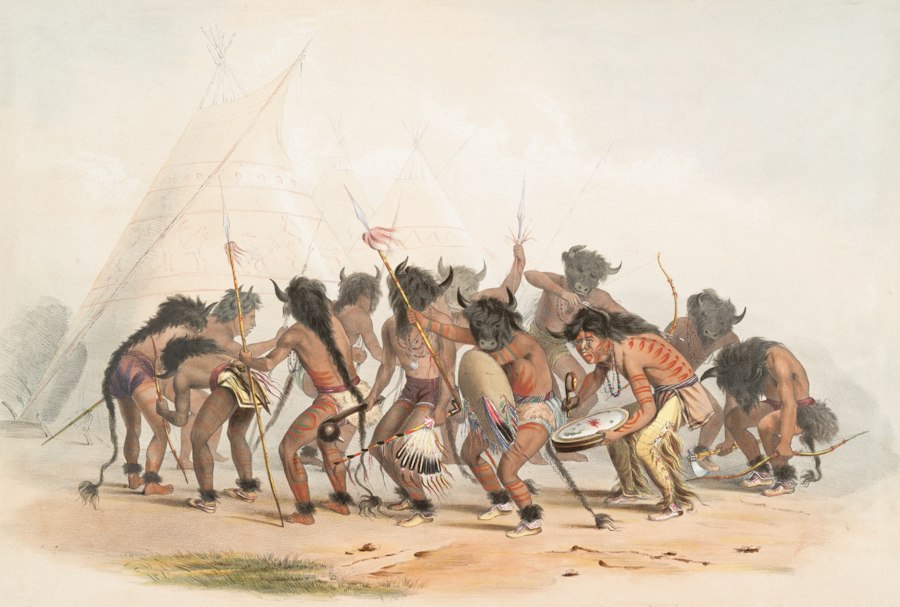
Paleolithic hunter-gatherers typically lived in small, mobile groups known as bands. These bands were not static entities but rather fluid compositions of individuals and families that coalesced and dispersed based on the availability of resources and social dynamics. The size of these bands was inherently limited by the carrying capacity of their environment and the logistical challenges of maintaining a cohesive unit during frequent movements.
The Limits of Mobility and Subsistence
The nomadic lifestyle dictated by the seasonal availability of food resources meant that large, sedentary populations were not feasible. Hunting and gathering required extensive territories to sustain a given number of people, and overexploitation of local resources would quickly render an area uninhabitable. Consequently, band sizes were generally small, ranging from perhaps 20 to 50 individuals, though larger aggregations could occur temporarily during periods of abundant resources or for specific social events like mating or ceremony. This size was optimal for efficient foraging, allowing the group to cover a significant area in search of sustenance without excessive competition for immediate resources. The need to move frequently also meant that possessions were minimal, further contributing to the practicality of smaller group sizes.
Fluidity and Flexibility in Membership
The composition of these bands was often fluid and flexible. While core family units remained stable, individuals might move between bands, forming new alliances or rejoining existing kin. This movement could be driven by marriage, intergroup conflict, or the search for better resource prospects. This fluidity served as an adaptive mechanism, allowing groups to maintain genetic diversity and to share knowledge and innovations across different communities. The ability to integrate newcomers or to send individuals elsewhere prevented social stagnation and ensured that the population could adapt to changing environmental conditions or demographic shifts. The lack of rigid, permanent membership meant that social relationships were constantly being negotiated and reaffirmed, fostering a dynamic social environment. This also implies that social roles were likely adaptable, with individuals able to take on different responsibilities depending on the needs of the band and their own skills.
Leadership and Decision-Making: The Influence of Experience
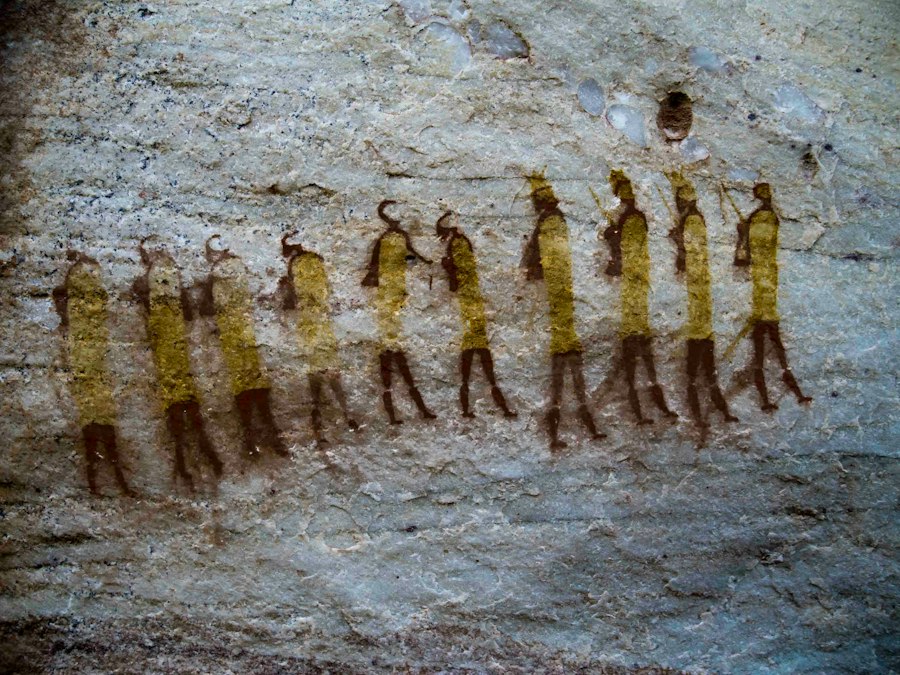
Paleolithic leadership was generally informal and based on influence rather than coercive power. While some individuals likely held more sway than others, formal hierarchies and chiefdoms were largely absent. Authority was earned through demonstrated competence, wisdom, and the ability to contribute to the group’s well-being. This leadership style was a natural consequence of the egalitarian nature of hunter-gatherer life and the immediate need for consensus and cooperation.
The Authority of the Skilled and the Wise
In a society where survival depended on acute knowledge of the environment and effective hunting and gathering techniques, individuals who excelled in these areas naturally commanded respect. Experienced hunters who consistently brought down game, or knowledgeable gatherers who knew the location and properties of vital plant foods, would have held significant informal authority. Elders, with their accumulated wisdom and memory of past seasons and events, also played a crucial role in guiding the group. Their insights into weather patterns, animal migrations, and the history of resource availability were invaluable. Decision-making was often a communal process, with important matters being discussed and debated by the group. Those with proven track records of success and good judgment were listened to more closely, but ultimately, consensus was usually sought.
Consensus-Driven Governance
The small size and interconnectedness of Paleolithic bands facilitated a form of consensus-driven governance. Major decisions, such as the timing of migration, the location of a new camp, or the response to a perceived threat, would likely have been discussed openly. While a single individual might propose a course of action, the group’s agreement was essential for its successful implementation. This system fostered a sense of collective responsibility and ensured that all members felt invested in the outcomes. Challenges to authority were likely rare and would have been addressed through social mechanisms like ostracism or exclusion, rather than formal punishment. The emphasis was on maintaining group cohesion and cooperation, making decisions that benefited the collective as a whole. This collaborative approach to governance was well-suited to the demands of their precarious lifestyle, where unity was a primary determinant of survival.
Social Roles and Gender: Complementary Contributions
While evidence is often inferred, the social roles and division of labor within Paleolithic hunter-gatherer communities appear to have been characterized by a degree of complementarity rather than strict hierarchy, particularly in relation to gender. Both men and women played vital roles in the survival and reproduction of the group, with their contributions often seen as mutually beneficial and essential for the overall functioning of the society.
The Complementarity of Hunting and Gathering
The archetypal division often depicted is men as hunters of large game and women as gatherers of plant foods and smaller game. While this generalization likely held some truth, it is crucial to avoid anachronistic interpretations of rigid gender roles. Archaeological evidence and ethnographic analogies suggest that women were actively involved in hunting, particularly of smaller game, and in the processing of meat and hides. Similarly, men undoubtedly contributed to gathering activities and the care of children, especially in times of necessity or when hunting parties were absent. The emphasis was on the essential contributions each made to the group’s sustenance. Gathering provided a more reliable and consistent source of calories, while hunting, though riskier, yielded high-protein, nutrient-rich food that was vital for growth and energy. This interdependence ensured that the group had access to a diverse range of resources, increasing their resilience to environmental fluctuations.
The Importance of Child-Rearing and Social Reproduction
Child-rearing and the maintenance of the social fabric were undoubtedly central to the roles of women, as is typical in many societies. The demanding task of raising children, often through multiple births and across several years, required significant time and energy. This focus on nurturing the next generation was critical for the long-term survival of the band. Furthermore, women likely played a significant role in the transmission of cultural knowledge, including medicinal plant lore, storytelling, and the teaching of social norms and etiquette. The social bonds forged through child-rearing and daily cooperative activities would have been instrumental in maintaining group cohesion and fostering a sense of shared identity. While hunting might have been more visible in the archeological record, the continuous and vital role of gathering and child-rearing formed the bedrock of daily life and ensured the perpetuation of the community.
The social structure of Paleolithic hunter-gatherers has been a subject of much interest among anthropologists, as it reveals the complexities of early human societies. These groups often operated on principles of cooperation and sharing, which were essential for survival in their environments. For a deeper understanding of how economic factors can influence social structures, you might find it insightful to read about modern implications in the article on the impact of the USMCA wage requirement. This connection between ancient and contemporary social dynamics highlights the enduring nature of economic influences on societal organization. You can explore this further in the article here.
Resource Distribution and Reciprocity: The Foundation of Egalitarianism
| Aspect | Description | Typical Metrics |
|---|---|---|
| Group Size | Small, mobile bands of hunter-gatherers | 20-50 individuals |
| Social Organization | Kin-based groups with egalitarian structure | Clan or family units, no formal leadership |
| Division of Labor | Based on age and gender roles | Men: hunting; Women: gathering and childcare |
| Resource Sharing | Common sharing of food and tools within group | High sharing index, low individual ownership |
| Mobility | Nomadic or semi-nomadic lifestyle | Seasonal movement every few weeks/months |
| Leadership | Informal, situational leadership based on skill | No permanent chiefs; leadership by consensus |
| Conflict Resolution | Social mechanisms to maintain group cohesion | Use of rituals, mediation, and social pressure |
The distribution of essential resources and the practice of reciprocity were fundamental to the relatively egalitarian nature of Paleolithic hunter-gatherer societies. In environments where survival was a constant challenge, hoarding or exclusive ownership of vital resources would have been detrimental to the group’s overall well-being. Instead, a system of sharing and mutual obligation ensured that everyone had access to the necessities of life.
The Ethos of Sharing
The sharing of food, particularly meat from successful hunts, was a cornerstone of Paleolithic social life. A large kill provided a significant bounty, and distributing it among all members of the band ensured that everyone benefited. This practice not only prevented starvation but also reinforced social bonds and signaled the commitment of individuals to the welfare of the group. The principle of reciprocity was implicit: those who shared today could expect to be shared with tomorrow, whether they were successful hunters or not. This system acted as a form of social insurance, mitigating the risks inherent in a subsistence lifestyle. Similarly, tools, shelter, and other essential items were likely shared or made available as needed, especially within kinship groups.
The Dynamics of Reciprocal Exchange
Reciprocity in Paleolithic societies was not always immediate or strictly quid pro quo. It often operated on a longer-term basis, creating a web of mutual dependence and obligation. An individual who consistently contributed to the group’s welfare, through hunting, gathering, or other skills, would earn social capital and be assured of support when they were in need. Conversely, individuals who consistently failed to contribute or who acted selfishly might face social disapproval or exclusion. This system of reciprocal exchange fostered a sense of community and interdependence, where the success of one was intrinsically linked to the success of all. While not a formal economic system, it was a sophisticated social mechanism that ensured the equitable distribution of resources and the maintenance of social harmony in a challenging and unpredictable world. The very survival of these small, mobile groups depended on their ability to function as cohesive units, and the principles of sharing and reciprocity were the mortar that held them together.

20,000 Years Ago | The Coldest Journey in Human History
FAQs
What was the social structure of Paleolithic hunter-gatherer societies?
Paleolithic hunter-gatherer societies typically had a relatively egalitarian social structure, with minimal hierarchy. They lived in small bands or tribes where decisions were often made collectively.
How did gender roles function in Paleolithic hunter-gatherer societies?
In many Paleolithic societies, gender roles were often more fluid compared to later agricultural societies. Both men and women played important roles in gathering food, hunting, and childcare.
Did Paleolithic hunter-gatherers have leaders or chiefs?
While some Paleolithic groups may have had individuals who were respected for their knowledge or skills, there is little evidence to suggest the presence of permanent leaders or chiefs in these societies. Decision-making was often done through consensus.
What were the main factors that influenced social relationships in Paleolithic hunter-gatherer societies?
Social relationships in Paleolithic societies were influenced by factors such as kinship ties, reciprocity, and cooperation. These factors helped maintain cohesion within the group and ensure survival in a challenging environment.
How did Paleolithic hunter-gatherers handle conflicts within their societies?
Conflicts within Paleolithic hunter-gatherer societies were often resolved through negotiation, mediation, or avoidance. Maintaining harmony within the group was crucial for survival, so conflicts were typically addressed in ways that preserved social cohesion.