The Earth’s glacial periods, characterized by vast ice sheets and significantly lower sea levels, profoundly shaped the landscapes and dramatically influenced the migratory pathways of early hominins. These epochs, known as Pleistocene glaciations, presented formidable challenges but also opened up novel opportunities for our ancestors as they ventured out of Africa and across the globe. Understanding these ancient migrations necessitates a deep dive into the intricate interplay between climate, geography, and the adaptability of early human populations. The ice ages, far from being mere periods of global cold, were dynamic eras of environmental flux, dictating where resources could be found, how populations could travel, and what evolutionary pressures they faced.
The Frozen Earth: Environmental Conditions During Glacial Maximums
The Pleistocene epoch witnessed repeated cycles of glaciation and interglacial warming. During glacial maximums, the most severe phases of these ice ages, immense ice sheets, miles thick in places, covered significant portions of the Northern Hemisphere, particularly North America and Eurasia. These frozen expanses had far-reaching consequences for global climate and geography, creating a drastically different world from the one we inhabit today.
Ice Sheet Expansion and its Impact on Landmasses
The sheer scale of ice sheet growth during glacial periods was staggering. The Laurentide Ice Sheet in North America and the Scandinavian Ice Sheet in Europe extended southwards for thousands of kilometers, burying landscapes under colossal domes of ice. This immense weight pressed down on the Earth’s crust, leading to isostatic depression, a phenomenon where the landmass beneath the ice sinks. As the ice retreated during warmer interglacial periods, the land would slowly rebound, a process that continues even today in some regions. The movement of these massive ice sheets also dramatically reshaped the topography, carving out fjords, valleys, and moraines, leaving behind a legacy of dramatic landscapes.
Lowered Sea Levels and Exposed Land Bridges
One of the most significant consequences of glacial periods was the dramatic drop in global sea levels. As vast amounts of water were locked up in ice sheets, the volume of water in the oceans decreased substantially. This reduction in sea level, estimated to be as much as 120 meters below present-day levels during glacial maximums, exposed continental shelves and created land bridges that were submerged during warmer interglacial periods. These exposed areas provided crucial corridors for the dispersal of flora, fauna, and, critically, early human populations.
Climate Zones and Resource Availability
The presence of massive ice sheets profoundly altered global climate patterns. While the regions directly under the ice were frozen, the surrounding areas experienced shifts in temperature and precipitation. Large parts of the mid-latitudes became colder and drier, leading to the expansion of grasslands and steppes, while tropical rainforests contracted. This altered distribution of biomes directly impacted the availability of food resources. Herbivore populations, adapted to specific vegetations, would have shifted their ranges in response to these environmental changes, and the hunting strategies and territorial ranges of early humans would have been dictated by the migratory patterns of these prey animals. Access to freshwater also became a critical factor, with river systems potentially freezing over or significantly altering their flow depending on regional temperatures. The overall effect was a dynamic and often challenging landscape where adaptability and resourcefulness were paramount for survival.
The study of glacial environment migration of early humans provides fascinating insights into how our ancestors adapted to changing climates and landscapes. For a broader understanding of ancient civilizations and their remarkable achievements, you can explore the related article on the Seven Wonders of the Ancient World, which highlights the ingenuity and resilience of human societies throughout history. To read more, visit Discovering the Seven Wonders of the Ancient World.
The Great Escape: Early Hominin Migrations Out of Africa
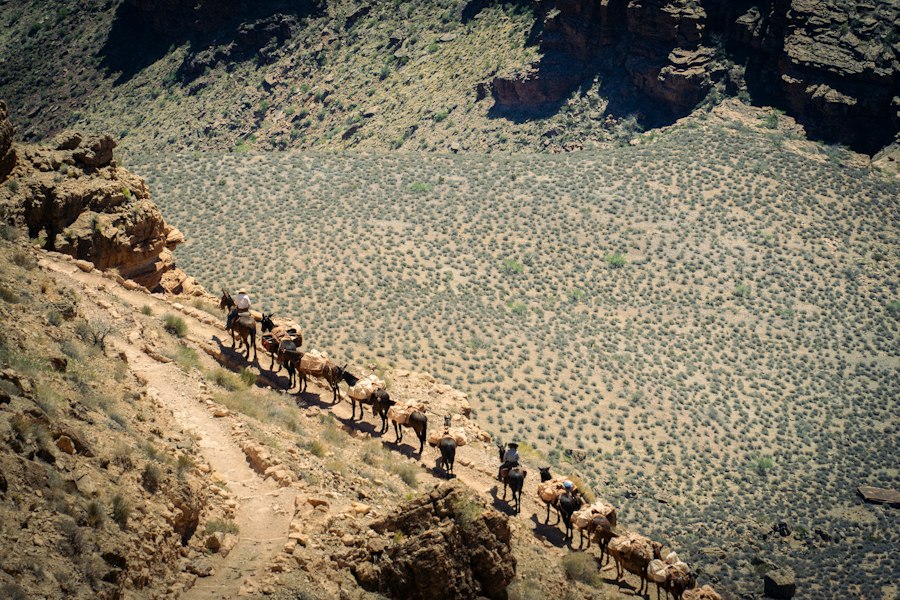
The story of human origins begins in Africa, but the urge to explore and expand led our ancestors to venture beyond their ancestral homeland. The timing and routes of these early migrations are subjects of ongoing scientific investigation, with new discoveries continually refining our understanding of this epic journey. The Pleistocene environment, with its fluctuating climate and evolving landscapes, played a pivotal role in shaping these dispersal events.
The First Waves: Out of Africa Theories
The earliest evidence for hominin presence outside Africa dates back to around 2 million years ago, with Homo erectus being the primary architect of these initial expansions. Several theories attempt to explain the motivations and routes for these early migrations. One prominent hypothesis suggests that technological advancements, such as the development of more sophisticated stone tools and the control of fire, provided Homo erectus with the means to exploit new environments and access a wider range of food resources. Another theory posits that environmental pressures, such as drought or increased competition for resources within Africa, may have spurred outward movement. The availability of migrating animal herds, which served as a mobile food source, likely also played a significant role, drawing early humans along familiar migratory routes.
The Role of Climate and Geography in Dispersal Routes
The specific geographical pathways taken by early hominins were heavily influenced by the prevailing climatic and geological conditions. During glacial periods, lowered sea levels would have made crossing certain water bodies easier, or even irrelevant, as land bridges emerged. For instance, the Sinai Peninsula likely served as a crucial land corridor connecting Africa to the Levant, allowing for movement into Eurasia. Similarly, the Strait of Gibraltar, though a significant water barrier today, might have been narrower or even bridged by land during periods of extreme glaciation, though direct evidence for this is scarce. The expansion of savannas and grasslands into regions that are now deserts also would have created more hospitable environments and provided continuous pathways for movement. Conversely, dense forests or vast, impassable mountain ranges would have acted as barriers, channeling migrations along more favorable routes.
Evidence from the Fossil and Archaeological Records
Our understanding of these early migrations is pieced together through a combination of fossil discoveries and archaeological evidence. Sites like Dmanisi in Georgia have yielded early Homo erectus fossils dating back to approximately 1.8 million years ago, providing compelling evidence for their presence in Eurasia. Similarly, finds in Java, Indonesia, and in various parts of China indicate a widespread distribution of these early hominins across Asia. The lithic technology found at these sites, characterized by simple Oldowan and later Acheulean tools, helps to correlate the presence of hominins across different regions and offers insights into their technological capabilities. While direct genetic evidence from these very early hominin populations is largely absent, the spatial distribution of fossils and artifacts paints a picture of gradual but persistent expansion driven by environmental opportunities and intrinsic hominin adaptability.
Navigating the Ice: Hominin Survival in Glacial Landscapes
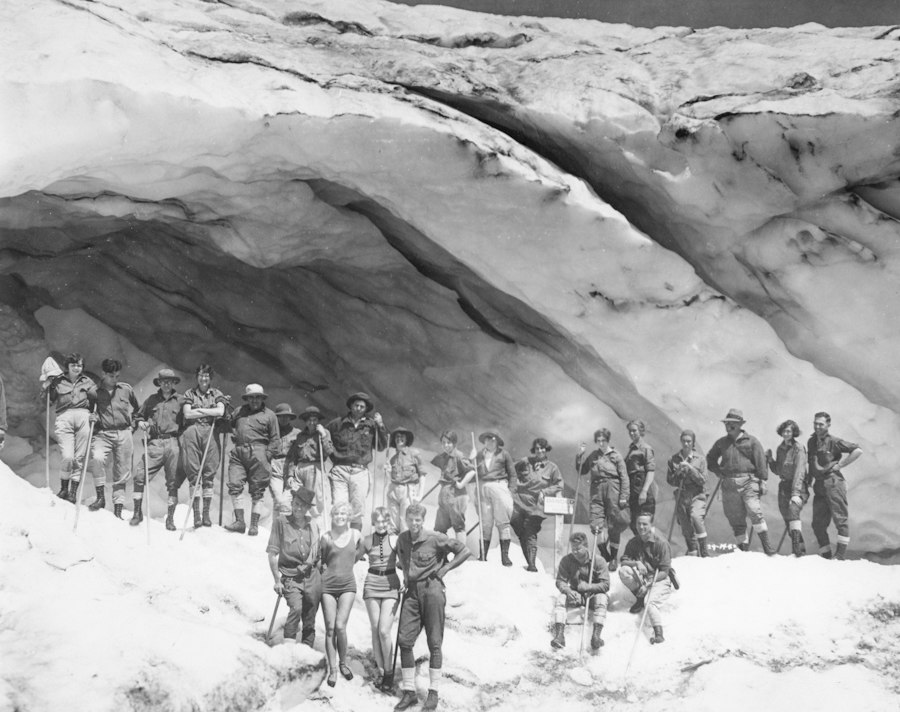
The arrival of hominins in regions heavily influenced by glaciation presented a formidable test of their resilience and ingenuity. Surviving in these harsh, dynamic environments required a sophisticated understanding of their surroundings, innovative technological solutions, and a high degree of social cooperation. The adaptations that emerged during these glacial periods were crucial for the long-term success and dispersal of our species.
Adaptation to Cold Climates: Clothing, Shelter, and Fire
Survival in frigid glacial environments necessitated the development of effective strategies for insulation and warmth. The earliest evidence for tailored clothing is difficult to pinpoint, but the archaeological record suggests the increasing use of animal hides and furs for protection. The presence of specialized bone needles, dating back tens of thousands of years, indicates the ability to cut and stitch these materials to create more form-fitting garments. Furthermore, the construction of more robust shelters became essential. While temporary windbreaks and natural caves were likely utilized, the emergence of more permanent structures, often built with readily available materials like mammoth bones, hides, and branches, provided crucial protection from the elements. The mastery of fire was arguably the most transformative adaptation. Fire provided not only warmth but also a means to cook food, making it more digestible and nutritious, and to deter predators. The controlled use of fire allowed hominins to inhabit colder regions, extend their active hours, and establish more stable settlements.
Resource Exploitation in a Shifting Environment
The fluctuating availability of food and water during glacial periods demanded flexibility in foraging and hunting strategies. Early humans likely relied heavily on hunting migrating herds of large herbivores, such as mammoths, woolly rhinoceroses, and reindeer, whose movements were dictated by seasonal changes and the availability of vegetation. The development of more sophisticated hunting techniques, including the creation of projectile weapons like spears and atlatls, would have increased hunting success rates and allowed for the pursuit of larger or more dangerous prey. Plant resources, though potentially scarcer in some glaciated regions, would have still played a vital role, with knowledge of edible roots, berries, and seeds being crucial for survival. The ability to store food, perhaps through drying or smoking, would have provided a buffer against periods of scarcity. Access to freshwater, often locked up as ice or flowing through potentially dangerous glacial meltwater channels, would have been a constant challenge, requiring careful observation and knowledge of local hydrology.
Social Structures and Cooperative Strategies
The extreme environmental conditions of glacial periods likely favored more complex social structures and increased cooperation. Larger, more cohesive groups would have been better equipped to share resources, defend against predators, and undertake challenging hunting expeditions. The establishment of communal living spaces, evidenced by the clustering of hearths and activity areas at archaeological sites, suggests a degree of social organization. The transmission of knowledge, including hunting techniques, shelter construction, and the management of fire, would have been critical for the survival of each generation. Cooperative hunting strategies, where individuals worked together to corner, surround, or drive prey towards prepared traps or ambushes, would have been more effective than individual efforts. The development of communication systems, whether through vocalizations, gestures, or early symbolic representations, would have been essential for coordinating these collective activities and maintaining social cohesion in the face of significant environmental pressures.
The Long March: Peopling of the Continents and Island Hopping
As early humans became more adept at navigating diverse and challenging environments, their migrations extended across continents and even to distant islands. These later dispersals, often associated with anatomically modern humans (Homo sapiens), represent a remarkable expansion of human presence across the globe, with glacial and interglacial cycles playing a key role in shaping the routes and timing of these journeys.
Into the Americas: The Bering Land Bridge Hypothesis
One of the most significant chapters in human migration history is the peopling of the Americas. The prevailing scientific consensus points to the Bering Land Bridge, known as Beringia, as the primary route for this dispersal. During glacial periods, lowered sea levels exposed a vast landmass connecting Siberia and Alaska, creating a subcontinent where diverse flora and fauna, including large game animals, thrived. Early humans, likely following these animal herds, would have migrated across Beringia. The timing of this migration is debated, with evidence suggesting it occurred perhaps as early as 20,000 to 25,000 years ago, or even earlier, during the Last Glacial Maximum. Once in North America, populations are thought to have moved southwards, either through an ice-free corridor that opened between the Cordilleran and Laurentide ice sheets or along the Pacific coast. The rapid spread of distinct Paleo-Indian cultures across both North and South America in the subsequent millennia underscores the success of this initial journey.
Eastward Expansion: Reaching Australia and Island Southeast Asia
The colonization of Australia and the islands of Southeast Asia also represents a remarkable feat of human migration, often occurring at a time when sea levels were significantly lower. While Australia has been continuously inhabited for at least 65,000 years, the journey to reach it from mainland Asia involved crossing substantial bodies of water, even during glacial periods. This suggests that early humans possessed sophisticated watercraft and navigation skills. The islands of Southeast Asia, during glacial lowstands, formed a region known as Sahul, a landmass that connected Australia with New Guinea, and Sunda, which incorporated much of the present-day Indonesian archipelago and extended towards mainland Asia. Even with these reduced sea levels, significant water crossings were still necessary. The exploration and settlement of these islands highlight the adventurous spirit and technological capabilities of early Homo sapiens as they pushed the boundaries of human habitation into diverse ecological niches, including tropical rainforests and coastal environments.
The Role of Interglacials in Facilitating Migration
While glacial periods created land bridges and opened up corridors, interglacial periods, with their warmer temperatures and higher sea levels, also played a crucial role in shaping migration patterns. As ice sheets retreated, new habitable landscapes emerged, and populations could expand into previously inaccessible or inhospitable territories. Higher sea levels, however, would have also submerged land bridges, isolating populations and potentially leading to the development of distinct evolutionary trajectories. The dynamics of glacial-interglacial cycles created a constantly shifting mosaic of opportunity and challenge, driving both expansion and periods of isolation for early human populations. Understanding these cycles is essential for reconstructing the complex tapestry of human dispersal across the globe.
Recent studies have shed light on how early humans adapted to glacial environments, showcasing their remarkable resilience and ingenuity in the face of climate change. These findings are crucial for understanding human migration patterns during the last Ice Age. For a deeper exploration of how environmental factors influence human development, you might find this article on industrial real estate in Mexico interesting, as it highlights the ongoing relationship between human activity and environmental conditions. You can read more about it here.
Echoes in the Genes: Genetic Insights into Ancient Migrations
| Metric | Description | Estimated Value/Range | Significance |
|---|---|---|---|
| Time Period | Era of major glacial migrations of early humans | ~2.5 million to 10,000 years ago (Pleistocene) | Defines the timeframe of glacial influence on migration |
| Migration Distance | Approximate distance traveled by early humans during glacial periods | Up to 10,000 km | Shows extent of human dispersal across continents |
| Temperature Drop | Average global temperature decrease during glacial maxima | 5-10°C lower than present | Influenced habitat availability and migration routes |
| Sea Level Change | Drop in sea levels exposing land bridges | Up to 120 meters lower than present | Enabled migration via land bridges like Beringia |
| Key Migration Routes | Main pathways used by early humans during glacial periods | Bering Land Bridge, Sinai Peninsula, Strait of Gibraltar | Critical corridors for human expansion |
| Population Size | Estimated early human population during glacial periods | 10,000 to 100,000 individuals | Reflects survival and adaptation capacity |
| Tool Technology | Type of tools aiding migration and survival | Mousterian, Acheulean, and Upper Paleolithic tools | Improved hunting and adaptation in cold climates |
The advent of molecular genetics has revolutionized our understanding of human origins and migrations, providing a powerful new lens through which to view the deep past. By analyzing the DNA of ancient human remains and comparing it with the genetic makeup of present-day populations, scientists can reconstruct ancestral lineages, trace migratory routes, and even infer population sizes and interactions. This genetic evidence often complements and sometimes challenges interpretations based on fossil and archaeological data.
Mitochondrial DNA and Y-Chromosome as Ancestral Tracers
Mitochondrial DNA (mtDNA), inherited solely from the mother, and the Y-chromosome, passed down exclusively from father to son, are invaluable tools for studying human migration. Their relatively slow mutation rates and clear patterns of inheritance allow researchers to construct deep evolutionary lineages and identify ancient maternal and paternal lines. Studies of mtDNA have provided strong evidence for an African origin of modern humans and have traced the major dispersal events out of Africa, identifying key genetic lineages that spread across Eurasia, Oceania, and the Americas. Similarly, Y-chromosome analysis has corroborated these findings, revealing the patriarchal lineages that accompanied these migrations. The patterns of genetic variation observed in these genetic markers today reflect the bottlenecks and expansions that occurred during these ancient journeys, offering a molecular record of population movements.
Ancient DNA and the Refinement of Migration Timelines
The ability to extract and analyze DNA from ancient human remains, some tens of thousands of years old, has been a game-changer in the field of paleoanthropology. Ancient DNA (aDNA) provides direct genetic snapshots of past populations, allowing for more precise dating of migration events and the identification of previously unknown hominin groups. For instance, aDNA studies have revealed the presence of archaic hominins like Neanderthals and Denisovans, and have shown that interbreeding occurred between these groups and early Homo sapiens. This genetic admixture, though a small percentage of the overall genome, has had significant implications for human adaptation, with some introgressed genes conferring advantages in resisting diseases or adapting to different environments. The analysis of aDNA from skeletal remains found at key archaeological sites has helped to confirm and refine the timelines and routes of migrations out of Africa and across Eurasia, providing a more nuanced picture of human settlement patterns.
Population Dynamics and Interactions Revealed by Genetics
Genetic studies have also shed light on the dynamics of ancient human populations, including their size, structure, and interactions. By examining the genetic diversity within and between ancient and modern populations, researchers can infer periods of rapid growth, population bottlenecks (periods of significant population decline), and admixture events. The genetic signatures of isolation, such as those seen in indigenous Australian populations, speak to long periods of separation. Conversely, the genetic evidence for interbreeding between different hominin groups highlights a more complex and interconnected human past than previously imagined. Furthermore, genetic analysis can reveal patterns of gene flow, indicating how different populations interacted, whether through peaceful exchange or conflict. These genetic insights offer a powerful complement to archaeological and fossil evidence, painting a more complete and dynamic picture of early human migration and evolution.

20,000 Years Ago | The Coldest Journey in Human History
FAQs
What is a glacial environment?
A glacial environment refers to an area covered by ice sheets, glaciers, and snow, characterized by cold temperatures and icy conditions.
How did early humans migrate in glacial environments?
Early humans likely migrated through glacial environments by following the coastlines, river valleys, and ice-free corridors that provided access to new territories.
Why did early humans migrate in glacial environments?
Early humans migrated in glacial environments in search of food, shelter, and resources as they adapted to changing environmental conditions and sought new opportunities for survival.
What challenges did early humans face in glacial environments?
Early humans faced challenges such as harsh weather conditions, limited food sources, dangerous predators, and the need to navigate icy terrain while migrating in glacial environments.
How did early humans adapt to glacial environments?
Early humans adapted to glacial environments by developing specialized tools, clothing, and hunting techniques to survive in cold climates, as well as by forming social groups for cooperation and support during migration.