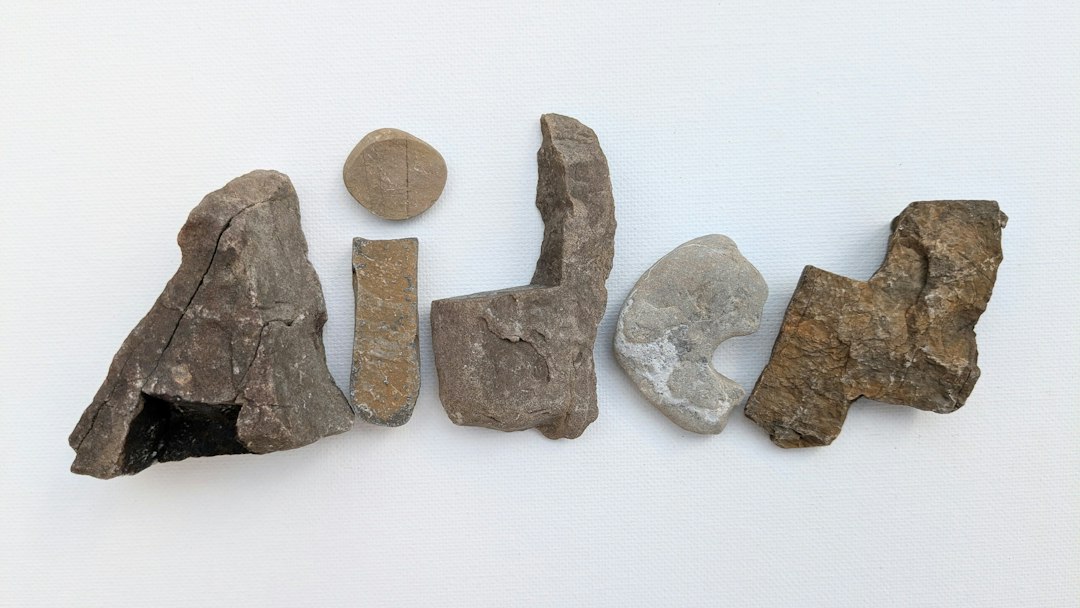
The silent language of stone speaks volumes about our distant ancestors. Among the most eloquent of these stone artifacts are worked stone blades, meticulously shaped tools that offer a profound window into the lives, technologies, and cognitive abilities of Paleolithic hominins. These seemingly simple objects, born from the patient striking and retouching of stone, are not merely implements for survival; they are tangible testaments to ingenuity, foresight, and the complex social and environmental landscapes inhabited by our earliest human relatives. The study of worked stone blades, a cornerstone of Paleolithic archaeology, continues to yield groundbreaking insights, constantly refining our understanding of human evolution, migration patterns, and the development of sophisticated behaviors.
The Genesis of Stone Tools: From Cobble to Blade
The emergence of worked stone blades marks a significant leap in technological advancement during the Paleolithic period. Before the deliberate shaping of stone into tools, early hominins likely utilized naturally occurring sharp fragments, but the controlled flaking and knapping techniques that produced blades represent a conscious effort to create standardized and effective instruments. This shift signifies an understanding of material properties and a capacity for abstract thought, enabling the planning and execution of complex manufacturing processes.
Early Innovations in Lithic Technology
The earliest evidence of stone tool manufacture, often referred to as Oldowan technology, primarily consists of choppers and flakes produced by simply striking one stone against another. While these tools were rudimentary, they laid the foundation for more sophisticated lithic traditions. The development of techniques like the Levallois method, which involves carefully preparing a core stone to produce predictable flake shapes, represents a major cognitive advancement. This systematic approach allowed for the production of larger, thinner, and sharper blades with greater efficiency and control. The ability to envision the final product and meticulously prepare the raw material before detachment highlights a level of planning and foresight previously unseen.
The Significance of Blade Production
The deliberate production of blades, as opposed to random flakes, was driven by functional requirements. Blades are characterized by their elongated form, sharp edges, and often, a relatively thin profile. These attributes made them exceptionally useful for a variety of tasks crucial for survival in the Paleolithic. Their sharpness lent themselves to efficient cutting, skinning, butchering, and woodworking. The longer cutting edge offered by a blade compared to a flake of similar mass made them more economical in terms of material use and more efficient for tasks requiring sustained cutting. The standardized nature of many blade types also suggests a growing understanding of form and function, potentially leading to the development of specialized tools for specific purposes.
In the realm of Paleolithic archaeology, the study of worked stone blades offers invaluable insights into the technological advancements and cultural practices of early human societies. A related article that delves into the broader implications of human development and societal evolution is available at this link: The New Cold War: A High-Stakes Geopolitical Analysis. While this article focuses on contemporary geopolitical dynamics, it underscores the importance of understanding historical contexts, including the technological innovations represented by worked stone blades, in shaping human interactions and societal structures throughout history.
Unraveling the Functionality of Worked Blades
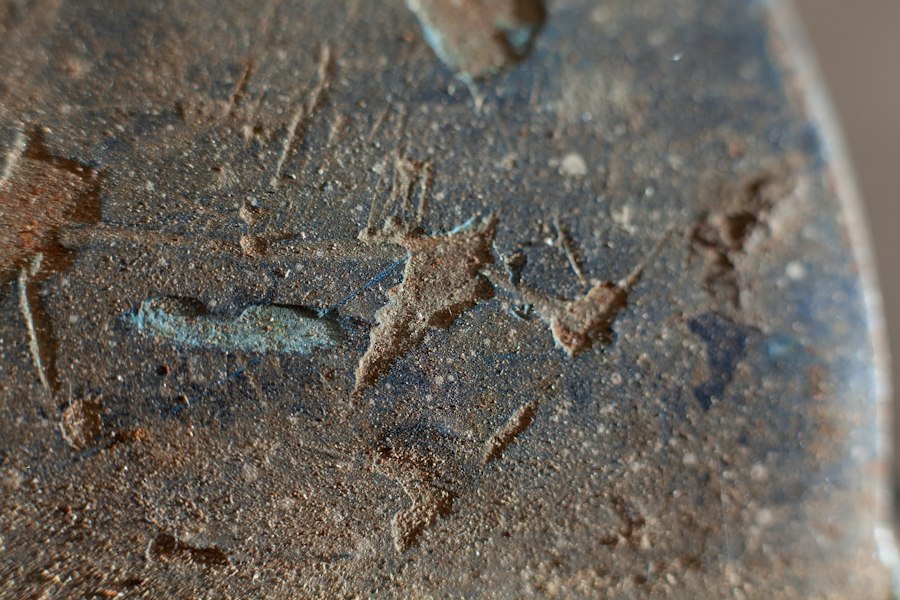
The morphology and wear patterns of worked stone blades are critical in deciphering their use. Archaeologists meticulously examine the edges, surfaces, and overall shape of these artifacts to infer the types of activities they were employed for. This analysis goes beyond simply identifying a cutting edge; it delves into the nuances of how that edge was used, what materials it interacted with, and the force applied.
Functional Analysis Through Microscopic Examination
Microscopic analysis, particularly at high magnifications, reveals micro-wear patterns on the edges of stone blades. These patterns, such as striations, polishes, and residues, are akin to fingerprints left by the activities performed. For example, fine striations running parallel to the edge might indicate cutting soft materials like flesh, while broader, more irregular striations could suggest scraping wood or bone. The presence of specific residues, such as blood or plant material, can further corroborate functional interpretations. These detailed examinations are crucial for distinguishing between different cutting tasks, such as butchering large game versus processing plant materials. The degree of polish on an edge can also indicate the intensity and duration of its use.
Debates on Tool Specialization and Versatility
The discovery of numerous blade types has led to ongoing debates within archaeology regarding the degree of tool specialization in the Paleolithic. Some researchers propose that different blade forms were intentionally manufactured for distinct purposes, such as projectile points for hunting, scrapers for hide preparation, or knives for butchery. Others argue that many blades were more generalized tools, adapted for a variety of tasks through simple retouching or resharpening. The discovery of multi-functional tools, where wear patterns suggest use in several different activities, complicates this picture. Understanding the versatility or specialization of these tools is vital for reconstructing the full spectrum of Paleolithic subsistence strategies and technological capabilities. The presence of hafting evidence, such as residues of adhesives or precise notches for attachment, can also shed light on whether blades were used as hand-held tools or as components of more complex composite implements.
Migratory Pathways and Cultural Dissemination
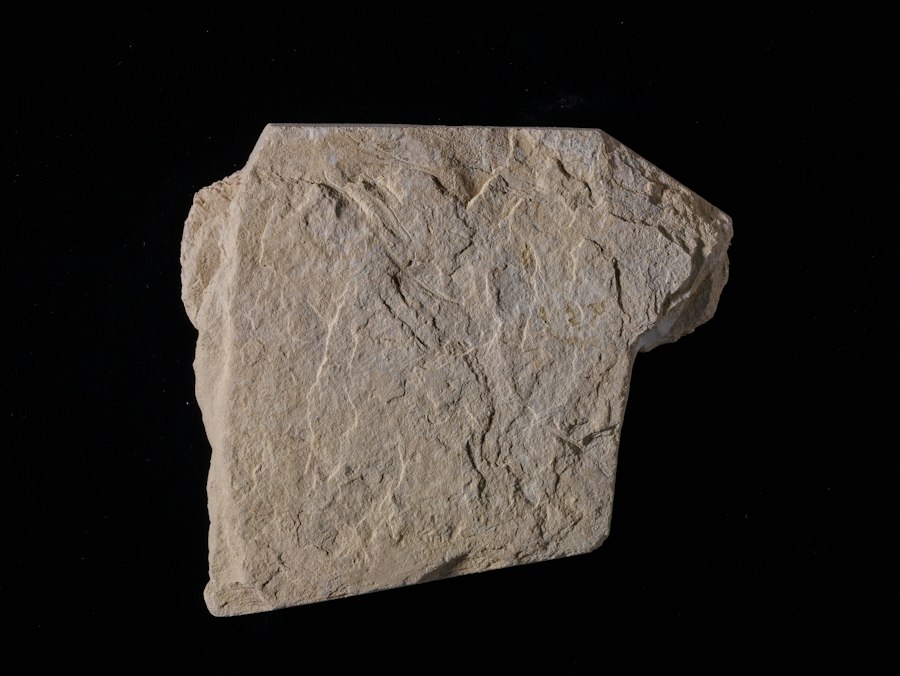
The distribution of specific types of worked stone blades across vast geographical areas provides crucial evidence for the migration routes and cultural interactions of ancient hominin populations. By tracing the origins of raw materials and the stylistic similarities of tool traditions, archaeologists can reconstruct movements and exchanges that occurred tens or even hundreds of thousands of years ago.
Tracing Raw Material Provenance
The geological analysis of the stone used to create blades is a powerful tool for understanding migration and trade networks. Geologists and archaeologists work together to identify the geological source of the lithic material. If a particular type of chert or obsidian, found in blades at a specific archaeological site, is known to originate from a distant geological formation, it strongly suggests that the hominins who created and used those blades either migrated from that region or engaged in long-distance exchange networks. Identifying exotic lithic materials at a site provides direct evidence of movement or interaction over significant distances. This type of sourcing study can differentiate between local exploitation of resources and the movement of people or goods.
Diffusion of Technological Traditions
The spread of particular lithic technologies, including blade production techniques and specific artifact types, can be tracked across continents and through time. For instance, the appearance of Levallois technology in various parts of Africa, the Middle East, and Europe points to the diffusion of this sophisticated method. Similarly, stylistic similarities in blade morphology or retouching patterns between geographically distant sites can indicate cultural contact and the transmission of knowledge. These diffusion patterns are instrumental in mapping the spread of anatomically modern humans and other hominin species, helping to construct timelines for their dispersal across the globe. The recognition of shared toolkits can help define archaeological cultures and understand their chronological and spatial relationships.
Cognitive Abilities and Social Complexity
The intricate craftsmanship and standardization observed in many worked stone blades offer compelling evidence for the advanced cognitive abilities and social complexity of Paleolithic hominins. The ability to conceptualize, plan, and execute the production of these tools suggests a level of foresight and abstract thinking that distinguishes them from other primates.
The Role of Planning and Abstract Thought
Creating a well-formed blade, especially through techniques like the Levallois method, requires significant forethought. Hominins had to select appropriate raw material, assess its internal structure, and envision the desired outcome before initiating the flaking process. This involves understanding cause and effect, predicting how the stone will fracture, and executing a series of precise strikes. The standardization of blade forms, where similar tools are found across a site or region, further indicates the transmission of learned behaviors and a shared understanding of ideal tool morphology. This capacity for abstract planning and execution is a hallmark of advanced cognitive function. The ability to mentally represent a tool and then systematically work towards its creation is a testament to sophisticated mental modeling.
Evidence for Social Learning and Information Transfer
The consistent production of specific blade types and the diffusion of lithic technologies across populations strongly suggest a robust system of social learning and information transfer. These skills were not likely innate; they were learned through observation, imitation, and direct instruction within social groups. The standardization observed suggests that successful techniques were taught and replicated, ensuring the efficient production of effective tools across generations. This transmission of knowledge is fundamental to cultural development and represents a crucial step in the evolution of human societies. The presence of apprenticeships, even if not directly observable, can be inferred from the consistency and widespread adoption of certain lithic technologies. The ability to transmit complex technical knowledge is a defining characteristic of human culture.
In the study of worked stone blades in Paleolithic archaeology, researchers often explore the technological advancements that shaped early human tool-making practices. A fascinating article that delves into the complexities of human adaptation and resource utilization can be found here: navigating border disputes. This piece provides insights into how early societies may have interacted with their environments, shedding light on the significance of stone tools in their daily lives and survival strategies.
Enduring Legacy: Insights for Modern Understanding
| Metric | Description | Typical Values / Examples | Significance in Paleolithic Archaeology |
|---|---|---|---|
| Blade Length | Measurement of the longest dimension of the stone blade | 30-100 mm | Indicates tool type and usage; longer blades often used for cutting or scraping |
| Blade Width | Measurement across the blade at its widest point | 10-30 mm | Helps classify blade types and technological styles |
| Raw Material | Type of stone used for blade production | Flint, chert, obsidian, quartzite | Reflects availability of resources and trade/exchange networks |
| Retouch Type | Modification of blade edges after initial flaking | Inverse retouch, direct retouch, marginal retouch | Indicates tool maintenance and specific functional adaptations |
| Production Technique | Method used to create blades | Pressure flaking, percussion flaking | Shows technological advancement and skill level |
| Contextual Age | Estimated age of the blade based on stratigraphy or dating methods | Approx. 40,000 to 10,000 years BP (Late Paleolithic) | Helps place the artifact within a cultural and chronological framework |
| Use-Wear Analysis | Microscopic examination of wear patterns on blade edges | Polishing, striations, edge rounding | Provides insight into the blade’s function (e.g., cutting meat, scraping hides) |
| Blade Thickness | Measurement of blade thickness at midsection | 3-10 mm | Influences durability and intended use of the blade |
The study of worked stone blades continues to be a dynamic and vital field within Paleolithic archaeology. Each discovery, whether a rare find or a re-evaluation of existing collections, offers new pieces to the complex puzzle of human origins and development. The ongoing refinement of analytical techniques and the application of interdisciplinary approaches ensure that these ancient tools will continue to illuminate our past.
Advancements in Analytical Techniques
The field of lithic analysis is constantly evolving with the development of new technologies and methodologies. Modern techniques such as digital microscopy, portable X-ray fluorescence (pXRF) for elemental analysis of stone, and advanced residue analysis methods are providing unprecedented levels of detail. These advancements allow for more precise identification of wear patterns, accurate sourcing of raw materials, and the detection of microscopic residues that were previously undetectable. The integration of digital technologies, such as 3D scanning and virtual reconstruction, also allows for more detailed comparative studies and wider accessibility of artifact data. This ongoing methodological innovation promises to unlock even deeper insights into the creation and use of these ancient tools.
Reconstructing Paleoenvironments and Human Behavior
Worked stone blades are not just artifacts of technology; they are also indicators of the environmental conditions and subsistence strategies of Paleolithic populations. The types of stone used, their geological origins, and the wear patterns on the blades can inform us about the available resources, the types of animals hunted, the plants processed, and the tools used for shelter construction or fire-making. By correlating lithic assemblages with paleoenvironmental data, archaeologists can reconstruct the intricate relationships between ancient hominins and their environments, painting a richer picture of their daily lives, their challenges, and their remarkable adaptability. The presence of specific tool types can indicate particular resource exploitation strategies, such as hunting large game or processing specific types of flora. The study of worked stone blades, therefore, offers a holistic understanding of the Paleolithic world.