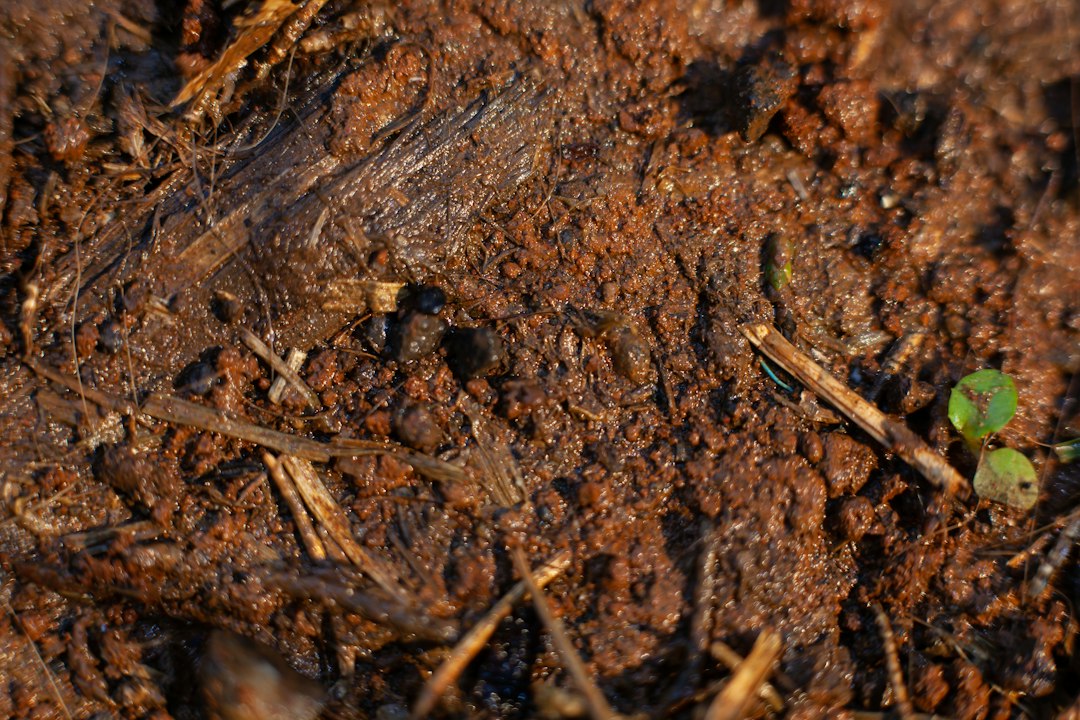
The discovery of ancient human footprints embedded in damp earth has sent ripples of excitement through the archaeological and anthropological communities. These fossilized impressions, painstakingly unearthed from a site rich in geological history, offer an unprecedented glimpse into the lives of our distant ancestors. More than mere curiosities, these footprints serve as direct evidence of early human presence, movement, and potentially even social interactions, providing invaluable data for understanding the trajectory of human evolution. The delicate nature of these impressions, preserved by a fortunate confluence of environmental conditions, allows scientists to study them with a level of detail previously thought impossible. The damp ground, acting as a natural mold, captured the fleeting moments of our ancestors’ passage, freezing them in time for millennia. This article will delve into the significance of these remarkable discoveries, exploring the geological context, the insights they provide into early human behavior, the scientific methods employed in their study, and the broader implications for our understanding of human history.
The Geological Canvas: A Tale of Preservation
The discovery of such fragile evidence hinges on a complex interplay of geological processes. The specific environment where these footprints were found played a crucial role in their preservation, transforming what would have been ephemeral traces into enduring geological records. Understanding this context is paramount to appreciating the significance of the find.
The Right Soil for the Job: Sedimentary Secrets
The substrate in which the footprints were imprinted is a key factor. Geologists have identified the soil as a fine-grained sediment, likely deposited in a low-energy environment such as a lakebed, a slow-moving riverbank, or a tidal flat. The dampness of the ground was essential; wet sediment is more pliable, allowing the weight and shape of a foot to create a clear impression. Dry, hard earth would have been far less accommodating to such delicate imprints. The fine grain of the sediment also contributed to the clarity of the impressions, minimizing distortion and allowing for intricate details of the foot to be captured. The subsequent rapid burial of these footprints by further layers of sediment was critical. This protective layer shielded the impressions from erosion, weathering, and the destructive forces of nature. Without this timely encapsulation, the sun, wind, rain, and subsequent geological events would have undoubtedly obliterated these ancient traces.
A Fortuitous Flood: The Seal of Time
Often, rapid inundation by water plays a significant role in the preservation of such footprints. A sudden flood, a storm surge, or a rise in water levels could have quickly covered the soft sediment bearing the footprints with a new layer of mud or silt. This subsequent deposition acted as a protective seal, preventing the impressions from drying out and collapsing, or being disturbed by subsequent activity. The water also helped to consolidate the sediment, making it more resistant to erosion over time. The geological layers above and below the footprint horizon further confirm the timeline of events. Radiometric dating of volcanic ash layers or other datable materials in the surrounding strata can provide a precise age range for the sediments, and thus for the footprints themselves. This precise dating is invaluable for placing these early human activities within a specific period of prehistory. The specific geological formations, whether they are lacustrine (lake) deposits, fluvial (river) deposits, or coastal sediments, paint a picture of the environment our ancestors inhabited, revealing the types of landscapes they navigated.
Environmental Clues: A Window to the Past Ecosystem
Beyond the preservation of the footprints themselves, the surrounding geological and paleontological evidence offers a wealth of information about the ancient environment. The presence of fossilized plant remains, pollen, or microfossils within the sediment layers can reconstruct the flora of the time, indicating whether the area was forested, grassland, or marshy. The discovery of animal fossils alongside the human footprints can provide insights into the fauna that coexisted with early humans, revealing potential prey species, predators, or even domesticated animals. This ecological context allows scientists to understand the resource base available to these early populations and the challenges they faced in their daily lives. The analysis of the sediment itself can reveal information about the climate at the time, such as evidence of wet or dry periods, temperature fluctuations, and even atmospheric conditions. This holistic approach, combining the study of the footprints with their geological and paleoenvironmental context, transforms a simple imprint into a rich narrative of ancient life.
Recent discoveries of ancient human footprints in damp ground have provided fascinating insights into the lives of our prehistoric ancestors. These footprints, preserved in sediment, offer a glimpse into their daily activities and interactions with the environment. For a deeper understanding of ancient human ingenuity, you can explore a related article that discusses remarkable engineering feats from the same era. Check it out here: Uncovering Ancient Engineering Marvels.
Decoding the Stride: Insights into Early Human Behavior
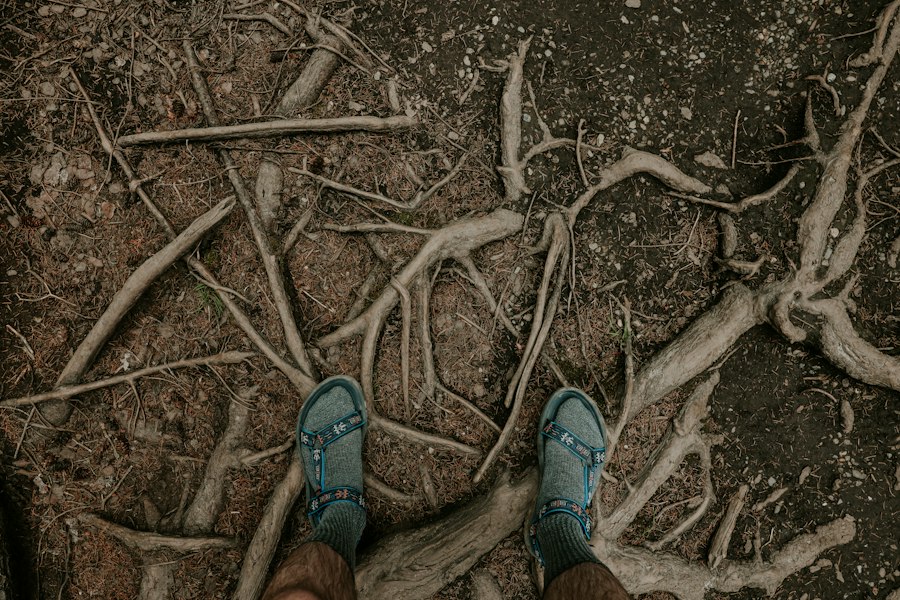
The footprints are not just static records; they are dynamic narratives etched in stone. By meticulously analyzing their size, shape, depth, and arrangement, scientists can infer a surprising amount about the individuals who made them and the activities they were engaged in. These impressions are silent witnesses to the daily lives of our ancestors, offering a direct, unmediated glimpse into their physical capabilities and social dynamics.
The Anatomy of an Impression: Size, Shape, and Gait
The dimensions of the footprints provide crucial data about the size and morphology of the individuals who left them. Measuring the length and width of each impression, and comparing them to known skeletal remains of early humans from similar time periods, allows for estimations of stature and body mass. The shape of the heel impression, the arch, and the toe splay can also offer clues about foot structure and how it evolved. Variations in these features can indicate different species or even different populations of early humans. Furthermore, the stride length – the distance between successive footprints of the same foot – and the step length – the distance between the heel of one foot and the heel of the other – reveal information about gait and locomotion. Longer strides might indicate efficient walking or running, while shorter, more shuffling gaits could suggest fatigue, injury, or a different mode of transport. The depth of the impressions can also be telling, with deeper prints suggesting greater weight or a more forceful impact, perhaps indicative of running or carrying heavy loads.
Recent discoveries of ancient human footprints in damp ground have shed light on the behaviors and movements of our prehistoric ancestors. These remarkable findings not only provide insight into early human life but also highlight the significance of environmental conditions in preserving such traces. For those interested in exploring advancements in technology that could enhance our understanding of ancient sites, an intriguing article discusses the potential of autonomous systems in various fields. You can read more about it in this related article.
Social Narratives in Sand: Group Dynamics and Interaction
The arrangement of multiple footprints can unlock insights into group behavior. If footprints are found in close proximity and appear to have been made by individuals walking together, it suggests social cohesion and cooperation. The presence of footprints of varying sizes within a group might indicate that children were present, or that individuals of different ages and physical capabilities were moving together. The directionality of the footprints can also be significant. If individuals are walking in the same direction, it suggests a purposeful movement, perhaps a migration, a hunt, or a journey to a specific destination. Conversely, if footprints are scattered or moving in different directions, it could imply individual foraging or a more chaotic movement. The discovery of footprints alongside those of animals could indicate hunting parties or avoidance behaviors. The meticulous mapping of the footprint site, documenting the spatial relationships between each impression, is a critical first step in unraveling these social narratives.
Evidence of Daily Life: Foraging, Travel, and Activity
The context in which the footprints are found, coupled with their analysis, can illuminate aspects of daily life. If the footprints lead to or from known resource areas, such as water sources or areas where food might have been abundant, it suggests their role in foraging or subsistence activities. The presence of footprints in specific geological features, like cave entrances or shelter sites, can indicate their use for dwelling or protection. The analysis of the sediment itself, as mentioned earlier, can provide clues about the surrounding environment, helping to infer whether the individuals were moving through forests, across plains, or along coastlines. Some rare discoveries have even included footprints showing evidence of dragging objects, carrying burdens, or even recreational activities, providing a richer and more nuanced picture of the lives of these ancient humans. The sheer diversity of interpretations that can be drawn from these seemingly simple impressions underscores their immense value as direct evidence.
The Scientist’s Toolkit: Unearthing and Analyzing Ancient Tracks

The extraction and analysis of ancient human footprints require a multidisciplinary approach, combining the expertise of geologists, paleontologists, archaeologists, and forensic scientists. Sophisticated techniques are employed to reveal, document, and interpret these fragile remnants of the past, ensuring their scientific integrity and maximizing the information they yield.
Gentle Excavation: Revealing the Past Without Damage
The initial stage of discovery and excavation is one of extreme delicacy. Archaeologists and paleontologists employ a range of tools and techniques to carefully remove the overburden – the layers of sediment above the footprint horizon – without damaging the delicate impressions. This often involves the use of small brushes, trowels, and even dental picks for the most detailed work. In some cases, water sluicing may be used to gently wash away loose sediment, but this must be done with extreme caution to avoid eroding the impression itself. Air scribes, often used in paleontological digs, can be employed for more precise removal of hardened sediment. The goal is to expose the footprints gradually, documenting their position and orientation at each stage of the excavation. Photographs and detailed 3D scans are taken continuously throughout the process to create a permanent record of the site as it is revealed. Protecting the exposed footprints from environmental damage, such as rain or direct sunlight, is also a critical concern during the excavation phase.
Documenting for Eternity: Mapping and Imaging Technologies
Once exposed, the footprints are meticulously documented using a variety of advanced imaging and mapping techniques. Photogrammetry, for instance, involves taking a series of overlapping photographs from different angles. Sophisticated software can then stitch these images together to create highly accurate 3D models of the footprints and their surrounding context. This not only provides a permanent digital archive but also allows for measurements and analysis to be performed virtually, minimizing the need for repeated physical interaction with the site. LiDAR (Light Detection and Ranging) technology, often used in aerial surveys, can also be employed to create detailed topographic maps of the excavation area, capturing subtle variations in elevation that might be missed by traditional methods. Laser scanning provides incredibly precise measurements of the depth and volume of the impressions. These advanced technologies ensure that the information contained within the footprints is preserved and accessible for future generations of researchers, even if the original site is subsequently impacted by natural processes or human activity.
Forensic Analysis: Bringing the Prints to Life
The analysis of the footprints draws heavily on techniques developed in forensic science. Measuring the dimensions of the prints – length, width, depth, and the distance between them – is crucial for estimating stature, estimating gait, and potentially even distinguishing between different individuals or species. The application of algorithms, originally developed for analyzing human footprints in crime scenes, can be used to calculate stride length, step length, and even infer running speeds. Microscopic examination of the sediment within the impressions can reveal residual organic material, pollen, or even tiny fossilized remains, providing further clues about the environment and the activities of the individuals. In some rare cases, chemical analysis of the sediment might reveal traces of minerals or compounds that indicate the type of footwear worn, if any, or the materials they were carrying. The comparison of these ancient prints with modern human footprints, as well as with footprints from other hominin species, is a vital part of the analytical process, helping to establish evolutionary relationships and identify distinct hominin groups.
Broader Implications: Rewriting Our Ancestral Story
The discovery of ancient human footprints carries profound implications that extend far beyond the specific site. These tangible records challenge existing theories, fill in crucial gaps in our understanding of human evolution, and inspire new avenues of research. They offer a direct connection to our past, grounding abstract theories in concrete evidence.
Filling the Gaps: A More Complete Evolutionary Picture
For decades, our understanding of early human evolution has been largely pieced together from fragmented fossil evidence – bones, teeth, and stone tools. While invaluable, these remnants offer only static snapshots of our ancestors. Footprints, on the other hand, provide dynamic evidence of movement, behavior, and interaction. They can confirm the presence of certain hominin species in specific geographical locations at particular times, corroborating or challenging existing models of migration and dispersal. They can shed light on the evolutionary development of bipedalism, revealing the efficiency and adaptations of early human locomotion. The discovery of footprints from previously unknown hominin groups can necessitate a revision of the human family tree, potentially adding new branches or reordering existing relationships. Each new set of footprints discovered is like a newly discovered page in the book of human history, offering fresh insights and a more complete narrative of our journey from our earliest ancestors to modern humans.
Rethinking Migration and Dispersal Patterns
The geographical distribution of ancient human footprints can significantly alter our understanding of how and when early humans spread across the globe. If footprints are found in regions where previous evidence was scarce or non-existent, it suggests that human migration routes were more extensive or occurred earlier than previously thought. For example, the discovery of early human footprints in unexpected locations can force a re-evaluation of the timing and pathways of dispersal out of Africa, or the routes taken to colonize continents like Europe and Asia. The analysis of the environmental context associated with these footprints can also reveal the adaptive strategies employed by early humans as they navigated diverse landscapes and climates, indicating their resilience and ingenuity in colonizing new territories. The patterns of movement, indicated by the arrangement and direction of footprints, can also offer clues about the scale and purpose of these migrations – whether they were driven by resource scarcity, population pressure, or exploration.
The Footprint of Social Complexity: Early Human Societies
The insights gained from the analysis of group footprints can revolutionize our understanding of early human social structures. Evidence of individuals walking together, perhaps carrying burdens or tending to younger members, suggests a level of social organization and cooperation that may have been underestimated. The presence of varied footprint sizes within a group could point to family units or communal activities. This direct evidence challenges the notion of early humans as solitary or loosely organized beings, instead painting a picture of more complex social dynamics. The discovery of shared campsites, indicated by clusters of footprints and associated artifacts, further supports the idea of communal living and shared responsibilities. These discoveries push back the timeline for the development of sophisticated social behaviors, suggesting that elements of community, cooperation, and even early forms of social planning were present much earlier in human history than previously assumed. The study of these ancient footprints offers a powerful new lens through which to examine the origins of human society.
