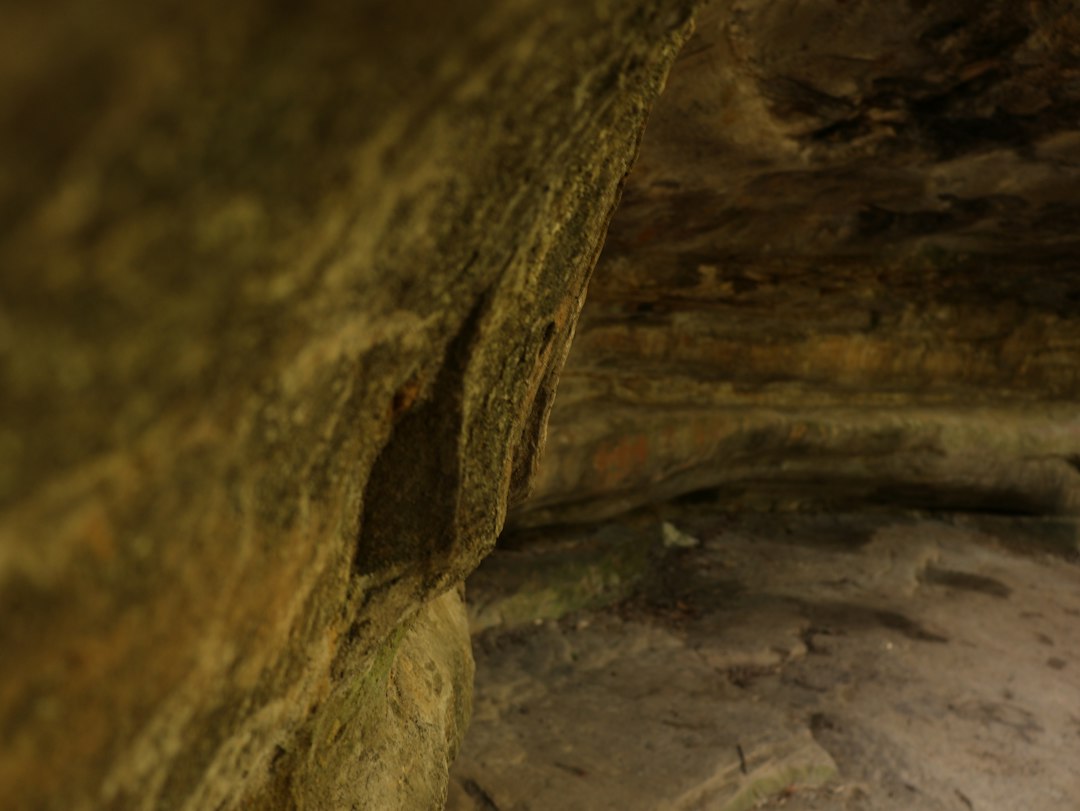
The wind, a timeless sculptor, has for millennia carved away at the face of the earth, leaving behind dramatic geological formations. Among these, the sheltered rock overhangs stand out not only for their imposing presence but for the invaluable historical and cultural treasures they preserve. These natural shelters, often found in rugged landscapes, possess an almost magical quality, offering a glimpse into the lives and thoughts of our ancient ancestors. They are more than just geological curiosities; they are silent witnesses to the dawn of human civilization, offering a unique and intimate connection to the past.
The Geological Canvas of Human Ingenuity
The very existence of rock overhangs is a testament to the slow, inexorable forces of nature. Understanding the geological processes that create these shelters is crucial to appreciating their role as historical repositories. These formations are not randomly distributed but are often found in specific geological contexts, dictated by the type of rock, erosion patterns, and climate.
The Art of Erosion: Sculpting Natural Sanctuaries
The primary architects of rock overhangs are weathering and erosion. Rain, wind, ice, and temperature fluctuations work tirelessly to break down rock surfaces. In many regions, sedimentary rocks like sandstone, limestone, and conglomerate are particularly susceptible to these processes. Their layered structure and varying degrees of hardness create differential weathering, where softer layers erode more quickly than harder ones, leading to the formation of alcoves and overhangs.
Rainwater, often carrying dissolved acids from atmospheric pollutants or decomposing organic matter, can slowly dissolve soluble minerals within the rock. Freeze-thaw cycles are another potent force. Water seeps into cracks, freezes, and expands, exerting pressure that widens the fissures. Repeated cycles can break off large chunks of rock. Wind, especially when carrying abrasive particles like sand, can also scour exposed surfaces, gradually shaping them into more rounded or undercut forms. Tectonic activity, while less directly responsible for the initial overhang formation, can create the fault lines and fractures that provide initial weaknesses for erosional processes to exploit. Over vast stretches of geological time, these forces combine to sculpt vast shelters, some capable of housing entire communities. The specific type of rock and the dominant erosional agents in a region will determine the size, shape, and longevity of these natural shelters.
Location, Location, Location: Strategic Shelters in the Landscape
The geological formation of overhangs is often intertwined with their strategic placement within the landscape. Ancient peoples, guided by an innate understanding of their environment, sought out these natural shelters for a variety of reasons. Their locations often provided not only protection from the elements but also vantage points for observing surroundings, access to water sources, and proximity to food supplies.
Overhangs are frequently found in areas with cliffs or escarpments, providing a ready-made ceiling and a degree of vertical protection. These locations often occur along rivers or coastlines, where erosion has carved into softer rock layers. The presence of a reliable water source nearby was paramount for survival, making overhangs situated near streams, springs, or lakes particularly attractive. Furthermore, the surrounding terrain often offered a rich ecosystem, with abundant flora and fauna that provided sustenance. Ancient hunters would have appreciated the ability to observe game from a concealed position, and gatherers would have benefited from the proximity to edible plants. The overhang itself could also serve as a natural defense, offering a defensible position against predators or rival groups. The careful selection of these sites by early humans underscores their intelligence and adaptability in utilizing the natural world to their advantage.
Sheltered rock overhangs have played a significant role in ancient history, serving as natural shelters for early humans and a canvas for prehistoric art. These formations not only provided protection from the elements but also became sites of social and cultural significance. For a deeper understanding of how ancient civilizations adapted to their environments, you can explore the article on the consequences of an attack on lunar bases, which draws parallels between ancient survival strategies and modern challenges. To read more, visit this article.
The Imprint of Humanity: Echoes from the Deep Past
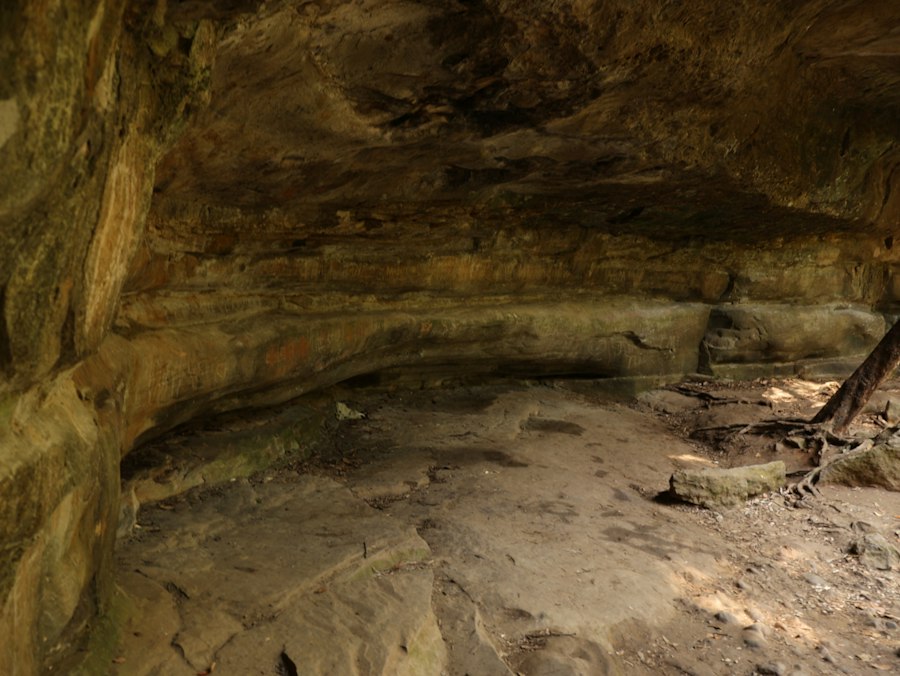
The most profound aspect of rock overhangs lies in their ability to preserve the traces of human activity. Protected from the ravشان of direct sunlight, rain, and wind, these sheltered environments act as natural time capsules, safeguarding artifacts, artwork, and organic remains that would otherwise have long since vanished.
Rock Art: Pictograms and Petroglyphs as Ancient Narratives
Perhaps the most visually striking evidence of human presence in rock overhangs is the prevalence of rock art. These paintings, drawings, and engravings are not merely decorative; they are sophisticated forms of communication, offering invaluable insights into the beliefs, rituals, and daily lives of ancient peoples.
The act of creating rock art was a deliberate and often complex undertaking. Pigments for paintings were derived from natural minerals such as ochre (iron oxides), charcoal, and plant extracts, painstakingly ground and mixed with binders like animal fat or egg whites. The application of these pigments could be done with fingers, brushes made from animal hair or plant fibers, or even by blowing the pigment through hollow reeds to create stencils. Petroglyphs, on the other hand, were created by pecking, carving, or abrading the rock surface with harder stones. The images themselves vary immensely, depicting animals – often prey animals like deer, bison, or horses – alongside human figures, abstract symbols, and geometric patterns.
The interpretation of these images remains a subject of ongoing research and debate. Some scholars believe they represent hunting magic, attempts to ensure successful hunts by depicting animals in a way that captures their spirit. Others see them as shamanistic visions, depicting the spiritual journeys of medicine men and women. Narratives of daily life, tribal histories, and mythological events are also strong possibilities. The sheer repetition of certain motifs across vast geographical distances suggests shared cultural beliefs and practices. The careful placement of these artworks within the overhang, sometimes in locations that are difficult to access, suggests they held significant ritualistic or symbolic meaning. These painted caves and rock shelters are, in essence, the oldest art galleries and storybooks of humanity.
Tools, Hearths, and Domestic Life: Everyday Objects in Sanctuary
Beyond the artistry, rock overhangs provide crucial archaeological evidence of the practical aspects of ancient human life. The accumulation of discarded tools, remnants of hearths, and even human remains offer a tangible connection to the daily routines and technological advancements of past societies.
Within the dry, sheltered environment of an overhang, organic materials that would normally decompose have a remarkable chance of preservation. This includes fragments of woven baskets, wooden tools, bone implements, and even preserved food scraps. The presence of hearths, often marked by layers of ash and charcoal, indicates that these overhangs were used for cooking and warmth. The analysis of these hearths can reveal the types of fuel used, the cooking methods employed, and the dietary habits of the occupants.
Lithic scatters, concentrations of stone flakes and discarded tools, are common finds. These reveal the process of tool manufacture, from the initial selection of raw materials to the knapping and shaping of stone into usable implements like scrapers, projectile points, and hand axes. The types of stone used and the techniques employed can provide insights into trade networks and technological diffusion. The discovery of animal bones near hearths offers direct evidence of diet and hunting practices. The analysis of these bones can reveal the species hunted, the age and sex of the animals, and how they were butchered and consumed. In some rare instances, complete skeletal remains have been found, offering invaluable data on the physical characteristics, health, and burial practices of ancient populations. These humble artifacts, often overlooked, collectively paint a vivid picture of survival and ingenuity in prehistoric times.
Preserving the Past: Challenges and Methodologies
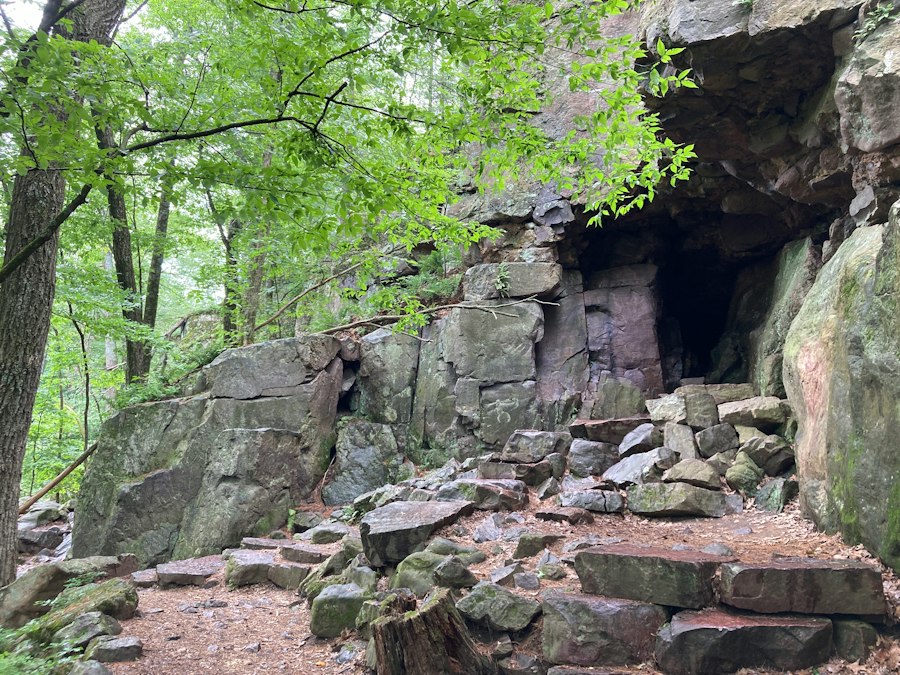
The very qualities that make rock overhangs valuable repositories of history also make them fragile and susceptible to damage. Protecting these sites from degradation, both natural and human-induced, is a critical endeavor for safeguarding our shared heritage.
The Scourge of Time and the Elements: Natural Deterioration
Despite their protective nature, rock overhangs are not immune to the ravitudes of time and natural forces. Understanding these ongoing processes is essential for implementing effective conservation strategies.
The slow, persistent action of water remains a significant threat. Seepage through cracks in the rock can carry dissolved minerals that, upon evaporation, leave behind salts that can crystallize and exert pressure, causing the rock to spall or flake. In humid environments, moisture can foster the growth of algae, lichens, and mosses on the rock surface, which can etch and degrade the rock over time. These biological growths can also obscure or damage delicate rock art. Temperature fluctuations, especially freeze-thaw cycles, continue to play a role, exacerbating existing cracks and weakening the rock structure. Physical erosion, though slowed by the overhang’s protection, can still occur through wind-blown dust and the gradual disintegration of the rock itself. The collapse of parts of the overhang, due to geological instability or the weakening of support structures, is also a constant concern. Protecting the immediate environment around an overhang, such as controlling water runoff and preventing invasive plant growth, can help mitigate some of these natural threats.
The Human Factor: Threats and the Need for Responsible Stewardship
While nature poses a steady threat, human activities often present more immediate and significant dangers to rock overhang sites. Uncontrolled tourism, vandalism, and inappropriate development can lead to irreversible damage.
The allure of rock art and ancient shelters can draw large numbers of visitors. Without proper management, foot traffic can lead to soil erosion, and the touching of rock surfaces can transfer oils and moisture, damaging delicate paintings and engravings. Vandalism, including graffiti and the removal of artifacts, is a direct assault on these historical treasures. The desire for development, whether for infrastructure, housing, or tourism facilities, can encroach upon sensitive archaeological areas, leading to habitat destruction and the accidental or intentional destruction of sites. Loosely regulated archaeological excavation, conducted without proper methodology, can also damage the stratigraphy and context of a site, diminishing its scientific value. The presence of modern pollutants, such as air pollution, can also contribute to the deterioration of rock surfaces and the pigments used in rock art. Therefore, responsible stewardship, involving regulated access, educational programs, and stringent protection measures, is paramount.
Conservation Techniques: Safeguarding the Legacy
A multidisciplinary approach is essential for the effective conservation of rock overhang sites. Archaeologists, geologists, conservators, and local communities must collaborate to develop and implement appropriate strategies.
Scientific documentation is the first step. This involves detailed mapping, photography, and 3D scanning of the site, creating a comprehensive record before any intervention. Non-invasive survey techniques are often employed to understand the site’s context and identify potential threats. For rock art conservation, cleaning techniques must be extremely gentle. In some cases, consolidants may be applied to stabilize flaking pigments or rock surfaces, but these must be carefully chosen to be compatible with the original materials and reversible if possible. Environmental monitoring is crucial, measuring temperature, humidity, and air quality to understand the microclimate and identify potential risks. Fencing and controlled access are vital to protect sites from vandalism and unregulated tourism. Educational initiatives aimed at local communities and visitors can foster a sense of ownership and responsibility, encouraging active participation in site protection. In some instances, “no-touch” policies and interpretive signage are implemented to guide visitors and minimize their impact. The ultimate goal is to ensure that these invaluable windows into our past remain accessible for future generations to learn from and appreciate.
Beyond the Art: Cultural Significance and Enduring Legacies
The impact of rock overhangs extends far beyond their archaeological and artistic significance. They are deeply embedded in the cultural landscapes of communities, influencing their identity, traditions, and spiritual beliefs.
Ancestral Homes and Sacred Spaces: Continuity and Connection
For many Indigenous communities, rock overhangs are not merely historical sites but living connections to their ancestors. These places often hold profound spiritual significance, serving as sacred spaces where rituals are performed and ancestral knowledge is passed down.
These overhangs are often considered the original homelands, the places where the first people emerged or where significant events in their creation stories occurred. The rock art within them is not seen as mere decoration but as a living testament to the spiritual world, a dialogue with the ancestors. Many Indigenous traditions maintain oral histories that connect specific rock formations and paintings to particular clans, lineages, or historical events. The act of visiting these sites can be a pilgrimage, a way to reconnect with the land and the spirits of the past. They are places of healing, of ceremony, and of learning. The artwork may also serve as a guide to medicinal plants, water sources, or sacred routes. The preservation of these sites is therefore not just a matter of protecting artifacts, but of safeguarding cultural continuity and the spiritual well-being of a people. This connection underscores the importance of Indigenous knowledge in understanding and protecting these precious resources.
Tourism and Education: Bridging the Gap Between Past and Present
The unique appeal of rock overhangs has led to their increasing integration into tourism and educational programs. When managed responsibly, these initiatives can foster appreciation for ancient cultures and contribute to local economies.
Sites with well-preserved rock art and significant historical context are becoming popular tourist destinations. This can bring much-needed economic benefits to local communities through employment in guiding, hospitality, and craft industries. However, it is crucial that tourism is developed in a sustainable and culturally sensitive manner. Overcrowding, inappropriate infrastructure development, and the commodification of sacred sites can be detrimental. Educational tourism, on the other hand, offers a powerful opportunity to connect people with the past. Guided tours led by knowledgeable individuals, often from Indigenous communities themselves, can provide in-depth insights into the history, art, and cultural significance of these sites. Museums and interpretive centers located near prominent overhangs can further enhance the visitor experience, providing context and showcasing replicas or protected artifacts. By carefully balancing visitation with preservation, rock overhangs can serve as powerful tools for cultural exchange and education, fostering a deeper understanding and respect for the diverse tapestry of human history.
Sheltered rock overhangs have played a significant role in the ancient history of human habitation, serving as natural shelters for early communities. These formations not only provided protection from the elements but also offered a canvas for prehistoric art, revealing insights into the lives of our ancestors. For a deeper understanding of how environmental factors influenced ancient civilizations, you might find it interesting to read about the impact of climate on societal changes in the article on the Bronze Age Collapse, which can be found here.
The Ongoing Dialogue: Unlocking Future Discoveries
| Site Name | Location | Estimated Age (Years) | Significance | Notable Findings |
|---|---|---|---|---|
| Blombos Cave | South Africa | ~100,000 | Early evidence of symbolic behavior | Engraved ochre, shell beads |
| Chauvet Cave | France | ~36,000 | Oldest known cave paintings | Animal murals, footprints |
| Bhimbetka Rock Shelters | India | ~30,000 | Continuous human habitation evidence | Prehistoric rock art, tools |
| Altamira Cave | Spain | ~35,000 | Upper Paleolithic cave paintings | Polychrome bison paintings |
| Kimberley Rock Shelters | Australia | ~17,000 | Indigenous Australian rock art | Bradshaw paintings (Gwion Gwion) |
The study of rock overhangs is an ever-evolving field. As new technologies emerge and our understanding of ancient cultures deepens, these silent witnesses continue to reveal their secrets, enriching our knowledge of humanity’s journey.
Advances in Technology: New Lenses on Ancient Lives
Modern scientific and technological advancements are revolutionizing the way we study rock overhangs, allowing us to extract more information than ever before from these ancient sites.
High-resolution digital photography and photogrammetry are enabling the creation of incredibly detailed 3D models of rock art and overhang structures. These models can be used for precise documentation, analysis of spatial relationships, and even for virtual reconstructions. Pigment analysis using techniques like X-ray fluorescence (XRF) and Raman spectroscopy can identify the exact mineral composition of ancient paints and engravings without damaging the original artwork. This provides insights into trade networks and the availability of resources. Geoarchaeological techniques, such as soil analysis and sediment dating, can help reconstruct the environmental conditions and human occupation layers within an overhang, providing a chronological framework for activities. Isotope analysis of human and animal remains can reveal dietary habits, migration patterns, and even geographical origins. DNA analysis, when possible, can shed light on kinship structures and population movements. These technological tools are not replacing traditional archaeological methods but are augmenting them, allowing for a more nuanced and comprehensive understanding of the past.
A Global Tapestry: Comparing and Connecting Cultures
The study of rock overhangs is not confined to isolated sites; it is a global endeavor that allows for the comparison and connection of ancient cultures across vast distances.
Similar patterns of rock art motifs, tool technologies, and settlement strategies can be observed in overhangs on different continents, suggesting either independent invention or ancient cultural diffusion. For instance, the presence of hand stencils, a common motif in rock art worldwide, sparks questions about shared symbolic meanings or communication methods. Comparing the styles of animal depictions, the representation of human figures, and the types of abstract symbols found in different regions can reveal underlying shared beliefs or distinct cultural adaptations. This comparative approach helps to identify universal aspects of human cognition and expression, as well as the diverse ways in which different societies interacted with their environments and developed their unique cultural identities. The ongoing discovery of new rock overhang sites around the world continues to expand this global tapestry, challenging existing theories and opening up new avenues for research into the shared origins and divergent paths of human civilization.
The Future of Revelation: Unanswered Questions and Emerging Insights
Despite centuries of research, rock overhangs continue to pose intriguing questions, promising further revelations about our ancient past. The ongoing dialogue between researchers and these timeless shelters ensures that their stories will continue to unfold for generations to come.
The precise meaning and function of many rock art symbols remain elusive. Future research may uncover contextual clues or comparative evidence that unlocks these ancient narratives. The chronological dating of many sites, particularly in regions with less well-preserved stratigraphy, is an ongoing challenge, hindering our ability to precisely sequence cultural developments. Advances in dating methodologies will be crucial. Understanding the full extent of human migration and interaction in prehistoric times, as evidenced by rock overhang settlements, is another frontier. The discovery of previously unknown sites, particularly in remote or inaccessible regions, holds the promise of entirely new insights into human ingenuity and cultural diversity. Furthermore, the impact of climate change on these fragile sites is a growing concern, necessitating urgent research into adaptation and mitigation strategies. The conversation with our ancestors, etched in stone within these sheltered rock overhangs, is far from over; it is a dialogue that promises to continue to shape our understanding of who we are and where we come from.