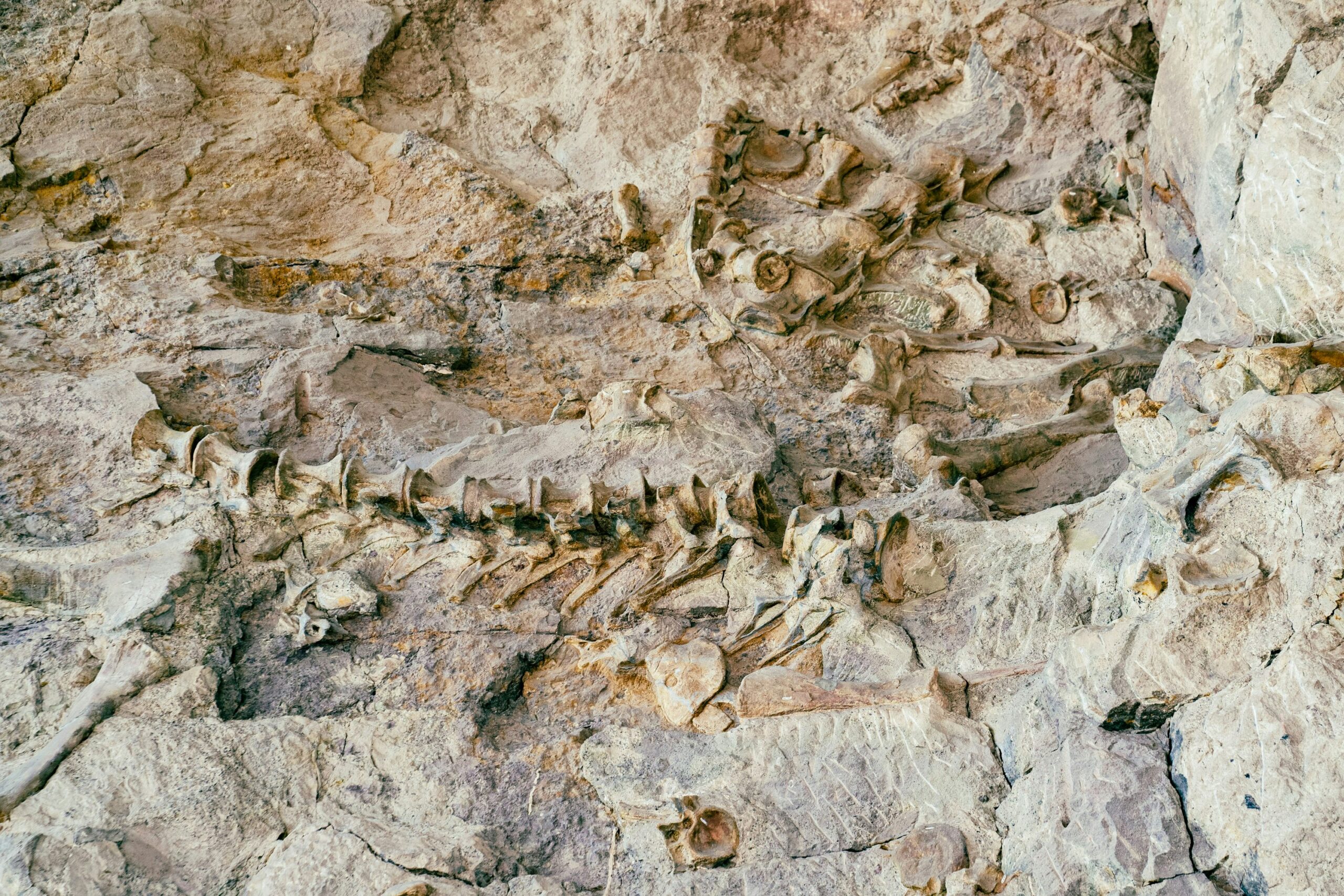
The human fascination with the past often leads us to examine the remnants of ancient life, and animal bones, in particular, offer a rich tapestry of information. Among the myriad structures found within these skeletal remains, the subtle curvature of ribs stands out as a feature imbued with significant functional, evolutionary, and even cultural importance. Archaeological investigations have increasingly focused on these seemingly simple bones, revealing how their shape and arrangement played a crucial role in the survival and diversity of countless species. From the robust thoracic cages of large herbivores to the delicate, arched ribs of small mammals, the geometry of these structures is not arbitrary but a testament to the intricate interplay between biology and environment. Understanding these curved ribs in animal bone structures through the lens of archaeology allows us to reconstruct past ecosystems, infer biomechanical adaptations, and even appreciate the deep evolutionary history that shaped the animal kingdom.
The Biomechanics of Curved Ribs
The inherent curvature of ribs is far more than a mere aesthetic choice of nature; it is a fundamental design element that underpins critical physiological functions. This architectural principle allows for a dynamic yet protective thoracic cavity, essential for respiration, locomotion, and defense. Archaeological discoveries of fossilized skeletons and analyses of ancient bone fragments provide invaluable insights into the functional advantages conferred by these curved structures across a vast array of species throughout prehistory.
Respiration and Thoracic Expansion
The primary function of ribs, whether straight or curved, is to form the thoracic cage, a protective enclosure for vital organs like the heart and lungs. However, the curvature of the ribs significantly enhances their role in respiration. When an animal inhales, the intercostal muscles contract, pulling the ribs upwards and outwards. This movement, facilitated by the angled and curved nature of the ribs, causes the thoracic cavity to expand in volume. The outward and upward swing of each curved rib acts like the opening of a bellows, drawing air into the lungs. Archaeological studies of comparative anatomy preserved in ancient remains demonstrate how different degrees of curvature correlate with respiratory demands. For instance, fossils of highly active prehistoric predators often exhibit more pronounced rib curvature, suggesting a greater capacity for lung expansion and thus higher oxygen intake necessary for sustained pursuit and combat. Conversely, species adapted to low-oxygen environments or those with more sedentary lifestyles might display less pronounced curvature. The ability of the thoracic cage to expand and contract efficiently is directly linked to the flexibility and inherent curvature of the ribs, allowing for deeper and more frequent breaths.
Protection and Impact Absorption
Beyond their role in breathing, curved ribs act as a sophisticated shock-absorbing system. The arched form distributes impact forces over a wider area, preventing direct trauma to the delicate internal organs. Imagine a large herbivore being gored by a predator or a smaller creature falling from a height; the curved ribs can flex and absorb a significant portion of the kinetic energy, dissipating it through the interconnected structure of the rib cage. Archaeological evidence, such as fossilized skeletons with healed fractures, offers direct proof of the protective capacity of these structures. The patterns of fracture and subsequent bone remodeling can reveal how the ribs, by virtue of their curvature, were able to withstand considerable force and allow for survival and recovery. The elasticity inherent in the curved shape allows the ribs to bend rather than break under stress, a crucial adaptation for animals living in environments with constant threats of physical injury. The precise angle and radius of curvature likely evolved in response to the typical predatory pressures and environmental hazards faced by different species, making the rib cage a dynamic shield.
Locomotion and Postural Support
The thoracic cage, formed by the ribs, also plays a vital role in supporting the body’s posture and facilitating locomotion. The rib cage anchors the pectoral girdle, providing a stable base for limb movement, particularly in quadrupeds. The curvature of the ribs contributes to the overall rigidity and strength of the torso, allowing for efficient transfer of power during running, jumping, and other movements. In arboreal animals, the flexibility and curvature of the ribs may also contribute to maneuverability and balance as they navigate through branches. Archaeological interpretations of fossilized skeletons can illuminate these connections. For example, the width and depth of the thoracic cavity, directly influenced by the extent of rib curvature, can provide clues about an animal’s primary mode of locomotion. A deep, barrel-shaped chest, indicative of significant rib curvature, might suggest a powerful stride and endurance, characteristic of many large mammals. Conversely, a more flattened or elongated rib cage might be associated with different types of movement, such as gliding or flight, where different biomechanical principles are at play. The interplay between the musculature attached to the ribs and their curved geometry is crucial for efficient biomechanics.
Recent archaeological studies have shed light on the significance of curved ribs in animal bone structures, revealing insights into ancient hunting practices and animal domestication. These findings are crucial for understanding the relationship between early humans and their environment. For a broader perspective on how strategic planning, akin to that seen in archaeology, plays a role in contemporary contexts, you might find this article on lunar strategy by the United States Space Forces interesting: United States Space Forces Lunar Strategy.
Evolutionary Drivers of Rib Curvature
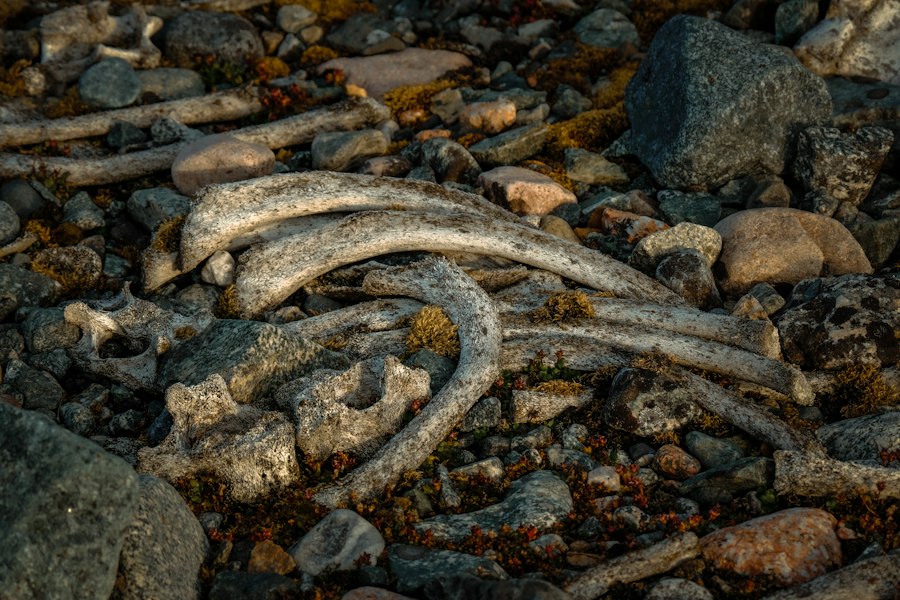
The diversity of rib curvature observed across the animal kingdom is a testament to the power of natural selection, shaping these skeletal elements to suit the specific ecological niches and lifestyles of different species. Archaeological findings, by providing a temporal dimension to these adaptations, allow us to trace the evolutionary trajectory of rib morphology and understand the selective pressures that favored certain curvatures over others.
Adaptation to Environmental Pressures
Throughout prehistory, animals have faced a multitude of environmental challenges, from changes in climate and habitat to the emergence of new predators and prey. Rib curvature has evolved as a key adaptation to these pressures. For instance, as larger terrestrial mammals evolved, the need for a robust thoracic cage to support increased body mass and facilitate efficient locomotion became paramount. This likely drove the development of more pronounced rib curvature, creating a wider and deeper chest that could house larger lungs and provide a more stable frame. Archaeological evidence from different geological periods can reveal gradual shifts in rib morphology within evolving lineages, correlating with major environmental changes. The discovery of skeletal remains from periods of significant climatic upheaval might showcase adaptations in rib structure that allowed species to thrive in new conditions, perhaps by enhancing thermoregulation through increased lung capacity or by providing greater protection against novel predators.
Respiratory Demands and Lifestyle
The metabolic rate and respiratory demands of an animal are intrinsically linked to its lifestyle and thus its rib structure. Highly active animals, such as prehistoric predators or swift herbivores, typically possess larger lung capacities to support sustained physical exertion. This often translates to a more barrel-shaped thoracic cavity, achieved through significant rib curvature. Conversely, animals with lower metabolic rates or those adapted to environments with limited oxygen availability may exhibit less pronounced rib curvature, as the need for extensive lung expansion is reduced. Archaeological analysis of skeletal remains can provide strong inferential evidence for these connections. For example, comparing the rib morphology of fossilized species known for their predatory behavior with those of more sedentary herbivores can highlight distinct evolutionary pathways driven by differing respiratory needs. The shape of the thoracic inlet and outlet, dictated by the arrangement of the ribs, can also offer clues about the efficiency of airflow and the potential for aerobic capacity.
The Role of Flight and Aquatic Environments
The evolution of flight and life in aquatic environments have presented unique challenges and opportunities for rib morphology. Birds, for instance, have highly specialized rib cages adapted for flight. While some avian ribs possess uncinaked processes that aid in the rigidity of the thoracic cage during flapping, the overall curvature is optimized for aerodynamic efficiency and the support of powerful flight muscles. Fossil birds preserved in archaeological contexts offer direct evidence of these adaptations. Similarly, aquatic mammals, such as prehistoric cetaceans and pinnipeds, have evolved rib cages that are streamlined for efficient swimming. While not as pronounced as in terrestrial mammals, the curvature of their ribs contributes to the overall hydrodynamic shape of the body and aids in the efficient propulsion through water. Studying fossilized marine mammal skeletons can reveal how rib morphology has adapted to reduce drag and maximize maneuverability in an aquatic environment, showcasing the remarkable plasticity of skeletal evolution.
Archaeological Methods for Studying Curved Ribs
The study of curved ribs in ancient animal bone structures relies on a combination of meticulous excavation, detailed osteological analysis, and increasingly, sophisticated imaging and modeling techniques. Archaeologists employ a range of methods to extract meaningful data from these skeletal remains, piecing together the functional and evolutionary narratives encoded within their form.
Excavation and Preservation Techniques
The initial stage of any archaeological study involving animal bones is careful excavation. This process aims to recover skeletal elements intact and in their original context, minimizing damage and contamination. Specialized tools and techniques are employed, such as fine brushes, dental picks, and trowels, to carefully expose and lift fragile bone fragments. The paleoenvironmental conditions at the excavation site play a crucial role in bone preservation. Sites with stable soil conditions, low acidity, and limited exposure to waterlogging or extreme temperature fluctuations are more likely to yield well-preserved skeletal material. Archaeological teams meticulously document the exact location and stratigraphic layer of each bone fragment, providing vital contextual information about its age and association with other artifacts or faunal remains. Preservation techniques, such as consolidants or protective casing, may be applied in situ or during transport to the laboratory to prevent further deterioration of delicate or fractured bones, including those exhibiting rib curvature.
Osteological Analysis and Morphometrics
Once excavated and cleaned, the animal bone fragments undergo detailed osteological analysis. This involves macroscopic examination of the bone’s surface, noting features such as texture, porosity, presence of taphonomic alterations (e.g., gnawing marks, weathering), and evidence of pathology (e.g., healed fractures). For ribs, specific attention is paid to their curvature, thickness, length, and the presence of articular surfaces for articulation with the vertebrae and sternum. Morphometric analysis involves taking precise measurements of the ribs, such as the chord length (the straight-line distance between the ends of the curve), the arc length (the actual length of the curved bone), and the height of the curvature. These quantitative data allow for objective comparisons between different individuals, species, and time periods. Statistical analysis of these measurements can reveal significant differences in rib morphology and inform interpretations about biomechanics and evolutionary trends.
Comparative Anatomy and Functional Morphology
A cornerstone of archaeological interpretation is the use of comparative anatomy. By comparing the curved ribs of ancient specimens with those of their modern-day relatives or other extant species with known functional adaptations, archaeologists can infer the biomechanical roles and selective pressures that shaped the ancient bones. For example, if a fossilized rib exhibits a curvature similar to that of a modern-day gazelle known for its speed, it strongly suggests that the ancient creature likely possessed similar locomotory adaptations. Functional morphology, a sub-discipline of biomechanics, focuses on understanding the relationship between an organism’s form and its function. This involves analyzing how the shape and arrangement of bones, in conjunction with musculature and other soft tissues, contribute to movement, support, and survival. By applying principles of physics and engineering to the skeletal structures, archaeologists can create models that simulate how the curved ribs would have functioned during respiration, locomotion, and in response to impact.
Advanced Imaging and Reconstruction Techniques
Modern archaeological research increasingly benefits from advanced imaging technologies. Computed Tomography (CT) scanning and Magnetic Resonance Imaging (MRI) allow for non-destructive examination of internal bone structures, revealing details of trabecular bone patterns, medullary cavities, and any subtle internal damage or remodeling. These techniques are invaluable for studying exceptionally fragile or embedded specimens. 3D scanning and photogrammetry are used to create digital models of individual rib fragments or entire skeletal reconstructions. These digital models can then be subjected to virtual manipulation, allowing for the creation of accurate anatomical reconstructions, biomechanical simulations, and virtual dissections. This enables detailed analysis of how the curvature of ribs would have affected the overall shape and function of the thoracic cage without the need for further manipulation of the delicate physical specimens, thus preserving them for future study.
Cultural Significance and Human Interactions
The interaction between humans and animals extends far beyond the biological realm, encompassing deep cultural connections that are often reflected in the archaeological record. Animal bones, including their curved ribs, have served as important resources, symbolic objects, and indicators of past human activities, offering a unique window into the human relationship with the natural world throughout history.
Animal Remains as Food and Resources
For prehistoric human populations, animal bones were an integral part of their subsistence strategies, primarily as a source of protein and fat. Archaeological sites frequently yield vast quantities of butchered animal bones, providing evidence of hunting, scavenging, and early forms of animal husbandry. The curved ribs of various animals were a valuable part of the carcass, providing meat for consumption and marrow for its nutritional content. The study of cut marks on ribs, their fragmentation patterns, and the distribution of skeletal elements at a site can reveal how humans processed and utilized these resources. For instance, differential breakage patterns of ribs might indicate specific butchery techniques employed to access marrow or to facilitate transport. The presence of large quantities of rib bones from specific species at a settlement can also indicate preferred prey or successful hunting strategies over time.
Symbolic and Ritualistic Uses of Ribs
Beyond their utilitarian value, animal ribs have held profound symbolic and ritualistic significance for many human cultures. The distinctive shape and often prominent location of ribs within the body may have contributed to their use in spiritual practices, adornments, or as cultural markers. Archaeological discoveries have unearthed instances where animal ribs have been intentionally modified or incorporated into artifacts. These could include amulets, decorative items, or even components of musical instruments. The curvature of the ribs might have lent itself to particular artistic interpretations or practical applications. For example, the flaring shape of certain ribs could have been adapted for use as scrapers or tools. In some cultures, specific animals and their skeletal elements, including ribs, may have been associated with particular deities, spirits, or cosmological beliefs, and their presence in burials or ritualistic deposits provides crucial insights into these belief systems.
Animal Husbandry and Domestication
The advent of animal husbandry and domestication marked a significant shift in human-animal relationships, and the skeletal remains of these domesticated species offer tangible evidence of this transition. As humans began to selectively breed animals for specific traits, subtle changes in skeletal morphology, including rib structure, could have occurred over generations. While direct evidence of specific selection for rib curvature in early domestication is rare, changes in body size and overall robustness within domesticated lineages, as evidenced by their skeletal remains, would have influenced rib morphology. Archaeological analysis of faunal remains from early agricultural sites can reveal differences in the relative proportions of animal species present, herd management practices, and the processing of animal products. The types of animals being raised and the way their carcasses were utilized, including the consumption or disposal of their ribs, can shed light on the developing patterns of human-animal interdependence.
Bioarchaeological Insights into Past Diets and Health
The analysis of animal bone, including ribs, provides invaluable bioarchaeological data about the diets and health of past human populations. Stable isotope analysis of bone collagen, for instance, can reveal the relative proportions of marine versus terrestrial foods consumed by both humans and the animals in their environment, offering insights into food webs and resource utilization. The condition of animal ribs can also indicate the health and nutritional status of the animals themselves. Evidence of diseases, parasites, or nutritional deficiencies visible in the bone structure can provide a broader understanding of the ecological factors that affected animal populations and, by extension, the food security and health of the humans who relied on them. For example, a prevalence of stressed or diseased animal ribs in an archaeological assemblage might correlate with periods of environmental hardship that also impacted human health.
Recent studies in archaeology have shed light on the significance of curved ribs in animal bone structures, revealing insights into the dietary habits and environmental adaptations of ancient species. These findings are crucial for understanding the evolutionary processes that shaped various animal forms. For a deeper exploration of how economic factors can influence archaeological research and the preservation of such findings, you can read more in this article on the worst-case economic scenarios that could impact future archaeological endeavors. Check it out here.
Future Directions in the Study of Curved Ribs
| Metric | Description | Typical Values | Significance in Archaeology |
|---|---|---|---|
| Curvature Radius (mm) | Radius of curvature of the rib bone | 30 – 80 mm | Helps identify species and rib function |
| Rib Length (cm) | Length from vertebral end to sternal end | 10 – 40 cm | Used to estimate animal size and age |
| Bone Thickness (mm) | Cross-sectional thickness of rib bone | 2 – 8 mm | Indicates robustness and possible load bearing |
| Degree of Curvature (degrees) | Angle formed by the curved rib segment | 45° – 120° | Distinguishes between species and rib position |
| Surface Modification | Presence of cut marks, weathering, or burning | Cut marks: present/absent; Weathering: stages 0-5 | Indicates human activity or taphonomic processes |
| Species Identification | Animal species inferred from rib morphology | Deer, Bison, Boar, Horse, etc. | Reconstructs past environments and human diet |
The ongoing advancements in archaeological methodologies and interdisciplinary research promise to unlock even deeper insights into the functional and evolutionary significance of curved ribs in animal bone structures. The integration of new technologies and analytical approaches will undoubtedly lead to a more nuanced understanding of these fundamental skeletal elements.
Computational Modeling and Simulation
The increasing power of computational modeling and simulation techniques holds immense potential for further unraveling the biomechanics of curved ribs. Researchers can develop sophisticated finite element analysis (FEA) models that precisely simulate the stresses and strains experienced by rib cages under various conditions, from breathing to impact. These simulations can help to quantify the relative contributions of curvature, thickness, and material properties to the overall strength and resilience of the thoracic cage. By comparing simulation results with archaeological data from fossilized specimens, researchers can validate their models and gain a more accurate understanding of the functional adaptations of extinct species. Furthermore, virtual reality (VR) and augmented reality (AR) technologies could enable immersive experiences for exploring and interacting with 3D reconstructed skeletal elements, facilitating new avenues for research and public engagement.
Isotopic and Molecular Analyses
While traditionally applied to human remains, isotopic and molecular analyses are increasingly being applied to ancient animal bones, including ribs, to glean information about diet, migration, and even disease. Stable isotope analysis can reveal detailed dietary patterns, as mentioned previously, but can also be used to trace the origins of animals or to understand seasonal movements. Ancient DNA (aDNA) analysis, though often challenging with degraded bone, can provide insights into the genetic relationships between ancient animal populations and their modern counterparts, shedding light on evolutionary pathways and the genetic basis of morphological traits like rib curvature. Furthermore, the study of ancient proteins (proteomics) can offer a more resilient alternative to DNA analysis for inferring evolutionary relationships and even identifying ancient pathogens that may have affected bone health, as seen in some curved ribs.
Paleopathology and Disease Reconstruction
The study of paleopathology in animal bones, including ribs, offers a crucial avenue for understanding animal health and disease in past ecosystems. Evidence of skeletal lesions, infections, or developmental anomalies in fossilized ribs can reveal the prevalence of specific diseases and their impact on animal populations. This information is not only vital for understanding animal biology but also for reconstructing broader paleoenvironmental conditions, as disease outbreaks can be influenced by factors such as climate, resource availability, and predator-prey dynamics. By identifying patterns of skeletal pathology in curved ribs across different species and time periods, researchers can gain a more comprehensive picture of the health challenges faced by ancient fauna and their potential implications for human populations that relied on them.
Interdisciplinary Collaborations and Big Data
The future of studying curved ribs in animal bone structures will undoubtedly be characterized by increasingly robust interdisciplinary collaborations. The integration of expertise from archaeology, paleontology, biomechanics, evolutionary biology, computer science, and materials science will be essential for tackling complex research questions. The burgeoning field of “big data” analytics, applied to large archaeological datasets of animal remains, will also play a significant role. Sophisticated algorithms can be employed to identify subtle patterns and correlations in vast amounts of morphometric, taphonomic, and contextual data, potentially revealing novel insights into the evolution and function of rib morphology that might be missed through traditional analytical methods. The synthesis of information from diverse sources promises a more holistic and profound understanding of the significance of curved ribs in the grand narrative of life on Earth.