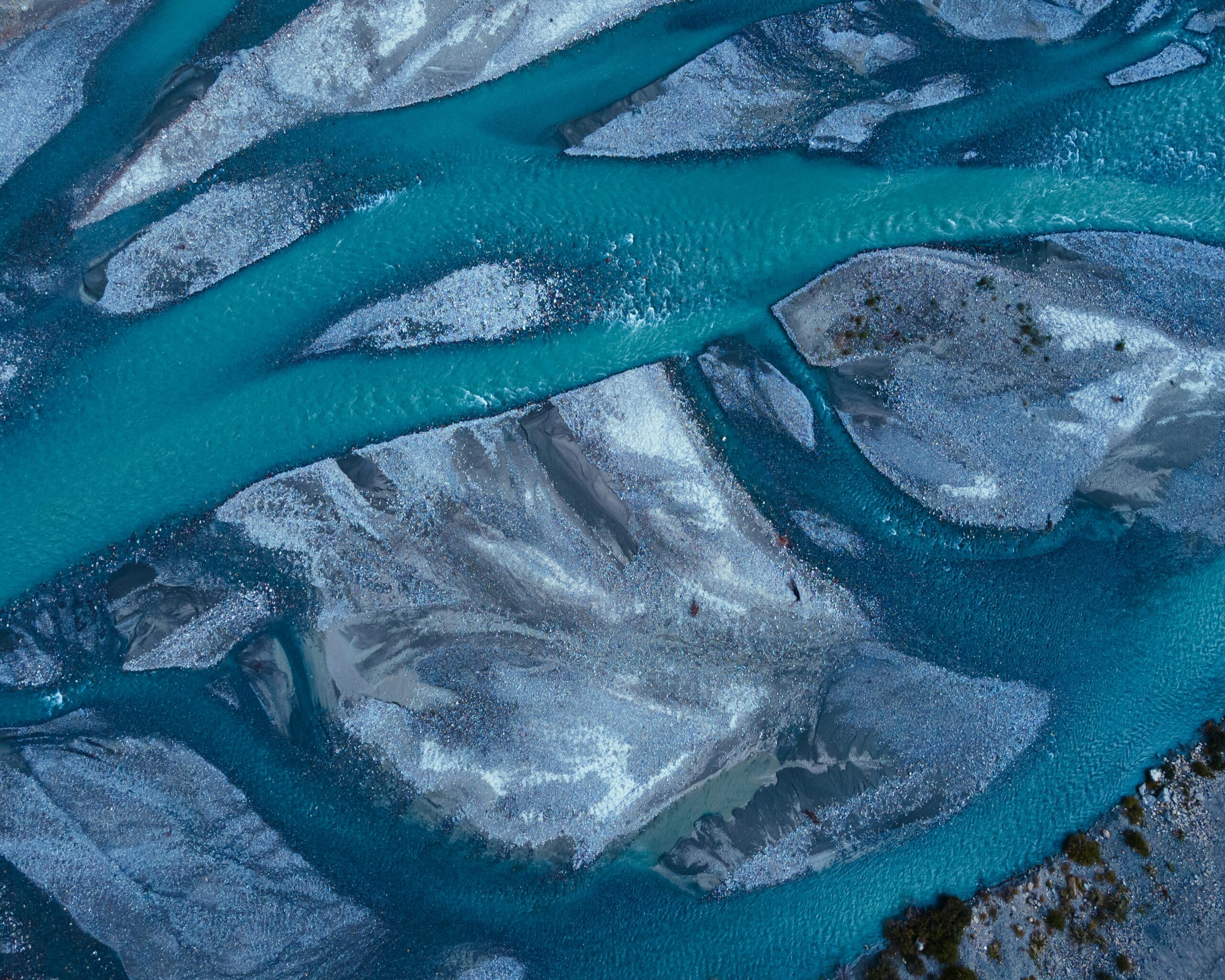
The relentless advance and retreat of glaciers have sculpted landscapes for millennia, but their impact extends far beyond topography. As these frozen titans shrink, they reveal not only altered terrain but also the hidden narratives of human history. Glacial meltwater river systems, born from this receding ice, are emerging as crucial corridors for archaeological discovery, offering a unique window into past human presence in often remote and challenging environments. These dynamic waterways, constantly reshaping their beds and banks, are acting as natural excavators, eroding ancient deposits and exposing artifacts and even organic remains that have been preserved for centuries, even millennia, by the cold and stable conditions of glacial environments.
The Ephemeral Archives of the Melting Ice
The very nature of glacial environments makes them exceptionally sensitive indicators of climate change. For archaeologists, this sensitivity translates into a fleeting opportunity. As glaciers melt, they expose landscapes that have been locked away for extended periods. The rivers and streams that form from this meltwater act as dynamic agents of erosion and deposition. They can uncover previously buried archaeological sites, transport artifacts downstream, and deposit them in new contexts, or conversely, they can inundate and preserve sites for a time. The ephemeral nature of these meltwater systems, constantly shifting and changing, means that sites exposed are often only accessible for a limited window before they are further eroded or reburied. This presents a race against time for researchers, requiring swift action and innovative methodologies to document and recover evidence before it is lost forever to the forces of erosion and fluvial transport. The sheer scale of glacial meltwater systems, particularly in regions like the Alps, the Himalayas, and the Arctic, suggests a vast, largely unexplored archaeological potential. These areas, often characterized by extreme topography and harsh weather, were historically difficult for human populations to inhabit permanently. However, the evidence suggests that nomadic groups, hunters, and traders utilized these regions seasonally or as transient routes, leaving behind ephemeral traces of their passage.
Preserving the Past in Permafrost and Ice
The frigid conditions associated with glacial environments provide unparalleled preservation for organic materials. Ice, permafrost, and cold, anaerobic sediments can protect artifacts made of wood, bone, leather, and even textiles from decomposition. This exceptional preservation allows archaeologists to study not just lithic tools and pottery fragments, but also the more perishable aspects of past human life, offering insights into diet, clothing, tool-making techniques, and social practices that are often lost in warmer climates. The discovery of well-preserved human remains, such as those found in the Ötztal Alps (Ötzi the Iceman), provides a direct and intimate connection to past individuals, allowing for detailed studies of their lives, health, and environment. Within glacial meltwater river systems, these organic materials are often found in waterlogged layers, which can further enhance their preservation by excluding oxygen. These layers, often found along ancient riverbanks or within former lakebeds that are now being exposed by receding glaciers, can yield an extraordinary richness of detail about human adaptation to these challenging landscapes. The study of these materials can inform our understanding of how ancient populations exploited the resources available in glacial environments, from hunting strategies for cold-adapted fauna to the utilization of plant resources and the management of limited firewood.
The Role of Fluvial Dynamics in Site Exposure
Glacial meltwater rivers are not passive conduits; they are active geological agents. Their flow rates can fluctuate dramatically with seasonal temperature changes and rainfall, leading to periods of intense erosion and deposition. This dynamism is key to understanding how archaeological sites are revealed. During periods of high flow, rivers can incise into ancient shorelines, expose buried layers, and transport artifacts from their original contexts. Conversely, during periods of lower flow or changing course, sediments can be deposited, burying and potentially preserving sites. Archaeologists working in these systems must therefore understand the geomorphological history of the river and its watershed to predict where and when sites might be exposed. This involves studying sedimentology, dating alluvial terraces, and analyzing fluvial patterns over time. The erosion of glacial moraines, for example, can release artifacts that were buried within the ice or deposited alongside it millennia ago, carrying them downstream into new depositional environments. Similarly, the thawing of permafrost along riverbanks can lead to slope instability and slumping, exposing archaeological features that were once securely buried. The intricate interplay between glacial retreat, hydrological processes, and sediment transport creates a complex and ever-changing archaeological landscape.
Recent studies in glacial meltwater river systems archaeology have revealed fascinating insights into ancient human migration patterns and settlement strategies. These findings highlight the importance of understanding how changing landscapes influenced the movement of early populations. For a deeper exploration of how environmental factors shape human navigation and settlement, you may find this article on Polynesian wayfinding particularly interesting: Navigating the Seas: Polynesian Wayfinding Explained.
Navigating the Untamed Terrain: Methodologies for Discovery
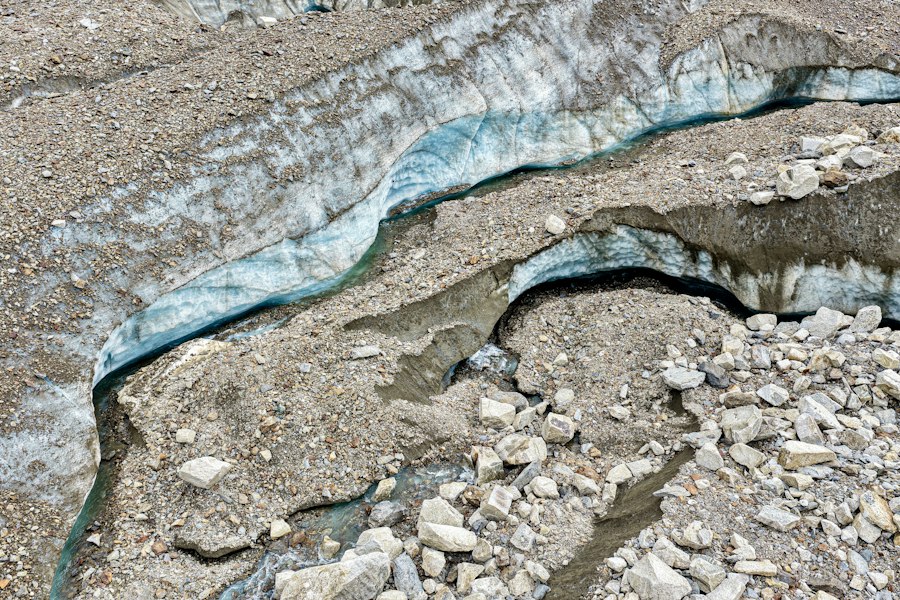
The challenging and often remote nature of glacial meltwater river systems necessitates specialized approaches to archaeological investigation. Traditional excavation methods may be impractical or impossible in these environments. Instead, researchers employ a suite of techniques that combine remote sensing, geomorphological analysis, and carefully targeted fieldwork. The swift currents and unpredictable nature of meltwater rivers also demand an understanding of site formation processes that are distinct from those found in more stable terrestrial environments.
Remote Sensing and Landscape Reconstruction
Before boots even touch the ground, remote sensing plays a pivotal role in identifying potential archaeological zones within glacial meltwater river systems. Aerial photography, satellite imagery, and LiDAR (Light Detection and Ranging) can reveal subtle changes in topography, vegetation patterns, and geomorphological features that may indicate the presence of past human activity. For instance, LiDAR can penetrate dense vegetation, highlighting the outlines of ancient structures, earthworks, or even faint traces of human pathways along river terraces. Ground-penetrating radar (GPR) can be employed on exposed riverbanks or glacial outwash plains to detect subsurface anomalies without invasive digging, identifying buried features or hearths. The analysis of glacial landforms, such as moraines and outwash plains, in conjunction with modern river channels, can help archaeologists reconstruct the ancient landscape and predict areas where human groups might have camped or traveled. Understanding the paleo-environmental context – the ancient climate, vegetation, and fauna – is crucial for interpreting the potential significance of any discovered sites. This often involves integrating geological and palynological data with the archaeological evidence.
Targeted Fieldwork and Geoarchaeological Integration
Once potential areas of interest are identified, targeted fieldwork is essential. This can involve systematic pedestrian surveys of exposed river terraces, alluvial fans, and glacial outwash deposits. The focus is on meticulously recording any surface finds, such as lithic scatters, pottery sherds, or bone fragments, and mapping their precise spatial distribution. In cases where significant erosion or deposition has occurred, geoarchaeological investigations are paramount. This involves studying the sedimentary context of any artifacts found, analyzing the soil layers, and dating the deposits to establish a chronological framework. Geoarchaeologists work closely with archaeologists to understand how the river system has interacted with archaeological materials over time, distinguishing between in situ finds and those that have been transported. The use of drones equipped with high-resolution cameras can provide detailed photographic documentation of exposed sites and assist in mapping and surveying difficult-to-access areas along the river. Furthermore, the development of portable equipment for in-situ analysis, such as portable X-ray fluorescence (pXRF) for elemental analysis of stone tools, allows for rapid preliminary assessment in the field.
Recent studies in glacial meltwater river systems have revealed fascinating insights into ancient human settlements and their adaptations to climate change. As researchers delve deeper into these unique archaeological sites, they uncover evidence of how communities thrived or struggled in response to shifting environmental conditions. For a broader understanding of how social structures can collapse under environmental stress, you might find this article on social collapse particularly enlightening. The interplay between climate and human resilience is a critical area of research, and exploring these connections can shed light on our current challenges. To read more about this topic, check out the article here.
The Challenge of Site Preservation and Management
The very processes that expose archaeological sites within glacial meltwater river systems also pose a significant threat to their preservation. Once unearthed, artifacts and features are vulnerable to erosion, weathering, and human interference. Developing effective strategies for site preservation and management is therefore a critical component of research in these dynamic environments. This can involve stabilizing eroding riverbanks, implementing protective measures for exposed features, and establishing long-term monitoring programs. The involvement of local communities and stakeholders is also vital to ensure the sustainable management of these sensitive heritage resources. The ephemeral nature of the archaeological record in these regions underscores the importance of rapid response and documentation before sites are irrevocably damaged. In some cases, the most responsible action might be to collect and conserve artifacts rather than attempting to preserve them in situ against overwhelming natural forces. This involves careful planning for excavation, documentation, and subsequent conservation.
Insights into Past Societies and Adaptations

The archaeological evidence recovered from glacial meltwater river systems offers invaluable insights into how ancient human populations interacted with and adapted to these often challenging environments. The findings shed light on migration routes, resource utilization, and the cultural adaptations that allowed humans to thrive in proximity to glaciers and their ephemeral hydrological systems.
Understanding Human Migration and Dispersal
The routes carved by glacial meltwater rivers often represent natural corridors through otherwise impassable mountain ranges or tundra. Archaeological discoveries along these waterways can provide crucial evidence for understanding ancient human migration and dispersal patterns. The presence of artifacts, such as stone tools or pottery styles, that are indicative of specific cultural groups can help trace their movements across landscapes shaped by ice. For example, the discovery of tools made from specific types of stone, sourced from distant quarries, along a meltwater river could indicate long-distance trade or migration. Conversely, the absence of certain artifact types in these environments might suggest that these areas were only traversed seasonally or by specialized groups rather than settled by larger populations. The analysis of stable isotopes in human or animal remains found in these contexts can also reveal dietary patterns and the geographic origin of individuals, offering further clues about their movements and interactions with the wider landscape. The study of rock art or other symbolic expressions found in caves or shelters near meltwater sources can also offer glimpses into the beliefs and worldviews of these early inhabitants.
Resource Exploitation and Subsistence Strategies
Glacial environments, despite their harshness, offered unique resources that ancient populations exploited. Meltwater rivers provided access to fresh water and could have been important for fishing. The surrounding vegetation, even if limited, could have provided edible plants and materials for tools and shelter. The presence of animal bones, particularly those of cold-adapted species like reindeer, mammoth, or ibex, indicates hunting strategies. Archaeological evidence, such as hearths and butchery sites, can illuminate the specific methods employed for processing game and preparing food. The study of plant remains, such as seeds or charcoal, can reveal the types of fuel used and the plants gathered for food or medicinal purposes. The development of specialized tools, such as ice picks or snowshoes, may also be inferred from the archaeological record, demonstrating the ingenuity of human adaptation to snow and ice. The analysis of the chemical composition of artifacts can also provide clues about their use and origin, such as the sourcing of pigments for rock art or the provenance of obsidian for tool manufacture.
Cultural Adaptations and Technological Innovations
The demands of living in or traversing glacial environments spurred unique cultural adaptations and technological innovations. The archaeological record from meltwater river systems can reveal the development of specialized clothing, shelters, and hunting equipment designed to cope with cold temperatures and challenging terrain. The preservation of organic materials in these regions is particularly valuable for understanding these adaptations. For instance, the discovery of well-preserved textile fragments can reveal sophisticated weaving techniques and the use of animal furs. The construction of temporary shelters, such as windbreaks or snow shelters, might be evidenced by scatters of stones or hearth features. The development of efficient tools for cutting ice, traveling over snow, and hunting in these environments would have been crucial for survival. The transmission of this knowledge and these technologies across generations would have been a key factor in enabling human presence in glacial regions. The study of these adaptations provides a broader understanding of human resilience and our capacity to innovate in response to environmental pressures.
Future Directions and Challenges Ahead
The archaeological exploration of glacial meltwater river systems is a burgeoning field, fraught with both immense potential and significant challenges. As climate change continues to accelerate glacial melt, the window of opportunity for discovery is widening, but so too are the threats to the exposed heritage. Future research will require interdisciplinary collaboration, technological advancement, and a commitment to proactive conservation.
The Growing Urgency in a Warming World
The accelerating rate of glacial melt due to global climate change presents a double-edged sword for archaeologists. On one hand, it is exposing an unprecedented number of previously inaccessible archaeological sites, offering a unique and urgent opportunity to document and understand past human presence in these regions. On the other hand, this rapid melt is also leading to increased erosion, destabilization of permafrost, and inundation of sites by newly formed meltwater channels. This means that many of these discoveries are incredibly fragile and at risk of being destroyed before they can be properly studied. The urgency lies in our ability to mobilize resources and expertise to investigate these sites quickly and effectively. This necessitates a shift in focus from traditional, slow-paced archaeological methods to more rapid-response protocols, integrating real-time environmental monitoring with archaeological surveys. The potential loss of irreplaceable archaeological information due to this accelerated melting is a pressing concern for the scientific community.
Interdisciplinary Collaboration and Technological Advancements
Uncovering archaeology in glacial meltwater river systems is inherently an interdisciplinary endeavor. Future research will demand even closer collaboration between archaeologists, glaciologists, geomorphologists, paleoclimatologists, and environmental scientists. Glaciologists can provide crucial data on ice dynamics and melt rates, helping predict where and when new sites might emerge. Geomorphologists can help interpret the fluvial processes that shape the landscape and the depositional environments of artifacts. Paleoclimatologists can reconstruct past environmental conditions, providing essential context for human adaptation. Technological advancements will also be key. The continued development of sophisticated remote sensing techniques, such as hyperspectral imaging and advanced drone photogrammetry, will allow for more detailed and efficient site identification and mapping. Innovations in portable analytical tools and dating methods will enable faster and more comprehensive in-situ analysis. Furthermore, the application of artificial intelligence and machine learning in analyzing large datasets from remote sensing and archaeological surveys holds promise for identifying subtle patterns and predicting potential site locations with greater accuracy.
Ethical Considerations and Global Cooperation
As research in these sensitive environments expands, ethical considerations surrounding the discovery, excavation, and curation of archaeological materials become paramount. Issues of cultural heritage ownership, particularly when dealing with indigenous territories, must be addressed with sensitivity and respect. Collaboration with local communities and descendant groups is essential to ensure that research is conducted in a manner that benefits all stakeholders. The ephemeral nature of many sites also raises questions about the best approach to preservation – immediate removal and conservation versus in-situ preservation efforts that may be overwhelmed by natural forces. Global cooperation is also vital. Many glacial regions straddle international borders, and coordinated research efforts are necessary to understand broad patterns of human migration and adaptation across wider geographical areas. Sharing data, methodologies, and resources will be crucial for maximizing the scientific return from these unique archaeological frontiers. The establishment of international protocols for research in these rapidly changing environments will be essential for responsible and effective scientific inquiry.