The Stifling Cold and Its Reach
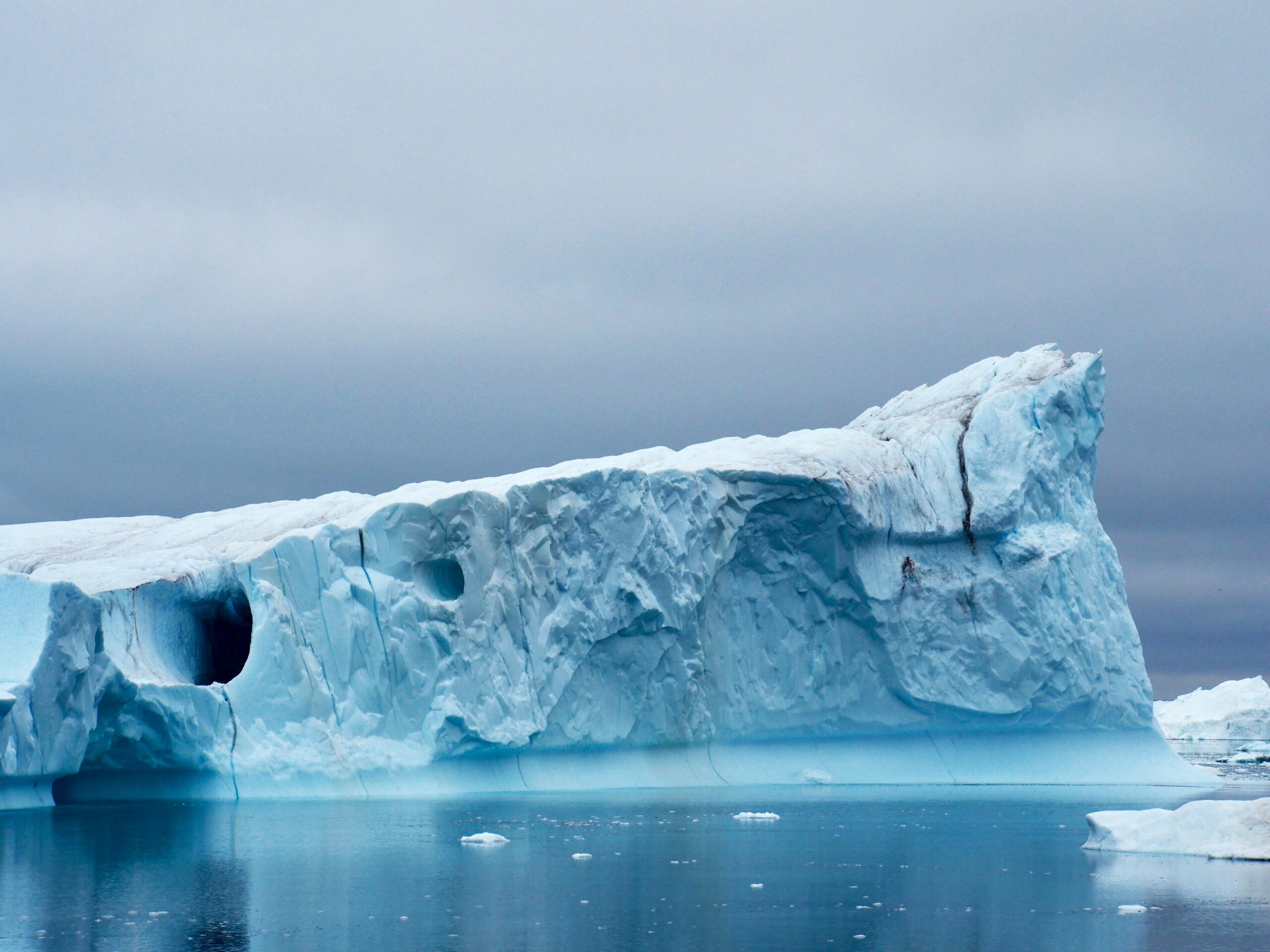
The Last Glacial Maximum, a period spanning roughly 26,500 to 19,000 years ago, plunged Earth into an era of profound cold. Vast ice sheets, some kilometers thick, stretched across much of North America, Eurasia, and even parts of South America. These colossal glaciers, the legacy of millennia of accumulating snowfall, sculpted landscapes, rerouted rivers, and profoundly altered global climate. The average global temperature plummeted by as much as 10 degrees Celsius, creating an environment that would seem utterly inhospitable to modern sensibilities. This was not merely a colder winter; it was a fundamental reshaping of the planet’s biosphere, a world of ice and wind, where survival was a constant, intricate dance with the elements.
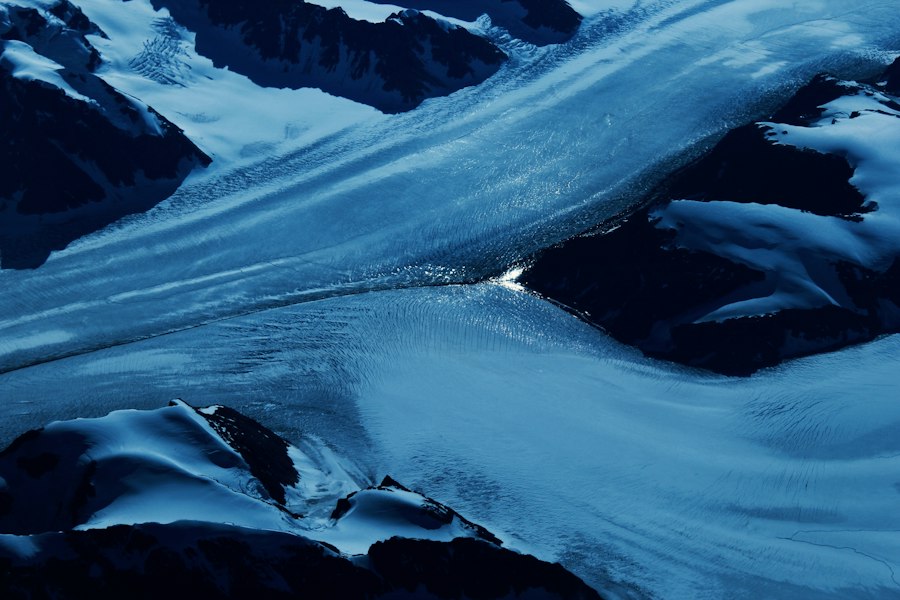
The extent of glaciation was breathtaking. In North America, the Laurentide Ice Sheet dominated, extending from the Arctic down to the present-day Great Lakes region and even reaching into the American Midwest. To the west, the Cordilleran Ice Sheet covered much of the Rocky Mountains and coastal ranges. In Eurasia, the Fennoscandian Ice Sheet buried Scandinavia and much of northern Europe, while smaller ice caps existed in the Alps and other mountainous regions. These ice masses were not static; they advanced and retreated in response to long-term climatic cycles, but during the LGM, they reached their apex, a frozen testament to the power of global cooling. The sheer weight of the ice depressed the Earth’s crust, leading to significant geological changes that are still evident today. Glacial outwash plains, moraines, and fjords are enduring markers of this icy dominion.
The climatic consequences of such extensive ice cover were far-reaching. Albedo, the reflectivity of the Earth’s surface, was dramatically increased. The bright white ice and snow bounced back a significant portion of incoming solar radiation, further contributing to the cooling effect. This created a feedback loop, where colder temperatures led to more ice, which in turn led to even colder temperatures. Precipitation patterns also shifted. With so much water locked up in ice sheets, global sea levels dropped by as much as 120 meters, exposing land bridges that would become crucial pathways for human migration. Arid conditions prevailed in many regions outside the direct influence of the ice, creating vast steppe-like environments. The equatorial regions, though less frigid, still experienced a cooler and drier climate than today. This dramatic alteration of the planet’s surface and atmosphere presented a formidable challenge to all life, forcing adaptation and innovation for survival.
During the Last Glacial Maximum, which occurred approximately 26,500 years ago, the Earth was enveloped in vast ice sheets, profoundly impacting the climate and ecosystems of the time. This period not only shaped the landscape but also influenced human migration and survival strategies. For a deeper understanding of how ancient civilizations adapted to extreme conditions and the technological advancements they may have developed, you can explore the article on lost ancient high technology at this link.
Sustaining Life in a Barren Landscape

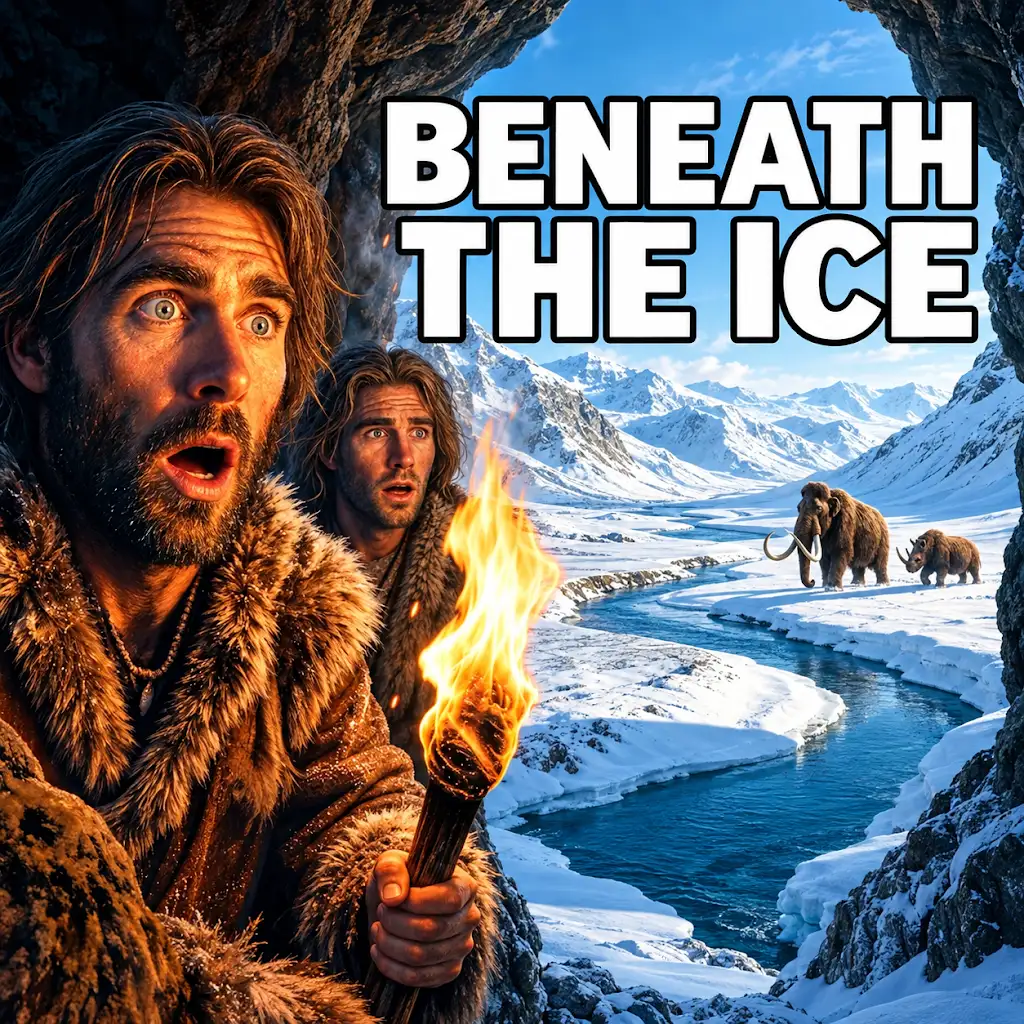
For the megafauna that roamed these frozen frontiers, life was a precarious existence. Mammoths, woolly rhinoceroses, cave bears, and giant deer were among the giants that adapted to the LGM’s harsh realities. Their survival depended on a suite of specialized adaptations. Thick fur, insulating layers of blubber, and efficient metabolisms allowed them to withstand the biting winds and frigid temperatures. They navigated landscapes dominated by treeless tundra, vast grasslands, and sparse boreal forests, their immense size a testament to their ability to forage and store energy for the lean times.
The herbivores of the LGM were the bedrock of the food chain. Vast herds of mammoths, with their shaggy coats and curved tusks, grazed on the tough grasses and sedges of the tundra. Their specialized digestive systems allowed them to extract nutrients from vegetation that would be indigestible to modern herbivores. Woolly rhinoceroses, equally well-equipped with thick fur and wide, flat teeth, were adept at browsing on shrubs and grasses in open plains. These large herbivores were vital prey for the formidable predators of the LGM, including the saber-toothed cat, cave lion, and the fearsome Smilodon. These carnivores, too, possessed adaptations for the cold, such as thicker coats and larger body sizes, allowing them to stalk and bring down their prey in challenging terrain.
Beyond the charismatic megafauna, a host of smaller creatures also thrived. Reindeer, the ancestors of modern caribou, were widespread, their hooves adapted for walking on snow and ice. Arctic foxes, with their white winter coats, were adept hunters of small rodents, while lemmings and voles burrowed beneath the snow, finding insulation and sustenance. Birds, many of which migrated seasonally, faced altered migratory routes and breeding grounds due to the vast ice sheets and shifting vegetation zones. The insects, though less visible, played their crucial roles in the ecosystem, from pollinating the hardy flora to serving as food for birds and small mammals. The entire ecosystem was a finely tuned mechanism, where each species, from the colossal mammoth to the humble lemming, played a vital role in maintaining the delicate balance of this frozen world.
Humanity’s Foothold: Ingenuity and Adaptation
Early humans, or rather, Homo sapiens, faced a formidable challenge during the Last Glacial Maximum. They were not merely surviving; they were thriving in a world vastly different from our own, demonstrating an extraordinary capacity for adaptation and innovation. Their success hinged on a deep understanding of their environment, the development of specialized tools and technologies, and the formation of strong social structures. The LGM was a crucible that forged the resilience and ingenuity of our ancestors.
The archaeological record offers compelling evidence of human presence in LGM environments. Sites across Europe, Asia, and even the Americas reveal sophisticated hunting strategies, the use of fire for warmth and cooking, and the creation of durable shelters. Tools made from stone, bone, and antler were meticulously crafted. These included finely flaked spear points for hunting large game, scrapers for processing hides, and needles for sewing warm clothing. The invention of the atlatl, a spear-thrower, significantly increased the range and power of projectiles, allowing hunters to target larger and more dangerous prey from a safer distance.
Shelter was paramount in the face of extreme cold. While nomadic groups likely followed herds of migratory animals, establishing temporary camps, evidence also exists of more permanent settlements. These could include structures built from animal bones and hides, such as the famous mammoth bone huts found in Eastern Europe, or natural features like caves and rock overhangs, which were often strategically modified. The control and efficient use of fire were critical for survival, providing warmth, light, protection from predators, and a means to cook food, making it more digestible and unlocking vital nutrients. The ability to process hides and bone allowed for the creation of warm, multi-layered clothing, essential for surviving sub-zero temperatures.
Social organization also played a crucial role. Small, mobile bands would have been the primary social unit, relying on cooperation for hunting, sharing resources, and mutual defense. The transmission of knowledge, passed down through generations, was vital for understanding animal behavior, plant properties, and the complex environmental cues of the LGM. The development of symbolic thought, evident in early art and ornamentation, suggests a rich cultural life that contributed to social cohesion and a sense of identity in a challenging world. These early humans were not simply enduring the cold; they were actively shaping their lives within it, demonstrating a remarkable capacity for resilience and foresight.
The Global Reach and Its Impact on Human Migration
The defining characteristic of the Last Glacial Maximum, the vast expanse of ice, profoundly impacted human migration patterns. As glaciers advanced, they blocked traditional routes and altered landscapes, forcing populations to adapt their movements. Conversely, the drop in sea levels exposed land bridges, opening up new continents for exploration and settlement. This period was a pivotal time in the peopling of the Earth, shaping the distribution of human populations for millennia to come.
The most dramatic consequence of the LGM for human migration was the exposure of land bridges. The Bering Land Bridge, connecting Siberia and Alaska, emerged as sea levels dropped by over 100 meters. This vital corridor became the primary route for the initial migration of humans into the Americas. For thousands of years, this vast, exposed continental shelf provided a pathway for hunter-gatherer groups to traverse from Asia to North America. The environmental conditions on Beringia itself were not necessarily a frozen wasteland; it was likely a mosaic of tundra and steppe, supporting its own unique flora and fauna, and thus capable of sustaining migrating populations.
However, the advance of the Laurentide and Cordilleran ice sheets presented a significant barrier within North America. Early migrants would have faced challenges finding routes through or around these colossal ice masses. Two primary hypotheses exist for how humans successfully colonized the Americas: the “ice-free corridor” model, which suggests a passage opened between the two ice sheets as the LGM waned, and the “coastal migration” model, which posits that people traveled down the Pacific coast, likely utilizing boats and a more temperate coastal environment. Both scenarios, or perhaps a combination of both, would have required careful navigation and adaptation to distinct LGM environments.
In other parts of the world, the glacial advance also reshaped migration. In Europe, the presence of the Fennoscandian and Alpine ice sheets confined human populations to more southerly regions. These populations would have relied on the vast steppe-tundra environments of regions like modern-day France, Spain, and parts of Russia for sustenance. Similarly, in Asia, the extent of glaciation influenced the movement of people across the continent, with populations often concentrated in ice-free refugia or following migratory prey species. The LGM, therefore, was not just a period of environmental hardship; it was a dynamic period of global rearrangement, where human ingenuity in navigating altered landscapes played a crucial role in shaping the future of our species.
During the Last Glacial Maximum, human life was profoundly shaped by the harsh climatic conditions, leading to significant adaptations in survival strategies and social structures. This period saw the development of innovative tools and techniques that allowed early humans to thrive despite the challenges posed by the environment. For a deeper understanding of how ancient civilizations adapted and innovated in response to their surroundings, you can explore this fascinating article on advanced technology in lost civilizations.
The End of the Ice and the Dawn of a New Era
| Aspect | Details | Estimated Values / Metrics |
|---|---|---|
| Time Period | Last Glacial Maximum (LGM) | Approximately 26,500 to 19,000 years ago |
| Global Temperature | Average global surface temperature decrease compared to pre-industrial levels | About 4-7°C cooler |
| Ice Sheet Coverage | Extent of continental ice sheets | Covered ~30% of Earth’s land surface, including much of North America, Northern Europe, and Asia |
| Sea Level | Global sea level relative to present day | Approximately 120 meters lower |
| Vegetation | Dominant biomes and vegetation zones | Expansion of tundra and steppe; reduction of forests in many regions |
| Human Population | Estimated global human population size | Roughly 1-5 million people |
| Fauna | Common megafauna species | Mammoths, saber-toothed cats, giant deer, woolly rhinoceros |
| Atmospheric CO2 Levels | Concentration of carbon dioxide in the atmosphere | Approximately 180-190 ppm (parts per million) |
The retreat of the ice sheets at the end of the Last Glacial Maximum marked a profound turning point in Earth’s history. This transition, occurring over several thousand years, brought about significant environmental changes that paved the way for the Holocene epoch, the period of relatively stable climate that we inhabit today. As the glaciers melted, sea levels rose, landscapes were transformed, and ecosystems underwent dramatic shifts, creating new opportunities and challenges for the surviving human populations.
The melting of the massive ice sheets had a dramatic impact on global sea levels. As kilometers of ice turned into water, oceans rose by over 100 meters, submerging the exposed land bridges, including the Bering Land Bridge. This effectively isolated continents and islands once again, fundamentally altering patterns of migration and genetic exchange. The coastlines of the world were reshaped, creating new coastal environments that would become rich in resources for human populations. Inland, the geological scars of glaciation – the fjords, the Great Lakes, the rolling moraines – became permanent features of the landscape.
The warming climate brought about significant shifts in vegetation. As the ice retreated, forests began to spread, gradually replacing the vast steppe-tundra environments. This change in flora had a cascading effect on fauna. Many of the large herbivores that had thrived in the open plains, such as mammoths and woolly rhinoceroses, began to decline. Their specialized adaptations for open environments became less advantageous, and their food sources dwindled. This period of extinction, often referred to as the Quaternary megafauna extinction, saw the disappearance of many of the iconic large animals of the LGM.
For human populations, the end of the LGM presented both opportunities and challenges. The receding ice opened up new territories for settlement and resource exploitation. The emergence of forests brought new types of game and plant resources. However, the extinction of megafauna also meant a shift in hunting strategies and diets. Human societies had to adapt to these changing landscapes and the new ecological realities. This period of transition is believed to have been crucial in the development of agriculture, as populations began to domesticate plants and animals in response to the changing environment and the decline of large game. The end of the LGM was not just the end of an icy era; it was the beginning of a new chapter in Earth’s and humanity’s story, a prelude to the development of civilizations and the world we know today.