
The howling wind, a primal force capable of stripping flesh from bone, was a constant threat to early humans. It was a palpable adversary, not just an inconvenience. When the skies darkened and the air grew heavy with the promise of deluge, survival depended on a complex interplay of instinct, learned behavior, and rudimentary ingenuity. These ancient ancestors, living in a world untamed and indifferent to their struggles, faced severe weather not as isolated events, but as an omnipresent specter shaping every facet of their existence. From the searing heat of droughts that cracked the earth and turned vital water sources into dust, to the suffocating embrace of blizzards that entombed landscapes in a silent, frozen death, early humans were locked in a perpetual battle against the elements. Their ability to adapt, to innovate, and to cooperate was the very bedrock upon which their lineage was built, a testament to the enduring power of resilience in the face of overwhelming natural forces.
The Primitive Fortress: Shelter as a Shield
The most immediate and critical response to severe weather was the construction or utilization of adequate shelter. Without the advanced building materials and technologies of today, early humans relied on a combination of natural formations and simple, yet effective, structural adaptations. The choice of location was paramount. Caves and rock overhangs offered natural protection from wind, rain, and snow, providing a crucial barrier against the elements. These became prime real estate, often fiercely defended against rival groups or predatory animals. However, natural shelters were not always available or sufficient, necessitating the development of artificial structures.
Utilizing Natural Cavities and Promontories
The earliest forms of human habitation often leveraged the existing topography. Caves, particularly those with defensible entrances and enough space for a small group, were highly prized. The stable temperature within a cave offered respite from both the summer’s scorching sun and the winter’s biting chill. Rock overhangs served a similar purpose, providing a partial shield from precipitation and wind. Early humans likely explored these natural formations, assessing their suitability based on factors such as proximity to water sources, hunting grounds, and visibility for early warning of approaching dangers. The discovery and appropriation of such natural sanctuaries were critical steps in securing a degree of safety from the caprices of the weather.
The Ingenuity of Rudimentary Dwellings
When natural shelters were scarce or inadequate, early humans demonstrated remarkable ingenuity in constructing their own. These were not grand edifices but simple, functional structures designed for immediate protection. Dwellings were often built from readily available materials such as branches, animal hides, and grasses. In colder climates, the construction of semi-subterranean dwellings, dug into the earth, provided excellent insulation. The roofs were typically made of branches interwoven with mud or sod, offering a barrier against rain and snow. The walls might be constructed from stacked stones or timber, further enhancing insulation and wind resistance. These early homes, though basic, were sophisticated in their understanding of thermal dynamics and structural stability, reflecting a deep connection with and understanding of the natural world. The placement of these dwellings, often in sheltered valleys or behind natural windbreaks, further optimized their protective qualities.
Maintaining Warmth and Comfort
Beyond mere structural integrity, early humans understood the importance of maintaining a habitable internal environment. The control of fire was perhaps the single most significant technological advancement that aided in weathering severe conditions. A well-tended fire provided warmth, warding off hypothermia during cold snaps and blizzards. It also served to dry damp clothing and bedding, crucial for preventing illness. Furthermore, fire kept predators at bay and provided light, extending the usable hours of the day, especially during the short days of winter. The accumulation of insulating materials such as dried leaves, grasses, and animal furs within dwellings further enhanced their ability to retain heat. This meticulous attention to internal comfort was not a luxury but a necessity for survival.
Early humans faced numerous challenges in their environment, including severe storms that could disrupt their daily lives and threaten their survival. To adapt, they likely developed strategies such as seeking shelter in caves or constructing temporary structures to protect themselves from harsh weather conditions. Understanding these early survival tactics can provide insight into human resilience and adaptability. For a fascinating exploration of how humans navigate complex challenges, you might find this article on the implications of territorial claims in space interesting: Is the Moon a Sovereign Territory?.
The Hunter-Gatherer’s Almanac: Adapting Resource Acquisition
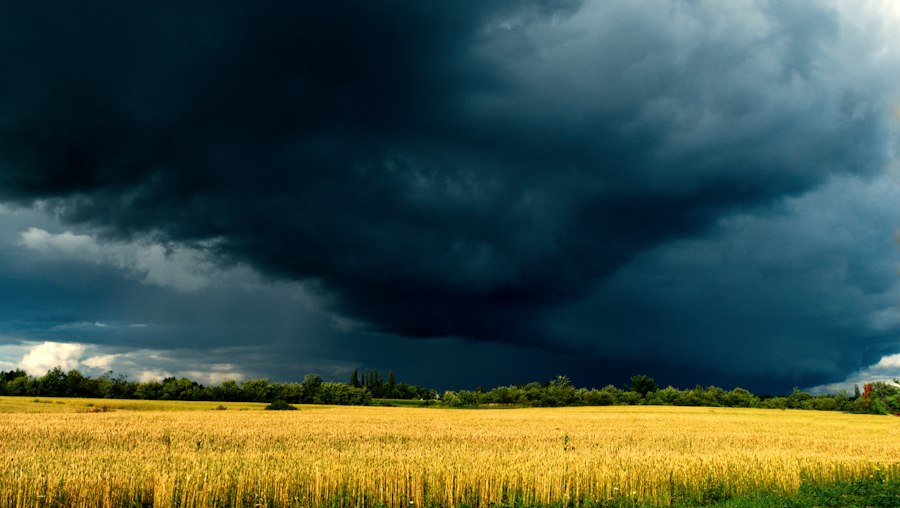
The unpredictable nature of severe weather profoundly impacted the availability of food and water, forcing early humans to develop sophisticated strategies for resource acquisition. Their movements and hunting patterns were dictated by the seasons and the climatic conditions, demonstrating a deep ecological awareness.
Seasonal Migration and Resource Tracking
In many environments, severe weather, particularly extreme cold, necessitated seasonal migration. Early humans likely followed migratory animal herds, their primary food source, as these animals themselves moved in response to changing weather patterns. This required a keen understanding of animal behavior and the ability to predict their movements over vast distances. Gathering edible plants was also a seasonal activity, with different species becoming available at different times of the year. Droughts would force nomadic groups to travel further in search of reliable water sources, while heavy rainfall could make certain areas inaccessible or render foraging difficult. This constant movement and adaptation underscored the dynamic relationship between early humans and their environment.
Innovative Hunting Techniques for Challenging Conditions
Hunting in severe weather presented unique challenges. Blizzards could bury prey, making them difficult to locate and track. Extreme heat could drive animals into deeper, cooler regions. Early humans developed specialized hunting techniques to overcome these obstacles. For instance, in snowy conditions, they might utilize natural terrain features like ravines or cliffs to channel prey into ambushes. Spears and other projectile weapons, honed with great precision, allowed for hunting at a distance, minimizing exposure to the harshest elements. The ability to preserve meat, through drying or smoking, was also crucial, allowing them to store food acquired during more favorable hunting periods for times of scarcity caused by bad weather.
The Art of Water Management and Conservation
Water is life, and in arid regions or during prolonged droughts, its acquisition became a paramount concern. Early humans likely developed a sophisticated understanding of local hydrology, knowing where to find perennial springs or how to track the movement of subterranean water. They may have learned to collect dew or rainwater in natural depressions or in rudimentary containers fashioned from animal skins or large leaves. During times of drought, groups might have been forced to share limited water resources, fostering cooperation and social cohesion. The memory of past droughts and the knowledge of surviving them would have been passed down through generations, forming an essential part of their cultural heritage.
The Power of the Pack: Social Cooperation and Knowledge Transfer

Survival in the face of severe weather was not solely an individual endeavor. The strength of early human communities lay in their ability to cooperate, share knowledge, and support one another. Social bonds were forged and strengthened through shared adversity.
Collective Defense Against Environmental Threats
Severe weather events, such as flash floods or approaching storms, posed collective threats that required a unified response. Early humans likely developed warning systems, perhaps through vocalizations or signals, to alert the entire group to impending danger. Working together, they could reinforce shelters, move to safer locations, or collectively protect their resources from the ravages of the elements. The shared experience of surviving a devastating storm would have cemented their interdependence, fostering a sense of collective responsibility for the well-being of the group.
The Transmission of Weather Lore and Survival Skills
The knowledge required to survive severe weather was not innate; it was learned and passed down. Elders, with their accumulated experience, played a vital role in educating younger generations about weather patterns, safe shelter locations, edible plants, and effective hunting strategies. This oral tradition, a form of “weather lore,” was crucial for the survival of the species. Stories, rituals, and practical demonstrations ensured that vital survival skills were not lost with the passing of individuals. This continuous transfer of knowledge ensured that each generation was better equipped to face the challenges posed by a volatile environment.
Shared Resources and Mutual Aid
During times of extreme hardship, such as prolonged droughts or harsh winters, the sharing of resources became a critical survival mechanism. Groups would pool their gathered food, stored provisions, and even their collective warmth to ensure the survival of the weakest members, including the young, the old, and the infirm. This spirit of mutual aid was not merely altruistic; it was a pragmatic strategy that increased the overall survival rate of the community. A weakened individual, if cared for, could contribute to the group’s survival when conditions improved.
The Early Human’s Weather Eye: Observation and Prediction
Long before sophisticated meteorological instruments, early humans possessed an acute ability to observe and interpret the natural world, allowing them to anticipate and respond to changing weather conditions. This “weather eye” was honed through generations of direct experience.
Reading the Sky: Clouds, Wind, and Atmospheric Signs
The sky was a constant source of information for early humans. They learned to read the subtle shifts in cloud formations, recognizing indicators of approaching rain, storms, or clear weather. Changes in wind direction and intensity provided further clues. The behavior of animals also served as a vital indicator; birds flying low might signal impending rain, while mammals seeking shelter could warn of a coming storm. The color of the sky, the clarity of the air, and even the scent of the wind were all part of a complex, intuitive understanding of atmospheric changes.
Understanding Seasonal Cycles and Predictable Patterns
While weather could be unpredictable on a day-to-day basis, early humans developed a strong understanding of broader seasonal cycles. They recognized the predictable patterns of monsoons, the onset of winter, and the emergence of spring. This understanding allowed them to prepare for the recurring challenges posed by different seasons. For example, knowing that winter would bring snow and freezing temperatures, they would have spent the warmer months gathering and storing food, reinforcing their shelters, and fashioning warmer clothing.
Learning from Past Weather Events
The memory of devastating storms, prolonged droughts, or particularly harsh winters was deeply ingrained in the collective consciousness of early human groups. This memory served as a powerful teacher, informing their decision-making and preparation strategies for future similar events. They would have learned which areas were prone to flooding, which caves offered the best protection during a blizzard, and which plant species were more resilient to drought. This historical perspective, passed down through generations, was an invaluable tool for navigating the uncertainties of their environment.
Early humans faced numerous challenges, including severe storms that could devastate their communities and resources. To survive these harsh conditions, they likely developed strategies such as seeking shelter in caves or constructing temporary structures to protect themselves from the elements. Their ability to adapt and innovate in response to environmental threats is a testament to human resilience. For a deeper understanding of how communities respond to crises, you might find it interesting to read about the ongoing situation in Yemen and the urgent need for international aid, which highlights how modern societies also grapple with the impact of severe weather and conflict. You can find more information in this article here.
The Enduring Legacy: Resilience as a Foundation for Humanity
| Aspect | Details | Evidence | Effectiveness |
|---|---|---|---|
| Shelter Construction | Use of natural materials like wood, bones, and animal hides to build sturdy shelters | Archaeological remains of huts and cave modifications | Provided protection from wind and rain, reducing exposure |
| Fire Use | Maintaining fires inside shelters for warmth and signaling | Charcoal deposits and hearth remains in archaeological sites | Helped maintain body temperature and deter predators during storms |
| Seasonal Migration | Moving to safer or more sheltered areas during storm seasons | Patterns inferred from fossil distribution and tool sites | Reduced risk of exposure to severe weather events |
| Group Cooperation | Sharing resources and collective shelter building | Evidence of communal living spaces and shared tools | Increased survival chances during harsh weather |
| Use of Natural Caves | Seeking refuge in caves during severe storms | Cave paintings and habitation layers in caves | Provided natural protection from elements |
The challenges posed by severe weather were not merely obstacles to be overcome; they were formative forces that shaped the very essence of early humanity. Their ability to endure, adapt, and innovate in the face of these environmental pressures laid the groundwork for the continued success and eventual dominance of their species.
The Evolution of Tool Use and Technology
The need to survive harsh weather spurred the development of new tools and technologies. The crafting of sharper tools for hunting and shelter construction, the mastery of fire, and the development of rudimentary clothing and containers were all, in part, responses to environmental challenges. These innovations were not isolated events but represented a gradual accumulation of knowledge and skill that directly contributed to their ability to thrive in diverse and often unforgiving climates.
The Development of Complex Social Structures
The necessity of cooperation and mutual aid during periods of severe weather likely played a significant role in the development of more complex social structures. The need to organize group efforts, share resources, and transmit knowledge fostered communication, leadership, and a sense of collective identity. These early social bonds provided the foundation for the more elaborate societal organizations that would emerge in later human history.
The Biological and Cultural Adaptations for Survival
Over millennia, early humans developed both biological and cultural adaptations that enhanced their ability to withstand extreme weather. These included physiological changes such as increased tolerance to cold or heat, as well as cultural adaptations like the development of specific hunting techniques, shelter-building methods, and dietary practices tailored to their environment. The legacy of these adaptations is still evident in human populations around the world, demonstrating the profound and lasting impact of weather on our species’ evolution. The story of early humans braving severe weather is a testament to the indomitable spirit of survival and the remarkable capacity of life to adapt and endure, even in the face of nature’s most formidable challenges.