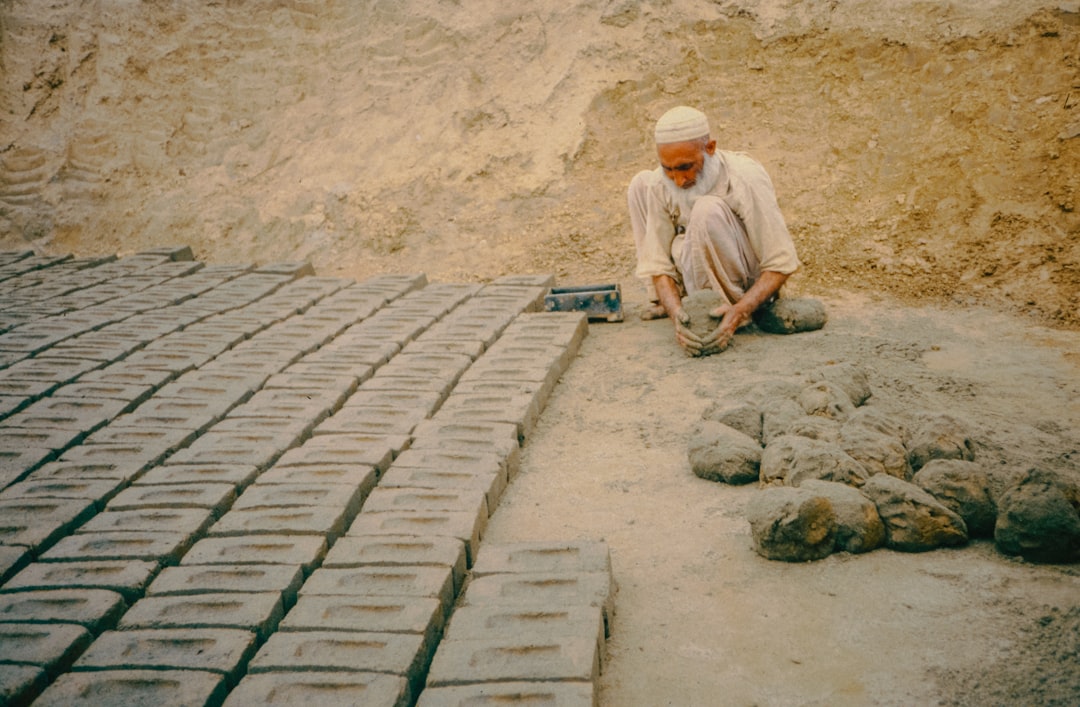
When you think about the marvels of human ingenuity, ancient inventions often come to mind as the bedrock of modern technology. From the wheel to the plow, these innovations laid the groundwork for civilizations to flourish. They represent not just practical solutions to everyday problems but also a glimpse into the minds of our ancestors.
As you delve into the world of ancient inventions, you begin to appreciate the creativity and resourcefulness that defined early human societies. These inventions were not merely tools; they were reflections of cultural values, societal needs, and the environment in which they were created. The significance of ancient inventions extends beyond their immediate utility.
They serve as a testament to human resilience and adaptability. Each invention tells a story, revealing how people interacted with their surroundings and each other. As you explore this rich tapestry of innovation, you may find yourself pondering the questions that arise: What drove these early inventors?
How did their creations shape their societies? And perhaps most intriguingly, what knowledge has been lost to time? The quest to understand ancient inventions is not just an academic pursuit; it is a journey into the very essence of what it means to be human.
Key Takeaways
- Ancient inventions often blend historical facts with myths, creating enigmatic technologies that challenge modern understanding.
- Many ancient inventions lack clear archaeological evidence, fueling debates about their origins and authenticity.
- Theories about the disappearance of these inventions include loss of knowledge, societal collapse, and deliberate suppression.
- Modern efforts to replicate ancient technologies reveal both the ingenuity of past civilizations and the difficulties in fully understanding their methods.
- Rediscovering ancient inventions could have significant cultural, ethical, and technological impacts on contemporary society.
The Enigma of Unexplained Technologies
As you navigate through the annals of history, you may encounter technologies that seem almost too advanced for their time. These unexplained technologies challenge your understanding of human progress and raise questions about the capabilities of ancient civilizations. For instance, the construction of the pyramids in Egypt or the intricate designs of Stonehenge provoke awe and curiosity.
How did these societies manage such feats without modern machinery? The enigma surrounding these technologies invites you to consider alternative explanations, including lost knowledge or even the influence of external forces. The allure of unexplained technologies lies in their ability to spark your imagination.
You might find yourself contemplating whether these ancient peoples possessed insights that have since been forgotten or if they had access to resources that remain undiscovered today. This mystery fuels a sense of wonder and encourages you to dig deeper into historical records, archaeological findings, and even folklore. The more you learn, the more you realize that these enigmas are not just relics of the past; they are gateways to understanding the complexities of human innovation.
The Curious Lack of Archaeological Evidence
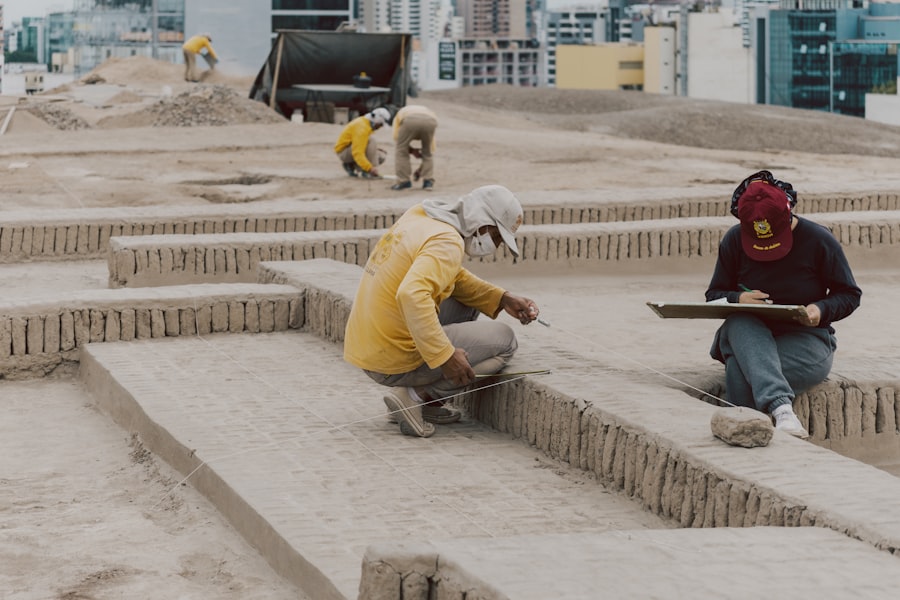
Despite the remarkable achievements attributed to ancient civilizations, there exists a curious lack of archaeological evidence for many inventions. As you sift through historical texts and artifacts, you may notice gaps in the record that leave you questioning how certain technologies came to be. This absence can be perplexing, especially when considering the profound impact these inventions had on society.
Why is it that some innovations are well-documented while others seem to vanish into obscurity? One possible explanation for this phenomenon is the impermanence of materials used in ancient inventions. Many early tools and technologies were crafted from organic materials that have long since decayed.
As you ponder this, it becomes clear that the survival of artifacts is often a matter of chance. Additionally, societal upheavals, natural disasters, and changes in cultural practices can lead to the loss of knowledge and technology over time. This lack of evidence not only complicates your understanding of ancient inventions but also highlights the fragility of human achievement.
Examples of Ancient Inventions
As you explore specific examples of ancient inventions, you may find yourself captivated by their ingenuity and relevance even today. Take, for instance, the invention of writing systems such as cuneiform in Mesopotamia or hieroglyphics in Egypt. These early forms of communication revolutionized how people recorded information and shared ideas.
They laid the foundation for literature, law, and administration, shaping the course of human history in profound ways. Another fascinating example is the development of irrigation systems in ancient agricultural societies. These innovations allowed civilizations to thrive in arid regions by harnessing water resources effectively.
As you consider the impact of such inventions, it becomes evident that they were not merely practical solutions; they represented a shift in how humans interacted with their environment. The ability to cultivate crops reliably transformed social structures, leading to population growth and urbanization. Each invention serves as a reminder of humanity’s capacity for creativity and adaptation.
Theories on the Disappearance of Ancient Inventions
| Reason | Description | Impact on Research | Example |
|---|---|---|---|
| Lack of Evidence | Insufficient physical artifacts or documentation to fully explain ancient inventions. | Limits ability to form conclusive theories. | Antikythera Mechanism’s exact function remains partially speculative. |
| Preservation Issues | Degradation of materials over time obscures original design and use. | Challenges in reconstructing accurate models. | Wooden components of ancient machines often decay. |
| Complexity of Technology | Some inventions are too advanced or complex for current understanding. | Hinders straightforward explanations or replication. | Ancient Egyptian water pumps with unclear mechanisms. |
| Academic Caution | Scholars avoid speculation without strong evidence to maintain credibility. | Results in conservative interpretations. | Debates over the purpose of the Piri Reis map. |
| Cultural Sensitivity | Respect for indigenous knowledge and avoiding misrepresentation. | Limits public disclosure or oversimplification. | Restricted access to certain tribal artifacts. |
| Fear of Misuse | Concerns that revealing certain technologies could lead to misuse. | Delays or restricts sharing of information. | Ancient weapon designs kept confidential. |
The disappearance of certain ancient inventions has led to various theories among historians and archaeologists. As you delve into these theories, you may find yourself contemplating how societal changes can lead to the obsolescence of once-revolutionary technologies. One prevalent theory suggests that as civilizations evolved, so too did their needs and priorities.
Innovations that were once essential may have been abandoned in favor of new methods or materials that better suited changing circumstances. Another theory posits that knowledge was often localized and not widely disseminated. As you reflect on this idea, it becomes clear that many ancient societies operated in isolation, leading to unique developments that may not have influenced neighboring cultures.
This localized knowledge could have resulted in inventions being lost when societies collapsed or transformed due to conquest or migration. The interplay between cultural exchange and isolation is a fascinating aspect of understanding why certain inventions faded from memory while others endured.
Cultural and Societal Implications of Ancient Inventions
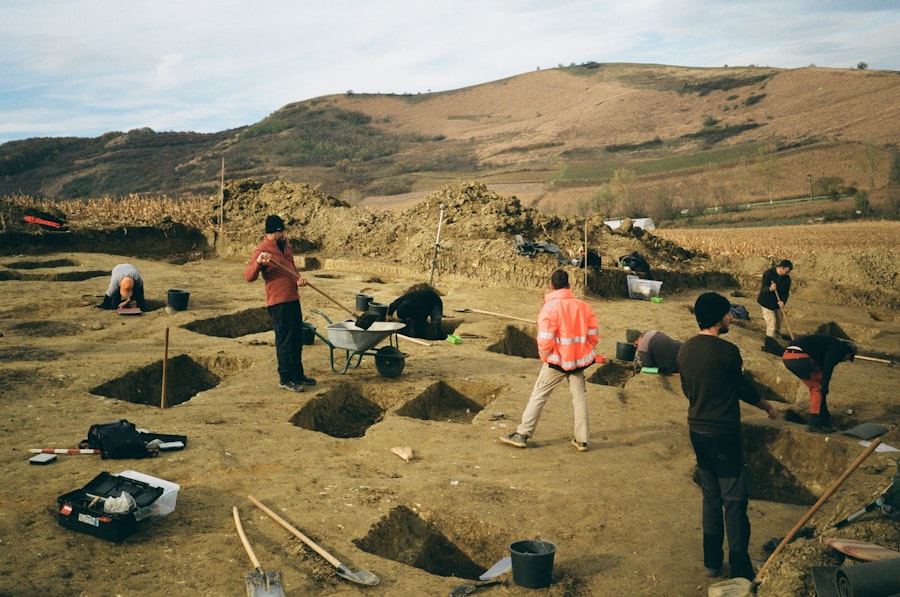
The cultural and societal implications of ancient inventions are profound and far-reaching. As you examine these implications, consider how innovations shaped social hierarchies, economic systems, and even belief structures within communities. For instance, the invention of metallurgy not only revolutionized tool-making but also altered power dynamics within societies.
Those who mastered metalworking often gained status and influence, leading to shifts in social structures. Moreover, ancient inventions often reflected the values and priorities of a culture. The construction of monumental architecture, such as temples or pyramids, served not only practical purposes but also acted as expressions of religious devotion or political power.
As you contemplate these connections, it becomes evident that inventions are not isolated events; they are deeply intertwined with the fabric of society itself. Understanding this relationship allows you to appreciate how technology can both shape and be shaped by cultural contexts.
The Role of Myth and Legend in Ancient Inventions
Myth and legend play a significant role in shaping our understanding of ancient inventions. As you explore various cultures’ myths surrounding their technological achievements, you may find that these stories often serve as allegories for human creativity and resilience. For example, many cultures attribute their advancements to divine inspiration or intervention, suggesting that innovation is not solely a human endeavor but part of a larger cosmic order.
Heroes in mythology often embody traits such as intelligence, bravery, or perseverance—qualities that resonate with the spirit of invention itself. As you engage with these stories, consider how they reflect cultural values and aspirations while also serving as a means to explain complex phenomena in an accessible way.
The interplay between myth and invention enriches your understanding of how ancient peoples made sense of their world.
Modern Attempts to Replicate Ancient Inventions
In recent years, there has been a growing interest in replicating ancient inventions using traditional methods and materials. As you observe this trend, you may find it fascinating how modern artisans and researchers strive to understand the techniques employed by their ancestors. Whether it’s reconstructing ancient pottery styles or attempting to build structures using only tools available at the time, these efforts provide valuable insights into historical practices.
These modern attempts also raise questions about authenticity and interpretation. As you consider the motivations behind such projects, think about how they can bridge the gap between past and present. By engaging with ancient technologies firsthand, contemporary creators can gain a deeper appreciation for the skills and knowledge required to produce these innovations.
This process not only honors the legacy of ancient inventors but also fosters a sense of connection across time.
Potential Impact of Rediscovering Ancient Inventions
The potential impact of rediscovering ancient inventions is immense, both for our understanding of history and for contemporary society. As you contemplate what it would mean to uncover lost technologies or techniques, consider how such discoveries could reshape our perception of human progress. Rediscovering an ancient method for sustainable agriculture or construction could inspire modern solutions to pressing challenges like climate change or resource scarcity.
Moreover, these rediscoveries can foster a renewed appreciation for traditional knowledge systems that have been overlooked or dismissed in favor of modern approaches. As you reflect on this potential impact, think about how integrating ancient wisdom with contemporary practices could lead to innovative solutions that honor both heritage and progress. The quest for understanding ancient inventions is not merely an academic endeavor; it holds the promise of enriching our lives today.
Ethical Considerations in Studying Ancient Inventions
As with any field of study, ethical considerations play a crucial role in researching ancient inventions. As you engage with this topic, think about the responsibilities that come with uncovering and interpreting historical knowledge. Issues such as cultural appropriation, preservation versus exploitation, and respect for indigenous knowledge systems must be at the forefront of discussions surrounding ancient technologies.
You may also ponder how modern interpretations can sometimes distort or oversimplify complex histories. It is essential to approach these subjects with sensitivity and an awareness of diverse perspectives. By prioritizing ethical considerations in your exploration of ancient inventions, you contribute to a more nuanced understanding that honors both past achievements and present-day implications.
The Quest for Understanding Ancient Inventions
In conclusion, your journey through the world of ancient inventions reveals a rich tapestry woven from creativity, culture, and curiosity. Each invention serves as a testament to human ingenuity while also inviting questions about lost knowledge and unexplained technologies. As you reflect on this quest for understanding, consider how these innovations have shaped societies throughout history and continue to influence our lives today.
The exploration of ancient inventions is not merely an academic pursuit; it is a profound journey into what it means to be human—our capacity for innovation, adaptation, and connection across time. By engaging with this history thoughtfully and ethically, you contribute to a deeper appreciation for our shared heritage while inspiring future generations to continue this quest for knowledge and understanding.
Archaeologists often face skepticism when it comes to explaining ancient inventions, as many of these discoveries challenge our understanding of historical progress and technological development. For a deeper insight into this phenomenon, you can read the article titled “The Mysteries of Ancient Innovations” on the Real Lore and Order website. This article delves into the reasons behind the reluctance of archaeologists to provide definitive explanations for certain ancient technologies. You can find it here: The Mysteries of Ancient Innovations.
WATCH THIS! 🔍 Archaeologists REFUSE to Explain This Ancient Machine
FAQs
Why do archaeologists sometimes refuse to explain ancient inventions?
Archaeologists may hesitate to explain ancient inventions due to limited evidence, the complexity of the technology, or the risk of misinterpretation. They rely on careful analysis and peer-reviewed research before drawing conclusions to avoid spreading misinformation.
Are ancient inventions always fully understood by archaeologists?
No, many ancient inventions are not fully understood because of incomplete artifacts, lack of written records, or the loss of traditional knowledge over time. Some technologies remain partially or entirely mysterious despite ongoing research.
Do archaeologists intentionally withhold information about ancient inventions?
Generally, archaeologists do not intentionally withhold information. However, they may delay sharing interpretations until they have sufficient evidence to support their conclusions. This cautious approach helps maintain scientific accuracy and credibility.
How do archaeologists study ancient inventions?
Archaeologists study ancient inventions through excavation, analysis of artifacts, experimental archaeology (recreating ancient technologies), and interdisciplinary collaboration with experts in fields like engineering, chemistry, and history.
Can ancient inventions be explained using modern technology?
Modern technology, such as 3D scanning, radiocarbon dating, and materials analysis, can help archaeologists better understand ancient inventions. However, some aspects may still be difficult to interpret due to cultural or contextual differences.
What challenges do archaeologists face when explaining ancient inventions?
Challenges include incomplete or damaged artifacts, lack of contemporary documentation, cultural biases, and the difficulty of replicating ancient manufacturing techniques. These factors can complicate efforts to provide definitive explanations.
Is it possible that some ancient inventions were lost over time?
Yes, many ancient inventions and technologies have been lost due to natural disasters, societal collapse, or changes in cultural practices. This loss can make it difficult for archaeologists to fully understand or explain certain ancient innovations.
How do archaeologists share their findings about ancient inventions?
Archaeologists share their findings through academic journals, conferences, museum exhibits, and public outreach programs. They aim to communicate discoveries accurately while acknowledging uncertainties and ongoing research.