The hush of winter blankets the world in a pristine white canvas, transforming familiar landscapes into a silent, yet richly detailed, testament to the lives that move unseen. For those who possess the knowledge, this snow-covered terrain becomes a living map, each fresh imprint a word, each pattern a sentence, telling the ongoing story of the wild. Primitive tracking, the art of interpreting animal signs, finds its most evocative expression in the snow. It is here that the delicate ballet of a fox’s gait leaves a precise record, or the heavy tread of a deer reveals its passage. This ability to read the snow is more than a survival skill; it is a profound connection to the natural world, a glimpse into the secret lives of creatures that share our planet.
Decoding the Canvas: Understanding Snow as a Tracking Medium
Snow, in its various forms and textures, offers a unique and often exceptional medium for tracking. Unlike soil or mud, which can be disturbed by wind and rain, fresh snowfall often preserves delicate details with remarkable clarity. The depth, consistency, and recentness of the snow directly influence the quality of the tracks left behind. Understanding these variables is the first step in becoming an adept snow tracker.
The Palette of Snow: Different Types and Their Impact
The type of snow encountered significantly alters the tracking experience. Light, powdery snow, especially when fresh and deep, offers the most pristine surface. It allows for the clear impression of even the smallest claws or the subtle edges of a paw. As the snow compacts underfoot or due to rising temperatures, it becomes firmer, and tracks may appear shallower or less defined. Ice crusts, often formed by freeze-thaw cycles, can be particularly challenging. While they might preserve older tracks, they can also obscure recent ones or create misleading impressions. Wet, heavy snow, on the other hand, can magnize tracks, making them appear larger and more pronounced, but it also means that tracks will degrade more rapidly. Recognizing the current snow conditions allows a tracker to adjust their expectations and focus on the most promising signs. For instance, in deep powder, one might look for the distinctive sinking patterns that reveal the weight of the animal, while on a firm crust, the sharpness of the claw marks becomes paramount.
The Clock of the Snow: Estimating Freshness and Age
The age of a track is a crucial piece of information for any tracker. Freshly fallen snow holds the most recent stories. Several indicators help in estimating the age of a print. The sharpness of the edges is a primary clue; as time passes, snow crystals can sublimate, causing edges to soften and blur. The presence of frost or ice crystals within the print can suggest it has been exposed to a recent freeze. Conversely, a lack of these and a somewhat “melted” appearance might indicate an older track that has been exposed to warmer temperatures. Wind is another significant factor. Even in relatively fresh snow, wind can erode the edges of a track, making it appear older than it is. Conversely, a brief gust of wind might deposit fresh snow into an older track, making it seem newer. Experienced trackers often develop an intuitive sense for this by observing how snow behaves on exposed surfaces versus sheltered areas. Observing the surrounding environment for signs of recent precipitation or wind activity also helps to contextualize the age of the tracks.
In exploring the fascinating world of primitive tracking, one can draw intriguing parallels to the study of ancient structures and their properties, such as those discussed in the article on Stonehenge’s acoustic features. Just as tracking in the snow requires keen observation and an understanding of subtle clues left by wildlife, the analysis of Stonehenge reveals how its design may have been influenced by sound and acoustics. For more insights into this captivating topic, you can read the article here: Unraveling the Mystery of Stonehenge’s Acoustic Properties.
The Footprint’s Vocabulary: Identifying Common Tracks

The diversity of animal life in winter is often surprising, and each species leaves its unique signature in the snow. Learning to identify these prints is akin to learning a new language, where each shape, size, and pattern conveys a specific meaning about the animal that created it.
Mammals of the Snow: Decoding the Paw and Hoof
Mammalian tracks are perhaps the most commonly encountered. Canids, such as foxes and coyotes, often leave clear, distinct tracks where the toe pads are visible. The pattern is typically a neat, almost rectangular or oval arrangement. The hind feet often land in or very near the impression of the front feet, creating a direct register, especially in smaller canids. Felids, like bobcats and lynx, exhibit different characteristics. Their tracks often appear rounder, and the claw marks, if visible, are usually retracted in domestic cats and most wild cats, meaning they don’t always show up in the track unless the animal is running or climbing. The overall impression is often more spread out and less symmetrical than that of a canid. Ungulates, like deer and elk, leave distinctive hoof prints. These are typically split into two halves, with the dewclaws, if present and extended, sometimes leaving fainter marks behind the main hoof. The size and spacing of these prints reveal the animal’s gait, size, and speed. For instance, a deer in a trot will have widely spaced prints, while one at a walk will have them closer together.
Beyond the Paw: Bird Tracks and Other Signatures
Birds, despite their ability to fly, also leave their tracks on the snowy ground. The most common are the three-toed prints left by passerines, such as sparrows and finches. The spacing and arrangement of these toes can help identify the species. Larger birds of prey, like owls and hawks, leave distinctive taloned prints, often with evidence of their powerful grip. Other signs can be just as informative as footprints. Droppings, known as scat, can reveal dietary habits and species identification. Feeding signs, such as gnawed branches or caches of nuts, provide clues about an animal’s presence and activities. Even a disturbed patch of snow where an animal may have dug for food can be a vital piece of evidence. The subtle disturbance of snow, a displaced drift, or a faint streak left by a sliding body can all contribute to the overall narrative of the winter landscape.
The Narrative in Motion: Understanding Gait and Movement
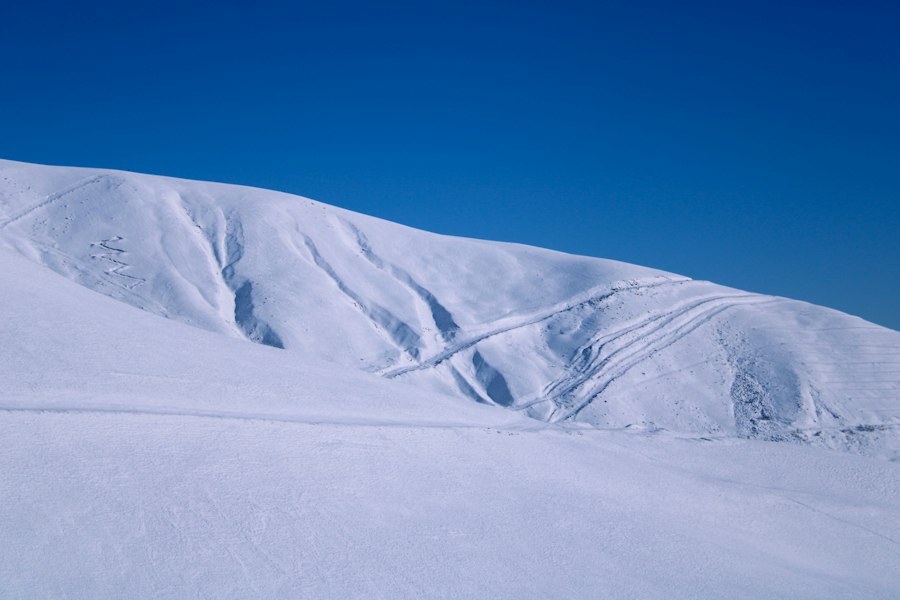
The way an animal moves through the snow is as revealing as the shape of its foot. Observing the pattern of tracks, the distance between them, and the overall impression left behind provides a wealth of information about the animal’s speed, mood, and even its purpose.
The Walk of the Wild: Common Gaits and Their Prints
Different gaits leave distinct track patterns. A walk is a slow, deliberate movement where the animal places its feet carefully. For many four-legged mammals, this results in a staggered pattern with clear individual prints. A trot is a faster gait, where the diagonal pairs of legs move together. This often leads to longer, more elongated track patterns. A gallop or bound, the fastest gait, involves a more dynamic movement, with hind feet often landing ahead of the front feet, creating a more compressed and powerful impression. For birds, a hop is common for smaller species, where both feet land together. A walk, conversely, involves alternating foot placement. Recognizing these gait patterns allows a tracker to infer the animal’s activity. Was it calmly foraging, or was it fleeing from danger? The energy expended, the urgency in the stride, all become legible in the snow.
Beyond the Footprint: Signs of Struggle, Play, and Rest
Snow can record more than just simple locomotion. A struggle might leave scuff marks, overturned snow, or drag marks. A playful animal might exhibit erratic bounding or chasing patterns. A resting animal might leave a distinct depression where it has bedded down, sometimes with signs of its body warming the snow. The direction of travel is also usually apparent, indicated by the progression of prints. However, this can be complicated by wind or a change in direction. Looking for subtle clues such as snow kicked up behind a print or the angle of the impression can help orient the observer. Observing the overall context – is the track heading towards a dense thicket, a water source, or an open field? – further enhances the understanding of the animal’s journey and intentions.
The Tracker’s Toolkit: Essential Skills and Considerations
Becoming proficient at reading animal tracks in the snow requires more than just innate talent; it involves developing specific observational skills, a keen understanding of animal behavior, and a healthy respect for the environment.
Sharpening the Senses: Observation and Interpretation
The fundamental skill of a snow tracker is meticulous observation. This involves not only spotting the tracks but also noticing the subtle details: the depth of the imprint, the sharpness of the edges, the presence of any claw marks, and the surrounding snow disturbance. Interpretation then follows observation. This means drawing on knowledge of animal anatomy, behavior, and habitat. For instance, knowing that a fox typically travels along the edges of fields or forest clearings will help focus the search. Understanding that deer often seek shelter in dense undergrowth during storms is also vital. The tracker must also be aware of their own impact on the environment, striving to leave minimal trace and avoid disturbing sensitive habitats or animals. Patience is paramount; sometimes the most significant signs are subtle and require careful examination.
Ethical Considerations: Respecting Wildlife and the Environment
Tracking wildlife comes with significant ethical responsibilities. The primary directive is to observe without interfering. This means maintaining a safe distance, avoiding any actions that could cause stress or injury to the animals, and leaving their habitat as undisturbed as possible. Never approach or attempt to feed wild animals, as this can have detrimental effects on their natural behaviors and survival instincts. When tracking, be mindful of nesting sites, dens, and feeding areas, and avoid them if possible. Leave no trace of your presence – pack out all trash and avoid damaging vegetation. The goal of tracking is to learn and appreciate, not to intrude. Respecting the wild means understanding that we are guests in their world, and our interactions should be characterized by humility and deference.
In the realm of outdoor survival skills, understanding primitive tracking clues in the snow can be invaluable for those venturing into the wilderness. These techniques allow individuals to interpret the subtle signs left by animals, enhancing their ability to navigate and thrive in harsh environments. For a deeper exploration of how advancements in technology can impact various fields, including survival tactics, you might find it interesting to read about the latest developments in counter-space weapons, particularly how countries like China and Russia are leading the way. Check out the article here for more insights.
The Deeper Connection: Beyond Survival to Appreciation
| Clue Type | Description | Typical Size (cm) | Frequency in Snow | Tracking Difficulty | Notes |
|---|---|---|---|---|---|
| Footprints | Impressions left by feet or paws | 5-15 | High | Moderate | Shape and depth vary by species and snow condition |
| Drag Marks | Marks left by tails or dragged limbs | Variable | Medium | High | Often faint and easily obscured |
| Broken Twigs | Twigs snapped or bent by passing animals | 1-5 | Medium | Low | Useful for identifying direction and size |
| Snow Displacement | Areas where snow is disturbed or compressed | Variable | High | Moderate | Indicates recent passage |
| Scat | Animal droppings found on or near tracks | Variable | Low | Moderate | Helps identify species and diet |
| Hair or Fur | Strands caught on branches or rough surfaces | Variable | Low | High | Rare but valuable for species identification |
The practice of snow tracking transcends mere utility. While the ability to find food or avoid danger is certainly a powerful motivator, the true reward of reading the snow lies in the profound connection it fosters with the natural world. It transforms a seemingly barren winter landscape into a vibrant, dynamic ecosystem, teeming with hidden life and untold stories.
A Window into the Wild: Understanding Animal Lives
Each track, each sign, offers a precious glimpse into the daily lives of animals. The precision of a fox’s hunt, the determined passage of a rabbit, the quiet vigilance of an owl – these are all etched in the snow for those who know how to look. Through tracking, one gains an intimate understanding of animal behavior, their survival strategies, their social interactions, and their place within the intricate web of life. It is a continuous learning process, where every outing offers new insights and challenges. The snow becomes a living journal, and the tracker, a dedicated reader, constantly deciphering its ever-changing script.
The Art of Stillness: Cultivating Presence and Mindfulness
In an increasingly fast-paced world, snow tracking offers a powerful antidote. It demands a slowing down, a heightened awareness, and a deep sense of presence. The act of carefully examining a print, of following a trail, requires a stillness that can be deeply restorative. It encourages mindfulness, a focus on the present moment and the subtle details of the environment. This immersive experience can foster a profound appreciation for the resilience of nature, the beauty of adaptation, and the delicate balance of the wild. The silent language of the snow speaks not only of the animals that traverse it but also of the quiet observer who takes the time to listen. It is a timeless pursuit, connecting us to ancestral ways of knowing and to the enduring spirit of the wild.