
The biting wind whipped across the open savanna, carrying the scent of distant prey and the warning cries of birds. For the band of early humans huddled around a sputtering fire, each dawn was a promise of hunger and a challenge to survival. Their lives, spanning hundreds of thousands of years, were a testament to resilience, ingenuity, and the deep-seated bonds of community that defined their existence. These Paleolithic hunter-gatherers, our distant ancestors, lived in a world shaped by the rhythms of nature, a world where every decision, from the location of their next meal to the safety of their children, was a matter of life and death. Understanding their daily existence offers profound insights into the very foundations of human society, cooperation, and our enduring relationship with the natural world.
The Quest for Sustenance: A Daily Dance with Nature
The primary focus of Paleolithic life was the relentless pursuit of food. This was not a passive endeavor; it was an active, often dangerous, and highly skilled undertaking that dictated every aspect of their movements and social organization. The success or failure of this daily quest determined the survival of the individual, the family, and the entire band.
Tracking and Hunting: The Thrill and Terror of the Chase
The hunting of large game, while potentially providing a significant and protein-rich food source, was also a high-risk activity. Skilled hunters, armed with rudimentary but effective spears, stone-tipped projectiles, and a deep understanding of animal behavior, would track their prey for days. They employed strategies honed over generations, utilizing knowledge of terrain, wind direction, and the habits of different species. The stalk was often a solitary or small-group affair, requiring immense patience and stealth. When the opportunity arose, a coordinated effort would ensue, often involving driving animals towards natural traps like ravines or cliffs, or employing fire to flush them out. The thrill of a successful hunt was matched only by the terror of encountering a cornered or aggressive animal. Fatalities were not uncommon, and a successful hunt meant not just food but also vital resources like hides for clothing and shelter, and bones for tools and adornment.
Gathering: The Abundant and the Elusive
While hunting captured the imagination as the primary food source, the gathering of plant-based foods was equally crucial, and often more reliable. Women, elders, and younger children played a vital role in this aspect of subsistence. Their knowledge of the local flora was encyclopedic. They knew which roots were edible and how to prepare them, which berries were safe and when they ripened, which nuts were abundant and how to crack them open. This knowledge was passed down through oral tradition, ensuring that essential survival skills were preserved. Gathering was a more predictable and less dangerous activity than hunting, but it still required extensive knowledge of the environment and the ability to travel significant distances to find seasonal resources. The diversity of gathered foods provided essential vitamins and carbohydrates, complementing the protein from hunting.
Resourcefulness with Tools and Techniques
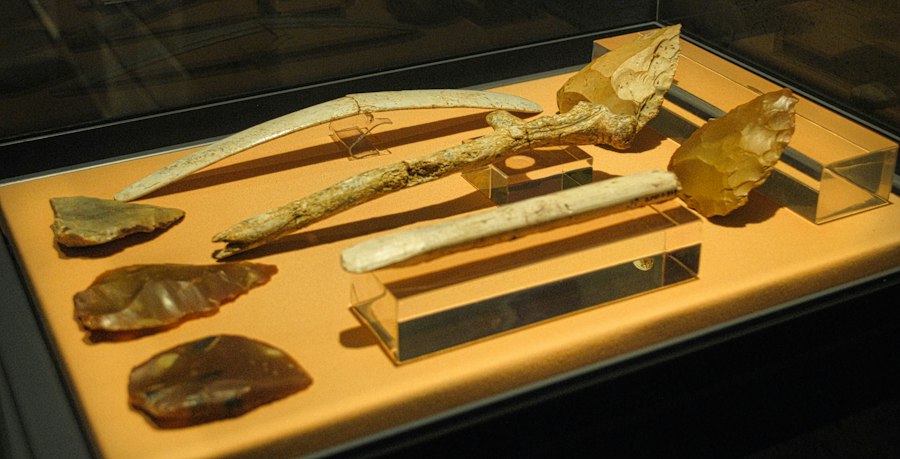
The Paleolithic hunter-gatherer was a master of improvisation and resourcefulness. Their tools, though seemingly primitive by modern standards, were remarkably effective. Sharpened stones served as knives, scrapers, and axes. Hafted spears, with stone points attached to wooden shafts, were potent hunting weapons. Fire, a transformative discovery, was crucial for cooking food, making it more digestible and safer, providing warmth, and deterring predators. The creation of fire itself was a painstaking process, likely involving friction from wood or striking sparks from stones. The constant need to fashion, maintain, and improve their tools drove innovation and demonstrated a profound understanding of the physical properties of the materials available to them.
Paleolithic hunter-gatherers led a daily life that revolved around survival, utilizing their environment for food, shelter, and tools. Their routines were dictated by the seasons and the availability of resources, showcasing a deep understanding of nature. For a fascinating exploration of ancient innovations that reflect the ingenuity of early humans, you can read the article on unbelievable ancient inventions, which discusses remarkable concepts that have emerged throughout history. Check it out here: Unbelievable Ancient Inventions.
The Fabric of Community: Bonds of Kinship and Cooperation
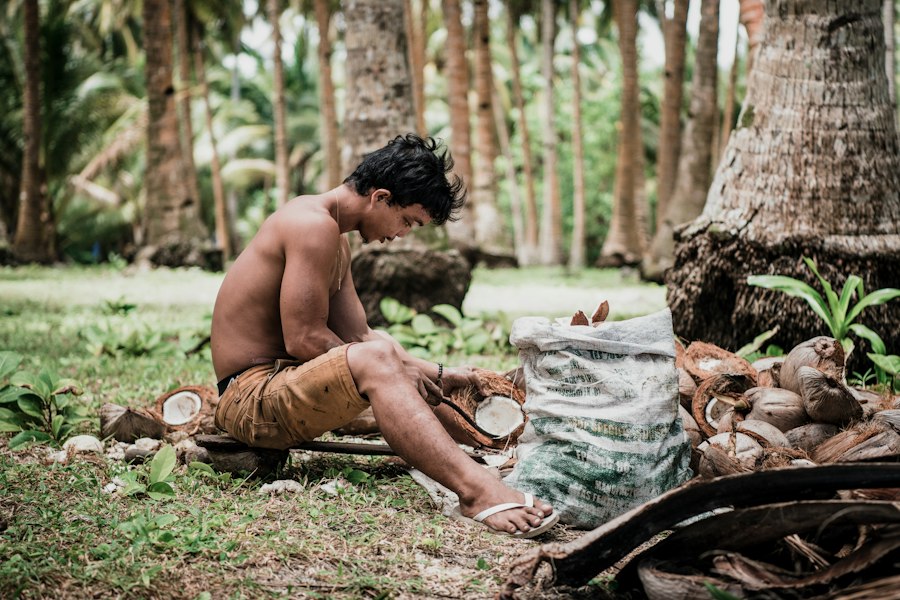
Survival in the harsh Paleolithic environment was rarely a solitary endeavor. The establishment and maintenance of strong community bonds were paramount, offering mutual protection, shared resources, and emotional support. These communities, typically consisting of small, extended family groups or bands, were the crucible in which human social behaviors were forged.
The Importance of the Band: Strength in Numbers
The typical Paleolithic group, often referred to as a band, was relatively small, numbering perhaps 20 to 50 individuals. This size was optimal for mobility, resource management, and maintaining social cohesion. Within the band, individuals relied on each other for a multitude of tasks. Children were raised communally, with multiple adults contributing to their care and education. The elderly, while perhaps less physically able to hunt or gather, were repositories of invaluable knowledge and wisdom, guiding the younger generations. The sharing of food, especially after a successful hunt, was a fundamental aspect of community life, ensuring that no one starved. This practice fostered a sense of shared destiny and responsibility.
Division of Labor: Complementary Skills for Collective Success
While not rigidly defined in the way modern societies understand it, there was a discernible division of labor within Paleolithic bands, largely based on age and biological sex, but also on individual aptitude. Men were generally more involved in the physically demanding and dangerous tasks of hunting large game and defending the territory. Women, due to their child-bearing and rearing roles, often focused on gathering, processing food, caring for the young, and maintaining the camp. However, these roles were not absolute and likely varied depending on the specific needs of the band and the available resources. The key was complementarity; each individual’s contribution, regardless of its nature, was essential for the overall well-being and survival of the group. This interdependence fostered a deep appreciation for the contributions of others.
Social Norms and Conflict Resolution: Maintaining Harmony
Living in close proximity, with limited resources, necessitated the development of social norms and mechanisms for conflict resolution. While direct evidence of their legal systems is, of course, absent, archaeological findings and anthropological comparisons with contemporary hunter-gatherer societies suggest that disputes were likely mediated by elders or respected individuals within the band. Ostracism, the exclusion from the group, would have been a severe punishment, as solitary survival was extremely difficult. Cooperation, sharing, and the avoidance of excessive conflict were therefore not just desirable but essential for group cohesion and survival. The emphasis was on maintaining harmony within the unit to maximize their collective chances against the formidable challenges of their environment.
The Hearth and Home: Shelter and Daily Rhythms
The concept of “home” for Paleolithic peoples was far from the static structures we know today. Their dwellings were often temporary, adapted to their nomadic lifestyle, and intimately connected to the natural landscape. The heart of their living space, however, was the hearth, a focal point for sustenance, warmth, and social interaction.
Nomadic Dwellings: Adapting to the Landscape
Paleolithic peoples were largely nomadic, following game herds and seasonal plant cycles. Their shelters reflected this mobility. They utilized natural features like caves and rock overhangs, offering immediate protection from the elements. When these were unavailable or insufficient, they constructed temporary shelters. These might have been simple lean-tos made from branches and hides, or more elaborate structures constructed from animal bones, mammoth tusks, and turf. The choice of location for a camp was strategic, considering access to water, food sources, and defensible positions. These were not permanent homes in the modern sense, but rather functional and adaptable shelters that provided respite and security for a period before the band moved on.
The Centrality of the Fire: More Than Just Warmth
The fire was more than just a source of heat and light; it was the social and practical nucleus of the camp. It was where food was cooked, providing nourishment and extending its preservation. Around the fire, stories were shared, knowledge was imparted, and social bonds were reinforced. It offered protection from nocturnal predators and created a sense of security in the vast, often dark, wilderness. The tending of the fire was a communal responsibility, ensuring its continuous presence. The smell of smoke and the crackling of flames were constant companions, defining the sensory landscape of their daily lives.
Daily Activities: A Cycle of Effort and Rest
The daily rhythm of Paleolithic life was dictated by the sun and the immediate needs of the band. Mornings often began with the departure of hunting parties, while others engaged in gathering, tool maintenance, or childcare. The midday sun might bring a period of rest or continued work, depending on the season and local conditions. As dusk approached, hunting parties would return, and the band would gather around the fire to share their bounty, prepare food, and engage in social activities. Evenings were a time for communal bonding, storytelling, and planning for the days ahead. This cycle of effort, rest, and communal activity was the predictable, yet ever-changing, pattern of their existence.
Communication and Culture: Echoes of the Mind
While direct linguistic evidence from the Paleolithic era is impossible to obtain, the archaeological record offers compelling glimpses into the cognitive abilities and burgeoning cultural expressions of these early humans. Their ability to communicate complex ideas, pass on knowledge, and engage in symbolic thought laid the groundwork for all subsequent human cultural development.
The Dawn of Symbolic Thought: Art and Adornment
The emergence of art, in the form of cave paintings, portable figurines, and personal adornments, is a powerful testament to the development of symbolic thought. These creations, dating back tens of thousands of years, were not merely decorative. They likely served a variety of purposes, including religious rituals, storytelling, recording important events, or conveying status. The intricate designs and the selection of specific pigments demonstrate a sophisticated understanding of aesthetics and symbolism. The carving of beads, pendants, and other personal ornaments indicates a desire for self-expression and the establishment of individual identity within the group. These artistic expressions offer a window into the minds of our ancestors, revealing their capacity for abstract thought and their engagement with the world beyond immediate survival needs.
Oral Traditions and Knowledge Transfer: The Wisdom of Ages
In the absence of written language, knowledge was transmitted through oral traditions. Elders and experienced individuals held vast stores of information about the environment, animal behavior, plant properties, tool-making techniques, and social customs. This knowledge was passed down through storytelling, songs, and practical demonstration. The success of the band depended on the effective transfer of this accumulated wisdom, ensuring that each generation could navigate the challenges of their world. This reliance on oral traditions highlights the importance of memory, active listening, and the communal sharing of information.
Ritual and Belief Systems: Seeking Meaning in the World
The presence of burial practices, often accompanied by grave goods, suggests the existence of rudimentary belief systems and a dawning awareness of mortality and perhaps an afterlife. The careful placement of the deceased, along with tools, ornaments, or animal remains, indicates a respect for the dead and an attempt to provide for them in some form of existence beyond the living. While the specifics of their spiritual beliefs remain largely speculative, the evidence points towards an early human inclination to seek meaning in the world, to understand their place within the cosmos, and to engage with forces they may have perceived as supernatural. These early rituals and beliefs were likely interwoven with their daily lives, offering comfort and structure in a world that was often unpredictable and awe-inspiring.
The daily life of Paleolithic hunter-gatherers was shaped by their environment and the resources available to them, as they relied on foraging and hunting for survival. Their social structures, tool-making skills, and seasonal migration patterns played crucial roles in their ability to thrive in diverse landscapes. For a fascinating exploration of ancient navigation and cartography that sheds light on how early humans understood their world, you can read more about the Piri Reis map in this article. This historical document offers insights into the geographical knowledge of past civilizations and their connection to the natural world, which is essential for understanding the context in which hunter-gatherers lived. You can find the article here: Piri Reis Map.
Legacy and Evolution: Shaping the Human Trajectory
| Aspect | Details | Estimated Metrics |
|---|---|---|
| Daily Activity | Hunting, gathering, tool making, socializing | 6-8 hours of active foraging/hunting |
| Diet Composition | Wild plants, fruits, nuts, seeds, meat from hunted animals | 60-70% plant-based, 30-40% animal protein |
| Group Size | Nomadic bands | 20-50 individuals |
| Tools Used | Stone tools, bone tools, wooden spears | 10-15 different tool types commonly used |
| Shelter | Temporary huts, caves, natural shelters | Moved every few weeks to months |
| Life Expectancy | Average lifespan | 30-40 years |
| Sleep Duration | Nighttime rest | 7-9 hours per night |
| Water Intake | From natural sources like rivers and streams | 2-3 liters per day |
The daily lives of Paleolithic hunter-gatherers were not merely a chapter in the distant past; they were the crucible in which the very essence of humanity was forged. Their struggles, their innovations, and their social structures laid the foundation for everything that followed, profoundly shaping the trajectory of human evolution and the development of civilization.
Adaptability and Resilience: The Hallmarks of Survival
The Paleolithic era spanned an immense period of time, characterized by significant climatic shifts and environmental challenges. The success of hunter-gatherer societies in surviving and even thriving through these changes speaks volumes about their remarkable adaptability and resilience. They were not static beings; they were constantly innovating, learning, and adjusting their strategies to meet the demands of their evolving world. This inherent capacity for adaptation is a defining characteristic of our species and a direct legacy of our hunter-gatherer ancestors.
The Seeds of Cooperation and Social Complexity
The deep-seated need for cooperation, evident in their communal hunting, resource sharing, and child-rearing practices, was a crucial evolutionary advantage. This fostered the development of complex social structures, communication networks, and the ability to work collectively towards common goals. These early forms of social organization, honed over millennia, provided the building blocks for the larger, more complex societies that would eventually emerge. The emphasis on interdependence and mutual support laid the groundwork for altruism, empathy, and the development of intricate social rules.
Our Enduring Connection to the Natural World
The lives of Paleolithic hunter-gatherers were inextricably linked to the natural world. They possessed an intimate understanding of their environment, its cycles, and its inhabitants. This deep connection fostered a profound respect for nature, a respect that is often diminished in modern, industrialized societies. Studying their lives serves as a potent reminder of our own origins and our fundamental dependence on the health and balance of the natural world. Their existence underscores the idea that human well-being is intrinsically tied to the ecological systems that sustain us, a lesson that remains profoundly relevant in the face of contemporary environmental challenges. The Paleolithic way of life, in its essence, represents the earliest chapters of the human story, a story of survival, community, and an enduring relationship with the Earth.
