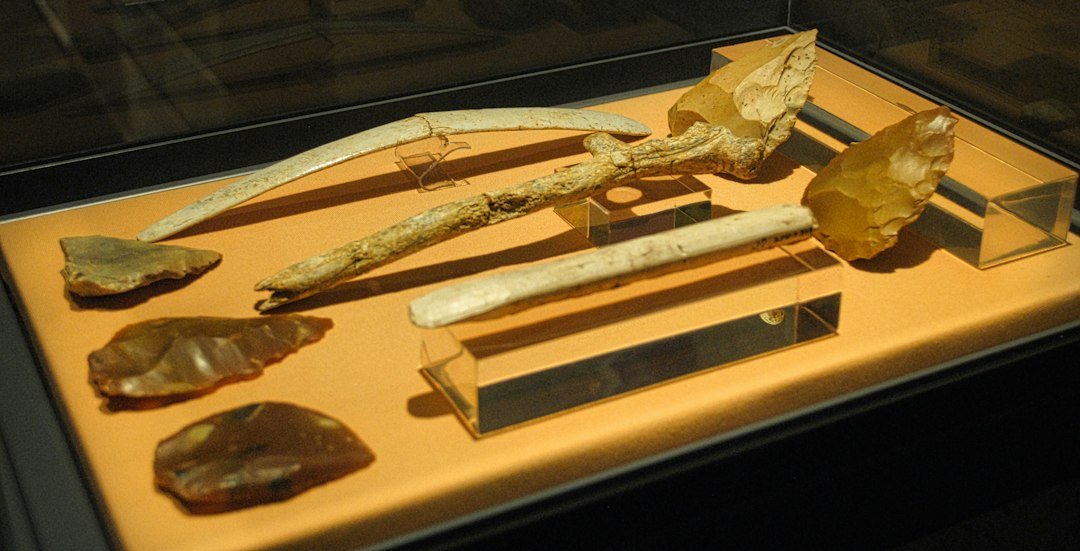
The shattered flint knapped with deliberate force, the resulting flakes offering sharp edges perfect for scraping hides or butchering game. This simple act, repeated by countless hands over millennia, offers a profound window into the minds of our prehistoric ancestors, not as abstract thinkers, but as practical survivors. Forensic archaeology, through its meticulous examination of material culture, reveals that the daily lives of these early humans were a constant exercise in ingenuity and adaptation, driven by the fundamental need to persist. Understanding these “everyday survival tactics” requires looking beyond grand discoveries of monumental structures or elaborate art and delving into the subtle traces left behind – the wear patterns on tools, the residues on pottery fragments, the very way a campsite was organized. These forensic insights paint a picture of a world demanding constant attention to resource management, strategic planning, and an intimate knowledge of the natural environment.
Tools as Silent Witnesses to Daily Struggles
The most direct evidence of prehistoric survival tactics lies in the tools themselves. Their design, use, and discard speak volumes about the challenges faced and the solutions devised. Forensic analysis goes beyond simply identifying the object; it seeks to understand its function, the skill required to produce it, and the environmental context in which it was used. This microscopic examination reveals a sophistication born of necessity, demonstrating an adaptive intelligence honed by generations of trial and error.
The Art and Science of Lithic Technology
The creation of stone tools, or lithic technology, was arguably the cornerstone of early human survival. Forensic examination of these artifacts goes far beyond mere typology. Researchers meticulously analyze flake scars, striking platforms, and the overall morphology of a tool to deduce the knapping technique employed. This allows them to reconstruct the cognitive processes involved in tool production, understanding the mental templates and learned behaviors that guided the shaping of raw materials into functional implements.
The study of microscopic wear patterns on tool edges, known as use-wear analysis, is particularly illuminating. Polish, striations, and micro-fractures can reveal the specific materials a tool interacted with. A scraper with a distinct sheen might have been used to process animal hides, a painstaking process essential for warmth and shelter. A sharp flake with fine, parallel striations could indicate its use in cutting plant fibers for cordage or basketry, vital for food storage and carrying. The angle and force of impact inferred from wear can even suggest the type of task performed, whether it was chopping wood, butchering meat, or scraping bone.
Furthermore, the distribution and type of lithic debris found at archaeological sites provide insights into the scale and nature of tool manufacture. Evidence of primary flaking, where large cores are reduced to manageable pieces, suggests the initial stages of tool production. The presence of secondary and tertiary flakes, along with exhausted cores, indicates more refined shaping and the creation of smaller, specialized tools. The careful selection of raw materials, often transported over significant distances, points to a sophisticated understanding of local geology and resource availability, a critical aspect of survival in often resource-scarce environments. The presence of specific tool types in particular contexts can also indicate specialized activities, such as the concentration of projectile points at kill sites, demonstrating a clear understanding of hunting strategies.
Bone and Antler: More Than Just Raw Materials
Beyond stone, bone and antler were invaluable resources for prehistoric toolkits. Forensic analysis of these organic materials reveals their transformation from discarded animal parts into implements of survival. Techniques like differential weathering, microscopic pitting, and the presence of cut marks are examined to understand how these materials were processed. The intentional shaping of bone into awls, needles, and harpoons showcases a remarkable ability to exploit every aspect of a hunted animal.
Awls, for example, with their finely pointed tips and polished shafts, were crucial for piercing hides to create clothing and shelters. The microscopic wear on these tools can indicate the thickness and type of material pierced. Needles, often with delicate eyes, are testament to the development of sewing techniques, allowing for the creation of more complex and effective garments. Harpoons, with their barbed tips, were sophisticated hunting tools, designed to secure prey in aquatic environments. The presence of these tools in specific contexts, such as near ancient riverbeds or lakeshores, further strengthens their functional interpretation.
The modification of antler, known for its strength and durability, led to the creation of tools like adzes and chisels, essential for woodworking and the construction of more permanent structures or larger tools. The fracture patterns on worked antler can reveal the force and direction of blows, offering clues about the tasks these tools were employed for. The careful selection of specific antler sections, often those that are dense and less porous, demonstrates an empirical knowledge of material properties crucial for tool longevity and effectiveness. The residues found on bone and antler tools can also provide further clues about their use, such as traces of fat or protein that might have been processed.
For those interested in the intersection of ancient survival techniques and modern technology, a fascinating article explores the forensic examination of everyday prehistoric survival strategies. This piece delves into how our ancestors adapted to their environments, utilizing available resources to thrive. To further understand the implications of survival in today’s context, you can read about the importance of securing commercial satellites and defending against cyber attacks in this related article: Securing Commercial Satellites: Defending Against Cyber Attacks.
Fire: The Controlled Hearth of Prehistoric Life

Fire was not merely a source of warmth; it was a transformative technology that fundamentally altered the survival landscape for prehistoric humans. Forensic archaeology provides a tangible record of its control and application, revealing its multifaceted role in food preparation, tool making, and social cohesion. The evidence for fire use ranges from hearth structures and ash deposits to charred materials and distinctive soil alterations.
The Culinary Revolution: Cooking and Preservation
The advent of controlled fire marked a significant shift in human diet and nutrition. Forensic analysis of charred food residues found in hearths and on cooking implements reveals the dietary habits of our ancestors. Plant materials, such as tubers and seeds, become more digestible and nutritious when cooked, unlocking a wider range of food sources. Similarly, cooking meat breaks down tough connective tissues, making it easier to chew and digest, and critically, killing harmful bacteria and parasites.
The presence of specific cooking vessels, such as early pottery fragments or heated stones, provides further evidence. Residue analysis on these artifacts can identify the types of food cooked, offering insights into prehistoric culinary practices. The systematic charring of animal bones at some sites suggests deliberate cooking methods, perhaps roasting or boiling, to extract nutrients or to preserve meat for later consumption. The development of cooking techniques also likely played a role in social development, as communal cooking and sharing of food fostered cooperation and group identity.
Crafting and Communication: Fire’s Wider Influence
Beyond the hearth, fire played a crucial role in other survival activities. Its use in hardening wooden tool tips, such as spear shafts, increased their durability and effectiveness. Charred wooden artifacts found at archaeological sites, with distinct patterns of burning, can indicate this process. The creation of charcoal, a highly effective fuel, was also a direct consequence of controlled fire, enabling more efficient and sustained heating for various purposes.
Furthermore, fire served as a powerful signaling tool and a deterrent against predators. While direct archaeological evidence of signaling is scarce, the strategic placement of hearths in exposed locations, visible from a distance, hints at this possibility. The ability to create and maintain a fire would have provided a significant psychological advantage, offering protection and a sense of security in a potentially dangerous world. The controlled burning of certain landscapes, though difficult to prove definitively, might also have been a tactic to drive game towards hunters or to clear areas for settlement, showcasing an early form of landscape management.
Shelters and Settlements: Building Resilience Against the Elements

The need for shelter from harsh weather and predators was a constant driver of innovation for prehistoric peoples. Forensic examination of settlement patterns, structural remains, and the associated material culture allows archaeologists to reconstruct the evolution of shelters and understand the strategic decisions behind their construction and placement. These are not just static dwellings but dynamic spaces shaped by environmental pressures and social needs.
From Caves to Constructed Dwellings
Early hominins likely utilized natural shelters like caves and rock overhangs. Forensic evidence from these sites includes the accumulation of debris, the presence of hearths, and discarded tools, all indicating prolonged occupation. However, as populations grew and mobility patterns evolved, the construction of more deliberate shelters became necessary.
The earliest constructed shelters were likely simple, ephemeral structures made from perishable materials like branches, leaves, and animal hides. While direct evidence of these is rare, subtle changes in soil composition, postholes, and the distribution of artifacts can sometimes indicate the footprint of such structures. Over time, more robust shelters emerged, employing animal bones, stones, and wood as structural elements. The careful arrangement of these materials, the presence of windbreaks, and the orientation of entrances relative to prevailing winds all reveal an understanding of local microclimates and an effort to optimize comfort and protection.
Strategic Site Selection: Geography as a Survival Asset
The location of settlements was not arbitrary. Forensic analysis of settlement distribution, coupled with paleoenvironmental reconstructions, highlights the strategic importance of site selection. Proximity to reliable water sources, fertile hunting grounds, and defensible terrain were paramount considerations. Sites located on elevated ground offered better visibility and protection from predators, while those near rivers or lakes provided access to aquatic resources and transportation routes.
The organization of activity areas within settlements also reveals tactical thinking. Evidence of distinct zones for tool making, food processing, and sleeping suggests a level of social organization and an understanding of how to maximize efficiency and minimize disruption within the living space. The presence of defensive features, such as palisades or strategically placed natural barriers, further underscores the constant need for security. The study of artifact scatters around settlements can reveal the extent of daily foraging and hunting territories, providing a spatial dimension to their survival strategies.
Resource Management: The Art of Sustaining Life
The ability to effectively manage and exploit available resources was fundamental to prehistoric survival. Forensic archaeology uncovers the strategies employed for obtaining, processing, and conserving food, water, and other essential materials, demonstrating a sophisticated understanding of ecological principles long before their formal scientific study.
Hunting and Gathering: A Deep Ecological Knowledge
The hunting and gathering lifestyle demanded an intimate knowledge of the local flora and fauna. Forensic analysis of faunal remains provides direct evidence of prey species, their ages, and the methods used to hunt them. The presence of specific cut marks on bones can reveal butchering techniques, while the distribution of different animal bones across a site can indicate how carcasses were processed and transported.
Similarly, the analysis of botanical remains, such as seeds, pollen, and phytoliths (microscopic silica bodies from plants), reveals the plant species that were consumed. Charred seeds often indicate cooking or processing, while the presence of certain plant remains in hearths might suggest their use as fuel or for medicinal purposes. The careful collection and storage of these resources, evidenced by the presence of grinding stones or storage pits, highlight a forward-thinking approach to food security. The understanding of seasonal availability of different resources, and the planning required to exploit them during their peak, is a crucial aspect of this resource management.
Water Procurement and Tool Technology
Access to potable water was as critical as food. Forensic evidence, such as the location of settlements near ancient water sources and the presence of specific tool types that could have been used for water collection, sheds light on this vital aspect of survival. The discovery of natural water catchment features or early attempts at water management, however rudimentary, speaks to a proactive approach to resource acquisition.
The development of technologies for carrying and storing water, such as animal bladders or rudimentary pottery vessels, further demonstrates resourcefulness. The wear patterns on these containers can offer clues about their use and the effort involved in their creation and maintenance. The ability to predict rainfall patterns or to locate hidden water sources would have been invaluable skills, honed through observation and passed down through generations. The careful selection of tool materials that were suitable for water-related tasks, such as porous stones for filtering, further illustrates this adaptive ingenuity.
In examining the intricate details of prehistoric survival, one can gain valuable insights into the daily lives of our ancient ancestors. A fascinating article that delves into this topic is available at Exploring the Mysterious Secrets of Ancient Palace Ruins, which highlights how archaeological findings reveal the strategies and adaptations that were crucial for survival in a challenging environment. By understanding these aspects, we can better appreciate the resilience and ingenuity of those who lived thousands of years ago.
Social Dynamics and Communication: The Fabric of Survival
| Aspect | Metric/Data | Forensic Evidence | Interpretation |
|---|---|---|---|
| Diet | Stable isotope analysis of bone collagen | Carbon and nitrogen isotope ratios | Indicates consumption of plants vs. meat and aquatic resources |
| Tool Use | Stone tool wear patterns | Microscopic striations and residue analysis | Reveals types of materials processed (wood, bone, hide) |
| Injury Patterns | Bone trauma frequency and type | Healed fractures, cut marks, blunt force trauma | Insights into accidents, interpersonal violence, or hunting injuries |
| Health Status | Dental wear and pathology | Caries, enamel hypoplasia, tooth loss | Reflects diet quality, nutritional stress, and lifespan |
| Fire Use | Charcoal and burnt bone residues | Microscopic charcoal particles and heat-altered bones | Evidence of cooking, warmth, and protection |
| Habitat | Pollen and phytolith analysis | Plant microfossils in sediment layers | Reconstruction of local vegetation and climate conditions |
| Mobility | Strontium isotope ratios in teeth and bones | Geochemical signatures reflecting geographic origin | Indicates migration patterns and territorial range |
While often overlooked in favor of material culture, the forensic insights into social dynamics and communication offer a more complete picture of prehistoric survival. The ways in which individuals interacted, shared knowledge, and organized themselves were crucial for the collective success of the group.
Cooperation and Specialization in Daily Tasks
The evidence from archaeological sites often points to cooperative efforts. The construction of shelters, the processing of large game, and the shared responsibility for gathering resources would have required a degree of social organization and communication. The presence of specialized tools used by individuals within a group, such as finely crafted projectile points likely made by skilled hunters, suggests a division of labor. This specialization, driven by the need for efficiency, would have contributed to the overall survival of the community.
The analysis of skeletal remains can also provide insights into social dynamics. Evidence of healed fractures indicates individuals who survived significant injuries, suggesting that they received care and support from their community. The presence of ritualistic burial practices, even in their earliest forms, hints at shared beliefs and social structures that transcended immediate survival needs. The sharing of tools and resources, inferred from their distribution at sites, further points to cooperative behaviors.
The Dawn of Symbolic Thought and Information Exchange
While prehistoric communication was primarily oral, forensic evidence offers glimpses into the developing capacity for symbolic thought and information exchange. The creation of abstract designs on tools, cave paintings, and early forms of adornment suggest the ability to represent ideas and to communicate beyond the immediate needs of survival. These early forms of art and symbolism may have served to reinforce group identity, transmit knowledge about the environment, or express spiritual beliefs.
The very act of creating and sharing these symbolic representations, however abstract, represents a leap in cognitive ability. It suggests a capacity for abstract thought, planning, and the transmission of complex information across generations. The careful crafting of decorative elements on tools, for instance, may have served not only aesthetic purposes but also as markers of status or identity within the group. The shared understanding and interpretation of these symbols were crucial for maintaining social cohesion and facilitating the collective survival of the group in a challenging world. These enduring traces, meticulously analyzed by forensic archaeologists, continue to illuminate the remarkable ingenuity and adaptive prowess of our prehistoric ancestors.
