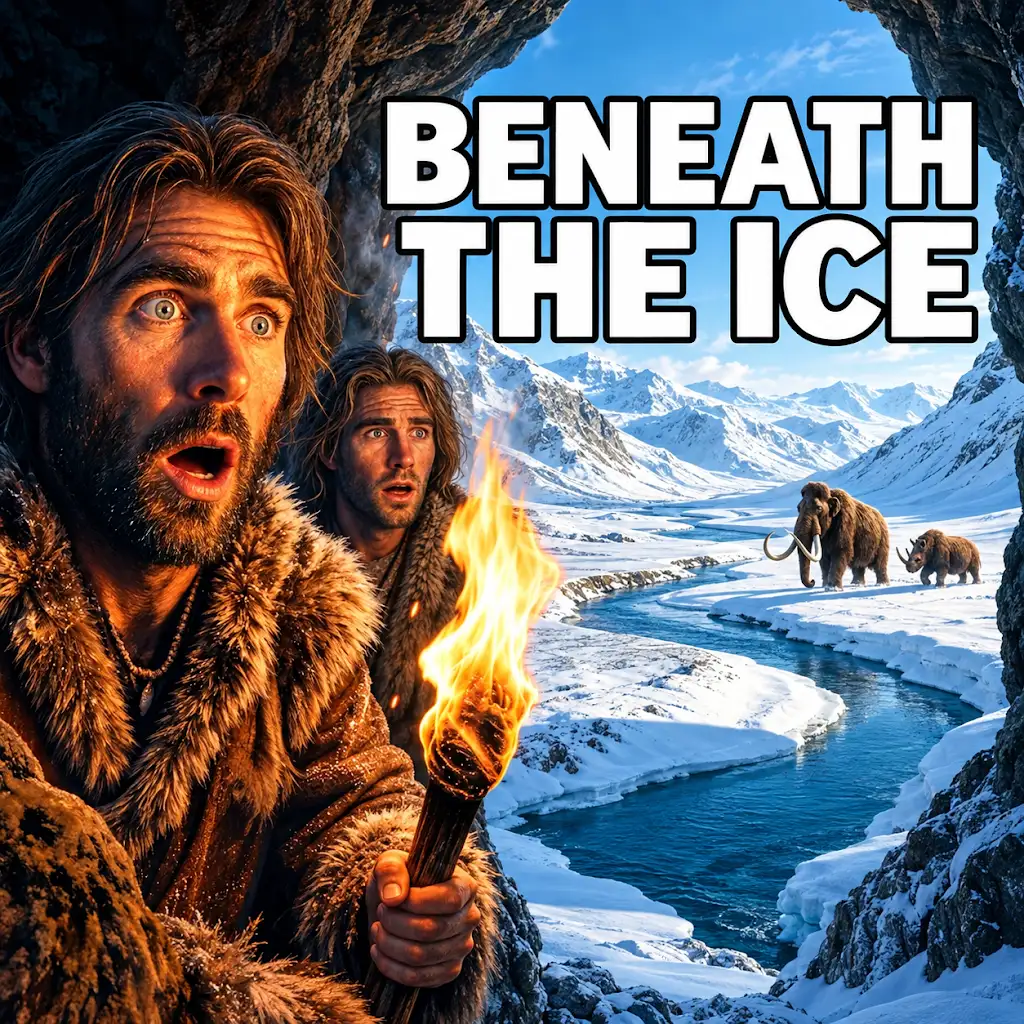
The chill of an ancient world is palpable in “Pleistocene Epoch Megafauna: Giants of the Ice Age Revealed,” a documentary that plunges viewers into an era of colossal creatures and dramatic landscapes. This cinematic journey, presented in breathtaking detail, offers an unprecedented look at the magnificent megafauna that once roamed a planet vastly different from our own. From the frozen tundras of the north to the sweeping savannas of the south, the film meticulously reconstructs the lives, behaviors, and ultimate fates of these magnificent beasts, leaving audiences awestruck by the sheer scale and power that once characterized Earth’s ecosystems.
Echoes of a Frozen World
The documentary opens with a stark and powerful evocation of the Pleistocene epoch, a period spanning roughly 2.6 million to 11,700 years ago. The visuals are immediate and immersive, transporting the audience to a landscape shaped by immense glaciers and fluctuating climates. The filmmakers utilize a combination of cutting-edge CGI, paleontological evidence, and expert narration to bring this lost world to life. The stark beauty of the glacial landscapes, the biting winds, and the vast, untamed wilderness are all rendered with a fidelity that allows viewers to feel the biting cold and the pervasive sense of raw, untamed nature.
The Architects of the Ice Age
The term “megafauna” itself evokes images of immense size, and “Giants of the Ice Age Revealed” does not disappoint. The film meticulously introduces a pantheon of prehistoric titans, each more impressive than the last. The woolly mammoth, a symbol of the Ice Age for many, is presented not just as a creature of myth but as a complex animal with intricate social structures and remarkable adaptations for survival. Its shaggy coat, its immense tusks, and its ponderous gait are all brought to life with stunning realism, allowing viewers to appreciate the challenges it faced in its frigid environment.
Beyond the familiar mammoth, the documentary delves into the lives of other equally awe-inspiring creatures. The saber-toothed cat, Smilodon fatalis, is depicted as a formidable apex predator, its massive canine teeth a testament to its hunting prowess. The film explores the biomechanics of its attack, the likely prey it targeted, and the strategic advantages its unique dentition provided. Viewers witness animated sequences that reconstruct hunting scenarios, illustrating the brutal efficiency of these ancient carnivores. The dire wolf, a larger and more robust cousin of modern wolves, is also prominently featured, its pack dynamics and predatory strategies examined in detail. The sheer power and coordinated hunting efforts of these ancient canine predators are a captivating sight.
The film also introduces viewers to a menagerie of less commonly known, yet equally fascinating, megafauna. The glyptodon, an enormous armadillo-like creature with a car-sized shell, is portrayed as a gentle giant, its formidable defense mechanism a passive but effective deterrent against predators. The short-faced bear, Arctodus simus, a creature of truly colossal proportions, is presented as a potential omnivore with an insatiable appetite. Its immense size and powerful build are emphasized, sparking contemplation about its ecological role and its interactions with other megafauna. The documentary doesn’t shy away from the sheer diversity of these creatures, showcasing herbivores, carnivores, and omnivores, each playing a vital role in their respective ecosystems.
For those interested in the fascinating world of Pleistocene epoch megafauna, a related article that explores the impact of ancient ecosystems on modern trade and environmental policies can be found at this link. The documentary highlights the diverse range of large mammals that roamed the Earth during this period, while the article delves into how historical ecological changes continue to influence current trade alignments and environmental strategies. Together, they provide a comprehensive view of how our past shapes the present.
The Tapestry of Life

The documentary masterfully weaves together the individual stories of these giants, illustrating the intricate web of life that characterized the Pleistocene. It goes beyond simply showcasing individual species, instead focusing on their interactions, their ecological roles, and the delicate balance that governed their existence. The film highlights the crucial role of herbivorous megafauna in shaping landscapes through grazing and seed dispersal, demonstrating how their presence influenced plant communities and, in turn, supported a vast array of other life forms.
Predator and Prey Dynamics
A significant portion of “Giants of the Ice Age Revealed” is dedicated to exploring the complex relationships between predators and prey. The film meticulously reconstructs hunting strategies, illustrating how the massive herbivores evolved defenses and how their sheer size and collective behavior offered protection. The power and agility of predators like the saber-toothed cat are contrasted with the immense strength and resilience of their prey. Animations of chase sequences, the successful hunts, and the close calls offer a visceral understanding of the constant struggle for survival that defined the era.
The documentary also examines the role of scavengers, highlighting the opportunistic nature of creatures like vultures and hyenas, which played a vital role in cleaning up carcasses and recycling nutrients. The interactions between different predator species are also explored, illustrating territorial disputes, cooperative hunting efforts, and the constant competition for resources. The film emphasizes that this was not a world of simple binaries but a dynamic and complex ecosystem where every organism played a part in the grander scheme of things.
Environmental Influences
The impact of the changing Ice Age climate on these creatures is another central theme. The documentary illustrates how periods of glaciation and interglacial warming directly influenced the distribution, migration patterns, and survival of megafauna. As glaciers advanced, habitats would shrink, forcing animals to adapt, migrate, or face extinction. Conversely, warmer periods could lead to the expansion of forests and grasslands, opening up new territories and food sources.
The film draws connections between the availability of food, water, and shelter with the success or failure of megafauna populations. It explores how shifts in vegetation, driven by climate change, would impact the herbivores, which in turn would affect the carnivores that preyed upon them. The concept of “refugia,” isolated pockets of habitable land during harsh climatic periods, is also discussed, highlighting how these areas may have served as vital sanctuaries for certain species. The visual representation of these environmental shifts, from vast ice sheets to blooming tundra, effectively underscores the dynamic and ever-changing nature of the Pleistocene world.
The Enigma of Extinction

One of the most compelling aspects of “Giants of the Ice Age Revealed” is its exploration of the profound mystery surrounding the extinction of so much of this magnificent megafauna. The documentary presents the prevailing scientific theories, acknowledging the complexity and the likely multifactorial nature of these disappearances. It avoids presenting a single, definitive answer, instead offering a balanced overview of the evidence and the ongoing scientific debate.
The Dual Threats: Climate and Humans
The film meticulously examines the two primary drivers widely believed to have contributed to the megafauna extinctions: climate change and the arrival of modern humans. The impact of rapid climatic shifts, particularly at the end of the Pleistocene, is presented as a significant factor. Rapid warming, altered precipitation patterns, and changes in vegetation could have disrupted food chains and habitats, making it difficult for large, specialized animals to adapt quickly enough.
However, the documentary also dedicates substantial attention to the role of human colonization. The arrival of Homo sapiens in new territories, armed with advanced hunting technologies and increasingly sophisticated social structures, is presented as a powerful new selective pressure. The film explores the concept of the “overkill hypothesis,” suggesting that human hunting may have significantly depleted megafauna populations, pushing them towards extinction. Evidence from archaeological sites, such as kill sites and the presence of human tools alongside megafauna remains, is presented to support this theory. The documentary carefully balances these two factors, acknowledging that it was likely a complex interplay between environmental pressures and human impact that ultimately led to the demise of these giants.
The Pleistocene epoch was a fascinating time in Earth’s history, characterized by the presence of megafauna such as mammoths and saber-toothed cats. These colossal creatures roamed the planet, adapting to the changing climates and landscapes. For those interested in understanding how ancient societies interacted with their environment and the rituals they developed for survival, a related article explores the significance of ancient rituals for abundance during times of scarcity. You can read more about these intriguing practices in the article on surviving famine, which sheds light on how early humans may have coped with challenges similar to those faced by megafauna. Check it out here.
Unanswered Questions and Ongoing Research
Despite the advancements in paleontology and climate science, “Giants of the Ice Age Revealed” acknowledges that many questions remain about the exact mechanisms and timing of these extinctions. The documentary highlights ongoing research, showcasing new fossil discoveries, advanced dating techniques, and sophisticated modeling that continue to refine our understanding. It emphasizes that the story of megafauna extinction is not a closed chapter but an evolving narrative, with new evidence constantly challenging and shaping existing hypotheses.
The film also touches upon the concept of “extinction debt,” the idea that even after the initial extinction event, the ecological repercussions can continue to unfold over long periods. It prompts viewers to consider the lasting impact of these extinctions on modern ecosystems and the lessons that can be learned from the past. The documentary concludes by underscoring the importance of continued scientific inquiry and the value of preserving the fossil record as a window into Earth’s dynamic history.
Legacy and Lessons for Today
“Pleistocene Epoch Megafauna: Giants of the Ice Age Revealed” is more than just a retrospective look at prehistoric creatures; it is a powerful reminder of the fragility of life and the profound impact that both environmental change and human activity can have on the planet’s biodiversity. The documentary leaves the audience with a sense of awe for the natural world and a deeper appreciation for the interconnectedness of all living things.
The Importance of Conservation
The film draws a clear parallel between the extinctions of the Pleistocene and the biodiversity crisis facing the planet today. By showcasing the dramatic loss of megafauna, it serves as a stark warning about the potential consequences of unchecked environmental degradation and unsustainable practices. The documentary implicitly argues for the importance of conservation efforts, highlighting the need to protect existing habitats and prevent further species loss. The lessons learned from the past, about the vulnerability of large, specialized animals to environmental shifts and human pressures, are directly applicable to the challenges of modern conservation.
A Window into Earth’s Past
Ultimately, “Giants of the Ice Age Revealed” serves as an invaluable educational tool. It demystifies a period of Earth’s history that often feels distant and abstract, bringing it to life with vivid imagery and compelling narratives. The documentary fosters a sense of wonder and curiosity about the natural world, encouraging viewers to explore further and to engage with scientific research. By revealing the giants of the Ice Age, the film offers a profound insight into the evolutionary journey of life on Earth and the ever-present forces of change that have shaped our planet. The grandeur and the tragedy of the megafauna’s story resonate deeply, leaving an indelible mark on the viewer’s understanding of the natural world.