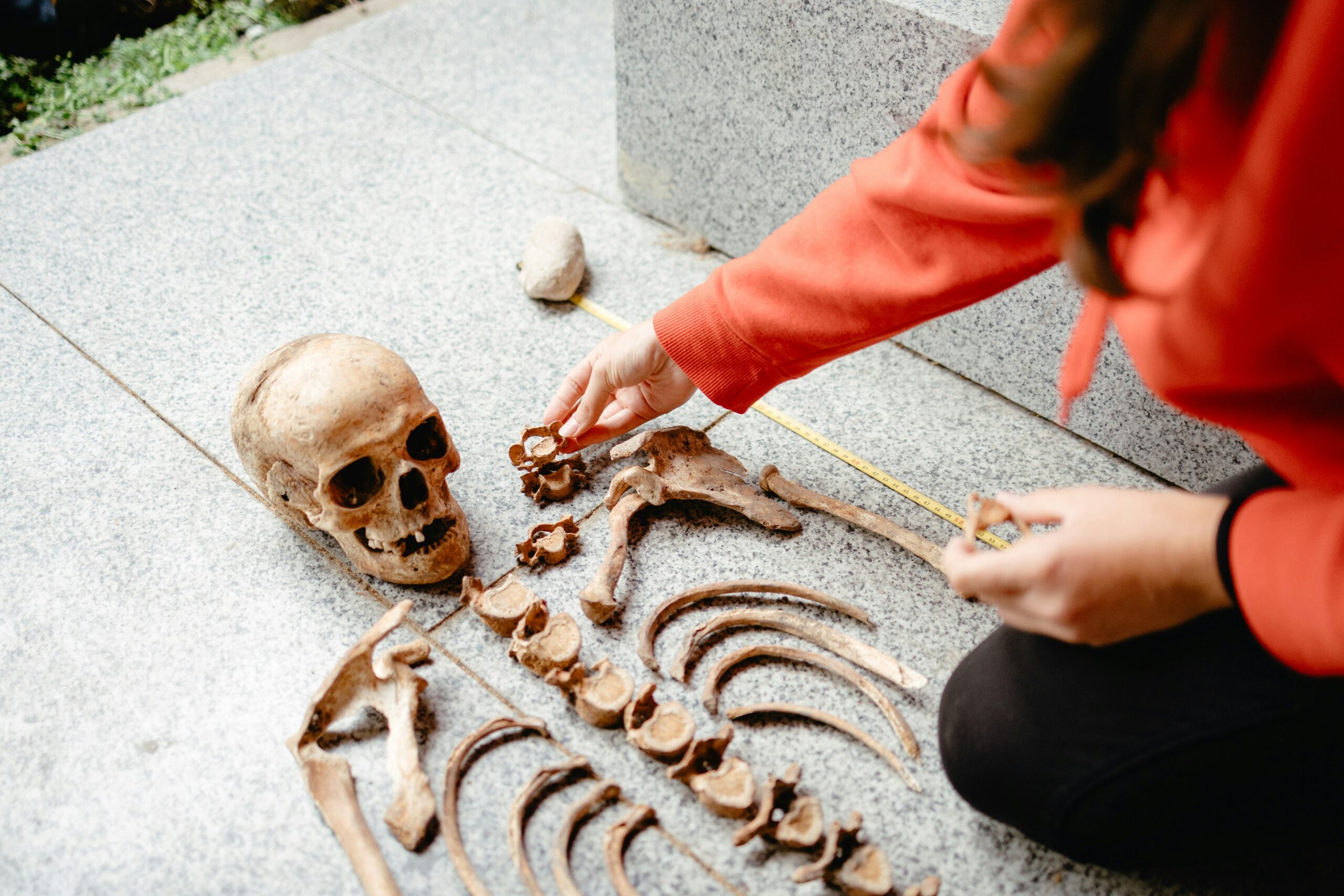
Forensic archaeology, a discipline that often conjures images of crime scene investigations, plays a far broader and more profound role in understanding the human story. It is a powerful lens through which the past can be meticulously reconstructed, revealing not only the fate of individuals but also the intricate tapestry of human adaptation across millennia. By employing archaeological principles and techniques to interpret the physical evidence left behind, forensic archaeologists unlock secrets about how our ancestors lived, thrived, and succumbed to the challenges of their environments. This field bridges the gap between the stark realities of death and the vibrant narrative of human resilience and ingenuity.
Excavating the Evidence of Human Ingenuity
The core of forensic archaeology lies in its ability to extract meaningful data from buried remains and associated contexts. Unlike conventional archaeology that might focus on monumental structures or broad cultural trends, forensic archaeology often zeroes in on specific individuals or small groups, examining the minutiae of their existence to understand their adaptive strategies. This involves a rigorous methodology, meticulously documenting every artifact, feature, and depositional layer. The soil itself becomes a record, bearing witness to the activities and transformations that have occurred over time.
The Archaeological Toolkit for Forensic Inquiry
The tools of the forensic archaeologist are varied and sophisticated, drawing from both classical archaeological methods and modern scientific advancements. Excavation, whether systematic or targeted, is paramount. The process is not simply digging; it is a controlled removal of layers of sediment, each representing a discrete period of deposition. Stratigraphy, the study of these layers and their chronological relationships, is fundamental to establishing a sequence of events. Tools range from trowels and brushes for delicate work to heavy machinery for larger-scale site clearing, all used with the utmost care to preserve fragile evidence.
Beyond excavation, a suite of analytical techniques informs the interpretation of findings. Soil analysis can reveal evidence of agricultural practices, waste disposal, or even the presence of specific chemical residues indicating ancient activities. Geophysical survey methods, such as ground-penetrating radar (GPR) and magnetometry, can non-invasively detect buried features and anomalies, guiding excavation efforts and minimizing disturbance. The meticulous recording of spatial relationships between artifacts and features, often using total stations and GPS, allows for the creation of detailed three-dimensional maps that are crucial for reconstructing events.
Interpreting the Material Record of Daily Life
The artifacts unearthed by forensic archaeologists are not mere curiosities; they are tangible remnants of human behavior and adaptation. Pottery shards, lithic tools, and remnants of textiles, for instance, speak volumes about technological capabilities, resource utilization, and social organization. The presence or absence of certain types of tools can indicate changes in subsistence strategies, such as the shift from hunting and gathering to agriculture. The analysis of wear patterns on tools can reveal the specific tasks they were used for, offering insights into the division of labor and specialized skills within a community.
Furthermore, the study of hearths and food remains provides direct evidence of diet and cooking practices. The processing of animal bones can indicate butchery techniques and the types of animals being consumed. The identification of plant remains, through flotation and other methods, can reveal dietary staples, agricultural crops, and the use of wild plants for food or medicinal purposes. These seemingly mundane details are critical in understanding how ancient populations nourished themselves, managed their food resources, and adapted to the available flora and fauna.
Forensic archaeology plays a crucial role in understanding human adaptation to various environmental challenges, including desertification. A related article that explores the impact of desertification on land preservation and human resilience can be found at this link. This article discusses the strategies employed by communities to combat the effects of desertification, highlighting the importance of archaeological insights in informing sustainable practices and enhancing our understanding of human adaptation over time.
Uncovering Patterns of Settlement and Subsistence

Forensic archaeology is instrumental in reconstructing how human populations established themselves in particular environments and how their subsistence strategies evolved in response to ecological and social pressures. The location and layout of settlements, the types of structures built, and the proximity to essential resources all offer profound insights into adaptive behaviors.
Spatial Analysis of Habitation Sites
The spatial distribution of archaeological features within a settlement provides a blueprint of daily life. The placement of dwellings, storage areas, workshops, and communal spaces reveals patterns of social interaction, economic activity, and the organization of labor. For example, the clustering of specific artifact types within certain areas might indicate specialized craft production, while the distribution of hearths could reveal family units or communal gathering points. The analysis of the relationship between settlements and their surrounding landscape—identifying proximity to water sources, arable land, and hunting grounds—is crucial for understanding their adaptive strategies.
The study of settlement patterns can also illuminate population dynamics and migration. Changes in settlement size, density, and distribution over time can indicate population growth, decline, or movement in response to environmental changes, resource depletion, or social upheaval. Forensic archaeologists meticulously map these patterns, using statistical analyses to identify significant trends and correlations that might otherwise remain obscured.
Dietary Shifts and Resource Management
The analysis of faunal and floral remains recovered from archaeological sites is a cornerstone of understanding past diets and resource management practices. The identification of specific animal species and their age profiles can reveal hunting strategies and the domestication of animals. Similarly, the types of cultivated plants and their distribution within a settlement can illuminate agricultural techniques, crop rotation, and the storage of food surpluses.
Forensic archaeologists often employ isotopic analysis of human skeletal remains to gain direct insights into diet. By examining the ratios of stable isotopes of carbon, nitrogen, and strontium in bones and teeth, they can reconstruct the proportion of plant-based versus animal-based foods consumed, as well as infer the geographic origins of individuals, offering clues about mobility and resource utilization. These dietary reconstructions are vital for understanding how ancient populations adapted to the nutritional challenges and opportunities of their respective environments.
Reconstructing Social Structures and Cultural Practices

Beyond the practicalities of survival, forensic archaeology offers a unique window into the social fabric and cultural expressions of past societies. The organization of burials, the presence of specific artifacts associated with social status, and the evidence of ritualistic practices all contribute to a richer understanding of human adaptation in its broadest sense.
Burial Practices as Indicators of Social Hierarchy
The way in which individuals are buried can reveal a great deal about their social standing, beliefs about the afterlife, and the structure of their society. Elaborate burials with grave goods, for instance, often indicate individuals of high status, such as chiefs or elites, and suggest a hierarchical social structure. Conversely, simple burials without grave offerings might represent individuals of lower social standing or different cultural beliefs.
Forensic archaeologists meticulously document the context of burials, including the position of the body, the orientation of the grave, and the presence and nature of any associated grave goods. The analysis of skeletal remains can also provide information about the age, sex, and health of the deceased, which, when combined with burial context, can offer a nuanced understanding of social roles and life expectancies. The study of mortuary landscapes, including cemeteries and individual graves, can illuminate kinship patterns, community organization, and the ways in which societies remembered and honored their dead.
Material Culture and Symbolic Expression
The artifacts that people create and use are not merely functional; they are also imbued with symbolic meaning and reflect cultural values. The design and decoration of pottery, the ornamentation of tools, and the construction of adornments can all offer insights into a society’s aesthetic preferences, belief systems, and social identities. Forensic archaeologists analyze these aspects of material culture to understand how people expressed themselves and how these expressions contributed to their sense of belonging and community.
The presence of specific types of artifacts in association with particular individuals or groups can also indicate social roles, economic activities, or ritualistic practices. For example, the discovery of tools associated with specific crafts, such as weaving or metalworking, can help reconstruct economic specialization within a community. Evidence of feasting, ceremonies, or religious devotion, derived from the analysis of food remains, ritualistic objects, and the layout of sacred spaces, further illuminates the cultural adaptations that shaped human societies.
Investigating Human Health and Disease in the Past
Forensic archaeology provides invaluable data for understanding the health burdens and disease patterns that affected past human populations. By examining skeletal remains and associated archaeological evidence, researchers can reconstruct the prevalence of infectious diseases, nutritional deficiencies, and the impact of environmental factors on human well-being. This knowledge is not merely academic; it offers crucial context for understanding present-day health challenges and the long-term evolutionary trajectory of human health.
Paleopathology: Decoding the Scars of Illness
Paleopathology, the study of disease in ancient human remains, is a critical sub-discipline within forensic archaeology. Skeletal analysis can reveal a wealth of information about an individual’s health history. Visible lesions on bones can indicate infections such as tuberculosis or leprosy, while evidence of trauma, such as fractures, can shed light on violence or accidents. Nutritional deficiencies, such as rickets or scurvy, can leave characteristic marks on the skeleton, indicating periods of hardship or inadequate diet.
The microscopic examination of bone can reveal even more subtle signs of disease and stress. Furthermore, the analysis of dental health, including caries, abscesses, and enamel hypoplasia (defects in tooth enamel caused by nutritional stress or illness during childhood), provides further insights into an individual’s health trajectory. By studying these pathologies across multiple individuals within a population, forensic archaeologists can reconstruct the disease profiles of ancient communities and understand how they adapted to or were overwhelmed by endemic illnesses.
Environmental Stressors and Their Biological Impact
The environment in which ancient populations lived played a significant role in shaping their health and well-being. Forensic archaeologists investigate the impact of various environmental stressors, such as pollution, endemic diseases, and the availability of safe drinking water, on human health. The presence of heavy metals in skeletal remains, for instance, can indicate exposure to environmental contaminants, while the prevalence of certain parasitic infections might be linked to specific environmental conditions or sanitation practices.
The study of ancient disease patterns can also offer a comparative perspective on modern health challenges. Understanding how past populations dealt with infectious outbreaks, for example, can provide valuable lessons for contemporary public health strategies. By tracing the evolutionary history of diseases and their impact on human populations, forensic archaeology contributes to a deeper understanding of human vulnerability and resilience in the face of biological challenges.
Forensic archaeology plays a crucial role in understanding human adaptation to various environments, particularly in the context of how societies have evolved over time. A fascinating article that delves into the intersection of technology and human resilience is available at Blue Origin’s Role in Lunar Defense, which explores innovative approaches to survival and adaptation in extraterrestrial settings. This piece highlights the importance of archaeological insights in shaping our understanding of human behavior in response to new challenges, both on Earth and beyond.
Bridging Past and Present: Forensic Archaeology’s Enduring Legacy
| Metric | Description | Relevance to Forensic Archaeology | Example Data |
|---|---|---|---|
| Bone Density | Measurement of mineral content in bones | Helps determine age, health, and adaptation to environment | 1.2 g/cm³ average in adult femur |
| Cranial Morphology | Shape and size of skull features | Used to identify population groups and evolutionary adaptations | Robust brow ridges in cold-adapted populations |
| Isotopic Analysis | Stable isotope ratios in bones and teeth | Reveals diet, migration patterns, and environmental adaptation | High nitrogen-15 indicating marine diet |
| Dental Wear Patterns | Degree and type of tooth wear | Indicates diet type and cultural practices | Heavy occlusal wear from gritty diet |
| Postcranial Robusticity | Thickness and strength of limb bones | Reflects physical activity and environmental adaptation | Increased robusticity in high-altitude populations |
| Pathological Markers | Signs of disease or trauma on bones | Provides insight into lifestyle and environmental stresses | Healed fractures indicating survival after injury |
The work of forensic archaeologists extends far beyond the academic realm. The insights gleaned from their meticulous investigations have profound implications for contemporary society, contributing to fields as diverse as legal justice, bioarchaeology, and public health. By meticulously piecing together the fragmented narratives of the past, forensic archaeology not only illuminates the human journey of adaptation but also provides a vital context for understanding our present and shaping our future.
Contributions to Forensic Science and Legal Investigations
While not all forensic archaeology is directly tied to modern criminal investigations, the methodologies and analytical techniques developed within the field have direct applications. The principles of careful excavation, meticulous documentation, and the interpretation of context are fundamental to modern forensic science. In cases involving the recovery of historical remains, such as unmarked graves or the victims of mass atrocities, forensic archaeologists play a crucial role in exhuming and analyzing evidence in a manner that preserves its integrity for legal proceedings.
Their expertise in distinguishing between natural deposition and human activity, and in reconstructing the events leading to the deposition of remains, is invaluable. The ability to interpret subtle clues in the soil and in the arrangement of artifacts can help determine the circumstances of death, the time elapsed since death, and the methods used. This interdisciplinary collaboration between archaeology and forensic science ensures that the past is not only understood but also that justice can be served when historical evidence is involved.
Informing Bioarchaeology and Human Evolution
Forensic archaeology is inextricably linked with bioarchaeology, a field that focuses on the study of human remains from archaeological contexts. By providing the physical evidence and the contextual framework, forensic archaeology enables bioarchaeologists to investigate the biological and cultural lives of past populations. This includes reconstructing lifeways, understanding patterns of migration and interaction, and tracing the evolution of human health and disease.
The detailed reconstructions of diet, health, and social practices derived from forensic archaeological investigations contribute to a more comprehensive understanding of human adaptation over long timescales. By examining how different populations responded to environmental changes, resource availability, and social pressures, we can gain insights into the factors that have shaped human evolution and the remarkable adaptability of our species. The ongoing work of forensic archaeologists continues to enrich our understanding of who we are and how we came to be.