Mastering Primitive Skills Through Observation: A Practical Guide
The Keen Eye: The Foundation of Primitive Skill Acquisition
The ability to thrive in a natural environment, relying on one’s own ingenuity and understanding of the world, is a cornerstone of many ancient cultures and a growing fascination for modern enthusiasts. The pursuit of mastering primitive skills, whether for survival, self-reliance, or simply a deeper connection with nature, hinges on a fundamental, often overlooked, principle: observation. Before one can even contemplate striking a spark, crafting a shelter, or identifying edible plants, there must be a period of intense, focused observation. This isn’t merely looking; it’s active engagement with the environment, a process of absorbing information that fuels understanding and ultimately, proficiency. The wilderness is a vast, intricate library, and observation is the key that unlocks its wisdom. Without this foundational practice, attempts to replicate techniques will be akin to memorizing recipes without understanding the ingredients or the cooking process – destined for failure and frustration. True mastery is built upon a deep well of knowledge gleaned from the living, breathing world around us.
Becoming a Sponge: Absorbing Environmental Clues
The first step in mastering any primitive skill is to cultivate an unquenchable curiosity and an unwavering commitment to observation. This involves consciously training the mind to notice details that would typically be dismissed as background noise. It means looking beyond the obvious and seeking out the subtle indicators that the natural world constantly provides. For instance, when studying fire-making, it’s not enough to simply know that friction creates heat. One must observe the types of wood that burn most readily, the moisture content of different branches, the way wind affects combustion, and the subtle changes in texture and color that signal readiness for ignition. This constant intake of information builds a mental database, a comprehensive understanding that allows for informed decision-making when faced with a practical task. It’s about becoming a sponge, absorbing every drop of relevant data, and allowing it to seep into your understanding. This active process of absorption is not passive; it requires mental discipline and a willingness to engage with the environment on its own terms.
The Language of Nature: Deciphering Signs and Patterns
Nature communicates in a complex and nuanced language, a tapestry woven from countless interconnected signs and patterns. Learning to decipher this language is essential for any aspiring practitioner of primitive skills. This involves understanding the behavior of animals, the subtle shifts in weather, the geological formations that dictate water sources, and the ecological relationships between different plants and organisms. Observing animal tracks, for example, can reveal not only the presence of a creature but also its age, gender, and recent activity. Understanding wind direction and cloud formations can provide vital clues about impending weather changes, crucial for shelter construction and resource gathering. The presence of specific plant species can indicate soil type, water availability, and even the presence of beneficial or harmful microorganisms. This observational skill is akin to learning a foreign language; it requires dedication, practice, and a willingness to immerse oneself in the nuances of its grammar and vocabulary. Each observation is a word, and by stringing them together, one begins to understand the profound narrative of the natural world.
Cultivating Sensory Awareness: Beyond the Visual
While visual observation is paramount, mastering primitive skills requires the cultivation of all senses. The auditory landscape of the wilderness offers a wealth of information. The rustling of leaves might indicate an approaching animal or simply a gust of wind. The chirping of birds can signal danger or the presence of a food source. The distant roar of a waterfall can lead to a vital water source. Similarly, the olfactory sense plays a crucial role. The scent of damp earth after rain, the aroma of decaying vegetation, or the distinct smell of certain animal musk can all convey important information. Even touch becomes a vital tool. The texture of bark, the coolness of stone, the dampness of soil – these tactile sensations provide immediate data about the properties of materials. Developing this multi-sensory awareness allows for a richer and more comprehensive understanding of the environment, enabling more accurate assessments and more effective actions. It’s about developing an instinctual understanding that goes beyond conscious thought, a deep-seated intuition born from constant sensory engagement.
Learning primitive skills through observation can be an enriching experience, allowing individuals to connect with nature and develop self-sufficiency. A related article that explores the broader implications of resource management and survival skills in extreme environments is available at this link. This article delves into the geopolitical dynamics surrounding Antarctica’s resources, highlighting the importance of understanding our environment and the skills necessary to navigate it effectively.
The Art of Mimicry: Learning by Watching the Masters

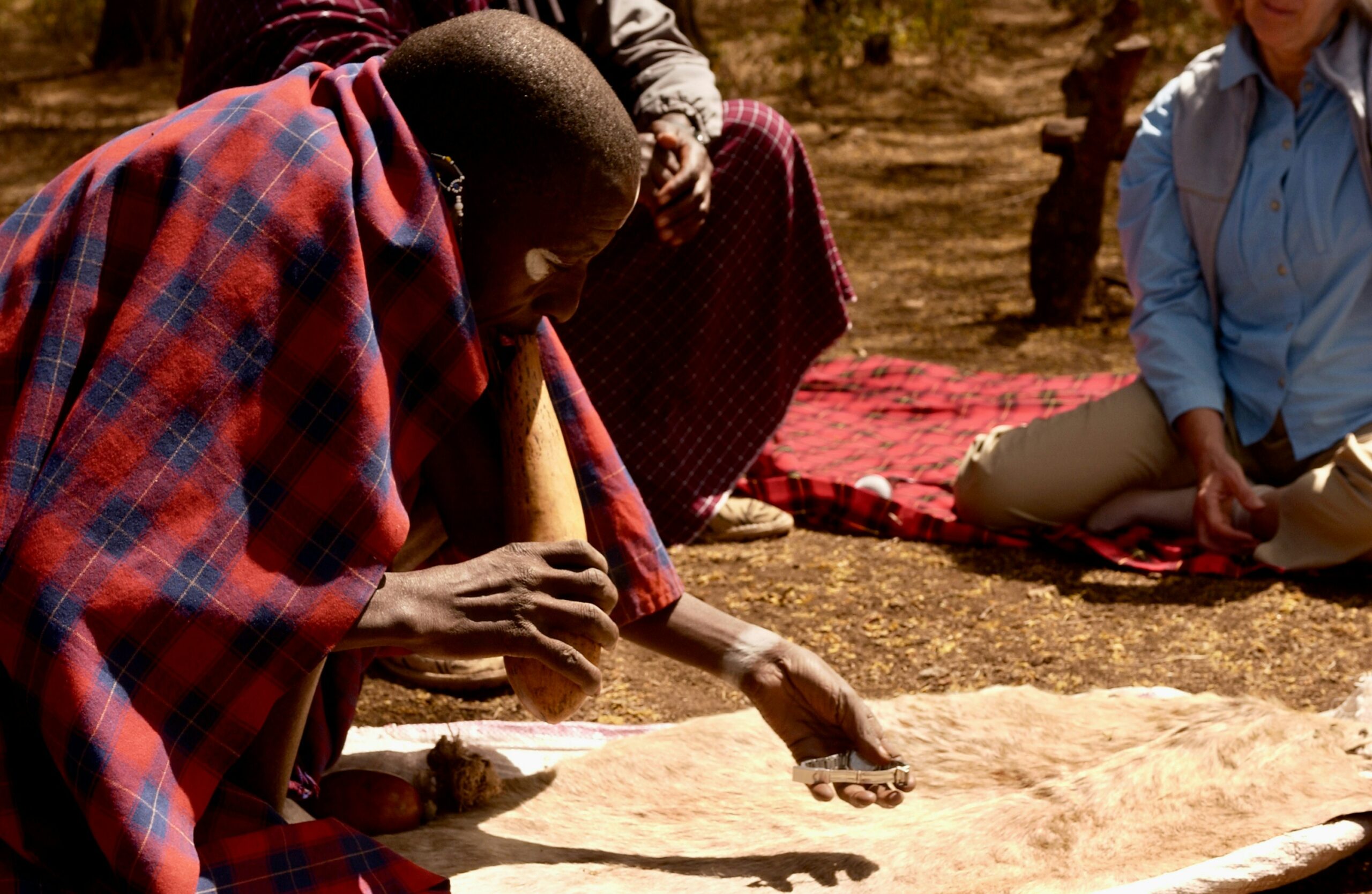
Once a foundational understanding of the environment is established through observation, the next logical step in mastering primitive skills is to observe those who have already achieved proficiency. This can take many forms, from watching seasoned survivalists in action to carefully studying the techniques of indigenous peoples who have lived in harmony with nature for millennia. The ability to learn by watching, to deconstruct complex actions into their constituent parts, and to internalize the underlying principles is a powerful tool for rapid skill acquisition. It allows for the transfer of knowledge and the avoidance of common pitfalls that plague self-taught individuals. Observing a master craftsman at work, for example, reveals not just the final product but the subtle movements, the precise angles, and the intuitive adjustments that lead to success. This is where the passive absorption of environmental data begins to translate into active skill development.
Observing Tool Creation and Use
The creation and effective use of tools are central to most primitive skill sets. Observing how these tools are crafted is as important as understanding their application. This means paying close attention to the selection of raw materials, the methods of shaping and refining them, and the techniques employed for binding or hafting. For instance, when observing the creation of a stone tool, one would note the type of stone used, the percussion flaking techniques, the angles of impact, and the resulting edge geometry. Similarly, when observing the construction of a bow, the selection of wood, the curing process, the shaping of the limbs, and the crafting of the string are all critical details to absorb. Beyond creation, observing the use of these tools is equally vital. How does a skilled individual grip a spear? What is the trajectory of an arrow? How is a digging stick employed for maximum efficiency? These practical demonstrations provide invaluable insights into the physics and biomechanics of effective tool utilization.
Deconstructing Fire-Starting Techniques
Fire is a fundamental element of primitive living, and its creation is a skill steeped in tradition and requiring meticulous observation. When observing someone proficient in fire-starting, one must look beyond the triumphant puff of smoke. Instead, focus on the preparation of tinder – the fine, dry, fibrous material that catches the initial spark or ember. Observe the different types of tinder used in various conditions, how they are processed to increase their surface area and absorbability, and how they are presented to the ignition source. Then, study the method of creating the ember. Whether it’s a bow drill, hand drill, or flint and steel, observe the specific motions, the pressure applied, the speed of rotation, and the subtle cues that indicate an ember is forming. Pay attention to the transfer of the ember to the tinder bundle and the subsequent blowing and gentle manipulation to coax it into flame. Each step, when observed intently, reveals a wealth of practical knowledge.
Shelter Building: Efficiency and Adaptation
The construction of effective shelters is a testament to understanding materials and environmental forces. Observing shelter building requires a keen eye for structural integrity, insulation, and weatherproofing. Watch how skilled individuals select their building sites, considering factors like wind direction, drainage, and proximity to resources. Examine the types of natural materials used – branches, leaves, sod, mud – and how they are manipulated to create a stable and protective structure. Observe the techniques for weaving, lashing, and interlocking materials to form walls and roofing. Pay attention to the principles of insulation, such as creating dead air spaces or layering materials to trap heat. Furthermore, observe how shelters are adapted to different climates and seasons, demonstrating a deep understanding of thermal dynamics and the prevailing environmental conditions. The efficiency with which a shelter is erected, the resourcefulness in its construction, and its effectiveness in providing protection are all lessons to be learned through careful observation.
The Power of Practice: Translating Observation into Action

Observation alone is insufficient for mastery. It is the crucible of practice, where theoretical knowledge is forged into practical skill, that truly solidifies understanding. This is the phase where one actively engages with the environment, applying the lessons learned through observation to real-world scenarios. This journey from passive observer to active practitioner is often marked by trial and error, but with a foundation of keen observation, these errors become valuable learning opportunities rather than insurmountable obstacles. The key is to approach practice with the same intensity and focus as observation, constantly refining techniques and adapting strategies based on the feedback provided by the environment and the results of one’s own actions.
Iterative Refinement: Learning from Mistakes
The path to mastering primitive skills is rarely a straight line. It is, more often than not, an iterative process of refinement, where mistakes are not viewed as failures but as essential stepping stones. When attempting a new skill, such as knot tying or crafting a primitive fishing lure, the initial attempts may not be successful. However, by meticulously observing why a knot failed to hold or why a lure didn’t attract fish, valuable information is gained. Was the material too weak? Was the technique flawed? Was the environmental context misunderstood? This process of self-assessment, fueled by observation of the outcome, allows for adjustments and improvements in subsequent attempts. The more deliberate and analytical one is about understanding the cause of an error, the more effectively they can correct it and move closer to proficiency.
Adapting to Diverse Environments
The skills learned in one environment may not directly translate to another. Mastery requires the ability to adapt and apply observed principles to new and different contexts. For instance, a shelter-building technique effective in a temperate forest might need significant modification in a desert or a sub-arctic environment. This requires careful observation of the new surroundings, identifying available resources, understanding local weather patterns, and recognizing potential hazards. The ability to transfer knowledge, not through rote memorization but through an understanding of underlying principles derived from observation, is crucial. A skilled practitioner can observe the unique challenges and opportunities of a new landscape and intelligently adapt their existing skill set to thrive within it. This adaptability is a hallmark of true mastery, demonstrating a deep and versatile understanding of nature’s possibilities and limitations.
The Feedback Loop: Observation Guiding Practice, Practice Refining Observation
The relationship between observation and practice is not linear but cyclical, forming a dynamic feedback loop. Practice provides real-world data that informs and refines future observation. For example, after struggling to start a fire with damp wood, one might observe more critically the subtle indicators of moisture in wood and develop a more discerning eye for selecting dry materials. Conversely, enhanced observation leads to more effective practice. By noticing, for instance, that certain types of grass ignite more readily, one can focus their practice on gathering and preparing that specific material. This continuous interplay between seeing and doing, between absorbing information and applying it, is what drives progress and ultimately leads to a high level of proficiency. It is a constant dialogue between the mind and the environment, each informing and improving the other.
The Ethos of the Primitive Practitioner: Respect, Patience, and Humility
Beyond the technical skills and observational prowess, the mastery of primitive living is underpinned by a distinct ethos – a set of values and attitudes that shape one’s interaction with the natural world. This ethos is not learned through explicit instruction but cultivated through consistent practice and deep immersion. It is characterized by a profound respect for the environment, an unwavering patience in the face of challenges, and a humble acknowledgment of one’s place within the grand tapestry of life. These intangible qualities are as critical to success as any tangible skill, fostering resilience, ethical conduct, and a sustainable relationship with the wild.
Reverence for Resources: The Ethics of Sustainable Use
A fundamental aspect of the primitive practitioner’s ethos is a deep reverence for the natural resources they utilize. This means understanding that every plant harvested, every animal hunted, and every material used comes at a cost to the ecosystem. Observation plays a crucial role in fostering this reverence by revealing the interconnectedness of life. Witnessing the delicate balance of a food web, the slow regeneration of a forest, or the life cycle of an insect instills a profound appreciation for the fragility and resilience of nature. This understanding translates into a commitment to sustainable use, taking only what is needed, minimizing waste, and making every effort to leave the environment as healthy, if not healthier, than it was found. It’s about being a steward, not a consumer, of the natural world.
The Virtue of Patience: Embracing the Slow Rhythms of Nature
The natural world operates on a different timescale than human society. Seasons change slowly, plants grow gradually, and animal behavior follows predictable, often unhurried, patterns. Mastering primitive skills requires embracing this slower rhythm and cultivating immense patience. Observation reveals that haste often leads to error. Forcing a fire with damp tinder, rushing the curing of a tool, or impatiently pursuing prey can all result in wasted effort and missed opportunities. Instead, the skilled practitioner understands that true progress comes through deliberate, measured action. They are willing to wait for the right conditions, to meticulously prepare materials, and to allow processes to unfold naturally. This patience, born from observing the steady, persistent forces of nature, is a cornerstone of effective primitive living.
Humility in the Face of Nature’s Power
Perhaps the most important, yet often the most difficult, aspect of the primitive practitioner’s ethos is humility. The wilderness is a powerful and unpredictable force, capable of both immense generosity and devastating destruction. No amount of skill can guarantee absolute safety or control. Recognizing this inherent power imbalance is crucial. Observation reveals the limitations of human capabilities and the humbling reality of our dependence on natural systems. A skilled practitioner does not boast of their abilities but approaches each task with a quiet confidence tempered by the understanding that they are a small part of a much larger, more complex whole. This humility fosters a continuous learning mindset, a willingness to admit ignorance, and a deep respect for the wisdom that nature holds. It is this humility that allows for continuous growth and a lifelong journey of discovery within the wild.
Learning primitive skills through observation can be an enriching experience, allowing individuals to connect with nature and develop essential survival techniques. A fascinating article that explores the importance of observational learning in various contexts can be found at this link, where it discusses how ancient practices and discoveries can inspire modern skills. By immersing oneself in the study of traditional methods, one can gain valuable insights that enhance their understanding of the natural world and improve their ability to thrive in it.
The Journey of Continuous Learning: Perpetual Observation and Skill Evolution
| Metric | Description | Measurement Method | Typical Values | Significance |
|---|---|---|---|---|
| Observation Duration | Time spent observing the skill before attempting | Minutes or hours recorded during observation sessions | 5-30 minutes per skill | Longer observation can improve understanding and accuracy |
| Imitation Accuracy | Degree to which the learner replicates the observed skill | Percentage match or qualitative rating by instructor | 60%-90% accuracy | Higher accuracy indicates better learning through observation |
| Number of Observation Sessions | Count of separate observation periods before practice | Session logs or learner self-report | 1-5 sessions | Multiple sessions can reinforce learning and retention |
| Retention Rate | Ability to perform the skill correctly after a delay | Performance tests after 1 day, 1 week, etc. | 70%-85% retention after 1 week | Indicates long-term effectiveness of observational learning |
| Skill Complexity | Level of difficulty of the primitive skill observed | Qualitative scale (e.g., simple, moderate, complex) | Simple to moderate for primitive skills | Complexity affects ease of learning through observation |
| Feedback Frequency | How often feedback is given during or after observation | Number of feedback instances per session | 0-3 times per session | Feedback enhances correction and skill acquisition |
The mastery of primitive skills is not a destination but an ongoing journey. The natural world is constantly changing, and with it, the challenges and opportunities it presents. Therefore, the commitment to observation and learning must be perpetual. The most accomplished practitioners are those who never cease to be students of the wild, who approach every experience with fresh eyes and a renewed sense of curiosity. This dedication to continuous learning ensures that skills remain relevant, adaptable, and effective, allowing for a deep and enduring connection with the natural world.
Observing Seasonal Cycles and Their Impact
The ebb and flow of the seasons dictate much of what is possible in primitive living. Observing these cycles in detail is paramount for long-term success. This means understanding how plant life changes throughout the year, from germination and growth to flowering and dormancy. It involves tracking animal migration patterns, breeding seasons, and foraging habits. Furthermore, observing the impact of changing weather – the intensity of sunlight, the volume of rainfall, the arrival of frost or snow – informs decisions about food storage, shelter maintenance, and resource acquisition. By keenly observing these seasonal shifts, a practitioner can anticipate needs, plan for future challenges, and capitalize on opportunities, ensuring a consistent and sustainable existence.
Adapting to Unforeseen Circumstances
The wilderness rarely adheres to a predictable schedule. Unforeseen circumstances, such as sudden storms, unexpected resource scarcity, or encounters with challenging wildlife, are an inherent part of the experience. The ability to observe, assess, and adapt quickly in these situations is a hallmark of mastery. This requires not only a broad knowledge base but also the mental flexibility to deviate from established plans and improvise solutions based on the immediate environment. For example, if a planned food source becomes unavailable, a skilled practitioner would quickly observe alternative options, assess their viability, and adapt their foraging strategy accordingly. This continuous process of observation and adaptation in response to the unexpected is what allows one to not just survive but to thrive in the dynamic and often unpredictable world of primitive living.
The Legacy of Knowledge: Passing on the Observational Ethos
As one progresses in their journey of mastering primitive skills, a crucial aspect of this evolution is the sharing of knowledge and the perpetuation of the observational ethos. This involves not just teaching techniques but also imparting the importance of keen observation, patience, humility, and respect for nature. By guiding others in their own learning journeys, the practitioner reinforces their own understanding and contributes to a legacy of self-reliance and environmental stewardship. The most profound mastery is often measured not only by individual proficiency but by the ability to inspire and equip others to see the world with the same discerning eye, to embrace the challenges, and to find their own connection to the wild. This passing on of knowledge, rooted in the foundational principle of observation, ensures that the wisdom of primitive living endures.