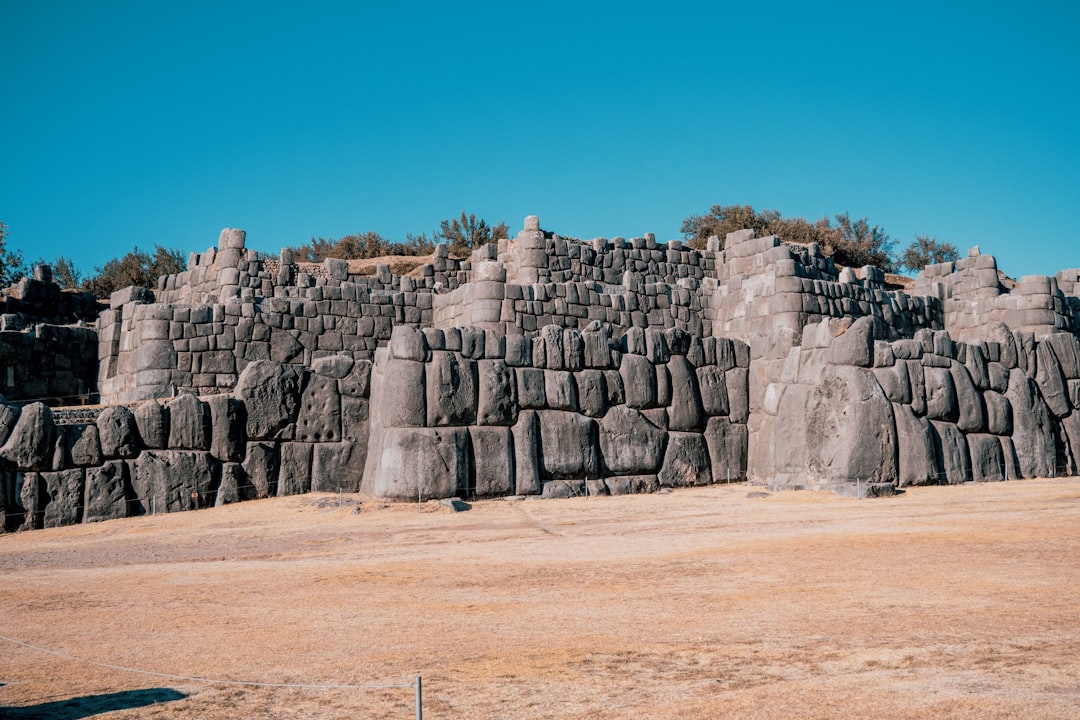
When you think of ancient civilizations, the Inca Empire often stands out for its remarkable achievements in architecture and engineering. The Inca, who thrived in the Andean region of South America from the early 15th century until the Spanish conquest in the 16th century, left behind a legacy that continues to captivate historians, architects, and engineers alike. One of the most striking aspects of their civilization is their stonework, which not only showcases their artistic sensibilities but also their advanced understanding of structural integrity and resilience.
As you delve into the intricacies of Inca stonework, you will discover how these ancient builders created structures that have withstood the test of time, including the ravages of earthquakes. Inca stonework is characterized by its precision and durability, with massive stones expertly fitted together without the use of mortar. This technique not only highlights their craftsmanship but also reflects a deep understanding of the materials they worked with and the environmental challenges they faced.
As you explore this topic further, you will uncover the engineering principles that guided the Inca in their construction practices, as well as the cultural significance of their architectural achievements. The story of Inca stonework is not just about the physical structures; it is also about the ingenuity and resilience of a civilization that thrived in one of the most challenging terrains on Earth.
Key Takeaways
- Inca stonework showcases advanced engineering with precise, interlocking stones that resist earthquakes.
- The Incas developed unique techniques to create durable, earthquake-resistant structures without mortar.
- Several Inca buildings have withstood centuries of seismic activity, demonstrating the effectiveness of their methods.
- Modern architecture and engineering draw inspiration from Inca techniques to improve earthquake resilience.
- Preserving and restoring Inca stonework remains challenging but is crucial for maintaining cultural heritage and engineering knowledge.
The Inca Civilization and Their Engineering Achievements
The Inca civilization was one of the largest empires in pre-Columbian America, stretching across modern-day Peru, Ecuador, Bolivia, and parts of Chile and Argentina. At its height, the empire was home to millions of people and boasted a complex social structure, advanced agricultural practices, and a vast network of roads and communication systems. As you consider the scale of this civilization, it becomes clear that their engineering achievements were not merely functional; they were also a reflection of their cultural identity and values.
The Incas were master builders who utilized local materials to create impressive structures that served various purposes, from religious temples to administrative buildings. Their engineering prowess is evident in iconic sites such as Machu Picchu and Sacsayhuamán, where you can see how they harmonized their constructions with the natural landscape. The Inca’s ability to adapt to their environment was crucial for their survival and success, allowing them to create sustainable communities in a region prone to natural disasters like earthquakes.
As you explore their engineering achievements, you will gain insight into how the Incas managed to thrive in such a challenging environment.
Characteristics of Inca Stonework
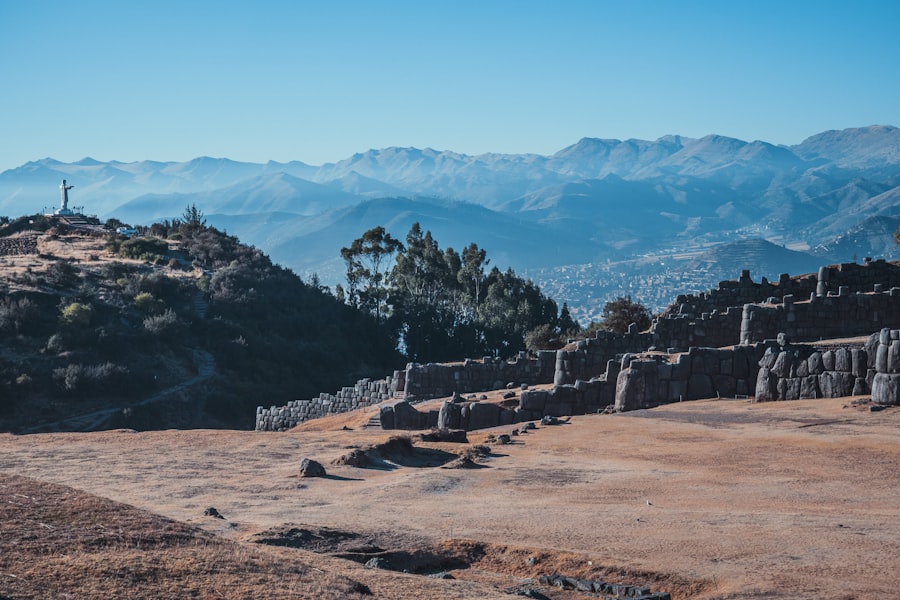
Inca stonework is distinguished by its unique characteristics that set it apart from other ancient architectural styles.
This technique not only enhances the aesthetic appeal of their structures but also contributes to their stability and durability.
As you examine these stone blocks, you will notice how they are often irregularly shaped yet meticulously crafted to interlock with one another, creating a solid foundation that can withstand significant stress. Another defining characteristic of Inca stonework is its adaptability to the surrounding environment. The Incas often built their structures on steep hillsides or rugged terrain, which required innovative engineering solutions.
You may find it fascinating that they employed techniques such as terracing and drainage systems to manage water runoff and prevent erosion. This attention to detail not only ensured the longevity of their buildings but also demonstrated a profound respect for nature. As you delve deeper into these characteristics, you will appreciate how Inca stonework reflects both artistic expression and practical engineering.
The Importance of Earthquake-Resistant Engineering
In the Andean region, where seismic activity is common due to tectonic plate movements, earthquake-resistant engineering was not just an option for the Incas; it was a necessity. The ability to construct buildings that could withstand earthquakes was crucial for the survival of their civilization. As you consider this aspect of Inca engineering, you will realize that their approach was not merely reactive; it was proactive and deeply integrated into their architectural philosophy.
The importance of earthquake-resistant engineering in Inca stonework cannot be overstated. Structures like temples and fortresses were designed with specific features that allowed them to absorb and dissipate seismic energy. This foresight ensured that even in the face of natural disasters, many Inca buildings remained standing long after they were constructed.
As you explore this topic further, you will come to understand how the Incas’ innovative techniques have influenced modern engineering practices in earthquake-prone regions around the world.
Techniques Used by the Inca to Create Earthquake-Resistant Stonework
| Feature | Description | Engineering Benefit | Example Location |
|---|---|---|---|
| Polygonal Stone Masonry | Interlocking multi-sided stones fitted without mortar | Allows stones to move slightly during earthquakes without collapsing | Sacsayhuamán, Peru |
| Precise Stone Cutting | Stones cut to fit perfectly with minimal gaps | Increases structural stability and distributes seismic forces evenly | Ollantaytambo, Peru |
| Tapered Walls | Walls that are wider at the base and narrower at the top | Improves balance and reduces toppling risk during tremors | Qorikancha, Cusco |
| No Mortar Use | Dry stone construction without binding agents | Allows flexibility and absorption of seismic shocks | Various Inca sites across the Andes |
| Trapezoidal Doorways and Windows | Openings shaped wider at the bottom and narrower at the top | Enhances structural integrity and resists lateral forces | Inca Trail structures |
The techniques employed by the Incas to create earthquake-resistant stonework are a testament to their ingenuity and understanding of structural dynamics. One key technique involved the careful selection and shaping of stones to ensure they fit together tightly without gaps. This interlocking design allowed buildings to move slightly during an earthquake without collapsing.
As you study these methods, you will appreciate how they reflect a sophisticated understanding of physics and material properties. Additionally, the Incas often incorporated features such as sloped walls and rounded corners into their designs. These elements not only enhanced the aesthetic appeal of their structures but also contributed to their stability during seismic events.
The sloped walls helped distribute forces more evenly across the structure, reducing stress on any single point. As you delve into these techniques, you will gain insight into how ancient builders applied scientific principles long before modern engineering concepts were developed.
Case Studies of Inca Structures that Withstood Earthquakes
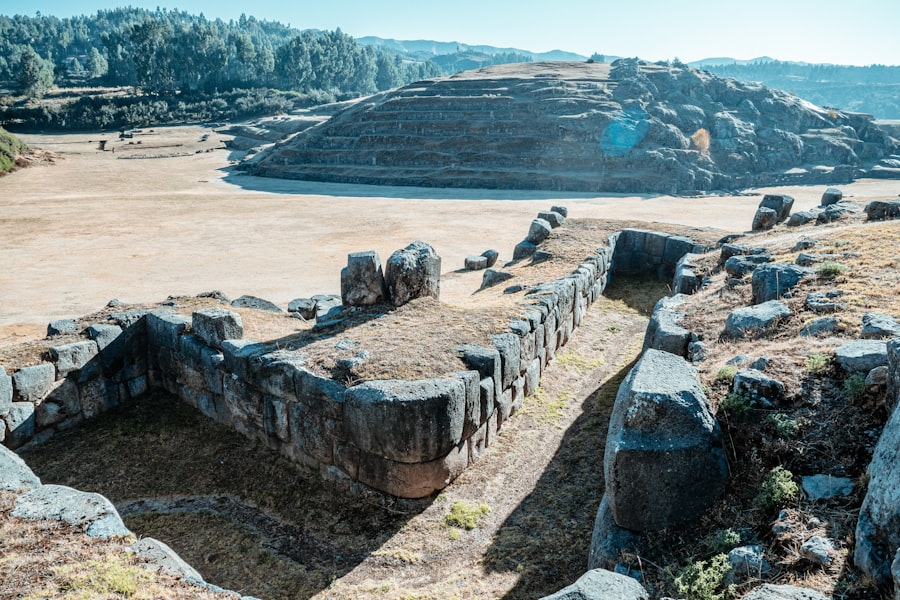
To truly appreciate the effectiveness of Inca stonework techniques, it is essential to examine specific case studies of structures that have withstood earthquakes over centuries. One prominent example is Sacsayhuamán, a fortress located near Cusco, Peru. Built with massive stones weighing several tons each, Sacsayhuamán has survived numerous earthquakes since its construction in the 15th century.
As you explore this site, you will notice how its design allows for flexibility and resilience against seismic forces. Another remarkable case is Machu Picchu, often referred to as the “Lost City of the Incas.” This iconic site has also demonstrated impressive resistance to earthquakes over time. The terraced agricultural fields surrounding Machu Picchu were designed not only for farming but also for managing water runoff during heavy rains or seismic events.
As you consider these case studies, you will come to understand how Inca engineering principles have proven effective in preserving these historical sites for future generations.
Modern Applications of Inca Stonework Techniques
The lessons learned from Inca stonework techniques have not gone unnoticed in modern engineering practices. Today, architects and engineers are increasingly looking to ancient methods for inspiration when designing earthquake-resistant structures. As you explore this intersection between ancient wisdom and contemporary technology, you will find that many modern buildings incorporate features reminiscent of Inca designs.
For instance, some architects are now using interlocking stone systems similar to those employed by the Incas to create resilient structures capable of withstanding seismic activity. Additionally, modern materials are being combined with traditional techniques to enhance durability while maintaining aesthetic appeal. As you delve into these modern applications, you will see how ancient knowledge continues to inform contemporary practices in architecture and engineering.
Challenges in Preserving and Restoring Inca Stonework
While Inca stonework is renowned for its durability, preserving and restoring these ancient structures presents unique challenges. Environmental factors such as erosion, weathering, and human activity can threaten the integrity of these historical sites. As you consider these challenges, it becomes clear that careful planning and intervention are necessary to ensure their survival.
Restoration efforts must balance maintaining authenticity with addressing structural concerns. You may find it interesting that some restoration projects have employed modern materials alongside traditional techniques to reinforce weakened areas without compromising historical integrity. As you explore these challenges further, you will gain insight into the complexities involved in preserving a cultural heritage that holds immense significance for both local communities and global history.
The Influence of Inca Stonework on Modern Architecture and Engineering
The influence of Inca stonework extends beyond preservation efforts; it has also left an indelible mark on modern architecture and engineering practices worldwide. Architects often draw inspiration from Inca designs when creating buildings that harmonize with their surroundings while ensuring structural integrity. As you examine this influence, you will discover how ancient principles continue to resonate in contemporary design philosophies.
By studying Inca techniques for creating sustainable structures in challenging environments, professionals today can develop innovative solutions that honor both tradition and progress. As you explore this topic further, you will appreciate how ancient wisdom can inform modern practices in meaningful ways.
The Legacy of Inca Stonework in the Andean Region
The legacy of Inca stonework is deeply embedded in the cultural identity of the Andean region. These ancient structures serve as reminders of a rich history that continues to shape contemporary life in Peru and beyond. As you reflect on this legacy, consider how local communities celebrate their heritage through festivals, tourism initiatives, and educational programs centered around these historical sites.
Furthermore, the preservation of Inca stonework contributes not only to cultural pride but also to economic development through tourism. Visitors from around the world flock to sites like Machu Picchu and Sacsayhuamán to witness firsthand the ingenuity of this ancient civilization. As you contemplate this legacy, you will recognize its significance in fostering a sense of belonging among local populations while promoting global awareness of Andean culture.
Lessons Learned from Inca Stonework for Modern Engineering
In conclusion, studying Inca stonework offers invaluable lessons for modern engineering practices. The Incas’ innovative techniques for creating earthquake-resistant structures demonstrate a profound understanding of materials and environmental challenges that remains relevant today. As you reflect on this ancient wisdom, consider how it can inform contemporary approaches to building resilient communities in an era marked by climate change and urbanization.
By embracing the principles exemplified by Inca stonework—such as adaptability, sustainability, and attention to detail—modern engineers can develop solutions that honor both tradition and progress. The legacy of Inca stonework serves as a reminder that ingenuity knows no bounds; it transcends time and continues to inspire future generations in their quest for excellence in architecture and engineering.
Inca stonework is renowned for its remarkable earthquake-resistant engineering, a testament to the advanced techniques employed by the civilization to withstand seismic activity. For a deeper understanding of this fascinating topic, you can explore a related article that delves into the intricacies of Inca construction methods and their resilience against natural disasters. Check it out here: Inca Stonework and Earthquake Resistance.
WATCH THIS! 🔍 Archaeologists REFUSE to Explain This Ancient Machine
FAQs
What is Inca stonework?
Inca stonework refers to the distinctive masonry techniques used by the Inca civilization in constructing walls, buildings, and other structures. It is characterized by precisely cut and shaped stones that fit together without mortar.
How did the Incas achieve earthquake resistance in their stonework?
The Incas achieved earthquake resistance by using irregularly shaped stones that interlocked tightly, creating flexible yet stable walls. Their construction allowed the stones to move slightly during seismic activity without collapsing.
What materials were used in Inca stonework?
The Incas primarily used granite and andesite stones, which are hard and durable volcanic rocks. These materials contributed to the longevity and strength of their structures.
Why is Inca stonework considered an example of advanced engineering?
Inca stonework is considered advanced because of its precision cutting, interlocking design, and the ability to withstand earthquakes without mortar. This demonstrates a deep understanding of structural stability and seismic forces.
Where can examples of Inca earthquake-resistant stonework be found?
Examples can be found in various archaeological sites in Peru, including Machu Picchu, Sacsayhuamán, Ollantaytambo, and Cusco, where the stone walls have survived numerous earthquakes over centuries.
Did the Incas use mortar in their stone constructions?
No, the Incas typically did not use mortar. Their stones were cut and shaped to fit perfectly together, relying on gravity and precise placement for stability.
How does Inca stonework compare to modern earthquake-resistant engineering?
While modern engineering uses advanced materials and technology, Inca stonework demonstrates an early form of seismic design through flexible, interlocking stones. It remains a valuable study subject for sustainable and resilient construction methods.
Can Inca stonework techniques be applied in modern construction?
Some principles, such as interlocking components and flexible joints, inspire modern seismic design. However, direct application is limited due to differences in materials and construction requirements.
What role did the shape of stones play in earthquake resistance?
The irregular, polygonal shapes allowed stones to fit together tightly and distribute seismic forces evenly, reducing the risk of collapse during earthquakes.
How old are the Inca stone structures known for earthquake resistance?
Many of these structures date back to the 15th and early 16th centuries, built during the height of the Inca Empire before Spanish conquest.