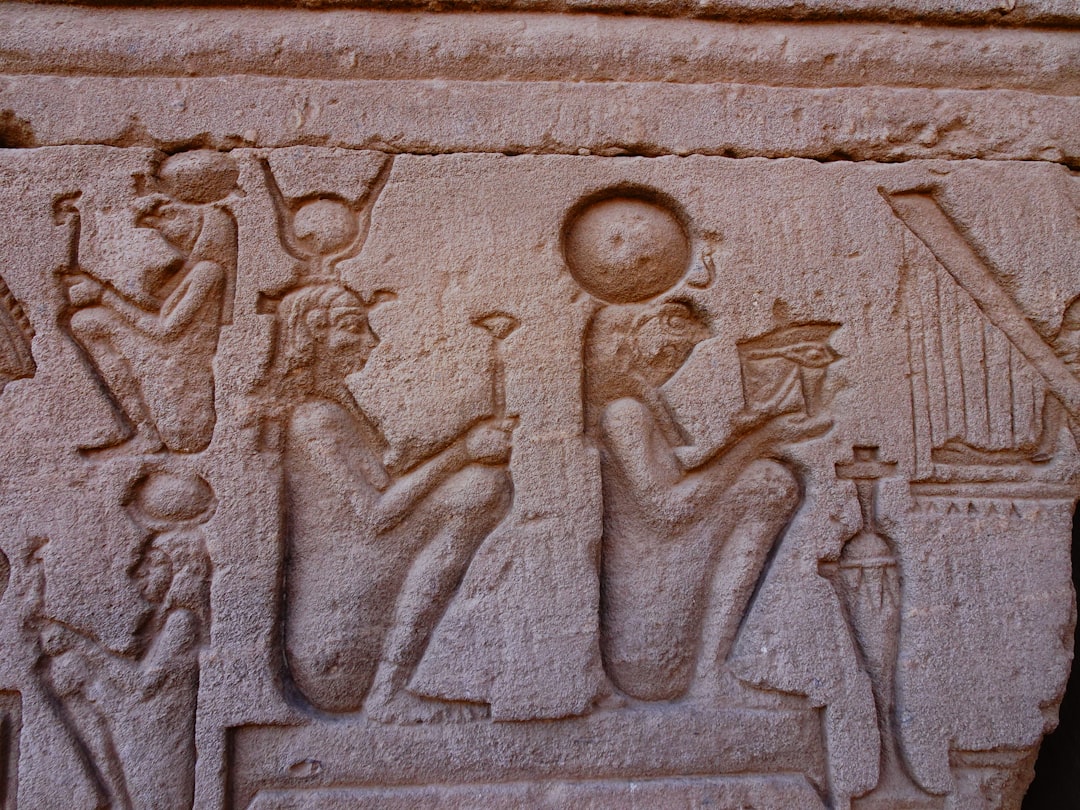
When you delve into the study of history, you quickly realize that historical records are often riddled with limitations. These records, whether they are written documents, official decrees, or personal letters, can be incomplete, biased, or even entirely fabricated. You might find that many historical accounts were penned by those in power, leading to a skewed representation of events that often marginalizes the voices of the less privileged.
This inherent bias can distort your understanding of the past, as it may omit significant perspectives and experiences that shaped societies. Moreover, the preservation of historical records is another challenge you must consider. Many documents have been lost to time due to natural disasters, wars, or simple neglect.
Even when records do survive, they may be damaged or illegible, making it difficult for you to extract accurate information. The gaps in these records can create a fragmented view of history, leaving you with unanswered questions about the lives and cultures of those who came before us. As you navigate through these limitations, it becomes clear that a comprehensive understanding of history requires a multifaceted approach that goes beyond traditional written accounts.
Key Takeaways
- Historical records have inherent limitations that can obscure a full understanding of the past.
- New archaeological findings and ancient DNA analysis are reshaping knowledge of forgotten civilizations.
- Reevaluation of ancient texts, inscriptions, and oral histories challenges traditional historical narratives.
- Cultural norms, artifacts, artworks, and environmental factors provide critical context for interpreting history.
- These insights collectively impact modern perspectives on history and our understanding of human development.
New Archaeological Discoveries
As you explore the realm of archaeology, you encounter a treasure trove of new discoveries that continually reshape your understanding of ancient civilizations. Each excavation site has the potential to unveil artifacts and structures that challenge previously held beliefs about societal development and cultural practices. For instance, recent findings in areas like Mesopotamia and the Indus Valley have revealed complex urban planning and advanced technologies that were once thought to be exclusive to later periods.
These discoveries not only provide tangible evidence of human ingenuity but also invite you to reconsider the timeline of human advancement. In addition to physical artifacts, new archaeological techniques such as ground-penetrating radar and 3D scanning are revolutionizing the field. These technologies allow you to visualize and analyze sites without disturbing them, leading to more accurate interpretations of ancient life.
As you engage with these advancements, you begin to appreciate how archaeology serves as a bridge between the past and present, offering insights that written records alone cannot provide. Each new find adds a layer of depth to your understanding of history, encouraging you to remain open-minded about the complexities of human civilization.
Reevaluating Ancient Texts and Inscriptions
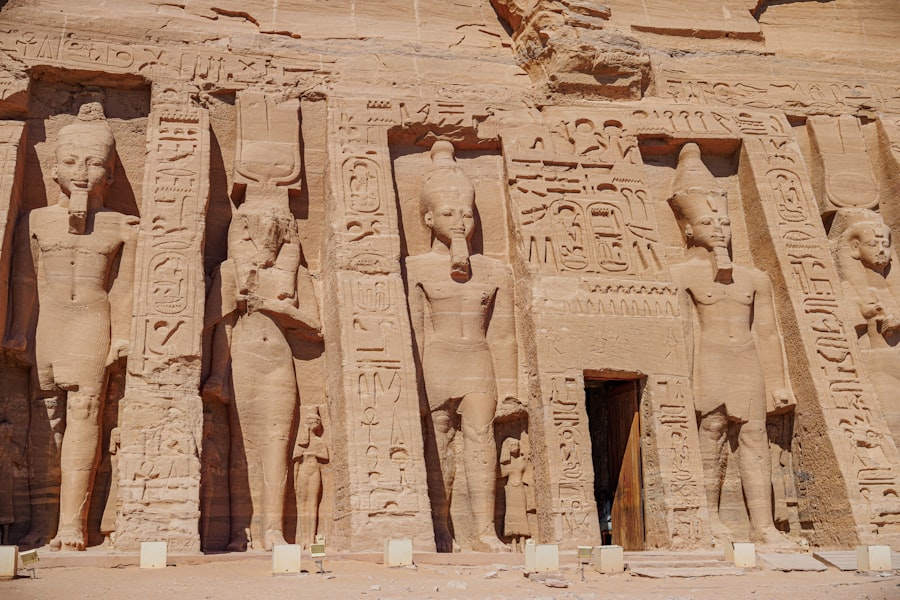
As you sift through ancient texts and inscriptions, you may find that many of them require a fresh perspective. Scholars are increasingly recognizing that these documents are not merely historical records but also reflections of the cultural and political contexts in which they were created. By reevaluating these texts, you can uncover hidden meanings and intentions that may have been overlooked in previous interpretations.
This process often involves analyzing language nuances, symbolism, and even the socio-political climate at the time of writing. Furthermore, the advent of digital humanities has made it easier for you to access and analyze vast collections of ancient texts. Online databases and collaborative projects allow for a more comprehensive examination of these documents, enabling you to draw connections between different cultures and time periods.
As you engage with this wealth of information, you may find yourself questioning long-held assumptions about historical narratives. This critical approach not only enriches your understanding but also highlights the importance of context in interpreting ancient writings.
Reexamining Cultural and Societal Norms
In your quest to understand history, it is essential to reexamine the cultural and societal norms that shaped ancient civilizations. You might discover that what was once considered “normal” in one era could be viewed as unconventional or even unacceptable in another. By analyzing these norms through a contemporary lens, you can gain insights into how societal values evolve over time.
This examination often reveals the complexities of human behavior and the myriad factors that influence cultural practices. Additionally, as you explore different societies, you may find that norms are not monolithic; they can vary significantly even within a single civilization. For instance, gender roles in ancient societies were often fluid and context-dependent.
By studying various archaeological sites and historical accounts, you can uncover instances where women held positions of power or where social hierarchies were more egalitarian than previously thought. This nuanced understanding allows you to appreciate the diversity of human experience throughout history and challenges simplistic narratives that fail to capture this complexity.
Revisiting Ancient Artifacts and Artworks
| Aspect | Traditional View | New Evidence/Findings | Implication for Rewriting History |
|---|---|---|---|
| Chronology | Established timelines based on classical sources | Radiocarbon dating and dendrochronology suggest different dates for key events | Requires adjustment of historical timelines and event sequencing |
| Cultural Interactions | Limited contact between ancient civilizations | Archaeological finds show extensive trade and cultural exchange | Reevaluates the development and influence of civilizations |
| Technological Development | Linear progression from primitive to advanced | Evidence of advanced technologies earlier than previously thought | Challenges assumptions about technological evolution |
| Written Records | Reliance on surviving texts and inscriptions | Newly discovered scripts and reinterpretation of existing texts | May change understanding of political and social history |
| Historical Bias | History written by dominant cultures | Inclusion of marginalized perspectives through new findings | Promotes a more balanced and inclusive historical narrative |
As you examine ancient artifacts and artworks, you begin to appreciate their role as windows into the past. These objects are not merely relics; they are expressions of human creativity and cultural identity. Each artifact tells a story about the people who created it, their beliefs, and their daily lives.
By revisiting these items with a critical eye, you can uncover layers of meaning that reveal much about the societies from which they originated. Moreover, advancements in technology have allowed for new methods of analysis that enhance your understanding of these artifacts. Techniques such as chemical analysis and imaging technologies can provide insights into the materials used and the techniques employed by ancient artisans.
As you engage with these findings, you may find yourself drawn into a deeper appreciation for the craftsmanship and artistry that characterized ancient cultures. This exploration not only enriches your knowledge but also fosters a sense of connection with those who lived long ago.
Challenging Traditional Historical Narratives
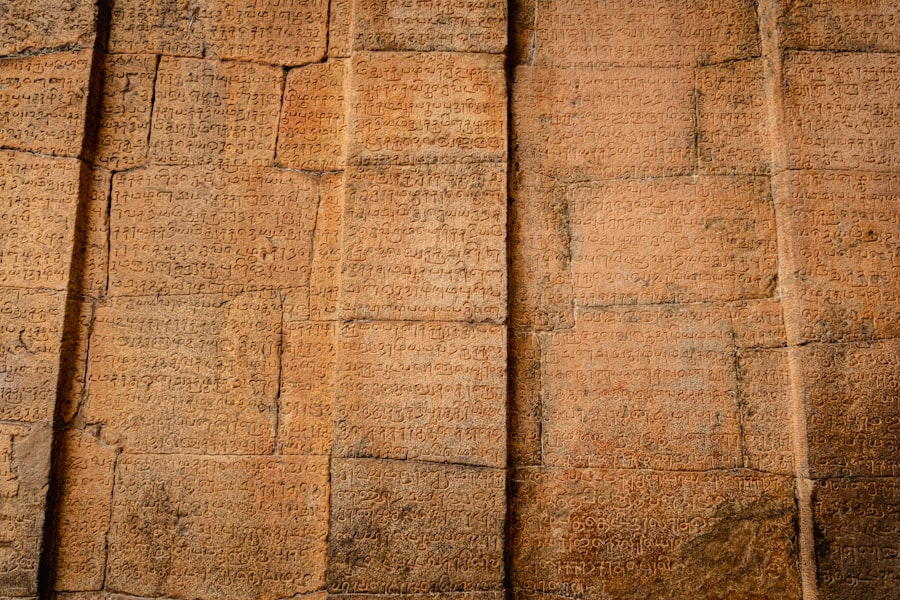
As you delve deeper into historical studies, it becomes increasingly important to challenge traditional narratives that have long dominated our understanding of the past. These narratives often reflect the perspectives of those in power while marginalizing or entirely omitting other voices. By questioning these established accounts, you can uncover alternative histories that offer a more inclusive view of human experience.
This process requires critical thinking and a willingness to confront uncomfortable truths about power dynamics throughout history. In doing so, you may discover that many historical events are far more complex than they appear at first glance. For example, wars are often depicted as clear-cut battles between good and evil; however, a closer examination reveals intricate motivations and consequences that shaped these conflicts.
By embracing this complexity, you can develop a more nuanced understanding of history that acknowledges the multifaceted nature of human behavior and societal change.
Uncovering Forgotten Civilizations
As you explore the annals of history, you may stumble upon forgotten civilizations that have been overshadowed by more prominent cultures. These societies often possess rich histories filled with unique contributions to art, science, and governance that deserve recognition. By uncovering their stories, you can broaden your understanding of human achievement and resilience throughout time.
Each forgotten civilization offers valuable lessons about adaptation, innovation, and cultural exchange. Moreover, archaeological efforts aimed at rediscovering these lost societies have gained momentum in recent years. As researchers excavate sites once thought to be insignificant or unremarkable, they are revealing complex networks of trade and communication that connected diverse cultures across vast distances.
This newfound knowledge challenges the notion of linear progress in history and highlights the interconnectedness of human experiences across different regions and epochs.
Analyzing Ancient DNA and Genetic Evidence
The advent of genetic research has opened up exciting avenues for understanding ancient populations in ways previously unimaginable. As you analyze ancient DNA samples extracted from skeletal remains, you gain insights into migration patterns, health conditions, and even familial relationships within past societies.
For instance, studies have shown how migrations influenced genetic diversity in certain regions, revealing connections between seemingly disparate cultures. As you engage with this data, it becomes clear that genetics can serve as a powerful tool for reconstructing historical narratives. However, it also raises ethical questions about how this information is used and interpreted.
As a responsible historian or enthusiast, it is crucial for you to approach genetic evidence with caution and an awareness of its limitations.
Exploring Oral Histories and Folklore
Oral histories and folklore offer rich insights into the lives and beliefs of past societies that written records often fail to capture. As you listen to these stories passed down through generations, you may find yourself immersed in the cultural fabric of communities long gone. These narratives provide context for understanding social norms, values, and collective memories that shape identities over time.
Moreover, oral traditions often serve as repositories of knowledge about local environments, agricultural practices, and historical events from unique perspectives. By engaging with these stories critically, you can uncover layers of meaning that challenge conventional historical narratives. This exploration encourages you to appreciate the importance of diverse sources in constructing a holistic view of history while recognizing the power dynamics inherent in storytelling.
Considering Environmental and Geological Factors
As you study history, it is essential to consider how environmental and geological factors have influenced human societies throughout time. Climate change, natural disasters, and geographical features have all played significant roles in shaping civilizations’ rise and fall. By examining these factors closely, you can gain insights into how communities adapted to their surroundings or succumbed to environmental pressures.
For instance, droughts or floods could lead to agricultural collapse or mass migrations—events that would dramatically alter social structures and cultural practices. As you analyze these interactions between humans and their environment, it becomes evident that history is not solely a tale of human agency; it is also deeply intertwined with ecological realities. This perspective encourages you to think critically about contemporary issues related to climate change and sustainability while drawing parallels with past experiences.
The Implications for Modern Understanding of History
As you reflect on these various approaches to studying history—whether through archaeological discoveries or reevaluating ancient texts—you begin to see their implications for modern understanding. The past is not merely a collection of dates and events; it is a complex tapestry woven from diverse threads of human experience. By embracing this complexity, you can cultivate a more nuanced appreciation for how history shapes contemporary society.
Moreover, recognizing the limitations inherent in traditional historical narratives empowers you to engage critically with current events and societal issues. Understanding how power dynamics have influenced historical accounts allows for greater empathy toward marginalized voices today. As you navigate this intricate landscape of history, remember that your engagement with the past has the potential to inform your actions in the present—fostering a deeper connection between generations while promoting inclusivity in our collective narrative.
The study of ancient history is constantly evolving, and there are compelling reasons to consider rewriting certain narratives to reflect new findings and perspectives. For a deeper understanding of this topic, you can explore the article on the importance of revisiting historical accounts at com/sample-page/’>this link.
This article discusses how fresh archaeological discoveries and interdisciplinary approaches can challenge long-held beliefs, ultimately enriching our comprehension of the past.
WATCH THIS! 🔍 Archaeologists REFUSE to Explain This Ancient Machine
FAQs
What does it mean to say ancient history needs rewriting?
Rewriting ancient history refers to the process of re-examining and updating historical narratives based on new evidence, perspectives, or methodologies. It involves challenging established interpretations and incorporating recent archaeological discoveries, scientific analyses, and diverse viewpoints to create a more accurate and inclusive understanding of the past.
Why is there a need to rewrite ancient history?
Ancient history often relies on limited sources that may be biased, incomplete, or interpreted through modern cultural lenses. New archaeological findings, advances in dating techniques, and interdisciplinary research can reveal inaccuracies or gaps in traditional accounts. Rewriting history helps correct misconceptions, acknowledge marginalized groups, and reflect a broader range of human experiences.
What kinds of new evidence contribute to rewriting ancient history?
New evidence includes archaeological discoveries such as artifacts, inscriptions, and ruins; advances in technologies like radiocarbon dating and DNA analysis; and the re-interpretation of ancient texts using modern linguistic and cultural understanding. These sources can provide fresh insights into ancient societies, their interactions, and their development.
How does rewriting ancient history affect our understanding of the past?
Rewriting ancient history can change our perception of historical events, cultures, and civilizations. It may challenge long-held beliefs, highlight previously overlooked contributions, and promote a more nuanced and accurate portrayal of human history. This process enriches our knowledge and helps avoid ethnocentric or simplistic narratives.
Is rewriting ancient history controversial?
Yes, rewriting ancient history can be controversial because it may challenge national identities, cultural pride, or established academic consensus. Some may resist changes that alter familiar narratives. However, scholarly debate and critical examination are essential for the advancement of historical knowledge.
Who is involved in rewriting ancient history?
Historians, archaeologists, anthropologists, linguists, and other scholars collaborate to reinterpret ancient history. Additionally, indigenous communities and cultural groups may contribute perspectives that have been historically marginalized or ignored.
Can rewriting ancient history impact modern society?
Yes, revising historical narratives can influence contemporary cultural identities, education, and social values. It can promote inclusivity, challenge stereotypes, and foster a better understanding of humanity’s shared heritage, which may contribute to social cohesion and mutual respect.