The shimmering aurora borealis cast an ethereal glow across the vast, frozen tundra. Herds of woolly mammoths, their colossal forms draped in shaggy fur, lumbered through the snow-laden landscape. Sabre-toothed cats, sleek and powerful, stalked their prey from the shadows of ice-encrusted conifers. This vivid tableau, a snapshot of a lost world, is the domain of speculative paleontology, a field that, aided by the compelling visual medium of documentaries, allows viewers to journey back to the Ice Age and explore its magnificent, albeit extinct, inhabitants.
Unveiling the Pleistocene: Documentaries as Time Machines
Documentaries have become indispensable tools for bringing the past to life, and speculative paleontology, the scientific endeavor to reconstruct extinct life forms and ecosystems based on fossil evidence and modern biological principles, thrives within this medium. The Ice Age, specifically the Pleistocene epoch (roughly 2.6 million to 11,700 years ago), a period characterized by glacial cycles and dramatic climatic shifts, presents a particularly fertile ground for such exploration. Filmmakers, working in collaboration with paleontologists, paleoartists, and other scientists, endeavor to recreate not just the creatures themselves, but the environments they inhabited and the complex interactions that defined their existence. This reconstruction is inherently speculative, as the fossil record, while informative, is incomplete. Yet, through careful interpretation, rigorous scientific inference, and imaginative artistry, these documentaries offer compelling glimpses into a world vastly different from our own, igniting curiosity and fostering a deeper understanding of Earth’s history.
The Art and Science of Reconstruction
The process of reconstructing Ice Age life for documentary purposes is a delicate balance between scientific accuracy and artistic license. Paleontologists provide the foundational data – fossilized bones, teeth, footprints, and even preserved soft tissues in rare cases. These provide clues about size, locomotion, diet, and potential social behaviors. Paleoartists then take this information and, drawing upon their knowledge of comparative anatomy and evolutionary principles, breathe life into these ancient beings. They consider musculature, fur or feather density, coloration, and even the potential sounds these animals might have made. The aim is not simply to create fantastical monsters, but to present plausible representations grounded in the best available scientific evidence. Documentaries often highlight this process, showcasing the scientific discussions, the digital modeling, and the artistic renderings that lead to the final on-screen depiction of creatures like the Dire wolf or the Glyptodon.
Engaging the Audience: Visual Storytelling of Extinct Worlds
Beyond the scientific underpinnings, documentaries excel at the narrative aspect of speculative paleontology. They don’t just present static images of reconstructed animals; they weave compelling stories of survival, predation, migration, and the struggle against harsh environmental conditions. By employing sophisticated CGI, animatronics, and carefully crafted sound design, these films immerse viewers in the Pleistocene. We witness the hunt of a Smilodon, the cooperative hunting strategies of pack animals like the Woolly rhinoceros, or the arduous journeys of migrating reindeer. This visual storytelling makes abstract scientific concepts tangible and emotionally resonant, allowing audiences to connect with these long-vanished creatures on a visceral level and fostering a sense of wonder and awe.
Speculative paleontology has gained traction in recent years, particularly through captivating ice age documentaries that explore the fascinating creatures that roamed the Earth during that time. These films often blend scientific research with imaginative storytelling, offering viewers a glimpse into a world long gone. For those interested in understanding the broader implications of historical shifts, a related article discussing Mexico’s growing role in global trade can provide valuable insights into how past events shape present dynamics. You can read more about it here: Mexico’s Growing Role in Global Trade.
Navigating the Glacial Giants: Iconography of the Pleistocene
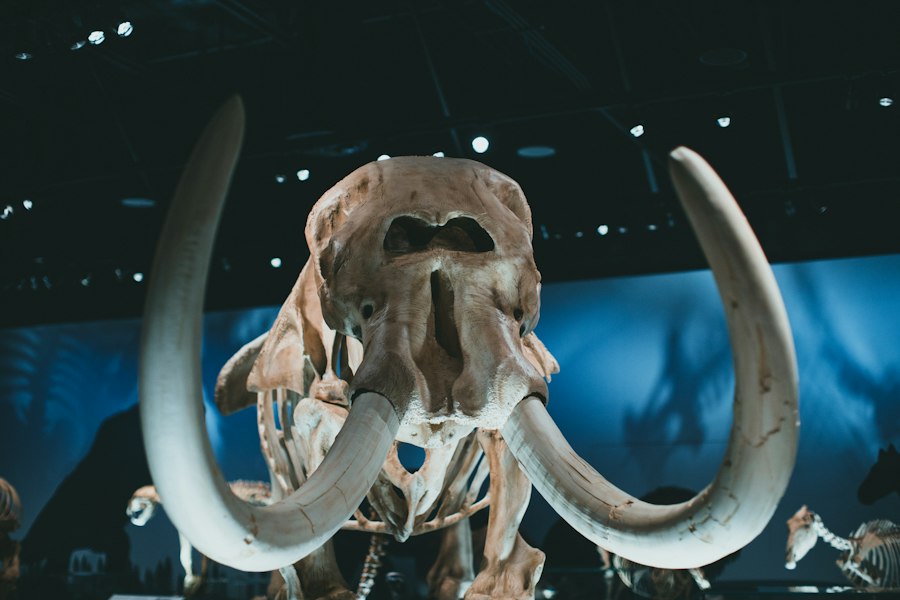
The Ice Age conjures images of immense, majestic creatures that dominated the landscape. Documentaries dedicated to this era often focus on these megafauna, using them as anchors to explore broader ecological themes. Their sheer scale and unique adaptations provide captivating subject matter, allowing filmmakers to explore evolutionary pressures and the interconnectedness of ancient ecosystems.
The Mammoth and its Kin: Architects of the Tundra
The woolly mammoth, with its iconic curved tusks and thick, shaggy coat, is perhaps the most recognizable symbol of the Ice Age. Documentaries explore its life cycle, its social structures, and its critical role in shaping the tundra environment. Through observing herds, filmmakers can depict foraging behaviors, calf-rearing, and even the seasonal migrations driven by food availability and climate. The documentary’s narrative often portrays mammoths as keystone species, whose grazing patterns influenced vegetation, which in turn affected other herbivores and the predators that relied on them. The discovery of frozen mammoth carcasses, complete with skin, fur, and even stomach contents, provides invaluable data that documentaries can use to illustrate the specifics of their diet and physiology, offering a more intimate look at these giants.
The Fearsome Predators: Apex Hunters of a Frozen World
The Ice Age was not solely defined by its herbivores. Documentaries also bring to life the formidable predators that shared this challenging environment. The sabre-toothed cat, with its impossibly long canine teeth, is a prime example, often depicted in dramatic hunting sequences. Scientists speculate on the precise hunting techniques and prey specializations of these cats, and documentaries translate these hypotheses into thrilling visual narratives. Other predators, such as the dire wolf, the cave lion, and even early forms of bears, are also brought to the fore, showcasing their adaptations for hunting in cold climates and their roles within the food web. The competitive dynamics between different predator species, and their interactions with their prey, form compelling storylines that highlight the brutal realities of survival in the Pleistocene.
The Diverse Assemblage: Beyond the Familiar Icons
While mammoths and sabre-toothed cats capture the imagination, Ice Age documentaries also endeavor to showcase the broader biodiversity of the period. This includes a myriad of other fascinating creatures, often less well-known but equally important to the ecological tapestry. The Glyptodon, a giant armadillo-like mammal with a formidable shell, the short-faced bear, a colossal ursid, and the ground sloth, some species as large as elephants, are just a few examples. By including these diverse animals, documentaries offer a more complete picture of Ice Age ecosystems, demonstrating the wide range of evolutionary solutions that emerged in response to the prevailing environmental conditions. The interactions between these various species, from herbivore-predator relationships to competition for resources, are crucial elements in understanding the complex dynamics of these ancient worlds.
Echoes of Ice: Climate and Environment in Documentaries
The Ice Age was fundamentally a story of climate. Documentaries dedicated to this period rarely focus solely on individual species; they invariably explore the profound impact of glaciation and interglacial periods on the Earth’s environments and the life they supported. These films meticulously reconstruct the landscapes, showcasing the vast ice sheets, the frozen plains, and the changing vegetation zones that dictated the distribution and survival of Ice Age fauna.
The Glacial Advance and Retreat: Shaping Continents and Life
A central theme in many Ice Age documentaries is the cyclical nature of glaciation. Filmmakers use scientific data to illustrate the immense scale of the ice sheets that covered vast swathes of the Northern Hemisphere, sculpting landscapes through erosion and deposition. They depict the resultant sea-level drop, exposing land bridges that allowed for the migration of animals and humans across continents. The subsequent glacial retreat, often a more gradual process, is also explored, revealing the emergence of new habitats and the dramatic shifts in flora and fauna. These documentaries often employ time-lapse sequences and sophisticated mapping to visualize these immense geological transformations, emphasizing how climate change, even on geological timescales, is a powerful evolutionary force.
Adapting to the Cold: Evolutionary Innovations for Survival
The extreme cold of the Ice Age necessitated remarkable adaptations in its inhabitants. Documentaries highlight these evolutionary innovations, showcasing the physiological and morphological traits that allowed animals to thrive in such challenging conditions. This includes the thick fur of mammoths and woolly rhinoceroses, the blubber layers of marine mammals, and the specialized circulatory systems that prevented frostbite. Beyond physical adaptations, filmmakers also explore behavioral strategies, such as hibernation, migration, and the formation of social groups for warmth and protection. The constant interplay between environmental pressures and the resulting adaptations forms a core narrative thread, illustrating the relentless force of natural selection.
The Dawn of Humans: Coexistence and Competition
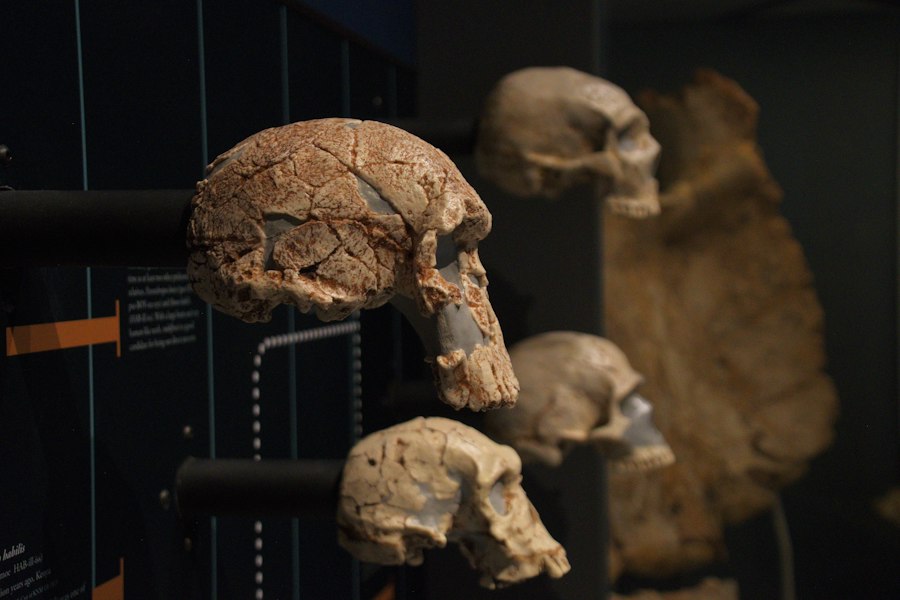
Ice Age documentaries often intersect with the story of human evolution. They explore how early humans, armed with their own developing intelligence and tool-making abilities, interacted with the megafauna. This could involve cooperative hunting of large prey, scavenging from kills made by predators, or even competition for resources. The documentaries often depict humans as resourceful and adaptable, capable of surviving in environments that would be utterly inhospitable to modern humans without advanced technology. The emergence of human culture, including cave art and early forms of shelter, is often placed within the context of these challenging Ice Age landscapes, demonstrating humanity’s deep roots in a world shaped by ice.
Beyond the Bones: Understanding Behavior and Ecology
Speculative paleontology extends beyond mere anatomical reconstruction; it delves into the complex behaviors and ecological roles of extinct creatures. Documentaries excel at bringing these hypotheses to life, allowing viewers to witness the imagined social dynamics, hunting strategies, and interspecies relationships that characterized Ice Age ecosystems.
Social Structures and Communication: The Lives of Ice Age Herds
Modern scientific understanding of animal behavior, derived from studying extant species, informs speculative reconstructions of Ice Age social structures. Documentaries often depict mammoths and other large herbivores as living in complex family units, with matriarchal leadership, cooperative calf-rearing, and intricate communication systems. These films may visualize their social interactions, their dominance hierarchies, and their methods of warning each other of danger. Similarly, pack hunters like the dire wolf are portrayed with nuanced social dynamics, showcasing coordinated hunting efforts and internal pack structures. The use of sound design, inferring vocalizations based on cranial anatomy and comparisons to modern animals, further enhances the sense of a living, breathing society.
Predation Strategies and the Dance of Life and Death
The predator-prey relationship is a fundamental element of any ecosystem, and the Ice Age was no exception. Documentaries bring these dramatic encounters to life, reconstructing the hunting strategies of Ice Age predators and the defensive tactics of their prey. Viewers might witness a Smilodon employing its signature ambush technique, or a herd of horses employing evasive maneuvers to escape a pack of wolves. These sequences are not just for dramatic effect; they are often informed by biomechanical studies of fossil remains and observations of modern predator-prey interactions. The ecological implications are also explored, demonstrating how the success or failure of these hunts influenced population dynamics and shaped the evolutionary trajectories of both predator and prey.
Interspecies Interactions: A Complex Web of Relationships
Beyond the immediate predator-prey dynamic, Ice Age documentaries explore a wider array of interspecies interactions. This can include competition for food resources between different herbivore species, or the role of scavengers in cleaning up carcasses. Filmmakers might also explore symbiotic or commensal relationships, though these are often more speculative due to the limited fossil evidence. The presence of megafauna undoubtedly influenced the evolution of smaller creatures as well, and documentaries can hint at these indirect ecological connections. By illustrating these complex webs of relationships, these films provide a holistic view of Ice Age ecosystems, emphasizing that life in this era was a constant interplay of collaboration, competition, and adaptation.
Speculative paleontology has always fascinated enthusiasts, especially when it comes to imagining the lives of Ice Age creatures. Documentaries in this genre often explore the behaviors and environments of these ancient animals, providing viewers with a glimpse into a world long gone. For those interested in the broader implications of historical narratives, a related article discusses the complexities of navigating geopolitical landscapes, which can be likened to the intricate ecosystems of the past. You can read more about it in this insightful piece on geopolitics.
The Legacy of Ice Age Studies: Inspiring Future Exploration
| Documentary Title | Year Released | Estimated Viewership (Millions) | Focus Area | Notable Speculative Element | Average Viewer Rating (out of 10) |
|---|---|---|---|---|---|
| Ice Age Giants: Lost Worlds | 2013 | 4.5 | Megafauna of the Ice Age | Hypothetical behaviors of extinct species | 7.8 |
| Speculative Paleontology: Ice Age Mysteries | 2018 | 3.2 | Evolution and Extinction Theories | Imagined ecosystems and animal interactions | 7.2 |
| Frozen Worlds: The Ice Age Reimagined | 2020 | 5.1 | Climate and Fauna Dynamics | Speculative climate impact on species survival | 8.0 |
| Beyond Bones: Ice Age Life | 2016 | 2.8 | Behavioral Reconstruction | Hypothetical social structures of Ice Age animals | 7.5 |
| The Last Giants: Ice Age Documentary | 2019 | 4.0 | Extinction Events | Speculative causes of megafauna extinction | 7.9 |
The exploration of Ice Age life through speculative paleontology and documentaries holds significant value, extending beyond mere entertainment. It fosters a deeper appreciation for Earth’s natural history, inspires scientific inquiry, and provides crucial insights into the resilience and adaptability of life in the face of environmental change.
Fostering Scientific Curiosity and Public Engagement
Documentaries on Ice Age life serve as powerful educational tools, igniting curiosity in paleontology, evolutionary biology, and environmental science among a broad audience. The visual spectacle and compelling narratives make complex scientific concepts accessible and engaging, potentially inspiring younger generations to pursue careers in these fields. By showcasing the rigorous scientific process behind the reconstructions, these films demystify science and highlight the collaborative efforts of researchers, artists, and technologists. This public engagement is crucial for garnering support for scientific research and conservation efforts.
Understanding Past Climates for Future Preparedness
The study of Ice Age climates and their impact on ecosystems offers invaluable lessons for understanding contemporary climate change. By examining how past shifts in temperature and ice cover affected biodiversity and the distribution of life, scientists can develop more accurate predictive models for the future. Documentaries that illustrate these past transformations serve as potent reminders of the planet’s capacity for dramatic environmental change and the profound consequences for all living things. This historical perspective can inform policy decisions and foster a greater sense of urgency regarding our current environmental challenges.
The Endless Frontier of Discovery
Speculative paleontology, fueled by ongoing fossil discoveries and advancements in scientific understanding, remains a dynamic and evolving field. Documentaries, by their very nature, reflect the current state of knowledge, but they also serve as a launching pad for future exploration. As new fossils are unearthed and analytical techniques improve, our understanding of Ice Age life will continue to deepen, leading to even more refined and accurate reconstructions. The ongoing quest to understand these magnificent lost worlds, brought to vivid life through the power of documentary filmmaking, promises to continue captivating audiences and expanding the frontiers of scientific discovery for years to come.
