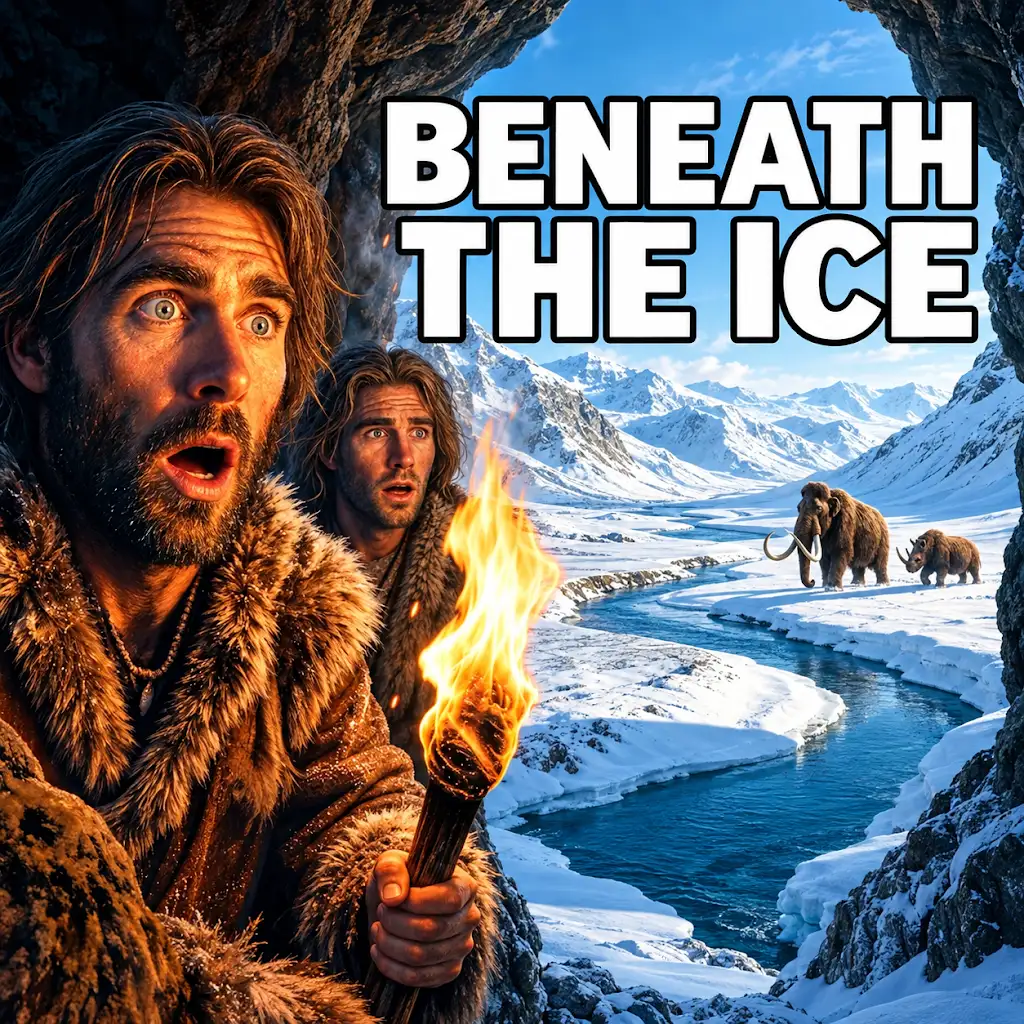
The biting winds of winter, a formidable adversary to all life, presented early humans with a constant challenge. Survival hinged on the availability of essential resources, and water, the lifeblood of existence, was no exception. As the seasons turned and temperatures plummeted, surface waters like rivers and lakes would often freeze, locking away this vital necessity. Yet, the ingenuity and observational skills of our ancestors allowed them to navigate these frozen landscapes and discover hidden sources of liquid water, ensuring their continued existence through the harshest months. Their success was not a matter of luck, but a testament to a deep understanding of their environment, honed over millennia of observation and adaptation.
The Shifting Landscape of Frozen Waters
Winter transformed the familiar geography of early human territories. The once readily accessible rivers and lakes, central to their daily lives for drinking, fishing, and tool-making, became treacherous or entirely impassable. Understanding these changes was the first crucial step in their winter survival strategy. They learned to read the subtle signs of the season, recognizing the early indicators of freezing temperatures and the subsequent transformation of their surroundings. The subtle darkening of water surfaces, the formation of ice along the edges of bodies of water, and the stark silence that replaced the usual babble of flowing streams were all part of their winter lexicon. This intimate knowledge of their local ecosystems allowed them to anticipate the challenges ahead and begin planning their resource acquisition strategies.
The Subtle Clues of Impending Ice
Long before the definitive freeze, early humans possessed a keen awareness of atmospheric and environmental shifts. They would observe the behavior of animals, noting the increased fat reserves of prey animals, the migratory patterns of birds, and the deepening of their fur coats. These were all indicators of an approaching winter and the associated scarcity of open water. The very air would feel different, carrying a crispness and a stillness that signaled a change. They would notice the way sunlight struck the landscape, the longer shadows it cast, and the quality of the light itself, all contributing to their understanding of the seasonal transition. This acute observational capacity, passed down through generations, formed the bedrock of their winter preparedness.
Recognizing the Frozen Barriers
The formation of ice was a visible and undeniable challenge. Early humans would have meticulously charted the progression of ice formation on various water bodies. They understood that not all water froze at the same rate or to the same thickness. Shallow, slow-moving streams often froze solid first, while deeper, faster rivers might retain pockets of unfrozen water for longer, especially in their deepest sections. Lakes, depending on their size and depth, would also present varied freezing patterns. They learned to distinguish between a thin skim of ice, easily broken, and a thick, stable layer capable of supporting weight, though they would have approached all ice with extreme caution. This nuanced understanding of ice dynamics was critical for safely accessing water and avoiding the perilous plunge into frigid depths.
Early humans faced significant challenges in locating open water during the harsh winter months, relying on their keen observational skills and understanding of the environment. They would often follow animal tracks, as many species sought out unfrozen water sources, or they would look for signs of warmer microclimates where water might remain liquid. For a deeper exploration of how ancient civilizations harnessed natural resources, you can read about the innovative use of rivers in the article “The River: Engine Powering the Two Crowns” at this link.
The Wisdom of Animal Behavior
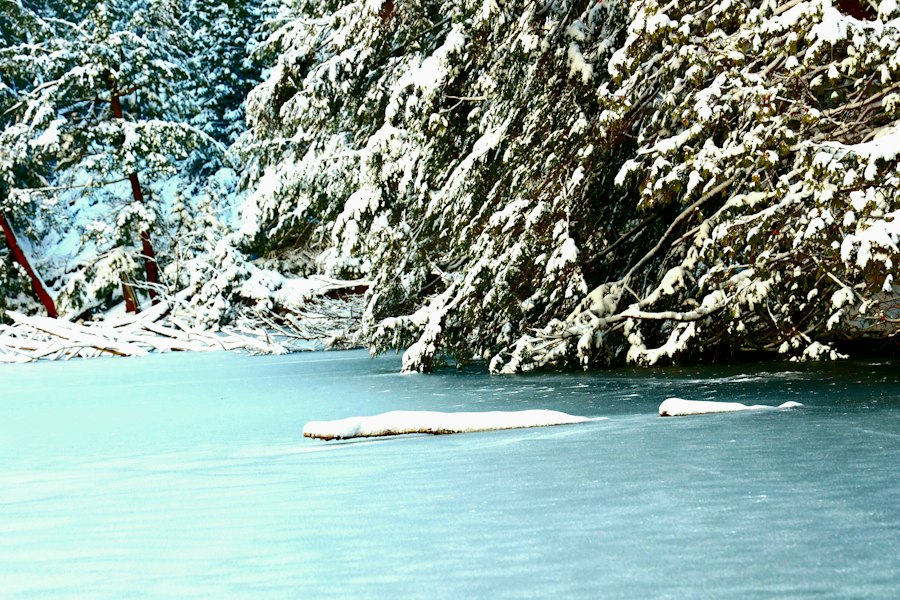
Animals, inextricably linked to their environment, provided invaluable guidance to early humans. The behavior of fauna during winter offered a roadmap to survival, revealing not only where to find food but also where pockets of open water might persist. These creatures, driven by primal needs, often navigated the frozen landscape with an innate understanding of its hidden resources. Early humans, as skilled hunters and observers, meticulously studied these animal patterns, incorporating them into their own survival strategies. Their ability to interpret these non-verbal cues was a significant advantage in their quest for water during the lean winter months.
Following the Thirsty Herd
Migratory and resident animals, particularly herbivores like deer and bison, needed to drink daily, even in the coldest weather. Early humans would observe the established routes these herds took to reach water sources. If a river or lake froze over, they would notice where the animals continued to congregate, suggesting the presence of unfrozen areas. These persistent drinking holes, often created by animal activity or natural currents, became prime locations for human observation and potential water acquisition. The tracks of these animals in the snow would lead hunters and gatherers to these vital oases, demonstrating a symbiotic relationship built on shared environmental knowledge.
The Bird’s Eye View of Survival
Birds, especially waterfowl that remained in colder climates, were also excellent indicators of open water. Even in a frozen landscape, ducks and geese would seek out areas where ice had not formed or had broken apart. Their presence, often visible from a distance, signaled the existence of open water, even if it was just a small pool or a section of river where currents kept the ice at bay. Early humans, with their sharp eyesight and knowledge of avian habits, would scan the skies for these indicators, using them as a compass to guide them towards potential water sources. The flight patterns of these birds often revealed the most consistent and reliable sources of open water.
Exploiting Geological and Hydrological Features

The terrain itself held secrets to winter water availability. Early humans understood that certain geological formations and hydrological processes could create conditions conducive to maintaining liquid water, even when the surrounding environment was locked in ice. They learned to identify these natural features and exploit them for their survival, demonstrating a sophisticated understanding of hydrogeology long before such terms existed. This knowledge was hard-won, likely gained through generations of exploration and observation, and was crucial for overcoming the challenges of a frozen world.
The Warmth of Underground Springs
Underground springs were a treasure trove of unfrozen water during winter. These springs, fed by subterranean water systems that remained insulated from surface frost, emerged at consistent temperatures, often warm enough to prevent freezing. Early humans would learn to recognize the subtle signs of these springs, such as patches of unfrozen ground in snow-covered areas, the presence of specific moisture-loving plants that could survive the cold, or the dampness that might be felt underfoot. They would also observe the behavior of animals that might congregate near these warmer pockets, indicating a reliable water source. The discovery and memorization of these spring locations were vital for winter survival, providing a consistent and safe supply of drinking water.
The Power of River Currents
Fast-flowing rivers, especially those with deep channels, possessed a natural resistance to freezing. The constant movement of the water, driven by gravity, circulated warmer water from deeper regions to the surface, preventing a complete freeze-over. Early humans would have learned to identify the sections of rivers that remained open, often along the outside bends where the current was strongest, or in areas where submerged rocks or other obstructions created turbulence. They would also observe the patterns of ice accumulation, noting where the ice broke up or where it was thinnest, indicating areas of more vigorous flow. These turbulent sections became essential destinations for obtaining water, though they still required careful approach and knowledge of the ice’s stability.
The Enigmatic Caves and Rock Shelters
Certain caves and rock shelters, particularly those with porous rock formations or internal water seepage, could offer a refuge from the harsh winter and a source of water. Water trickling down from above or seeping through the rock could collect in pools within these sheltered environments, protected from the freezing air. Early humans, seeking shelter from the elements, would have discovered these hidden water sources incidentally. They would learn to recognize the signs of moisture within caves, such as dripping water, damp walls, or the presence of specialized cave-dwelling flora or fauna. These became invaluable winter havens, providing both warmth and hydration.
Ingenuity in Water Acquisition and Storage
Beyond simply locating open water, early humans developed clever methods for acquiring and storing this precious resource. Their resourcefulness extended to fashioning tools and containers that allowed them to extract water from difficult-to-reach places and preserve it for times of scarcity. This demonstrated a forward-thinking approach, not just focusing on immediate needs but also on ensuring a supply for the duration of the winter. Their innovations were born from necessity and refined through countless trials and errors, contributing significantly to their resilience.
Crafting Tools for Ice Breaking
When faced with a layer of ice, early humans employed a range of tools to break through. While direct access to open water was preferred, situations demanded ingenuity. They might have used heavy stones to crack thinner ice, or fashioned rudimentary tools from bone, antler, or sharpened wood to chip away at frozen surfaces. For thicker ice, they might have employed a levering technique with sturdy branches. The development of hafted tools, combining a stone or bone point with a wooden handle, would have significantly enhanced their ability to break ice and extract water. The careful selection of materials for these tools, considering their strength and durability in cold conditions, was a key aspect of their success.
The Art of Water Collection from Snow and Ice
When no open water was readily available, early humans turned to the abundant frozen precipitation. They would collect large quantities of snow and ice, understanding that melting it would yield liquid water. This process required a heat source, typically a fire. They would place snow or ice in containers, often made of animal hide, bone, or carved wood, and position them near their hearths to melt. This method, while requiring time and fuel, was a reliable way to secure a water supply when all other sources were frozen. The efficiency of their fire-making and heat management was crucial to this process.
Preserving Precious Liquids
Storing water was as important as acquiring it. Early humans utilized a variety of natural materials to create containers capable of holding liquids. Animal bladders and stomachs, carefully cleaned and sealed, served as primitive water skins. Large hollowed-out gourds or sections of hollowed wood could also be used. For longer-term storage, they might have dug pits lined with clay or animal hides to create rudimentary reservoirs, protecting the water from further freezing and contamination. These storage methods ensured that even if a water source temporarily dried up or became inaccessible, they had a reserve to draw upon.
Early humans faced numerous challenges during winter, particularly when it came to finding open water for drinking and fishing. Their survival depended on keen observation of the environment, such as the behavior of animals and the patterns of the wind, which could indicate areas where ice might be thinner. For a deeper understanding of how early humans adapted to their surroundings, you can explore a related article that discusses the broader implications of environmental changes on human behavior. This article can be found here.
The Social and Knowledge Transmission Aspects
| Method | Description | Effectiveness | Evidence Source |
|---|---|---|---|
| Observation of Animal Behavior | Early humans followed animals to water sources, noting where animals drank or gathered. | High | Archaeological studies of hunting patterns and animal tracks |
| Use of Natural Indicators | Identifying signs such as vegetation patterns, ice cracks, or steam from warm springs. | Moderate | Ethnographic records and paleoenvironmental data |
| Knowledge of Terrain | Understanding landscape features like river bends, valleys, and depressions that retain water. | High | Geological surveys and anthropological research |
| Seasonal Memory and Oral Tradition | Passing down knowledge about reliable water sources during winter through stories and teaching. | High | Anthropological studies of indigenous cultures |
| Ice Breaking and Melting Techniques | Using tools or fire to break ice or melt snow to access water beneath. | Variable | Archaeological findings of tools and hearths |
The successful navigation of winter’s challenges was not solely an individual endeavor. It was deeply embedded within the social structures and knowledge transmission mechanisms of early human groups. The sharing of information, the collaborative effort in resource acquisition, and the passing down of hard-won wisdom from elder to younger generations were all vital components of their winter survival. This collective knowledge, built over time, ensured the group’s resilience and the perpetuation of their species through the demanding winter months.
Learning from the Elders
The elders within early human communities held a wealth of knowledge accumulated over a lifetime of experience. They possessed intimate familiarity with the local landscape, understanding the seasonal cycles, the habits of animals, and the locations of hidden resources. It was their guidance that directed younger generations to the most promising water sources, taught them the techniques for breaking ice, and warned them of potential dangers. This oral tradition, where knowledge was passed down through stories, demonstrations, and direct mentorship, was the primary educational system, ensuring the continuity of essential survival skills.
Collaborative Efforts for Survival
Facing the stark realities of winter often required a united front. While individuals might have scouted for water, the actual extraction and transport of large quantities would have been a group effort. Men might have ventured further to find and break ice, while women and children might have been responsible for collecting snow and maintaining fires for melting. This division of labor, based on physical capabilities and shared responsibility, maximized their efficiency and ensured that the needs of the entire group were met. The success of one was the success of all.
The Evolution of Environmental Understanding
The collective experiences of a community over generations led to a refined and evolving understanding of their environment. Each winter provided new lessons, new observations, and new challenges. This continuous process of learning and adaptation meant that their strategies for finding water were not static but dynamic, improving with each passing year. The cumulative knowledge about water sources, animal behavior, and geological features allowed them to become increasingly adept at surviving the harsh winters, laying the groundwork for the complex societies that would eventually emerge. Their ability to find open water during winter was a critical factor in their expansion and dominance across diverse and challenging landscapes.