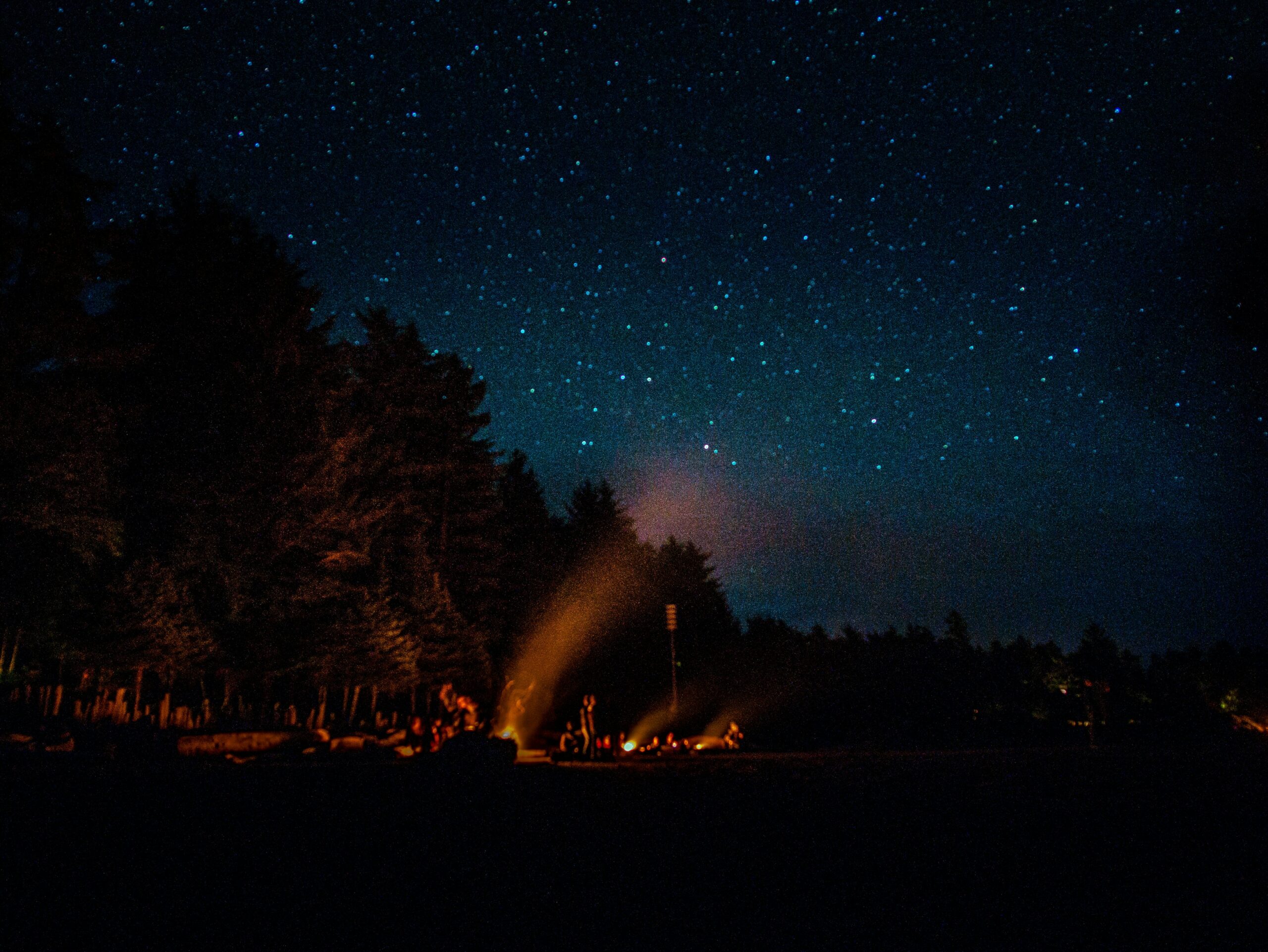
The crackling embrace of a campfire offers solace and warmth, a beacon against the encroaching darkness. Yet, the unpredictable temper of nature, particularly a raging storm, can swiftly extinguish this flickering companion. Learning to nurture a campfire’s flame through tempestuous weather is not merely a matter of comfort; it can be a crucial element of survival, providing heat, a means to purify water, and a morale boost when isolated and exposed. This guide delves into the essential tips and tricks for keeping campfires alive, even when the heavens unleash their fury.
The Art of Fire Preparation: Laying the Foundation for Resilience
The success of any campfire, especially one intended to withstand adverse conditions, hinges entirely on meticulous preparation. Before the first hint of rain or the wind begins to howl, a robust and well-constructed fire is paramount. This involves not just gathering fuel, but understanding the qualities of different materials and how to arrange them for maximum longevity and resistance to external forces.
Selecting the Right Kindling: The Spark of Persistence
Kindling, the small, easily ignitable material, is the most vulnerable component of a campfire. In stormy weather, finding dry kindling can be a significant challenge. The key is to look for materials that are naturally protected from moisture or have a higher propensity to dry out quickly.
Seeking Dry Wood Under Cover
Dead branches that have fallen but remain attached to trees, especially those under dense canopies or overhangs, often offer the driest kindling. These are less likely to be saturated by direct rainfall. Likewise, the underside of fallen logs, particularly larger ones, can provide a sheltered haven for dry twigs and bark. Look for standing deadwood; it tends to be drier than wood lying directly on the damp ground. Even in a downpour, there can be pockets of dryness if one knows where to search.
Processing and Splitting for Accessibility
Once potential kindling is found, it’s crucial to process it effectively. Thin twigs can be broken into smaller, manageable pieces. For slightly larger pieces, a knife or a small axe can be used to split them lengthwise. This exposes the dry inner wood, making ignition significantly easier, even if the outer surface is damp. The act of splitting also creates more surface area, which can aid in drying if there’s a brief lull in the precipitation.
Fuel Selection: Building a Durable Core
Beyond the initial spark, the sustained life of a campfire depends on the quality and quantity of its fuel. In stormy conditions, this means selecting wood that burns hot and long, and arranging it in a way that shields the flames from wind and rain.
Prioritizing Dry, Dense Hardwoods
Hardwoods, such as oak, maple, and hickory, are superior choices for prolonged burning. They possess a higher energy density and burn at a hotter temperature, making them more resilient to the cooling effects of wind and rain. Softwoods, while easier to ignite, burn faster and are more susceptible to being extinguished by a sudden gust of wind or a downpour. When selecting hardwoods, prioritize pieces that are visibly dry, with no signs of rot or mold. Cracking sounds when broken are a good indicator of dryness.
Gathering Ample Fuel Reserves
A common mistake when preparing for bad weather is underestimating the amount of fuel required. A storm can significantly accelerate fuel consumption as the fire works harder to maintain its heat. It is essential to gather a substantial stockpile of various sizes of wood – from finger-thick pieces for sustained burning to larger logs that will provide a long-lasting heat source. Having more fuel than you think you’ll need is a prudent strategy.
Fire Structure: Designing for Defense
The way a campfire is built is as important as the fuel it consumes, especially when anticipating inclement weather. The structure needs to act as a shield against the elements.
The Teepee Method: A Classic for a Reason
The teepee structure, with kindling forming the core and progressively larger pieces of fuel leaning against it, remains a highly effective method. In stormy conditions, however, the teepee can be modified to offer greater protection. By building a more enclosed teepee, with fuel pieces angled inwards and closer together, the flames are shielded from direct wind. Furthermore, larger logs can be used to form an outer ring, creating a natural windbreak.
The Log Cabin or Platform Method: Stability and Shelter
The log cabin structure, where pieces of fuel are stacked horizontally in alternating directions, can offer excellent stability and can also be adapted for storm protection. By placing the smallest fuel pieces in the center and building outwards, with progressively larger logs forming the “walls” of the cabin, a sheltered space is created for the flames. A platform of larger, flatter logs can also be constructed on which to build the fire, lifting it slightly off potentially damp ground and providing a stable base that can withstand wind.
When preparing for a camping trip, it’s essential to know how to keep your campfires alive, especially during unpredictable weather conditions like storms. For tips on maintaining a steady flame even in adverse weather, you might find it helpful to read about survival techniques in challenging situations. For more insights, check out this related article on understanding the Trading with the Enemy Act, which discusses resilience in difficult times. You can find it here: Understanding the Trading with the Enemy Act.
Ignition Strategies: Sparking the Flame in the Wet and Windy

Starting a fire when everything is damp and the wind is a constant adversary requires specialized techniques and reliable ignition sources. Simply striking a match is rarely sufficient.
Choosing the Right Ignition Tools
The reliance on standard lighters or matches is precarious in a storm. Investing in specialized fire-starting tools is a wise precaution.
Waterproof Matches and Lighters: Essential Lifelines
Waterproof matches are designed to withstand moisture and can often be ignited even when wet. They are a reliable backup. Stormproof lighters, also known as windproof or torch lighters, produce a more concentrated flame that is far less susceptible to being blown out by gusts of wind. Keeping these in a waterproof container is paramount.
Ferrocerium Rods and Fire Steels: The Unfailingly Reliable
For the truly prepared, a ferrocerium rod (ferro rod) paired with a steel striker is an indispensable tool. These can produce sparks at extremely high temperatures, capable of igniting even damp tinder. They function reliably regardless of moisture conditions. Mastering the technique of using a ferro rod, which involves creating a consistent shower of sparks directed at your tinder, is a valuable skill.
Preparing and Using Tinder: The Crucial First Spark
Tinder is the initial fuel that catches the spark and ignites the kindling. In a storm, this component needs extra attention to ensure it can accept and hold a flame.
Natural Tinder with Enhanced Properties
Certain natural materials possess inherent fire-starting properties, even when slightly damp. Cottonwood fluff, birch bark shavings, and dry pine needles can be effective. However, in a storm, these need to be processed to maximize their potential. This involves fluffing them up to increase surface area and collecting them from the driest possible locations, such as the underside of branches or inside hollow logs.
Artificial Tinder: The Game Changer
Commercially available artificial tinder, such as cotton balls soaked in petroleum jelly, commercial fire starters, or char cloth, are incredibly effective in wet conditions. Petroleum jelly-coated cotton balls are particularly useful; the jelly acts as a water repellent and provides a long, steady burn. Char cloth, when properly prepared, ignites with even a small spark and burns at a high temperature, ideal for transferring flame to kindling. Storing these artificial tinder sources in waterproof containers is essential.
The Ignition Sequence: A Deliberate Process
When striking a flame, patience and a deliberate sequence are key.
Shielding the Initial Spark
Before attempting to ignite, use your body, a jacket, or a natural windbreak to shield the tinder and ignition source from the wind. Cup your hands around the area where you’ll be striking.
Gentle Introduction of Flame
Once a spark or flame is established on the tinder, gently introduce it to the smallest, driest pieces of kindling. Avoid blowing too hard, as this can extinguish the delicate flame. Instead, breathe gently and steadily to encourage the flame to grow and transfer to the kindling.
Maintaining the Flame: Strategies for Continuous Burning

Once the fire is established, the ongoing challenge is to keep it burning effectively through the persistent assault of wind and rain. This requires active management and strategic additions of fuel.
Fuel Management: The Never-Ending Supply Line
The most critical element of maintaining a campfire during a storm is an uninterrupted supply of fuel. This means having a system for replenishing the fire consistently.
Constant Replenishment: Don’t Wait for Embers
The temptation is to let the fire burn down a bit before adding more fuel. However, in stormy conditions, this can be a fatal mistake. Aim to add smaller pieces of fuel regularly to maintain a consistent level of heat and flame. As the storm intensifies, larger logs can be added to the edges of the fire, allowing them to dry and catch gradually without smothering the core flames.
Preparing Fuel in Advance
Having a reserve of pre-prepared fuel is invaluable. This includes splitting wood into manageable sizes and ensuring it’s as dry as possible. When the wind and rain are at their worst, you won’t want to be fumbling with damp logs. Designate a dry, sheltered area near the campfire to store this ready-to-burn fuel.
Protecting the Firebed: A Shield Against the Elements
The firebed itself needs protection from direct water impact and wind.
Utilizing Natural Windbreaks
Positioning the campfire near natural windbreaks, such as large rocks, fallen logs, or dense undergrowth, can provide significant protection. However, ensure that these natural features are not flammable themselves and are positioned in a way that doesn’t trap smoke.
Building a Protective Barrier
If natural windbreaks are insufficient, constructing a temporary barrier can be highly effective. This can be done by using larger logs placed on the windward side of the fire, or by digging a shallow trench to deflect wind and water. Some campers carry collapsible fire shields made of metal for this purpose. The goal is to create a physical barrier that redirects the elements away from the flames.
Understanding Airflow: The Breath of the Fire
Fire needs oxygen to burn. In a storm, managing airflow becomes a delicate balancing act. Too much airflow from wind can extinguish the flames, while too little can starve the fire.
Adjusting Fuel Placement for Airflow
By strategically placing logs, you can control the amount of air reaching the fire. For example, slightly lifting a log can allow air to circulate underneath, while packing logs too tightly can starve the fire. Observe how the flames react to different placements and adjust accordingly.
Creating Air Channels
During a storm, it may be necessary to create small air channels by carefully arranging the fuel. This can involve using smaller sticks to create gaps between larger logs, ensuring that the fire continues to receive the oxygen it needs to thrive without being overwhelmed by wind.
Shelter and Site Selection: Proactive Measures for Storm-Proofing
The location and setup of your campfire are critical elements in its ability to withstand a storm. Proactive site selection can make the difference between a raging inferno and a pathetic sputter.
Choosing a Sheltered Location: Natural Fortification
The most effective way to protect a campfire is to place it in a naturally sheltered location. This requires careful observation of the surrounding environment.
Utilizing Natural Depressions and Overhangs
Natural depressions in the ground, especially those protected by large rocks or fallen trees, can offer a degree of shelter from both wind and rain. Overhanging cliffs or dense tree canopies can also provide a natural roof, keeping precipitation away from the fire. However, be mindful of potential hazards like falling debris from trees or unstable rock formations.
Considering Wind Direction and Gusts
Understanding the prevailing wind direction is crucial. Position your campfire on the leeward side of any natural windbreaks. Be aware of how the wind might shift during a storm, as gusts can come from multiple directions. It’s often beneficial to have multiple layers of potential windbreaks.
Ground Preparation: A Solid Foundation
The ground on which the fire is built plays a significant role in its stability and its ability to resist moisture.
Clearing and Leveling the Site
Always clear the intended fire site of all flammable materials, including dry leaves, grass, and twigs. Ensure the ground is as level as possible to prevent the fire from collapsing or shifting, especially in strong winds.
Using a Raised Fire Platform
For extreme weather, constructing a raised fire platform is highly recommended. This can be done using flat stones, a thick layer of sand, or even a specially designed metal fire pan. A raised platform not only keeps the fire elevated from damp ground but also provides a more stable base, less likely to be disturbed by strong winds.
Smoke Management: Breathing Room for the Flames
While airflow is essential for combustion, uncontrolled airflow can be detrimental. Managing smoke is intrinsically linked to managing airflow.
Directing Smoke Away from Occupants
Ensure your campfire is positioned so that prevailing winds will carry smoke away from your shelter and any occupied areas. This is not only for comfort but also for safety, as smoke inhalation can be dangerous.
Creating a Controlled Draft
In some situations, you might need to create a controlled draft to help the fire breathe. This can involve strategically leaving small gaps in the fuel structure or using tools to carefully manipulate the logs. The goal is to allow oxygen to reach the flames without allowing the wind to dominate.
When facing the challenge of keeping campfires alive through a storm, it’s essential to understand how to maximize your resources effectively. For more insights on resource management in outdoor settings, you might find this article on maximizing resources with ISRU technology particularly helpful. It offers valuable strategies that can enhance your camping experience, especially when the weather turns unpredictable.
Advanced Techniques and Troubleshooting: When the Going Gets Tough
| Metric | Description | Recommended Value/Tip |
|---|---|---|
| Firewood Type | Type of wood used to maintain fire during wet conditions | Use dry, dense hardwoods like oak or hickory |
| Fire Shelter | Protection method to shield fire from rain and wind | Build a windbreak or use a fire reflector |
| Fire Starting Material | Material used to ignite fire quickly in damp conditions | Use waterproof matches or fire starters like fatwood |
| Fire Maintenance Frequency | How often to tend the fire to keep it alive | Stoke and add wood every 10-15 minutes |
| Fire Size | Optimal fire size to withstand storm conditions | Keep fire small to medium for better control and heat |
| Fire Location | Best placement of fire to avoid wind and rain exposure | Choose a sheltered spot, such as behind rocks or trees |
| Fire Base | Surface on which fire is built to prevent dampness | Build fire on dry stones or a platform of dry wood |
Even with the best preparation, challenging situations can arise. Knowing how to troubleshoot and employ more advanced techniques can be critical for survival and comfort.
Dealing with Persistent Rain: The Art of the Drip-Proof Fire
When rain becomes a constant deluge, keeping the fire alive requires a proactive approach to prevent water from extinguishing the flames.
Building a “Roof” for the Fire
In situations where natural shelter is insufficient, consider building a temporary “roof” over the campfire. This can be achieved by propping up larger pieces of bark, a tarp (used cautiously and kept at a safe distance to avoid fire hazards), or even a thick layer of green boughs (which will smolder rather than burn quickly). The aim is to create a barrier that deflects the heaviest rain.
Embracing the “Smothering” Technique (with Caution)
In extreme cases of heavy rain, a controlled “smothering” technique might be employed. This involves carefully adding larger, denser logs around the edges of the existing fire. The goal is to create a protective shell that allows the inner core of the fire to continue burning, slowly drying out the outer logs and preventing direct water impact. This requires careful observation and a delicate touch to avoid extinguishing the fire entirely.
Rekindling a Dying Fire: The Rescue Mission
If the fire has dwindled to embers or gone out, rekindling it in stormy conditions can be a significant challenge.
Focusing on Dry Tinder and Kindling
The absolute priority when rekindling is to find or create the driest possible tinder and kindling. This may involve scraping away wet outer layers of wood to expose the drier interior, or using any remaining artificial tinder.
Gentle Blowing and Shielding
When attempting to re-ignite, use gentle, controlled breaths to encourage the flame. Shield the nascent flame from wind with your hands or body as much as possible. Patience is key; a dying fire is more fragile than a newly lit one.
Recognizing and Mitigating Fire Hazards: Safety First
Maintaining a campfire in a storm increases certain risks. Vigilance is paramount.
Maintaining a Clear Fire Break
Ensure a sufficient fire break around the campfire, especially if using a tarp or other artificial shelters. Keep flammable materials well away from the flames.
Never Leave a Fire Unattended
This is a fundamental rule of campfire safety, but it becomes even more critical during a storm. The dynamic nature of wind and rain can quickly turn a contained fire into an uncontrolled hazard. Always have at least one person actively tending the fire.
By understanding and implementing these essential tips and tricks, individuals can significantly increase their chances of maintaining a life-sustaining campfire, even when nature unleashes its most formidable fury. The ability to keep a fire burning through a storm is a testament to careful planning, resourcefulness, and a deep respect for the elements. It transforms a potentially dangerous situation into one of manageable comfort and safety, a small but vital victory against the encroaching wilderness.
