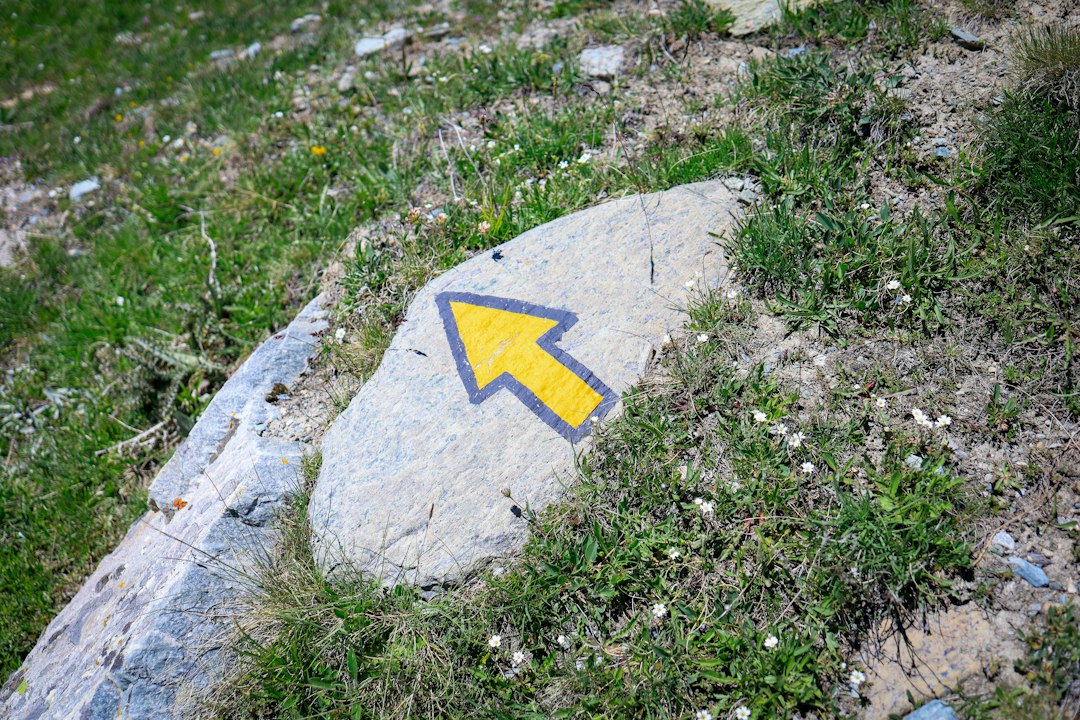
Whispers of the Waterside: Unveiling the River Stone Marker
The dappled sunlight, filtered through a canopy of ancient willows, cast shifting patterns on the smooth, grey stones of the riverbed. Water, clear and cool, gurgled and chuckled its way over pebbles and larger rocks, a constant, soothing murmur that spoke of timeless journeys. It was here, amidst this tranquil scene, that a peculiar sight arrested the eye of the seasoned explorer, Elara Vance. Protruding from a cluster of submerged river stones, as if defiantly rooted by some unseen hand, stood a spear. Not a fallen branch, nor a discarded artifact of casual discard, but a spear, planted upright, its shaft dark and weathered, its tip glinting faintly with what might have been ancient polish or the slow caress of countless tides. This was no ordinary river detritus; it was a deliberate marker, a silent sentinel guarding a secret, hinting at a hidden pathway that meandered not just through the river’s embrace, but perhaps into realms unseen.
The initial encounter was one of profound curiosity. Elara, a cartographer by profession and an adventurer by spirit, had charted countless miles of rugged terrain and navigated obscure waterways. Yet, this find possessed a unique resonance, an enigma woven into the very fabric of the natural world. The spear itself, she noted, was not of crude design. Its shaft, though aged, showed signs of careful shaping, perhaps even intricate carving, now smoothed by the relentless erosion of the river. The tip, though blunted by time and water, still retained a subtle sharpness, a testament to its original purpose. Its upright stance, defying the natural inclination of any object to be swept away by the current, spoke volumes about its intentional placement. It was a deliberate act, a signal.
The surrounding river stones offered no immediate clues. They were a natural mosaic, worn smooth by millennia of flow, their surfaces slick with algae in places. Yet, Elara’s trained eye began to discern subtle patterns. The stones around the spear, while appearing random at first glance, seemed to form a loose semi-circle, drawing attention towards the spearhead. A keen observer might have overlooked it, dismissing it as an anomaly, a curious quirk of nature. But Elara was trained to see beyond the obvious, to interpret the language of the landscape. The spear was not merely an object; it was a signpost, and its presence suggested that the river, usually a straightforward conduit, held a hidden bifurcated path, one that diverged from the readily apparent course.
In exploring the significance of traditional markers in various cultures, one can draw parallels to the recent article discussing the advantages of nearshoring for U.S. companies. Just as a spear planted upright among river stones serves as a guide for travelers, the strategic relocation of manufacturing closer to home can provide clear benefits in efficiency and cost-effectiveness. For more insights on how businesses can navigate this shifting landscape, you can read the article here: Maximizing Benefits of Nearshoring for U.S. Companies.
The Silent Language of the River Stones
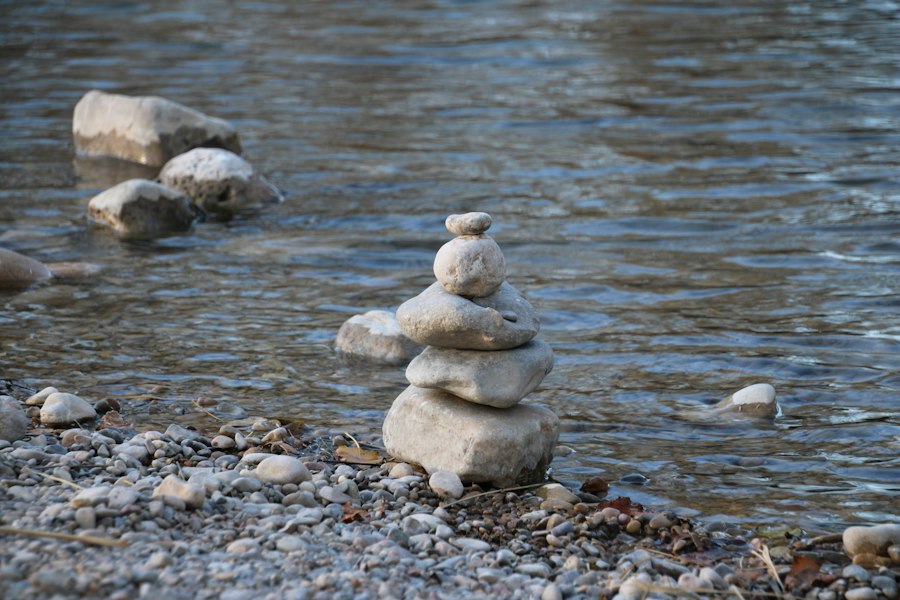
The immediate task was to understand the context of the spear’s placement. Elara knelt beside the water’s edge, her gaze sweeping across the riverbed, seeking any corroborating evidence. The spear, she reasoned, was not an isolated incident. It had to be part of a larger system, a clandestine communication designed to be understood by those who knew where to look, and how to interpret. The stones, in their silent uniformity, began to reveal their secrets under her persistent scrutiny.
Subtle Disruptions in the Natural Flow
The river, for all its apparent uniformity, possessed a dynamic flow. Elara observed how the water moved around the spear and the surrounding stones. There was a slight eddy, a miniature whirlpool that formed just downstream of the spear, a deviation from the otherwise smooth passage of water. This eddy, though small, indicated a subtle obstruction, a deliberate alteration in the riverbed’s natural topography. It was as if the stones had been arranged, not by random chance, but by conscious design, to create this specific hydrological effect. The spear, in its upright position, acted as an anchor for this subtle manipulation of the current. She traced the path of the water, noting how it seemed to curve ever so slightly away from the cluster of stones, drawn into a new, less obvious channel.
Anomalous Placement and Clustering
Beyond the immediate vicinity of the spear, Elara began to notice other clusters of stones that seemed out of place. These weren’t just random collections; they appeared to be deliberately positioned, forming subtle lines and configurations. One cluster, further downstream, mirrored the semi-circular arrangement around the spear. Another seemed to form a faint arrow-like shape, pointing towards a less turbulent section of the river. These formations, though unobtrusive to the casual observer, began to paint a picture for Elara. They were the building blocks of a hidden map, etched into the riverbed itself, the spear serving as a prominent beacon within this silent cartography. The spear’s upright position was crucial; it provided a vertical datum point in the otherwise two-dimensional arrangement of stones, making it a definitive landmark.
Echoes of Intentional Construction
The sheer persistence of the upright spear, its refusal to be dislodged by the river’s force, spoke of more than just a strong planting. It suggested a foundation, a deliberate anchoring within the riverbed. Elara conjectured that beneath the visible stones, there might be a more solid, perhaps even artificially constructed base, designed to ensure the spear’s unwavering posture. The water, in its constant movement, would have smoothed away any obvious signs of digging or construction, but the effect – the unyielding uprightness – remained. The arrangement of the surrounding stones, she realized, wasn’t just about directing the water; it was also about subtly concealing this underlying structure. They were placed to appear as a natural part of the riverbed, a natural erosion pattern, while in fact they were the carefully chosen camouflage for a hidden engineering feat.
The Hidden Pathway Revealed
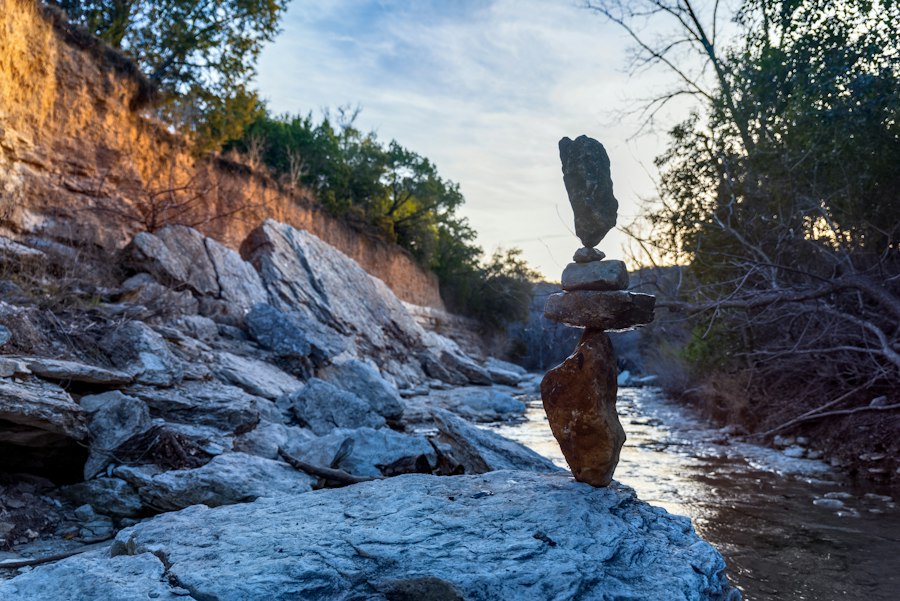
With the understanding that the spear and stones were part of a deliberate signaling system, Elara shifted her focus to discerning the actual pathway. The river, her initial assessment had suggested, was not a singular entity in this location. There was another route, obscured from casual view, and the spear was the key to unlocking its entrance. The subtle currents, the arrangements of stones – they were all indicators, pointing towards an alternative course.
Divergence of Currents: The Unseen Turn
Following the slight divergence in the water’s flow that she had observed, Elara waded further into the river. The current here was noticeably gentler, almost imperceptible compared to the main channel. The riverbed sloped downwards more gradually, suggesting a widening of the waterway, or perhaps a transition into a deeper, calmer pool. The spear, she realized, acted as a visual anchor for this divergence. Anyone approaching the area from upstream would see the spear, and the subtle alteration in the water’s movement would naturally draw their attention to the less obvious path it marked. It was an invitation, a subtle redirection, designed to guide the initiated away from the more evident, and perhaps less desirable, main channel.
Navigating by Submerged Landmarks
As she moved along this secondary route, Elara began to identify more submerged markers, less pronounced than the spear but no less significant. These were larger, flatter stones, positioned at strategic intervals, their tops barely breaking the surface of the water. They formed a discernible line, a submerged guidepost that prevented her from straying too far off course. The spear, from this new perspective, served as the initial waypoint, confirming that she was on the correct path. Each subsequent submerged stone was a confirmation, a step further into the hidden passage. It was a path that demanded a different kind of navigation, one that relied on a keen sense of touch and an intimate understanding of the river’s subtle shifts, rather than solely on visual cues.
The Entrance to the Veiled Route
The hidden pathway eventually led her to a point where the river widened significantly, forming a broad, tranquil expanse. The banks here were steeper, and the vegetation grew more dense, effectively concealing the waterway from above. The spear, viewed from this new vantage point, now seemed to stand at the mouth of a secret cove, a gateway to a more secluded part of the river system. The stones that had initially seemed like random placements now formed a visual frame, emphasizing the entrance to this veiled route. It was a deliberate concealment, designed to make this route appear as a natural, unexceptional part of the river, yet possessing a distinct character that set it apart.
The Builders of the Riverine Path
The presence of such an intricate and deliberate marker naturally led to questions about its origin. Who would go to such lengths to create a hidden pathway, and for what purpose? The spear, the stones, the subtle manipulation of the water – these were not the work of chance. They implied a level of planning, engineering, and likely, a sustained effort over time. Elara’s mind immediately turned to the possibilities, considering the various groups who might have employed such methods.
Traces of Ancient Civilizations and Indigenous Knowledge
The possibility of an ancient civilization being responsible was a strong one. Such cultures often possessed a deep understanding of hydrology and landscape manipulation, using natural elements for communication and navigation. Indigenous peoples, with their intricate knowledge of the land and its waterways, would also have the skills and the inclination to create such a path. The spear itself could be a relic of a forgotten people, its purpose now amplified by the surrounding stone arrangements. The simplicity of the materials – stone and wood – suggested a time before advanced technology, a time when humanity worked in closer harmony with nature. The longevity of the marker, enduring the constant flow of the river, spoke of materials chosen for their durability and the skill of those who placed them.
Secret Societies and Their Concealed Routes
Another avenue of thought led to the concept of secret societies or clandestine groups. Throughout history, such organizations have often employed hidden routes and coded markers to facilitate their movements and maintain their secrecy. The river, with its natural ability to conceal, would be an ideal conduit for such activities. The spear could be a recognized symbol within such a group, a clear indication of a passage known only to its members. The very subtlety of the markers, designed to be overlooked by the uninitiated, supported this theory. It was a system of exclusion, a way to ensure that only those with the right knowledge could traverse this hidden artery.
Practical Needs: Smuggling, Sanctuary, or Trade
Beyond the more esoteric possibilities, there were also purely practical reasons for a hidden river path. Smuggling operations, desperate attempts to find sanctuary, or discreet trade routes could all benefit from such a concealed passage. A river offered a relatively safe and efficient way to transport goods or people, especially when the route itself was obscured from observation. The spear might have marked a point of rendezvous, a safe haven, or a discreet entry into a protected territory. The deliberate nature of the construction suggested a need that was both significant and ongoing, requiring a reliable and discreet method of passage.
In exploring the significance of cultural markers in natural landscapes, one might find it interesting to consider the implications of how these symbols, such as a spear planted upright among river stones, serve as both navigational aids and reflections of human history. This concept resonates with broader themes in contemporary discussions about labor and industry, particularly in the context of nearshoring and its effects on American jobs. For a deeper understanding of these economic shifts, you can read more in this insightful article on the impact of nearshoring on American jobs here.
Deciphering the Purpose of the Upright Spear
| Metric | Description | Typical Value | Unit |
|---|---|---|---|
| Spear Height | Length of the spear planted upright | 1.5 | meters |
| Stone Diameter | Average diameter of river stones used in path | 0.1 – 0.3 | meters |
| Path Width | Width of the river stones path | 0.6 – 1.2 | meters |
| Spear Material | Material used for the spear | Wood or Metal | N/A |
| Placement Interval | Distance between consecutive spears as path markers | 2 – 5 | meters |
| Stability | Resistance to displacement by water or wind | High | Qualitative |
The ultimate enigma remained: what was the precise purpose of this carefully constructed pathway, and what did the upright spear signify within that context? Its prominent position suggested a meaning far beyond simply marking a turn. Elara considered the various interpretations, piecing together the clues embedded in the environment.
A Symbol of Passage and Transformation
The spear, as a tool of both hunting and warfare, carried inherent symbolism. Its upright placement in the water, a symbol of life and flow, could represent a transition or a transformation. It might signify a crossing from one state to another, from the known to the unknown, or from the ordinary to the extraordinary. The river itself, in many cultures, represents the journey of life, and this hidden path, marked by the spear, could be a metaphor for navigating the more challenging or sacred aspects of that journey. It was a rite of passage, etched into the landscape.
Guardianship and the Protection of Secrets
Alternatively, the spear could represent guardianship. Its imposing stance, rooted firmly in the riverbed, might signify a protector of the hidden pathway, a sentinel warding off those who were not meant to enter. This interpretation aligns with the idea of secret societies or sacred grounds. The spear’s unwavering presence served as a warning, a visual deterrent to any who might stumble upon the path without proper knowledge or intent. It was a silent guardian, ensuring that the secrets of the river remained undisturbed.
A Navigational Beacon for a Specific Destination
Most practically, the spear served as a primary navigational beacon. Its unique positioning and upright stance made it easily identifiable from a distance, even in the challenging conditions of a river. It directed travelers towards the hidden pathway, ensuring they did not miss the subtle turn. Its significance lay in its ability to confirm the correct route. Upon sighting the spear, a traveler would know they were in the right place to deviate from the main current and enter the concealed passage. The spear, in this context, was the definitive confirmation that the journey was proceeding as intended, leading to a specific, often undisclosed, destination. The river stones then served as the secondary, finer guidance, confirming the route once the initial waypoint had been reached.
