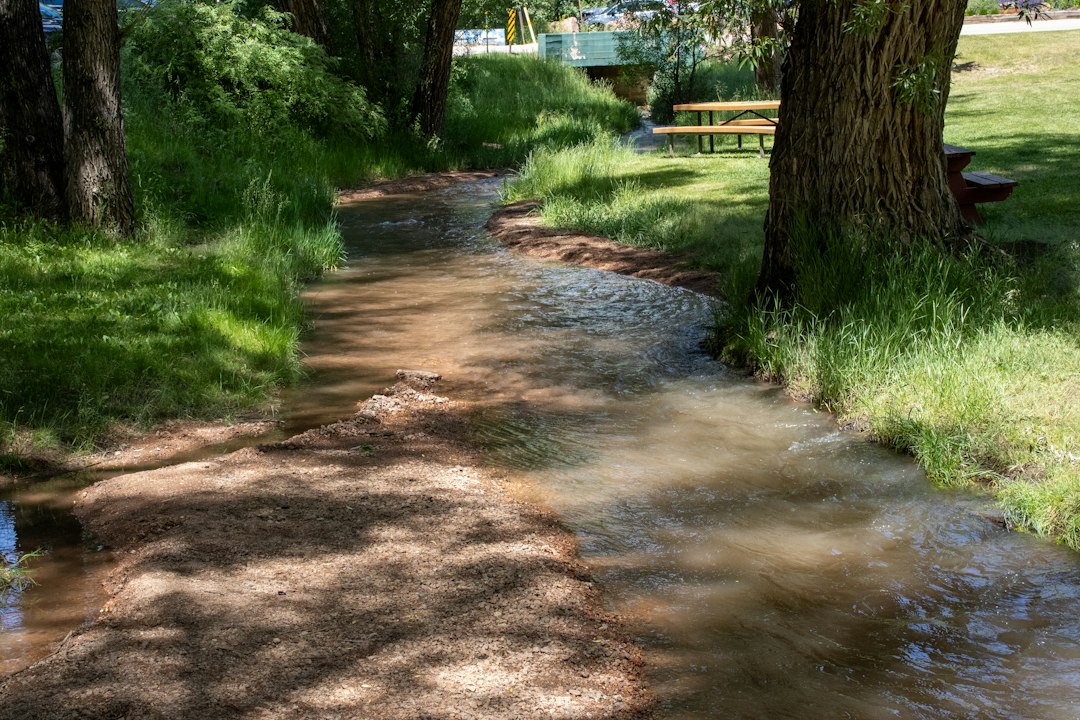
The allure of the opposite bank, whether it be a tranquil meadow, a bustling town, or a remote wilderness, has drawn humanity across water for millennia. From ancient rafts to modern ferries, the act of traversing waterways is fundamental to exploration, commerce, and survival. Yet, beneath the seemingly placid surface of a river, lake, or sea, lies a constant reminder of the inherent risks involved. Ensuring safe passage across waters is not merely a matter of convenience; it is a critical imperative that demands careful planning, robust infrastructure, and a vigilant understanding of environmental factors. This article delves into the multifaceted approach required to guarantee that every journey across water is a secure one.
Understanding the Dynamic Nature of Waterways
Water, in its various forms, is a powerful and often unpredictable force. Its currents can shift, its depths can vary, and its moods can change with startling rapidity. A thorough understanding of these inherent dynamics is the bedrock upon which safe passage is built. This involves appreciating the forces at play, from the subtle pull of tidal flows to the relentless erosion of riverbeds.
The Influence of Currents and Tides
Currents are the invisible rivers within larger bodies of water. In rivers, they are driven by gravity and the gradient of the land, often becoming swifter in narrower channels or where obstacles impede their flow. Understanding the speed and direction of a river’s current is paramount, especially for smaller craft or individuals attempting to swim. Unexpected eddies can trap swimmers, while strong undertows can drag even experienced boaters off course. Tidal currents, conversely, are governed by the gravitational pull of the moon and sun. Their ebb and flow create predictable yet powerful movements of water, particularly in coastal areas and estuaries. Navigating these requires a keen awareness of slack tide, flood tide, and ebb tide, as well as the timing of their transitions, which can present challenging conditions. Ignoring these forces can lead to vessels being swept ashore, grounded, or even capsized.
Variations in Water Depth and Submerged Obstacles
The seemingly uniform surface of a body of water can conceal dramatic changes in depth. Riverbeds are constantly reshaped by sediment deposition and erosion, creating sandbars, shallows, and hidden channels. Similarly, lakes can have deep basins alongside sudden drop-offs. For watercraft, particularly those with deeper keels, these variations can lead to grounding, damaging the vessel and potentially causing an accident. Submerged obstacles, such as submerged logs, rocks, or even man-made debris, pose a significant threat. These can damage hulls, propellors, or steering mechanisms, rendering a vessel unseaworthy. Regular surveys and charting of waterways are essential to identify and mark these hazards. For swimmers and waders, unseen drop-offs or submerged objects can lead to sudden immersion or injury.
The Impact of Weather and Seasonal Changes
Weather is perhaps the most immediate and dramatic influencer of water safety. Rain can dramatically increase river levels and flow rates, turning calm streams into raging torrents. Wind can whip up waves on lakes and open water, creating hazardous conditions for small boats and swimmers. Fog can drastically reduce visibility, making navigation treacherous and increasing the risk of collisions. Extreme temperatures, whether of the air or water, also present dangers. Hypothermia is a significant risk in cold water, even on a warm day. Conversely, extreme heat can lead to heatstroke for those exposed on the water. Seasonal changes also play a role. Spring melt can cause rivers to swell, while winter can bring ice hazards. Understanding the typical weather patterns and seasonal variations of a specific waterway is a crucial element of risk assessment.
In exploring the complexities of ancient economies and their impact on societal structures, one can draw parallels to the concept of searching the opposite bank for safe passage, as it symbolizes the quest for stability amidst uncertainty. For a deeper understanding of how historical economic shifts influenced civilizations, you can refer to the article titled “The Fall of Ancient Economies: A Historical Analysis,” which provides valuable insights into the factors that led to the decline of various ancient societies. To read more, visit this article.
Designing and Maintaining Safe Water Crossings

Beyond understanding the water itself, the infrastructure built to facilitate passage plays a vital role in ensuring safety. Bridges, ferries, and even designated safe swimming areas are all designed with the intention of minimizing risk. Their structural integrity and regular maintenance are paramount.
Engineering Robust Bridges and Viaducts
Bridges represent a significant investment in overcoming water barriers. Their design must account for a multitude of factors, including the expected load capacity, the prevailing wind and weather conditions, and the potential impact of floods or seismic activity. The materials used, from steel and concrete to timber, must be durable and resistant to corrosion and environmental degradation. Regular inspections are crucial to identify any signs of structural weakness, such as cracked supports, rusted components, or eroded foundations. Maintenance schedules should address minor issues before they escalate into major structural failures. For bridges in flood-prone areas, the height and design of piers become critical to prevent them from becoming obstructions that exacerbate floodwaters and increase the risk of structural damage. The presence of pedestrian walkways and safety barriers on bridges also contributes to the safety of those who use them for non-vehicular transit.
The Operational Safety of Ferry Services
Ferry services provide a vital link across many waterways, especially for communities where bridge construction is impractical or uneconomical. The safety of ferry operations hinges on several key aspects. The vessels themselves must be regularly inspected and maintained to ensure their seaworthiness. This includes checking hull integrity, propulsion systems, safety equipment (life jackets, life rafts, fire extinguishers), and navigational aids. Crew training is equally critical. Ferry operators must be proficient in navigation, emergency procedures, and passenger management. Furthermore, the docking facilities must be safe and well-maintained, with clear boarding procedures and secure moorings. Load management is also a crucial safety consideration; ferries must not be overloaded, and passengers and vehicles should be stowed in a manner that ensures stability. Emergency response plans should be in place and regularly practiced to deal with potential incidents like fires, collisions, or mechanical failures.
Establishing and Managing Safe Swimming and Recreational Areas
For those who engage with water for recreation, designated safe areas are indispensable. These zones are typically chosen for their relatively calm waters, gentle slopes, and absence of strong currents or submerged hazards. Lifeguard presence is a cornerstone of safety in these areas, providing constant vigilance and the ability to respond swiftly to emergencies. Clear signage is also vital, indicating water depth, potential hazards, and designated swimming boundaries. Rules regarding diving in shallow areas or swimming too far from shore should be strictly enforced. Regular cleaning and maintenance of these areas, including the removal of debris and the inspection of any safety equipment like buoys or ropes, are essential. Education about water safety, including the dangers of rip currents and the importance of never swimming alone, should be a continuous effort within these recreational zones.
Empowering Individuals with Knowledge and Skills
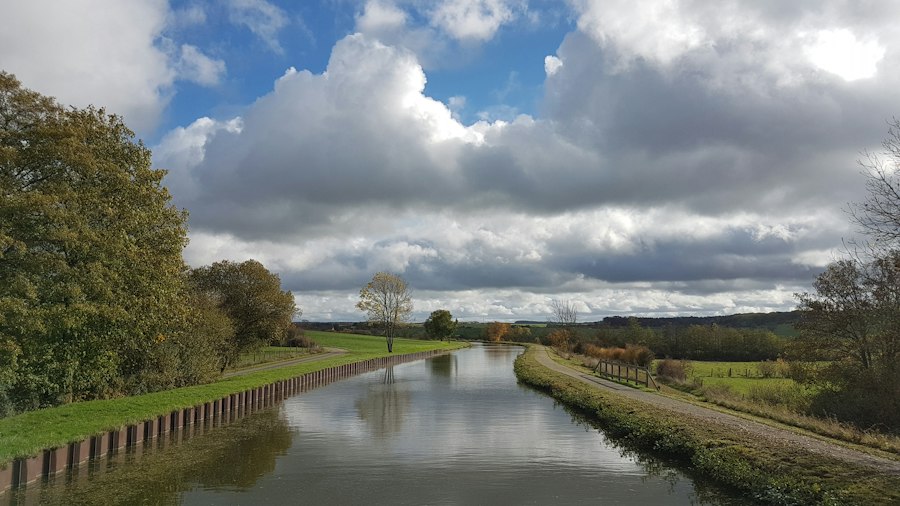
While infrastructure and environmental understanding are crucial, individual preparedness and knowledge are the final, indispensable layer of water safety. Equipping people with the right skills and information empowers them to make informed decisions and react effectively in potentially dangerous situations.
Essential Swimming and Water Survival Techniques
For anyone who regularly encounters or plans to encounter water, basic swimming proficiency is not a luxury but a necessity. The ability to stay afloat, propel oneself through the water, and perform basic survival strokes can be the difference between life and death in an emergency. Water survival training goes beyond mere swimming and encompasses techniques like treading water for extended periods, floating on one’s back, and conserving energy when exhausted. Learning how to escape from a capsized boat or a strong current is also a vital component of this training. Understanding how to react to cold water immersion and the onset of hypothermia, including the use of the H.E.L.P. (Heat Escape Lessening Position) and Huddle techniques, can significantly increase survival chances. These skills are not only for those participating in water sports but also for anyone who might find themselves unexpectedly in the water.
Navigational Skills and Safe Boating Practices
For those operating watercraft, a comprehensive understanding of navigation and safe boating practices is non-negotiable. This includes knowing how to read charts, understand navigational buoys and markers, and use electronic navigation systems effectively. Familiarity with the rules of the road on the water, including right-of-way and communication signals, is essential to prevent collisions. Safe boating practices extend to proper vessel maintenance, understanding weight distribution and stability, and knowing how to secure cargo. Crucially, every boater should know how to use and maintain essential safety equipment, such as life jackets, flares, and communication devices. Understanding weather forecasts and knowing when conditions are too dangerous to venture out is a critical skill. Many boating accidents occur due to a lack of experience or a disregard for safe operating procedures. Formal training courses and obtaining necessary licenses or permits are vital steps in ensuring competence and safety.
Emergency Preparedness and First Aid
Being prepared for the unexpected is a cornerstone of water safety. This means having a plan in place for emergencies, whether on personal excursions or as part of a larger group. For boaters, this includes having properly functioning communication equipment, such as a VHF radio or satellite phone, and knowing how to use it to call for assistance. Carrying a well-stocked first-aid kit and understanding basic first-aid principles, including how to treat common injuries like cuts, sprains, and heatstroke, is crucial. For those venturing into more remote areas, knowledge of wilderness first aid might be necessary. Understanding the signs and symptoms of hypothermia and drowning, and knowing the appropriate immediate actions to take, can be life-saving. Regular drills and simulations of emergency scenarios can help individuals and groups respond more effectively and calmly when a real emergency occurs.
Technological Advancements in Water Safety
The relentless march of technology has provided innovative solutions to enhance water safety, offering new tools for navigation, communication, and rescue. These advancements, when properly implemented and utilized, significantly bolster the ability to ensure safe passage across waters.
Improved Navigation and Communication Systems
Modern GPS devices have revolutionized navigation, providing precise location tracking and waypoint marking capabilities. Combined with electronic charting systems, these tools allow boaters and watercraft operators to navigate with greater accuracy, even in low visibility conditions. Advanced weather forecasting technology, accessible through mobile apps and dedicated marine radios, provides real-time updates and alerts, enabling better decision-making regarding venturing out. Communication technologies have also seen significant improvements. VHF radios remain a standard for short-range communication, but the advent of satellite phones and personal locator beacons (PLBs) offers reliable long-range communication and distress signaling capabilities, even in areas without cellular coverage. These devices can transmit an individual’s location and a distress signal to rescue services, dramatically reducing response times in emergencies.
Enhanced Rescue Equipment and Techniques
Technological innovation has also profoundly impacted water rescue capabilities. Modern search and rescue (SAR) operations benefit from advanced tools such as remotely operated vehicles (ROVs) and unmanned aerial vehicles (UAVs) equipped with cameras, which can cover large areas efficiently and provide real-time visual data to rescue teams. Sophisticated sonar equipment can detect submerged objects and individuals, aiding in underwater search efforts. Advancements in life raft design, including self-inflating mechanisms and improved stability, offer greater protection for those in distress. Furthermore, innovations in dive equipment and underwater breathing apparatus allow for longer and safer search and rescue operations in submerged environments. The development of specialized rescue vessels, equipped with advanced propulsion, stabilization systems, and medical facilities, further enhances the effectiveness of waterborne rescue operations.
The Role of Wearable Technology and Monitoring Devices
Wearable technology is increasingly finding its niche in water safety. Personal watercraft users and swimmers can benefit from waterproof smartwatches and fitness trackers that offer GPS tracking, heart rate monitoring, and even fall detection capabilities. Some devices are designed with dedicated SOS buttons that can send pre-programmed emergency messages with location data. For children or individuals who may be at higher risk, wearable devices can provide parents or guardians with real-time location monitoring. In the professional realm, divers and offshore workers might wear biometric sensors that monitor vital signs and detect signs of fatigue or distress, alerting supervisors to potential problems before they become critical. These technologies, while still evolving, offer a proactive approach to identifying and responding to risks on the water.
In exploring the complexities of navigating legal frameworks during emergencies, one might find it beneficial to examine the implications of the Defense Production Act on property seizure. This article sheds light on how such measures can impact individuals and businesses alike, providing a comprehensive overview of the legal landscape. For those interested in understanding the nuances of safe passage across challenging terrains, the insights offered in this related article can be particularly enlightening.
A Collective Responsibility for Water Safety
| Metric | Description | Value | Unit | Notes |
|---|---|---|---|---|
| Distance to Opposite Bank | Measured width of the river at crossing point | 45 | meters | Varies with water level |
| Water Current Speed | Speed of river flow at crossing location | 3.2 | m/s | Higher speeds increase crossing risk |
| Water Depth | Depth of river at shallowest crossing point | 1.5 | meters | Depth suitable for wading |
| Visibility | Clarity of water and surrounding area | Good | Qualitative | Helps identify hazards |
| Hazard Presence | Number of visible obstacles (rocks, debris) | 4 | count | Obstacles may impede safe passage |
| Safe Passage Probability | Estimated chance of crossing safely | 85 | percent | Based on current conditions |
Ultimately, ensuring safe passage across waters is not the sole responsibility of any single entity. It is a collective endeavor that requires the participation and commitment of individuals, communities, governments, and industries. A holistic approach that integrates education, infrastructure, technology, and a strong safety culture is the most effective strategy.
Fostering a Culture of Safety and Awareness
A proactive safety culture begins with widespread education and ongoing awareness campaigns. Schools, community centers, and recreational organizations all have a role to play in teaching water safety principles from a young age. These campaigns should highlight the inherent risks associated with water, promote responsible behavior, and emphasize the importance of preparedness. Encouraging a culture where safety is prioritized over haste or risk-taking is crucial. This involves open communication about potential dangers, sharing lessons learned from past incidents, and fostering an environment where individuals feel empowered to speak up if they witness unsafe practices. Public service announcements, informative websites, and accessible training programs can all contribute to building this essential awareness.
The Role of Government and Regulatory Bodies
Government agencies and regulatory bodies play a critical role in establishing and enforcing safety standards for waterways and watercraft. This includes setting regulations for vessel design and operation, licensing and certification for operators, and defining safe operating zones. They are also responsible for maintaining navigational aids, conducting waterway surveys, and funding search and rescue operations. The development and enforcement of maritime laws, water pollution control measures, and environmental protection policies also contribute indirectly to water safety by ensuring the integrity of aquatic environments. Collaboration between different government departments, such as transportation, environment, and emergency management, is essential for a coordinated and effective approach to water safety.
Industry Contributions to Safer Waterways
The maritime industry, recreational boating manufacturers, and tourism operators all have a significant stake in promoting water safety. Manufacturers are responsible for producing safe and reliable watercraft and equipment, adhering to stringent safety standards. The recreational boating industry can contribute by offering comprehensive training programs, promoting responsible boating practices, and supporting educational initiatives. Tourism operators who offer water-based activities have a duty of care to ensure the safety of their clients, providing qualified guides, appropriate safety equipment, and adhering to best practices. Insurance companies can also incentivize safe behavior by offering reduced premiums for individuals and operators who demonstrate a commitment to safety through training and responsible practices. A collaborative effort between all stakeholders, driven by a shared commitment to protecting lives and preserving the enjoyment of our waterways, is the most potent force in ensuring safe passage for all.