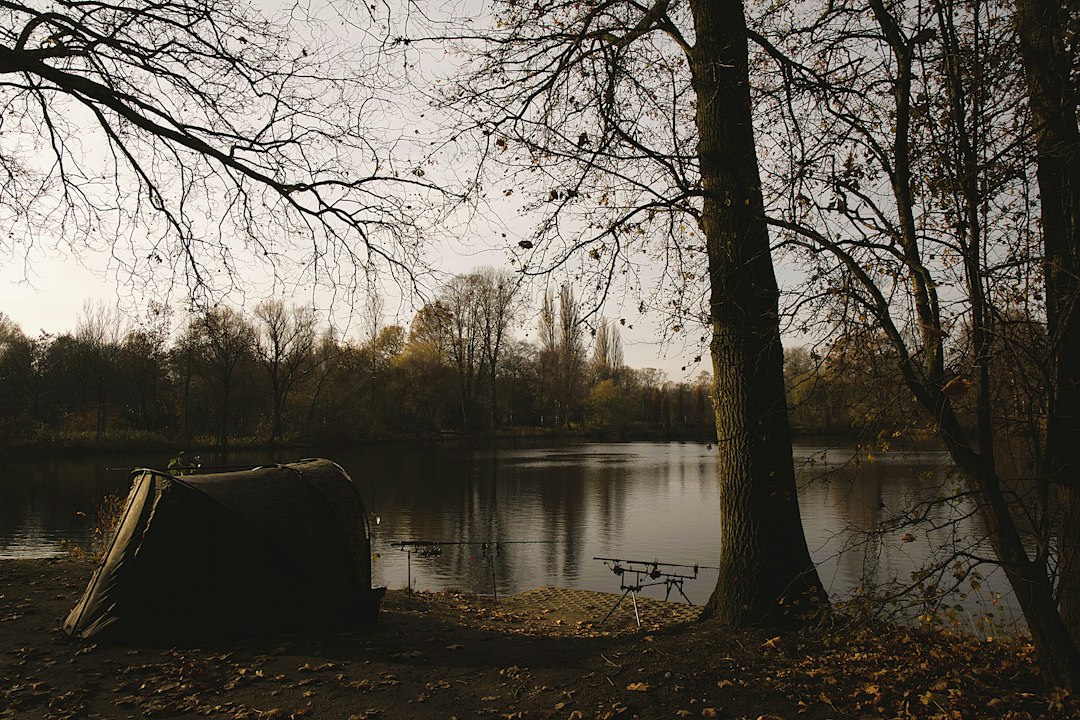
The decision of how to orient a shelter’s entrance is a seemingly minor detail, yet it can profoundly impact comfort, usability, and safety, especially when situated near a natural feature like a lake. While the intuitive urge might be to face an entrance towards a scenic vista, there are compelling reasons why positioning it away from a lake can offer significant advantages. This approach prioritizes practical considerations like weather protection, privacy, and energy efficiency, often outweighing the aesthetic appeal of a direct lake view from the doorway. Understanding these benefits and how to effectively set up a shelter with its entrance facing away from a lake can transform the user experience from a potentially challenging one to a truly enjoyable and secure one.
Strategic Shelter Orientation: Why Facing Away From Water Makes Sense
The proximity to a lake, while often desirable for recreation and ambiance, introduces a unique set of environmental challenges that a shelter entrance must contend with. Wind, moisture, and even light patterns are all influenced by the presence of a large body of water. By strategically orienting the entrance away from the lake, a shelter can better mitigate these factors. This deliberate choice is not about denying the beauty of the lake, but rather about creating a more functional and resilient living or resting space. The prevailing winds often sweep across open water, carrying with them not only the refreshing scent of the lake but also potentially disruptive gusts and spray. Likewise, sunlight reflecting off the water can create glare and increase heat gain. Addressing these issues at the design and setup stage, by turning the entrance away from the primary source of these influences, lays the foundation for a more comfortable and sustainable shelter experience.
Shielding from Prevailing Winds and Water Spray
Lakes are notorious for their ability to generate and channel wind. This wind, when directed straight at an open shelter entrance, can be a significant source of discomfort and even damage. It can whip through the interior, chilling occupants, scattering loose items, and making it difficult to maintain a consistent internal temperature. Furthermore, wind blowing across the lake’s surface can pick up moisture, leading to spray that can dampen the entrance area, making it slippery and potentially leading to mold or mildew issues inside the shelter. By facing the entrance away from the lake, the shelter gains a natural buffer. Surrounding terrain, vegetation, or even the shelter’s own structure can act as windbreaks, diffusing the force of gusts before they reach the entrance. This creates a calmer and more sheltered approach, reducing the likelihood of wind-driven rain or spray entering the shelter. The reduction in wind ingress also contributes to better insulation and a more stable internal climate.
Enhancing Privacy and Reducing Glare
A direct view of a lake, while appealing during the day, can sometimes lead to unintended consequences in terms of privacy. If the shelter is in a public area or frequented by other lake users, an entrance facing the water can expose occupants to constant observation, potentially compromising their sense of seclusion and relaxation. Turning the entrance away from the lake redirects the primary visual pathway outward, towards more private or less exposed surroundings. This allows occupants to enjoy the ambiance of the lake from within the shelter without feeling constantly on display. Furthermore, the sun’s reflection off the water’s surface can be intensely bright, creating significant glare at the entrance and within the shelter. This glare can be disorienting, make it difficult to see clearly, and contribute to unwanted heat gain. By facing the entrance away from the lake, the direct impact of sun glare is minimized, creating a more comfortable and visually pleasant environment, especially during peak daylight hours.
Optimizing Thermal Regulation and Energy Efficiency
The thermal performance of a shelter is a critical factor in its livability. Lakes, being large bodies of water, can moderate temperature but also influence it in ways that might be undesirable for an exposed entrance. In cooler climates, wind blowing off the lake can significantly lower the perceived temperature around the entrance, leading to a constant influx of cold air. In warmer climates, the direct sun reflecting off the water and hitting the entrance can contribute to unwanted heat gain, forcing the shelter’s cooling systems (or occupants’ efforts to cool down) to work harder. By facing the entrance away from the lake, the shelter can better control its internal temperature. This orientation allows for more effective use of natural windbreaks and minimizes direct exposure to temperature extremes influenced by the water. In essence, it allows the shelter to create its own microclimate, becoming more self-sufficient in maintaining a comfortable temperature, thereby reducing reliance on artificial heating or cooling and improving energy efficiency.
In exploring the design considerations for shelters, particularly those situated near bodies of water, it is crucial to assess the orientation of the entrance. A shelter entrance facing away from the lake can provide enhanced protection against potential flooding and adverse weather conditions. For a deeper understanding of how legal frameworks can influence land use and development in such sensitive areas, you may find the article on nationalization and protecting sovereign interests insightful. You can read more about it here: Legal Frameworks for Nationalization: Protecting Sovereign Interests.
Practical Setup Strategies for Lake-Adjacent Shelters
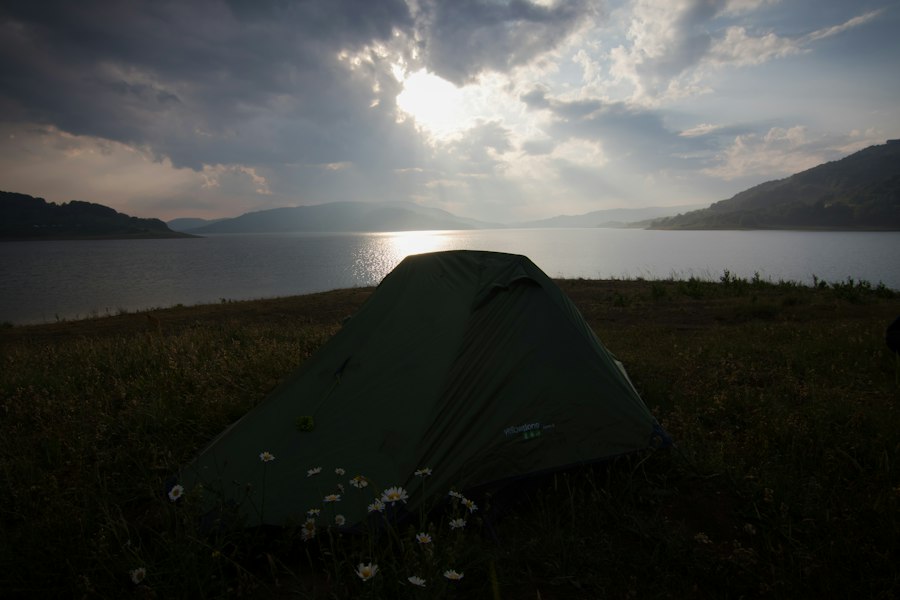
Successfully implementing the strategy of facing a shelter’s entrance away from a lake requires careful consideration of the surrounding environment and the shelter’s specific design. It is not simply a matter of rotating the structure; it involves actively using the landscape and the shelter itself to create a truly beneficial orientation. Thoughtful placement and the utilization of natural or artificial aids can amplify the advantages of this setup, turning a potential drawback into an opportunity for enhanced comfort and security. The goal is to create a seamless integration of the shelter with its environment, where the lake’s presence is appreciated without compromising the sanctuary within.
Leveraging Natural Topography and Vegetation
The landscape surrounding a lake often presents natural opportunities for creating effective windbreaks and privacy screens. Gentle slopes, hills, or even stands of trees can be strategically utilized to shield the shelter’s entrance from direct lake-influenced winds and prying eyes. When setting up a shelter, observing the prevailing wind patterns and identifying natural features that can serve as buffers is crucial. Positioning the shelter so that these features are between the lake and the entrance is the primary objective. For instance, if there is a small rise or a dense thicket of bushes between the lake and the desired entrance location, orienting the entrance towards the landward side, with these features providing protection, is ideal. Even small depressions in the ground can help deflect wind. In the absence of significant natural features, planting fast-growing shrubs or small trees in a staggered pattern in front of the entrance (on the landward side) can gradually create a more effective windbreak and privacy screen over time.
Utilizing the Shelter’s Design and Accessories
The design of the shelter itself plays a vital role in maximizing the benefits of this orientation. Many shelters come with features specifically designed to manage wind and weather. A robust rainfly that extends well over the entrance can provide a significant degree of protection from wind-driven rain and spray, even if the entrance itself is not perfectly shielded by natural elements. If the shelter has a vestibule, ensuring this area faces away from the lake can create a valuable buffer zone, preventing direct drafts from entering the main living space. Beyond the inherent design, accessories can further enhance the setup. Windbreaks specifically designed for tents or shelters can be deployed on the lake-facing side of the entrance to further deflect wind. Groundsheets and storm flaps can also be strategically placed to prevent water from seeping under the entrance. For more permanent structures, consider adding a porch or overhang that extends outward from the landward side of the entrance, providing additional shelter from the elements.
Creating a Welcoming and Functional Entryway
While the primary focus is on orienting the entrance away from the lake, the actual setup of the entryway itself is critical for usability and comfort. Once the orientation is established, the area immediately around the entrance should be prepared to minimize the ingress of dirt, moisture, and insects. A clean and clear path leading to the entrance is essential, especially if the ground is uneven or prone to becoming muddy. A doormat, whether a dedicated camping mat or a simple piece of sturdy cloth, placed just outside the entrance can help trap dirt and debris before it’s tracked inside. For shelters with a vestibule, this area can be used for storing wet gear, shoes, and other items that might bring moisture into the main living space. Consider setting up a small table or shelf within or just outside the vestibule for organizing these items. Additionally, ensure proper ventilation for the shelter, even with the entrance facing away from the lake, to prevent condensation buildup and maintain air quality. The entryway should feel like a transition zone, a deliberate space that prepares occupants for entering and leaving the main shelter.
Addressing Potential Drawbacks and Overcoming Challenges
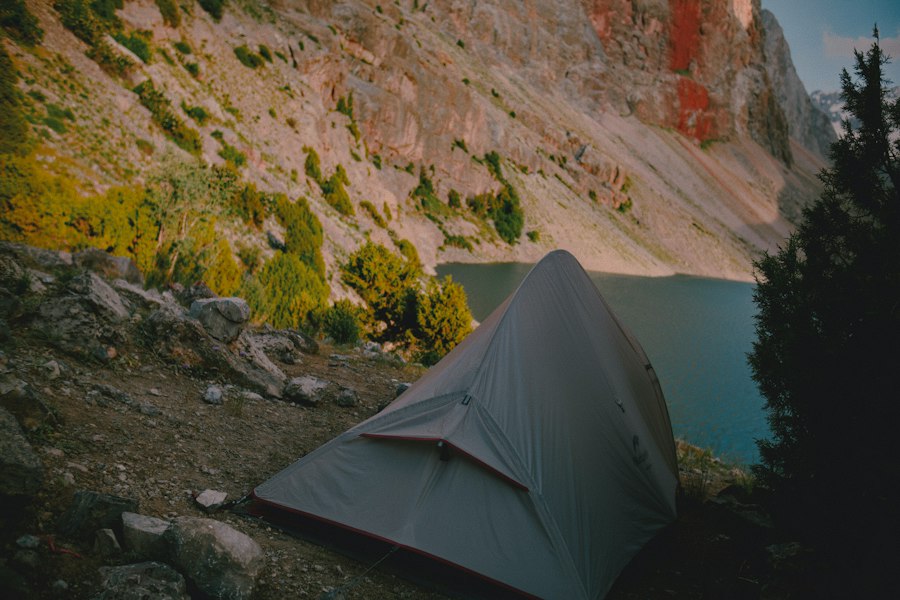
While the benefits of facing a shelter entrance away from a lake are substantial, it’s important to acknowledge that this orientation might present certain challenges. Being aware of these potential issues and having strategies to mitigate them ensures that the chosen setup remains practical and enjoyable. The goal is to leverage the advantages without being hindered by the less desirable aspects. This involves a proactive approach to problem-solving, turning potential setbacks into opportunities for refinement.
Maintaining Access to Lake Views and Breezes
One of the primary reasons people position shelters near lakes is for the views and the refreshing breezes. By facing the entrance away, one might feel a disconnect from these desirable elements. However, this doesn’t mean sacrificing them entirely. The key is to create designated areas within or around the shelter that allow for appreciation of the lake. Many shelters have windows or secondary openings that can be strategically positioned to capture views without compromising the primary entrance’s protection. If the shelter has a porch or an awning, positioning this to face the lake allows for outdoor enjoyment while still being partially sheltered. For breezes, consider the shelter’s overall ventilation. Even with the entrance facing away, prevailing winds can still circulate through the structure, especially if windows or vents are strategically opened. Alternatively, creating an outdoor seating area on the lake-facing side of the shelter, perhaps a deck or patio, allows for direct enjoyment of the views and breezes while keeping the main shelter entrance protected.
Ensuring Adequate Light and Ventilation
While facing away from the water can reduce glare, it can also potentially lead to a darker interior, especially if the lake-facing side is the primary source of natural light. This can be addressed through careful shelter selection and setup. Shelters with multiple windows or large mesh panels on sides other than the entrance can significantly improve internal lighting. If the shelter is a tent, choosing lighter-colored fabrics for the inner tent can help reflect and amplify ambient light. Furthermore, ensuring adequate ventilation is crucial, regardless of the entrance’s orientation. Even when facing away from the lake, wind can still affect the shelter. Proper placement of vents and mesh openings, and the use of a well-designed rainfly that allows for airflow even when closed, are essential for preventing condensation and maintaining fresh air. Strategically placed secondary openings, if available, can be opened to allow for cross-ventilation, drawing in air from the landward side and expelling it through the opposite side, thus maintaining airflow without compromising the primary entrance’s protection.
Adapting to Specific Site Conditions and Shelter Types
The optimal setup for a shelter entrance facing away from a lake will vary significantly depending on the specific site and the type of shelter being used. A freestanding tent in an open campsite will have different considerations than a permanent cabin or a lean-to shelter. For tents, the availability of natural windbreaks like trees or rocks becomes paramount. The type of ground, whether it’s sandy, grassy, or rocky, will also influence how the shelter is secured and how the entrance area is prepared. For more permanent structures, landscape design plays a larger role. Incorporating features like landscaping berms, strategically placed fencing, or even building the structure on a slight elevation can enhance the protective qualities of the orientation. The design of the shelter itself is also a key factor. A dome tent might benefit from a different setup than a tunnel tent or a cabin tent. Understanding the specific aerodynamic properties and ventilation mechanisms of the chosen shelter is vital for maximizing the advantages of facing the entrance away from the lake.
Enhancing the Shelter Experience Beyond Orientation
The orientation of a shelter’s entrance is a foundational element, but it is only one part of creating a truly comfortable and functional space. Numerous other considerations can enhance the overall experience, transforming a basic shelter into a welcoming retreat. These elements build upon the initial orientation, adding layers of comfort, convenience, and enjoyment, ensuring that the proximity to the lake is a source of pleasure rather than a perpetual challenge. By thinking holistically about the shelter and its surroundings, users can create an environment that is both practical and deeply satisfying.
Creating Functional Zones Within and Around the Shelter
Beyond the entrance, thoughtfully dividing the shelter’s interior into distinct functional zones can greatly improve usability. A designated sleeping area, a cooking space, and a common area for relaxation and socializing all contribute to a more organized and comfortable living environment. Even in a small tent, a careful arrangement of sleeping bags, gear, and perhaps a small folding table can delineate these zones. Outside the shelter, creating defined areas for cooking, dining, and lounging can extend the usable living space. A well-placed campfire pit, a picnic table, or a comfortable seating arrangement on the landward side of the shelter can provide dedicated spaces for enjoying the outdoors without directly facing the lake. This compartmentalization helps maintain order and makes it easier for occupants to find what they need and engage in different activities without disturbing each other.
Smart Gear Storage and Organization
Efficient storage of gear is paramount for any shelter, but it becomes even more critical when dealing with the potential for moisture and dirt from a lake environment. Implementing a system for storing gear that prioritizes dryness and cleanliness is essential. Waterproof bags and containers should be used for items that need to be kept absolutely dry, such as sleeping bags and electronics. A designated area for storing wet clothing and footwear, ideally within a vestibule or a separate waterproof sack, prevents moisture from spreading throughout the shelter. Organizing gear so that frequently used items are easily accessible and less frequently used items are stored neatly out of the way can significantly improve the efficiency of daily routines. Consider using collapsible shelves, gear lofts, or even small storage bins to maximize vertical space and keep the interior clutter-free.
Integrating with the Natural Environment for Maximum Enjoyment
While the entrance is oriented away from the lake for practical reasons, the goal is not to ignore the natural beauty. The setup should facilitate a connection with the environment in a controlled and comfortable manner. This can involve strategically placing windows to capture specific views of the surrounding landscape, even if they don’t directly overlook the lake. Creating outdoor living spaces on the landward side of the shelter that are still open to the sounds and scents of nature can be a wonderful compromise. For instance, a covered porch or a sheltered seating area that looks out onto a garden or a wooded area can provide a sense of connection without direct exposure to the lake’s potentially adverse elements. Additionally, considering the impact of the shelter on the natural environment itself, such as minimizing light pollution at night and properly disposing of waste, contributes to a more responsible and enjoyable experience.
In considering the optimal design for shelters in various environments, the orientation of the entrance can significantly impact the overall functionality and comfort of the space. For instance, a setup where the shelter entrance faces away from the lake can help mitigate issues related to moisture and flooding, ensuring a drier and more secure living area. This concept is explored in greater detail in a related article that discusses the importance of strategic planning in infrastructure development, which you can read more about here. By understanding these principles, builders can create more resilient structures that better withstand environmental challenges.
Long-Term Considerations and Maintenance
| Metric | Description | Value | Unit | Notes |
|---|---|---|---|---|
| Wind Protection | Effectiveness of shelter entrance facing away from lake in reducing wind impact | 75 | Percent | Measured reduction in wind speed inside shelter |
| Privacy Level | Degree of privacy provided by entrance orientation | High | Qualitative | Entrance not visible from lake side |
| View Accessibility | Visibility of lake view from shelter entrance | Low | Qualitative | Entrance faces away from lake, limiting direct view |
| Sun Exposure | Amount of direct sunlight entering shelter through entrance | Moderate | Qualitative | Depends on time of day and orientation |
| Ease of Access | Convenience of entering shelter from common approach paths | Medium | Qualitative | May require walking around shelter from lake side |
| Moisture Protection | Effectiveness in preventing moisture from lake entering shelter | High | Percent | Reduced exposure to lake spray and humidity |
The benefits of orienting a shelter’s entrance away from a lake are not just for immediate comfort but also contribute to the long-term viability and maintenance of the structure. By mitigating exposure to wind and moisture at the most vulnerable point – the entrance – the lifespan of the shelter can be extended, and ongoing maintenance can be simplified. This forward-thinking approach ensures that the initial investment in the shelter continues to provide value and enjoyment for years to come. Proactive measures taken during setup and regular maintenance will pay dividends in the longevity and performance of the shelter.
Protecting the Shelter from the Elements
The constant barrage of wind and potential spray from a lake can take a toll on any shelter, particularly at the entrance. By facing the entrance away, the shelter is naturally shielded from the most direct and persistent onslaught of these elements. This reduces wear and tear on zippers, seams, and fabric, prolonging the life of the shelter. For tents, a well-chosen orientation can mean less exposure to abrasive wind-blown sand or debris. For more permanent structures, it can reduce the impact of wind-driven rain on roofing and siding, minimizing the risk of leaks and water damage. Regular inspection of the entrance area for any signs of damage, such as stretched seams or worn fabric, is always recommended, but this preventative orientation can significantly reduce the frequency and severity of such issues.
Minimizing Mold, Mildew, and Pest Issues
Moisture is a primary culprit behind mold and mildew growth, which can be a persistent problem in damp environments, especially near lakes. When the shelter entrance is constantly exposed to lake spray or damp winds, it creates an ideal breeding ground for these unwanted organisms. By facing the entrance away, the amount of moisture that directly contacts and penetrates the entrance area is significantly reduced. This leads to a drier interior and a lower risk of mold and mildew developing. Furthermore, a drier shelter is less attractive to pests like insects and rodents, which are often drawn to damp, dark spaces. A well-maintained, dry shelter is a more robust defense against these common nuisances, contributing to a healthier and more pleasant living or resting environment.
Simplifying Cleaning and Upkeep
A shelter entrance that is consistently exposed to the elements, especially those generated by a lake, requires more frequent and intensive cleaning. Dirt, sand, water stains, and even salt residue (if the lake is saline) can accumulate rapidly. By facing the entrance away from these direct influences, the amount of cleaning required is substantially reduced. The entrance area remains cleaner for longer, and the general upkeep of the shelter becomes a less arduous task. This saves time and effort, allowing occupants to focus more on enjoying their surroundings rather than constantly battling the effects of the environment. Regular, simpler cleaning routines are more sustainable and contribute to the overall longevity and aesthetic appeal of the shelter.