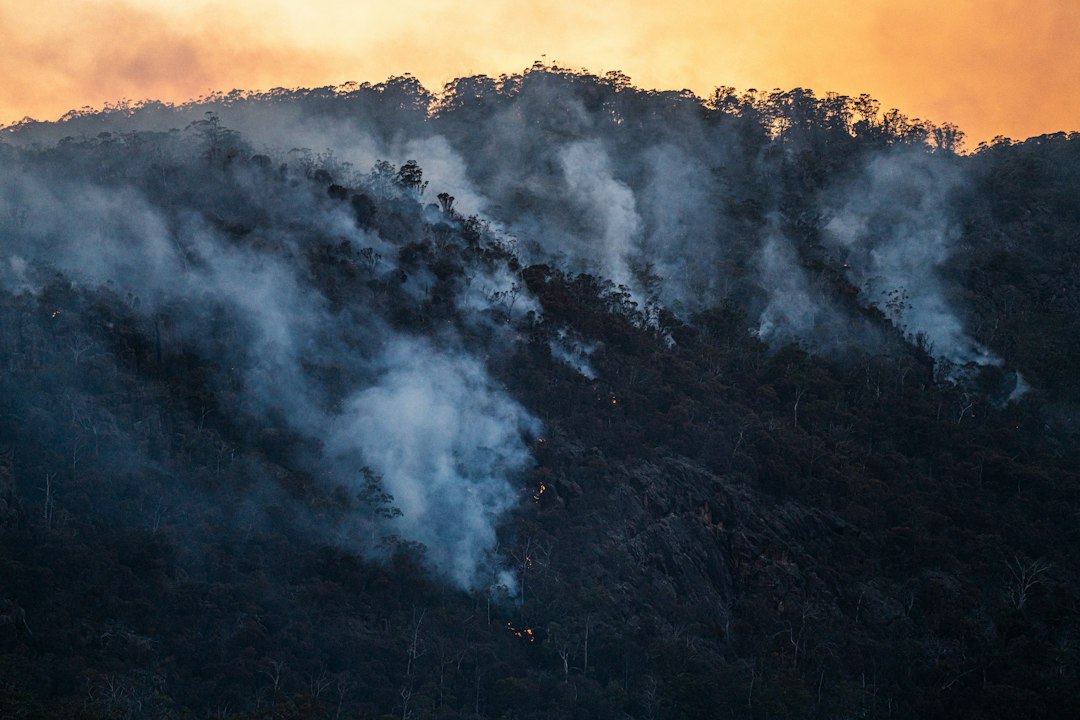
The once-ubiquitous plume of smoke that characterized the Western Slope’s hearth fires has, in recent years, begun to thin. This gradual dissipation, almost imperceptible on a day-to-day basis, represents a significant shift in the region’s relationship with its traditional energy sources and heralds a potentially clearer horizon for its communities and environment. For generations, the comforting glow and the accompanying smoke were symbols of warmth, sustenance, and a connection to the land. Now, as the Western Slope navigates the complexities of modernization, environmental stewardship, and evolving economic landscapes, this vanishing smoke tells a story of change, innovation, and a renewed focus on sustainability.
Shifting Sands of Tradition and Technology
The Western Slope, with its rugged terrain and a history deeply intertwined with resource extraction and agriculture, has long relied on readily available and often inexpensive energy sources. For much of its past, wood and coal burned in domestic hearths were the primary means of staying warm during the harsh winters. This reliance was not merely a matter of convenience; it was often a necessity dictated by limited access to more sophisticated energy infrastructure. The smell of burning wood, while pleasant to some, also carried the weight of tradition, marking the rhythm of seasons and the continuity of generations. However, as the world has shrunk and technology has advanced, the limitations and consequences of these traditional methods have become increasingly apparent. The era of unchecked reliance on smoke-producing fuels is gradually yielding to a more nuanced approach.
The Lingering Legacy of Wood Smoke
For decades, wood smoke was an accepted, even romanticized, aspect of life on the Western Slope. It signified a self-sufficient lifestyle, a direct connection to the natural resources of the area. Families would spend weekends cutting and splitting wood, a communal activity that bonded them to the land and to each other. The crackling fire in the hearth was the focal point of the home, providing heat, light, and a comforting ambiance. Recipes were perfected over open flames, and the scent of wood smoke became synonymous with home and hearth. This deep-seated cultural significance makes the transition away from wood-burning, even for environmental reasons, a gradual and often emotional process. Many older residents still recall the sensory experience of wood smoke with a sense of nostalgia, viewing its decline as a departure from cherished customs. The very aroma became a shorthand for comfort and security, a sensory anchor to a simpler time. This emotional attachment is a significant factor in the pace of change, often requiring education and the introduction of appealing alternatives to overcome ingrained habits and sentimental attachments. The visible presence of smoke was an undeniable indicator of human activity, a constant reminder of the way life was lived.
The Dawn of Cleaner Alternatives
The diminishing smoke is not a sign of neglect, but rather a testament to innovation and a growing awareness of environmental impact. The Western Slope is now witnessing a steady influx of cleaner energy solutions. These range from more efficient wood-burning stoves that dramatically reduce particulate emissions to the widespread adoption of propane, natural gas, and electricity for heating. Renewable energy sources, though still in their nascent stages for widespread residential use in the region, are also beginning to carve out a niche. Solar panels are becoming more visible on rooftops, and discussions around wind energy potential are gaining traction. This diversification of energy sources directly translates to less smoke entering the atmosphere, contributing to improved air quality and a healthier environment for all residents. The transition is not always uniform; some communities are further along the adoption curve than others, influenced by factors such as infrastructure availability, economic capacity, and local government initiatives. Nevertheless, the overarching trend points towards a cleaner, more sustainable future. The availability of these cleaner alternatives has been a crucial driver, making the switch not just an environmentally conscious choice but also a practical and often cost-effective one in the long run.
The phenomenon of smoke vanishing from the western slope hearth fire has intrigued many, drawing parallels to other mysterious occurrences throughout history. One such instance is explored in the article “Uncharted Territories: Piri Reis and the Mystery of Lost Maps,” which delves into the enigmatic nature of ancient cartography and the secrets that lie within forgotten maps. To learn more about these captivating historical mysteries, you can read the full article here: Uncharted Territories: Piri Reis and the Mystery of Lost Maps.
Unseen Benefits: The Air Quality Renaissance
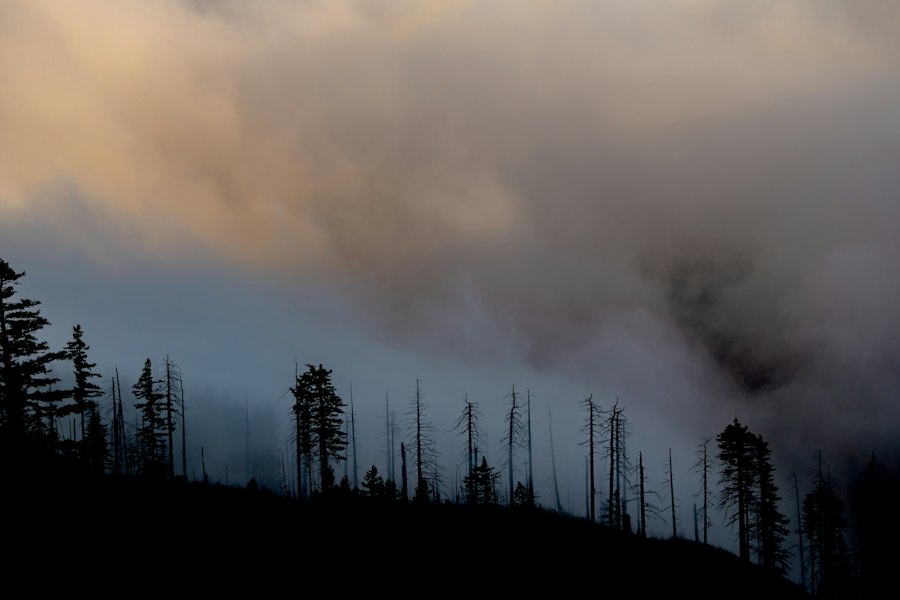
The most tangible, yet often invisible, consequence of reduced hearth fire smoke is a significant improvement in air quality. For years, the pervasive smoke contributed to elevated levels of particulate matter, impacting respiratory health and diminishing the region’s natural beauty. The vanishing plume signifies a breath of fresh air, both literally and figuratively, for the Western Slope.
Clearing the Skies for Healthier Lungs
The health implications of wood smoke are well-documented. Inhaling fine particulate matter can exacerbate conditions like asthma, bronchitis, and emphysema, and long-term exposure has been linked to more serious cardiovascular and respiratory diseases. As the smoke from domestic fires thins, these airborne pollutants decrease, leading to a reduction in respiratory ailments and an overall improvement in public health. This is particularly beneficial for vulnerable populations, including children, the elderly, and individuals with pre-existing respiratory conditions. The tangible reduction in smoky days also means fewer health-related disruptions, allowing communities to enjoy outdoor activities with greater freedom and less concern for air quality advisories. The economic benefit of improved public health, in terms of reduced healthcare costs and increased productivity, is also a significant, albeit less directly observable, advantage. The shift towards cleaner heating methods represents an investment in the long-term well-being of the community.
Restoring the Western Slope’s Natural Palette
Beyond the immediate health benefits, the reduction in smoke pollution allows the stunning natural beauty of the Western Slope to shine through. The iconic red rock formations, vast desert landscapes, and towering mountain ranges are no longer obscured by a hazy veil. This visual clarity not only enhances the aesthetic appeal of the region but also has implications for tourism and outdoor recreation, two vital economic drivers for many Western Slope communities. Visitors and residents alike can now more fully appreciate the panoramic vistas and the vibrant colors of the natural environment. The absence of smog allows for sharper, more defined views, enhancing the sense of awe and wonder that the Western Slope inspires. This visual renaissance contributes to a higher quality of life and a stronger sense of place for those who call the region home. The clear skies also support better stargazing opportunities, a growing attraction for amateur astronomers and a testament to the purity of the night sky.
Economic Ripples: A New Era of Energy Investment
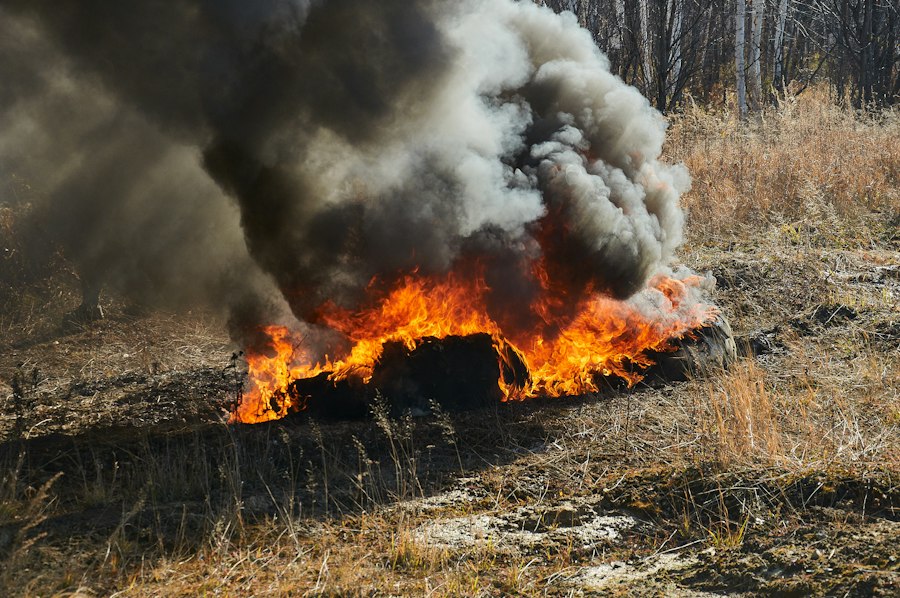
The transition away from traditional hearth fires is not solely an environmental or health-driven phenomenon; it is also reshaping the economic landscape of the Western Slope, ushering in new industries and investment opportunities.
The recent observations of smoke vanishing from the western slope hearth fire have sparked interest among researchers studying ancient practices. This phenomenon may provide insights into the methods used by early civilizations for cooking and warmth. For those intrigued by the broader implications of archaeological findings, a related article explores the connections between ancient famine and societal changes, shedding light on how such events shaped human history. You can read more about this fascinating topic in the article Uncovering Ancient Famine: Archaeological Insights.
Embracing Energy Efficiency and Modernization
The adoption of cleaner heating technologies often goes hand-in-hand with increased energy efficiency. Newer, high-efficiency wood stoves, for instance, burn fuel more completely, requiring less wood and producing fewer emissions. Similarly, upgrades to insulation, window replacements, and the installation of programmable thermostats all contribute to reduced energy consumption. This focus on efficiency translates to lower utility bills for residents, freeing up disposable income that can be reinvested in local businesses. Furthermore, the installation and maintenance of these new heating systems create local jobs for contractors, technicians, and suppliers, fostering a more robust and diversified local economy. The demand for these services encourages local businesses to invest in training and equipment, further strengthening the regional workforce. This economic revitalization, driven by the need for cleaner and more efficient energy solutions, offers a promising future for the Western Slope.
The Rise of Renewable Energy and Green Jobs
While the immediate impact of vanishing smoke is seen in the decline of traditional fuel consumption, the long-term economic vision for the Western Slope increasingly includes renewable energy. The region’s abundant sunshine makes solar power a particularly attractive option, and the development of solar farms and rooftop installations is creating new green jobs. As technology advances and costs decrease, the potential for wind energy is also being explored. These renewable energy projects not only provide clean power but also represent significant economic investments, attracting new businesses and creating stable, well-paying jobs in installation, maintenance, and manufacturing. The diversification of the energy portfolio away from fossil fuels reduces the region’s reliance on volatile global markets and fosters greater energy independence. This shift towards a green economy offers a sustainable path forward, aligning environmental stewardship with economic prosperity and positioning the Western Slope as a leader in the clean energy transition.
Community Adaptation and Future Horizons
The vanishing smoke from Western Slope hearth fires is not just an environmental or economic shift; it is a profound societal adaptation, reflecting the evolving values and aspirations of its communities.
Education and Outreach: Fostering Sustainable Practices
The transition to cleaner heating methods has been supported by dedicated efforts in education and community outreach. Local governments, environmental organizations, and utility companies have played crucial roles in informing residents about the benefits of cleaner technologies, providing resources for upgrading heating systems, and offering incentives. Public workshops, informational brochures, and online resources have helped demystify new technologies and address common concerns. This collaborative approach has been instrumental in empowering residents to make informed choices and embrace sustainable practices. The emphasis is not on forcing change, but on guiding and enabling it, ensuring that the transition is inclusive and accessible to all members of the community. The success of these outreach programs is a testament to the region’s commitment to a healthier and more sustainable future.
A Vision for Cleaner Living and Thriving Landscapes
The diminishing smoke from Western Slope hearth fires paints a picture of a region embracing a cleaner, healthier, and more sustainable future. The horizon, once obscured by haze, is now clearer, revealing not only the breathtaking natural beauty of the landscape but also the promise of renewed economic opportunities and improved public health. This transformation is a testament to the ingenuity and resilience of the people of the Western Slope, who are actively shaping their environment and their future. As the last wisps of smoke fade from the domestic hearth, they are replaced by the glow of innovation, the promise of clean energy, and the enduring beauty of a landscape reborn. The Western Slope stands at the precipice of a new era, one defined by environmental responsibility, economic diversification, and a commitment to a higher quality of life for all its inhabitants. This positive trajectory is not a final destination, but an ongoing journey, fueled by a collective vision for a thriving and sustainable future, where the warmth of the hearth is now complemented by the warmth of a cleaner planet.
