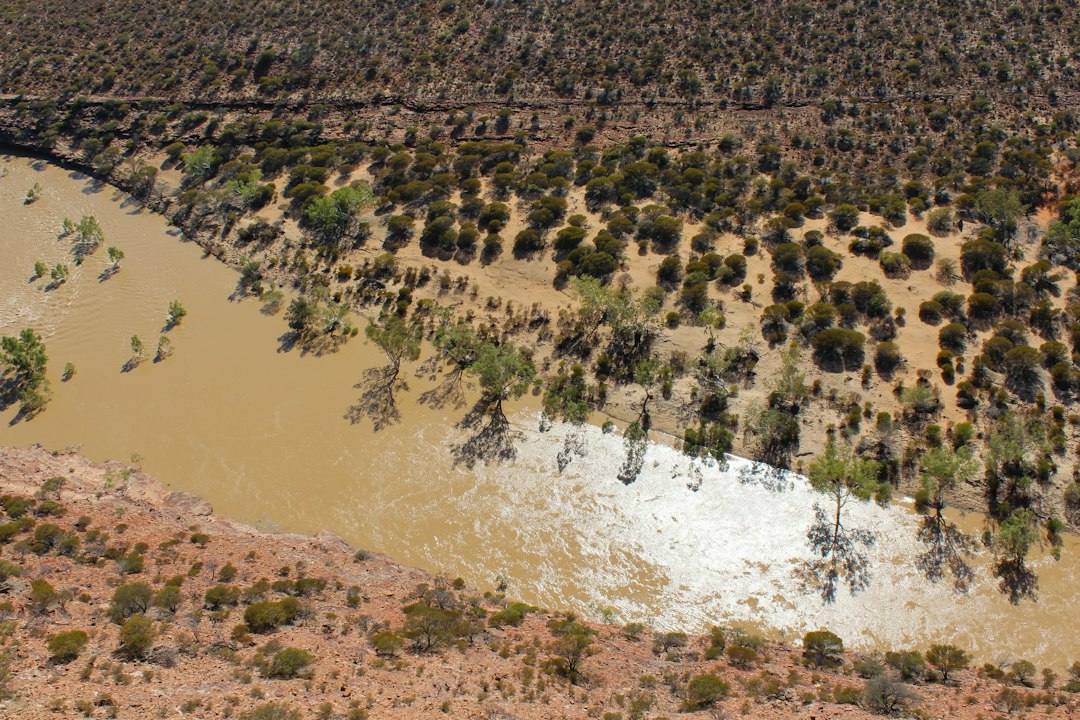
The relentless sun beat down, not with the comforting warmth of high summer, but with a desperate, oppressive heat that seemed to bake the very fear into the parched earth. For generations, the people of the Great River Valley had known cycles of plenty and scarcity, of bountiful harvests and lean winters. But this year, the river, their lifeblood, had turned into a monstrous, insatiable entity. It had swollen, not gradually, as it did with the spring thaw, but with an unprecedented fury, breaching its ancient banks and swallowing the familiar landscape with a speed that stole breath and reason. This is the story of those who fled, of their desperate flight from the encroaching waters, and of the improbable resilience that defined their struggle for survival.
The Unforeseen Deluge
The elders spoke of ancient floods, tales passed down through hushed whispers around crackling fires, stories of the earth trembling and the sky weeping. But these were myths, relegated to the realm of the impossible, until the sky began to weep with a ferocity the oldest among them could not recall. The rains had started subtly, a persistent drizzle that softened the baked soil and brought a welcome green to the nascent shoots of grain. Then the drizzle became a downpour, and the downpour a relentless deluge. Day bled into night, and still, the heavens opened, saturating the land until it could absorb no more.
Whispers of a Changing River
Initially, the rising river was met with a mixture of apprehension and pragmatism. The river had always ebbed and flowed, and while the water levels were higher than usual, it was not yet a cause for panic. Fishermen reported unusual catches closer to the villages, and the more adventurous children dared to wade further into the swirling currents. However, within the watchful eyes of the seasoned hunters and the keen observations of the women who tracked the seasonal changes, a disquiet began to spread. The river’s roar was deeper, more guttural than ever before. Its currents, once predictable in their gentle meander, now churned with an unpredictable violence. The very air around it seemed to hum with an unseen power.
The Cracks Begin to Appear
The first tangible signs of disaster were not dramatic breaches, but insidious seepages. Water, dark and murky, began to ooze from the earth along the riverbanks, transforming familiar pathways into treacherous mires. Homes closest to the water’s edge reported damp floors, then puddles, and soon, a persistent, chilling dampness that no amount of bailing could overcome. The carefully constructed irrigation channels, designed to nurture life, became conduits for destruction, carrying the floodwaters deeper into the heart of their settlements. The fear, once a low hum, began to rise, a collective unease that mirrored the rising water levels.
Ancient humans have long been the subject of fascination, particularly regarding their survival strategies during catastrophic events such as floods. A related article discusses the alignment of the Giza pyramids and how ancient civilizations may have used astronomical knowledge to navigate and escape natural disasters. This intriguing connection between ancient architecture and survival tactics can be explored further in the article found here: The Giza Pyramid Alignment Mystery.
The Gathering Storm of Displacement

As the river continued its inexorable rise, the signs became undeniable. The water was not receding; it was advancing. The familiar sounds of village life – the laughter of children, the rhythmic pounding of grain, the calls of traders – were gradually replaced by a growing murmur of anxiety, then by urgent discussions and the frantic packing of meager belongings. The realization dawned that their ancestral lands, the cradle of their civilization, were being reclaimed by a force they could not control. The choice was stark: perish with their homes, or abandon them and face the unknown.
A Looming Threat Becomes a Present Danger
The critical turning point arrived with a thunderous roar that ripped through the night. A section of the main levee, a testament to generations of communal effort, gave way. The breach was not a trickle but a gaping maw, spewing a torrent of water that surged inland with terrifying speed. The sound was deafening, a primal scream of nature’s fury. Those living in the low-lying areas were forced to flee in the middle of the night, their homes vanishing beneath the churning brown water within minutes. The urgency was absolute; there was no time for hesitation, no room for sentimentality. Survival demanded immediate action.
The Exodus Begins
With the levee breached, panic threatened to overwhelm reason. Yet, in the face of overwhelming disaster, the people displayed a remarkable capacity for organization, born from necessity and ingrained cultural traditions of communal support. The village elders, their faces etched with grim determination, directed the flow of people towards higher ground. Families, their faces streaked with mud and tears, clutched their children and their most precious possessions – a carved amulet, a woven blanket, a handful of seeds for the future. The exodus was a slow, arduous procession, a river of humanity flowing away from the drowning heart of their world, their eyes fixed on the distant, hazy shapes of the higher hills.
The Perilous Journey Inland

The journey away from the floodwaters was fraught with dangers. The land, saturated and unstable, presented its own set of challenges. Familiar routes were submerged, forcing them to navigate uncharted territories, their knowledge of the land tested by the altered landscape. The constant presence of the rising water, a relentless, shimmering enemy at their backs, fueled their desperate pace. Every gust of wind, every distant rumble, was interpreted as the river’s continued assault.
Navigating a Drowned Landscape
The once-familiar terrain was a treacherous maze. Fields of crops, the promise of future sustenance, were now underwater expanses, the stalks of grain submerged and decaying. Roads had become muddy tracks, some impassable due to deep inundation, forcing detours through dense forests and over rocky outcrops. The sounds of their village, the cries of the displaced, the cries of those left behind, were a constant reminder of what they had lost, a haunting echo that propelled them forward. The air was thick with the smell of damp earth and decay, a constant, unsettling presence.
Scarcity and Shared Hardship
The immediate aftermath of displacement brought with it a harsh reality: scarcity. Their stores of food, water, and supplies were limited, and the journey was long. Water sources, once plentiful, were now suspect, contaminated by the flood. The hunt became more difficult as animals, too, fled the rising waters, scattering into unfamiliar territories. This shared hardship, however, also forged a deeper bond among the survivors. The strong helped the weak, the knowledgeable guided the lost, and the meager provisions were shared with an unwavering sense of collective responsibility. A handful of dried berries, a shared skin of water, became acts of profound generosity.
The Fragile Hope of Higher Ground
As they pushed further inland, the terrain gradually began to ascend. The oppressive dampness receded, replaced by the scent of pine and dry earth. The sound of the river, though still audible, became a receding growl, no longer an immediate threat. The sight of the hills, their rugged slopes promising safety and a new beginning, ignited a fragile spark of hope. But reaching these higher grounds was a monumental task, a testament to their endurance and their unwavering will to survive.
The Search for Sustenance
Upon reaching the foothills, the immediate priority shifted from escape to survival. The dwindling supplies necessitated a desperate search for food and clean water. The forest, once a place of familiar bounty, now presented a new set of challenges. Identifying edible plants and safe water sources required the expertise of those who had a deep understanding of the wilderness. The younger, more able-bodied individuals embarked on hunting expeditions, venturing further into the unknown, their hearts heavy with the responsibility of feeding their families. The communal fires, though smaller and less numerous than those of their lost village, became beacons of shared experience and whispered prayers for providence.
Establishing Temporary Sanctuaries
The higher ground offered a respite, a place where the immediate threat of drowning was gone. However, it was not a return to normalcy. They were refugees, their lives uprooted, their homes lost. Temporary shelters were erected, crude but effective against the elements, using branches, leaves, and any salvaged materials they could find. These encampments, though humble, became centers of their newfound community. Stories were shared, songs were sung, and the elders offered words of wisdom and comfort, reminding them of their strength and their resilience. The loss was profound, but the spirit of survival, the inherent human drive to rebuild, began to take root once more.
Ancient humans faced numerous challenges, one of the most daunting being the threat of catastrophic floodwaters. These early societies developed various strategies to escape rising tides, often seeking higher ground or constructing rudimentary shelters. Interestingly, modern urban planning can draw parallels to these ancient survival tactics. For instance, a recent article discusses how Mexico’s strategic development plan aims to address environmental challenges, much like how ancient communities adapted to their surroundings. You can read more about this fascinating connection in the article here.
Echoes of Resilience and the Promise of Tomorrow
| Metric | Value | Notes |
|---|---|---|
| Estimated Time Period | 10,000 – 12,000 years ago | Late Pleistocene to early Holocene |
| Flood Event | Post-glacial sea level rise | Melting ice sheets caused rising waters |
| Regions Affected | Coastal areas worldwide | Including Black Sea, Mesopotamia, and Sundaland |
| Human Migration Distance | Up to 500 km | Movement to higher ground and inland areas |
| Survival Strategies | Building temporary shelters, using boats | Evidence from archaeological sites |
| Population Impact | Significant displacement | Possible catalyst for cultural changes |
| Archaeological Evidence | Flood deposits, submerged settlements | Found in multiple coastal regions |
The tale of the ancient humans fleeing the rising floodwaters is not just a narrative of loss and displacement, but a powerful testament to the enduring strength of the human spirit. They faced an unprecedented natural disaster, a force that threatened to erase them from existence. Yet, they endured. They adapted. They persevered. Their journey was a desperate gamble, a flight from a drowning past towards an uncertain future, fueled by an indomitable will to survive.
The Enduring Legacy of Survival
The immediate aftermath of the flood left scars, both visible and invisible. The memory of their lost homes, the faces of those they could not save, would forever be etched in their collective consciousness. But they also carried with them the lessons learned – the importance of community, the value of resourcefulness, and the profound understanding of nature’s power. They began to rebuild, not their old lives, but new ones, on the higher ground, their settlements smaller, their lives simpler, but their spirits tempered by adversity and their resolve strengthened by the shared experience of survival. The stories of the Great Flood, once tales of fear, transformed into legends of courage and resilience.
Rebuilding and Remembering
The generations that followed carried the memory of the deluge as a sacred trust. They learned to read the signs of the earth and the sky with renewed vigilance, respecting the power of the waters. They established new traditions, incorporating rituals of remembrance for those lost and of gratitude for their survival. Their settlements were designed with a keen awareness of the landscape, built on higher elevations, their homes sturdy and prepared for the unexpected. The Great River, once a benevolent provider, was now a force to be respected, a constant reminder of the delicate balance between humanity and nature. The echoes of their flight, the stories of their desperate journey, became a vital part of their cultural identity, a testament to the enduring power of the human will to overcome even the most devastating of challenges. Their survival was not merely an act of escape, but a profound affirmation of life itself, a promise whispered on the winds of change, that even in the face of overwhelming destruction, the seed of hope, and the drive to rebuild, would always find fertile ground.