The Ice Age Unveiled: An Immersive Glimpse into Life 20,000 Years Ago
The flickering screen transported viewers back to a world sculpted by ice and fire, a time when humanity’s grip on existence was tenuous yet remarkably resilient. “Life 20,000 Years Ago: A Journey Through Prehistoric Times,” a recent documentary, offered an unparalleled exploration into the lives of our Ice Age ancestors, meticulously reconstructing their environments, challenges, and ingenious adaptations. This was not merely a historical account; it was an visceral experience, allowing audiences to walk alongside these early humans, feel the biting winds, and witness the raw beauty of a planet teeming with megafauna. The documentary’s strength lay in its seamless integration of scientific research, expert interviews, and stunningly realistic CGI, creating a narrative that was both educational and profoundly moving. It painted a vivid picture of a world vastly different from our own, a testament to the enduring spirit of survival.
In exploring the complexities of life twenty thousand years ago, one can draw intriguing parallels to contemporary issues, such as the militarization of strategic locations. A related article that delves into modern territorial conflicts is available at The Militarization of the Moon’s South Pole. This piece highlights how humanity’s quest for resources and dominance persists, echoing the survival strategies of our ancient ancestors who navigated their own challenges in a vastly different environment.
Hearth and Home: The Intimate World of Ice Age Dwellings

The documentary’s exploration of prehistoric living spaces provided a crucial window into the daily realities of Ice Age communities. Far from the crude shelters often imagined, the film showcased sophisticated construction techniques and a deep understanding of available resources.
The Genesis of Shelter: Caves and Early Structures
The initial segments delved into the natural refuges that early humans utilized. Caves, with their natural protection from the elements, were frequently depicted, their interiors showing signs of long-term occupation. These were not merely dark, dank caverns but spaces transformed by human presence. Hearths, meticulously recreated, glowed with simulated firelight, illuminating the carefully arranged sleeping areas and tool-making stations. The documentary highlighted how the strategic placement of these shelters, often near water sources and hunting grounds, was a critical survival factor. Beyond caves, the film presented evidence of constructed dwellings. These varied in complexity, from simple lean-tos made of mammoth bones and animal hides to more substantial structures that offered greater insulation and protection. The use of materials like mammoth tusks, ribs, and long bones as structural elements was a recurring theme, demonstrating the incredible ingenuity of these early builders who harnessed the remains of their prey to create their homes. The documentary emphasized the communal aspect of these dwellings, suggesting that many were designed to house extended families or small groups, fostering a sense of shared safety and resource management.
The Heart of the Home: Fire and Its Multifaceted Role
Fire was undoubtedly the linchpin of Ice Age existence, and the documentary dedicated significant attention to its multifaceted importance. The creation of fire, often a painstaking process, was shown in detail, emphasizing the knowledge of tinder, friction techniques, and the selection of suitable fuel. Once established, the hearth served as the central gathering point, radiating warmth against the frigid air. It was the source of cooked food, transforming tough meats into digestible meals and unlocking essential nutrients. The visual depictions of families huddled around the fire, sharing meals and stories, underscored its social and emotional significance. Beyond sustenance and warmth, fire provided protection from predators, its flickering light and smoke acting as a deterrent. It also facilitated tool-making, the heat of the flames used to shape bone and wood, and to harden spear tips. The documentary’s researchers speculated on the potential for early forms of light outside the immediate hearth area, perhaps utilizing animal fat or plant materials, further extending the usable hours of the day and enhancing safety.
Domestic Artifacts: Tools of Survival and Comfort
The artifacts unearthed from Ice Age sites were brought to life through animated reconstructions and expert analysis. The film showcased a range of tools, from the ubiquitous hand axes and spear points, meticulously crafted from stone and bone, to more specialized implements like scrapers for preparing hides, awls for piercing, and needles for sewing. The documentary emphasized the remarkable craftsmanship and understanding of material properties that these early artisans possessed. Beyond purely utilitarian objects, glimpses of decorative items and personal adornments were also presented, suggesting a nascent artistic sensibility and a desire for self-expression. Beads fashioned from shells, carved animal figurines, and ochre pigments used for body art hinted at a more complex social and spiritual life than often attributed to our prehistoric predecessors. The careful arrangement of these domestic artifacts within the reconstructed dwellings offered insights into the organization of labor, the division of roles within a community, and the importance of possessions, however rudimentary.
The Hunt and the Hearth: Sustaining Life in a Harsh Landscape
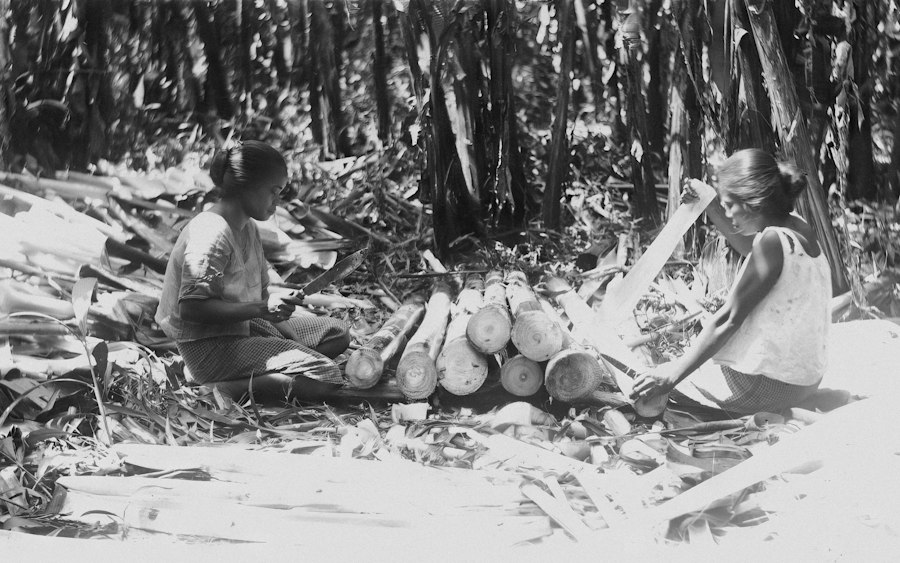
The documentary vividly illustrated the precarious balance of survival, where the daily existence of Ice Age humans was intrinsically linked to their ability to hunt and gather in a challenging and often unforgiving environment.
The Thrill of the Chase: Mega-Fauna and Their Predators
The most captivating sequences of the documentary focused on the human interaction with the colossal creatures that roamed the Ice Age landscape. Mammoth herds, depicted with awe-inspiring scale and detail, were shown migrating across vast, snow-covered plains. The documentary explained the sophisticated hunting strategies employed by these early humans, emphasizing the collaborative efforts required to bring down such formidable prey. Spearthrowers, or atlatls, were showcased as crucial technological innovations that extended the reach and force of their projectiles. The film illustrated how different species, from the woolly rhinoceros and the giant deer to the cave lion and the dire wolf, presented unique challenges and opportunities for these hunter-gatherers. The documentary’s experts discussed the importance of understanding animal behavior, migration patterns, and the vulnerabilities of different species, highlighting the deep ecological knowledge possessed by these ancient peoples. The risks involved in these hunts were palpable, with near misses and dangerous encounters rendered with dramatic realism, underscoring the courage and resilience of these early hunters.
A Bounty of the Land: Foraging and Resourcefulness
While hunting provided a significant source of protein and fat, the documentary also shed light on the vital role of foraging in the Ice Age diet. Expert analysis and visual reconstructions demonstrated how early humans skillfully identified edible plants, roots, berries, and seeds. The film highlighted the seasonal nature of these resources and the knowledge required to locate them even beneath snow cover. Techniques for processing and preserving these plant-based foods, such as drying and grinding, were also explored. The documentary emphasized the importance of inter-species foraging, where different groups might specialize in acquiring particular resources, fostering a system of knowledge exchange and trade. The careful management of gathered resources, ensuring that delicate ecosystems were not depleted, was also a subtle but significant theme, suggesting an early understanding of sustainability. The documentary highlighted how even seemingly scarce environments could yield a surprising variety of sustenance when approached with the right knowledge and ingenuity.
The Art of Preservation: Securing Food for Lean Times
The documentary dedicated a segment to the crucial strategies employed for food preservation, a cornerstone of survival during periods of scarcity. Drying meat and fish in the sun or over smoky fires, a technique still practiced today, was meticulously recreated. The documentary illustrated how these preserved foods could sustain communities through harsh winters or during periods of unpredictable hunting success. Evidence of rudimentary storage methods, such as caching food in ice or in carefully constructed pits, was also discussed. The film emphasized how the ability to store surplus food not only provided a safety net against starvation but also allowed for the development of more settled patterns of living, at least temporarily. This aspect of prehistoric life underlined the foresight and planning required to thrive in a world where resources were often unpredictable. The success of a community was often directly correlated with its ability to manage and preserve its food supply.
The Fabric of Society: Kinship, Culture, and Communication
Beyond the immediate concerns of survival, the documentary delved into the intricate social structures and the emerging cultural expressions that characterized Ice Age societies, revealing a complex tapestry of human interaction and shared experience.
The Bonds of Kinship: Family and Community Structures
The film presented a compelling vision of Ice Age society as primarily organized around small, tightly-knit family groups and extended kinship networks. The reconstructed dwellings often depicted multiple individuals sharing living spaces, suggesting strong communal ties and a reliance on collective effort. The documentary explored the likely division of labor within these groups, with roles potentially influenced by age, gender, and physical ability. While direct evidence of formal leadership structures is scarce from this period, the film speculated on the emergence of respected elders or skilled individuals who held influence due to their experience in hunting, healing, or resource management. The documentary emphasized that cooperation and mutual support were paramount for survival, fostering a deep sense of interdependence within these communities. The sharing of resources, the collective protection of young and old, and the transmission of knowledge across generations were presented as foundational elements of their social fabric.
Whispers and Symbols: The Dawn of Communication
The documentary grappled with the complex question of communication in prehistoric times. While the absence of written language is obvious, the film highlighted the multifaceted ways in which early humans likely communicated. The use of vocalizations, gestures, and body language was presented as a fundamental layer of interaction. Beyond these immediate forms, the documentary explored the growing evidence of symbolic communication. The stunning cave paintings, rendered with breathtaking detail, were a central focus. These were not mere decorative images but a sophisticated form of visual storytelling, conveying narratives, recording hunts, and potentially holding spiritual or ritualistic significance. The documentary’s researchers discussed the possibility of early forms of music and rhythm, utilized for storytelling, ritual, and social cohesion, even if direct evidence is elusive. The creation of carved objects and personal adornments, as mentioned earlier, also served as forms of visual communication, conveying status, identity, and group affiliation.
The Spark of Creativity: Art and Ritual in Daily Life
The documentary painted a rich picture of the artistic and ritualistic aspects of Ice Age life, demonstrating that these early humans were not solely focused on survival. The detailed analysis of cave art, from the iconic depictions of animals to the abstract symbols, suggested a profound connection to the natural world and a rich inner life. The film explored various theories regarding the purpose of this art, including its role in shamanistic rituals, initiation ceremonies, or as a means of imbuing hunters with the spirit of the prey. The discovery of bone flutes and other musical instruments, however rudimentary, hinted at the importance of sound and rhythm in their cultural practices. The documentary speculated on the presence of elaborate burial rituals, suggesting a belief in an afterlife or a spiritual realm, evidenced by the careful placement of grave goods and the body. These elements of art and ritual, the documentary argued, were not separate from daily life but were interwoven into the very fabric of their existence, providing meaning, order, and a sense of shared identity.
In exploring the fascinating narrative of life twenty thousand years ago, one can gain deeper insights into the resilience of early human societies and their adaptation to changing environments. This theme resonates with the challenges faced by modern communities, particularly in small island developing states. For a more in-depth understanding of how these communities navigate their unique circumstances, you can read about their resilience in this insightful article on resilience. Such connections between past and present highlight the enduring human spirit in the face of adversity.
Confronting the Elements: The Challenges of an Ice Age World
| Aspect | Description | Estimated Data / Metrics |
|---|---|---|
| Time Period | Approximate era covered in the documentary | 20,000 years ago (Late Upper Paleolithic) |
| Climate | Global climate conditions during this period | Last Glacial Maximum, colder and drier |
| Human Population | Estimated global human population size | Approximately 1-10 million people |
| Human Lifestyle | Main subsistence methods | Hunter-gatherer societies, use of stone tools |
| Technology | Types of tools and innovations | Flint blades, bone needles, early art (cave paintings) |
| Fauna | Common animals hunted or encountered | Mammoths, reindeer, bison, horses |
| Human Migration | Patterns of human movement | Expansion into Europe, Asia, and Australia |
| Cultural Aspects | Artistic and symbolic behavior | Cave paintings, carvings, burial rituals |
The documentary relentlessly underscored the formidable environmental pressures that shaped every aspect of life 20,000 years ago, presenting a stark reality of constant struggle against nature’s raw power.
The Reign of Ice: Glacial Cycles and Their Impact
A significant portion of the documentary was dedicated to the overwhelming influence of the Last Glacial Maximum. Vivid CGI depicted the colossal ice sheets that covered vast swathes of the Northern Hemisphere, dramatically reshaping landscapes and influencing climate patterns worldwide. The film explained how these glacial cycles led to significant drops in sea levels, exposing land bridges that facilitated human migration, but also creating formidable barriers to movement. The documentary detailed the extreme cold that characterized the Ice Age, with temperatures significantly lower than today, and the impact this had on vegetation, animal life, and human physiology. The constant threat of blizzards, freezing temperatures, and treacherous ice formations was a recurring theme, emphasizing the need for constant vigilance and sophisticated adaptation. The documentary underscored how the very act of survival was a continuous negotiation with these extreme climatic conditions.
Navigating a Shifting Landscape: Flora and Fauna Under Pressure
The film explored how the dramatic climatic shifts of the Ice Age profoundly impacted the flora and fauna that early humans depended upon. The documentary depicted the limited extent of arable land and the sparse vegetation that characterized many Ice Age landscapes. Hardy grasses, shrubs, and a few resilient trees formed the basis of the ecosystem, dictating the types of herbivores available for hunting. The adaptation of animals to these harsh conditions, such as the thick fur of mammoths and the keen senses of predators, was highlighted. The documentary also discussed how human settlements were often dictated by the availability of these resources, forcing nomadic lifestyles to follow migrating herds and seasonal plant growth. The challenges of finding sufficient water in frozen environments, and the reliance on melting ice or underground sources, were also explored. The documentary painted a picture of a dynamic and ever-changing environment, where resourcefulness and adaptability were key to overcoming the limitations imposed by the natural world.
The Ever-Present Dangers: Predators, Disease, and Accidents
Beyond the overarching environmental challenges, the documentary also illuminated the myriad immediate dangers that Ice Age humans faced on a daily basis. The presence of formidable predators, such as cave lions, dire wolves, and bears, posed a constant threat to both individuals and entire communities. The film depicted the strategies employed to avoid or confront these dangerous animals, from utilizing fire and elevated vantage points to coordinated defensive maneuvers. The documentary also touched upon the prevalence of disease and injury. Without modern medicine, even minor ailments could become life-threatening. The fragility of life was underscored by the likelihood of accidents during hunting, travel, or daily activities. The documentary’s researchers presented evidence of healed fractures and other signs of survival from severe injuries, testifying to the resilience and perhaps the rudimentary forms of care within these communities. The overall impression was one of a world where life was precarious, and survival was a testament to courage, ingenuity, and a deep understanding of their surroundings.
The Legacy of the Ice Age: Echoes in the Modern World
The documentary concluded by drawing powerful connections between the lives of our Ice Age ancestors and the trajectory of human civilization, demonstrating that the foundations of our modern world were laid in these ancient times.
The Seeds of Innovation: Technology and Adaptation
The film highlighted how the challenges of the Ice Age spurred remarkable technological advancements that laid the groundwork for future human progress. The development of sophisticated tools, from projectile weapons like the spear-thrower to finely crafted implements for processing materials, demonstrated an unparalleled capacity for innovation. The mastery of fire, the construction of durable shelters, and the development of techniques for preserving food were all crucial innovations that allowed humanity to not only survive but to expand into new territories. The documentary argued that these early technological leaps were not merely about immediate survival but also fostered a culture of problem-solving and ingenuity that would continue to drive human development throughout history. The documentary emphasized that many of the fundamental principles of engineering, material science, and resource management were first explored and refined in the crucible of the Ice Age.
The Human Spirit: Resilience, Cooperation, and Curiosity
Perhaps the most profound takeaway from the documentary was the enduring testament to the strength of the human spirit. The resilience of Ice Age peoples in the face of extreme adversity, their capacity for cooperation and collective action, and their innate curiosity about the world around them were recurring themes. The documentary showcased how these early humans not only endured but thrived, developing complex social structures, rich cultural expressions, and a deep understanding of their environment. The artistic endeavors, the storytelling, and the communal bonds all pointed to a fundamental human drive for connection, meaning, and self-expression, even in the most challenging circumstances. The film suggested that these core aspects of the human spirit, forged in the fires of the Ice Age, are the very qualities that have allowed humanity to overcome countless obstacles and to shape the world we inhabit today.
A Foundation for the Future: Lessons from the Past
The documentary implicitly and explicitly underscored the value of understanding our prehistoric past. By examining the lives of our ancestors, viewers gained a deeper appreciation for the long and complex journey of human evolution. The film served as a powerful reminder of our interconnectedness with the natural world and the importance of respecting and preserving it. The lessons learned from the Ice Age – about resourcefulness, adaptation, cooperation, and the enduring power of the human spirit – remain profoundly relevant in the 21st century. The documentary left audiences with a sense of awe and humility, recognizing the deep roots of our existence and the remarkable achievements of those who came before us, who, against all odds, paved the way for our present and our future. It was a journey through time that resonated deeply, offering not just knowledge, but a profound connection to our shared human heritage.
