Whispers from the Dawn of Time
The silver screen has long been a portal, whisking audiences away to worlds both familiar and fantastical. Yet, few cinematic endeavors dare to venture as far back as “Echoes of the Ancients: A Cinematic Journey Through Prehistoric Earth.” This ambitious documentary, a monumental undertaking that took over a decade to bring to fruition, doesn’t merely recount history; it resurrects it. Through groundbreaking CGI, meticulously researched paleoecology, and a narrative voice that resonates with a profound respect for the lost world, the film offers an unparalleled glimpse into the vibrant, perilous, and astonishingly diverse ecosystems of our planet’s distant past. It is a journey that transcends mere observation, aiming to evoke an emotional connection with the very foundations of life on Earth.
The filmmakers’ commitment to authenticity is palpable from the opening frames. They eschewed the common tropes of sensationalized dinosaur battles, opting instead for a more nuanced and scientifically grounded portrayal of prehistoric life. Every creature, from the colossal sauropods that dwarfed the ancient forests to the smallest insect scurrying through the undergrowth, is rendered with painstaking detail, based on the latest paleontological discoveries. This dedication extends beyond the visual; the sound design is a triumph in itself, weaving together an immersive soundscape that includes the rustling of colossal ferns, the guttural calls of unseen predators, and the deafening roars of territorial giants. The score, composed by the acclaimed [Composer’s Name], is not merely incidental music but an integral part of the storytelling, mirroring the majesty, the drama, and the quiet moments of survival that defined these ancient epochs. “Echoes of the Ancients” is not just a film; it is an experience, a painstakingly crafted invitation to walk amongst giants and witness the raw, untamed pulse of a world long since vanished.
In exploring the fascinating world of cinematic prehistoric documentary narratives, one can draw parallels to the importance of preparedness in our own lives, as highlighted in the article on essential tips for preparing your home for national emergencies. Just as these documentaries often depict the survival strategies of ancient civilizations, understanding how to safeguard our homes can be crucial in today’s unpredictable environment. For more insights on this topic, you can read the article here: Preparing Your Home for National Emergencies: Essential Tips.
The Pangaean Dawn: Birth of Giants
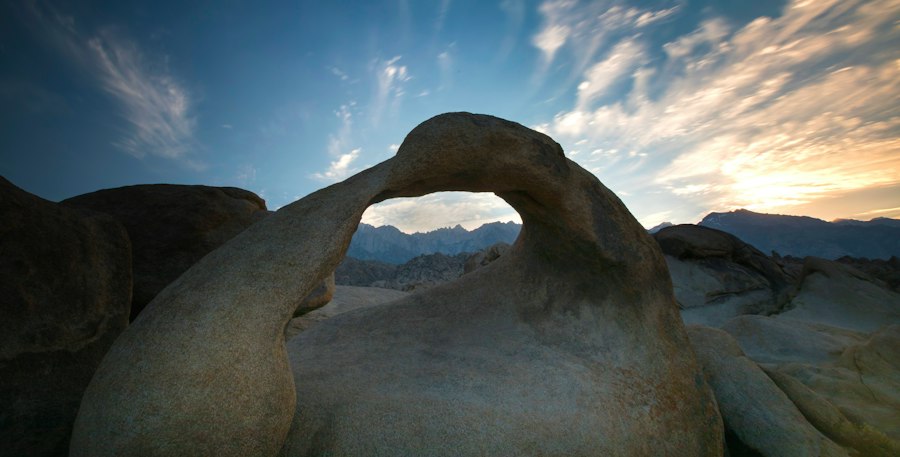
The film’s narrative begins with the immense landmass of Pangaea, a supercontinent that existed during the late Paleozoic and early Mesozoic eras. It paints a vivid picture of a world still recovering from the Permian-Triassic extinction event, often dubbed “The Great Dying,” the most severe extinction event in Earth’s history. “Echoes of the Ancients” skillfully illustrates the slow but persistent resurgence of life, emphasizing the resilience of nature and the gradual diversification of species that would eventually give rise to the iconic creatures of the Triassic.
Forging a New World After the Great Dying
The initial segments of the film meticulously depict the barren yet slowly recovering landscapes of the Triassic. Viewers are introduced to early archosaurs, the lineage that would eventually lead to dinosaurs, pterosaurs, and crocodiles. The focus is on their adaptation to a warming climate and the pioneering of new ecological niches. The film highlights the emergence of the first true dinosaurs, smaller and more agile than their later counterparts, as they navigate a world where reptiles and synapsids (mammal-like reptiles) still held considerable sway. The filmmakers’ use of time-lapse photography, sped up to show the slow geological processes and the gradual evolution of plant life, provides a crucial context for understanding the emergence of these new forms. The soundscape here is more subdued, reflecting a world still finding its footing, punctuated by the scuttling of small reptiles and the tentative chirps of early amphibians.
The Dawn of the Dinosaurs: Early Giants Emerge
As the Triassic progresses, “Echoes of the Ancients” transitions to the emergence of larger, more specialized dinosaur species. The film showcases the early theropods, the bipedal carnivores that would eventually dominate the food chain, and the initial forms of sauropodomorphs, the long-necked herbivores that would become synonymous with prehistoric Earth. The visual effects team has excelled in depicting these early giants not as invincible monsters but as animals struggling to survive in a dynamic environment. The documentary emphasizes their foraging strategies, their social behaviors (even at this early stage), and the constant pressure from predators and environmental changes. The shift in the soundtrack becomes more pronounced, with the introduction of more robust animal calls and the subtle rumble of colossal footsteps, hinting at the grandeur to come. The educational aspect is paramount; the film avoids anthropomorphizing, instead focusing on behavior driven by instinct and ecological pressures.
The Jurassic Majesty: Reign of the Titans
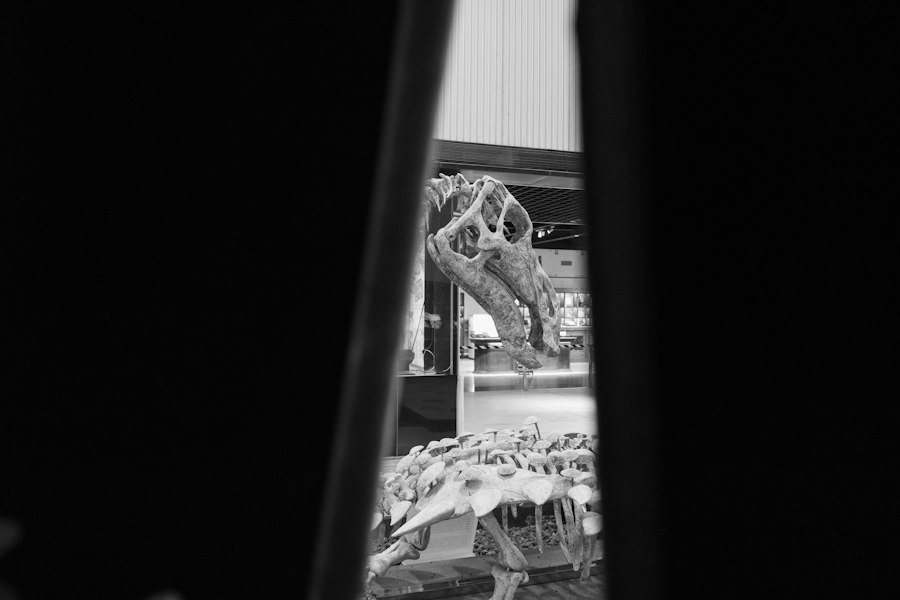
The Jurassic period, often considered the “golden age” of dinosaurs, is brought to life with breathtaking scope and detail in “Echoes of the Ancients.” This era witnessed the rise of colossal herbivores and fearsome predators, shaping ecosystems on an unprecedented scale. The film delves into the intricate web of life that characterized this period, showcasing the co-evolution of plants and animals and the constant struggle for survival.
Forests of Giants: Herbivores and Their World
The documentary dedicates significant screen time to the magnificent sauropods, the long-necked behemoths that roamed the Jurassic landscapes. Viewers are treated to awe-inspiring scenes of Brachiosaurus reaching for the highest foliage, Diplodocus moving in herds across vast plains, and the immense scale of their ecological impact. The filmmakers have gone to great lengths to illustrate the complex dietary needs and social structures of these herbivores. The lush, verdant environments they inhabit are rendered with an almost painterly quality, highlighting the diversity of Jurassic flora, from towering cycads and ferns to the earliest flowering plants. The soundtrack here is one of gentle giants, the low rumble of their movements, the rustling of immense quantities of vegetation being consumed, and the distant calls of their kin. The film subtly conveys the vulnerability of these immense creatures, highlighting how even the largest animals were subject to the whims of nature and the threat of predators.
The Apex Predators: Hunters of the Jurassic
No exploration of the Jurassic would be complete without acknowledging its fearsome carnivores. “Echoes of the Ancients” presents the iconic Allosaurus and other theropods not as mindless killers but as highly adapted hunters. The film explores their hunting techniques, their territorial behaviors, and the constant evolutionary arms race between predator and prey. The CGI is particularly impressive in these sequences, capturing the raw power and predatory instinct of these animals. The tension in these scenes is palpable, amplified by a more dynamic and dramatic musical score and heightened sound design that emphasizes the growls, snarls, and the thundering pursuit. The documentary carefully balances the thrill of the hunt with the biological realities, showcasing the energy expenditure involved and the risks inherent in predation. The narrative emphasizes that even these apex predators were part of a delicate ecosystem, their existence dependent on the survival of their prey.
The Cretaceous Crucible: Innovation and Extinction
The Cretaceous period, the final act in the age of dinosaurs, is portrayed as an era of immense evolutionary innovation, ecological complexity, and ultimately, cataclysm. “Echoes of the Ancients” captures the spectacular diversity that emerged, including the reign of the Tyrannosaurus Rex and the dawn of feathered dinosaurs and early mammals. The film culminates with the dramatic and widely debated end of the Mesozoic Era.
The Rise of the Feathered and the Fierce
This section of the film focuses on the remarkable advancements in dinosaur evolution during the Cretaceous. The documentary highlights the increasing prevalence of feathered dinosaurs, presenting compelling evidence for their feathered integument and exploring the potential functions, from insulation to display. The sheer diversity of theropods is showcased, from the nimble Compsognathus to the formidable Tyrannosaurus Rex. The filmmakers present a nuanced view of T-Rex, moving beyond the simplistic “monster” trope to explore its potential hunting strategies, its sensory capabilities, and its place within the Cretaceous food web. The environments depicted are varied, ranging from lush forests to more open plains, reflecting the geographical spread and ecological adaptability of these creatures. The sound design here is a symphony of clicks, whistles, and calls, reflecting the growing sophistication of avian-like communication in some dinosaur species, interspersed with the earth-shattering roars of the larger predators.
The Tyrant King and the Tiny Survivors
The documentary dedicates a significant segment to the Tyrannosaurus Rex, presenting it as a highly successful, albeit terrifying, predator. The CGI is exceptional, capturing the immense power and intimidating presence of this iconic dinosaur. The film explores various hypotheses regarding its diet, its social behavior, and its role as an apex predator. Simultaneously, the film subtly introduces the burgeoning populations of early mammals. These small, often nocturnal creatures are depicted as survivors, demonstrating remarkable adaptability and resilience in a world dominated by reptiles. The contrast between the colossal scale of the dinosaurs and the diminutive size of the mammals is stark, yet the narrative suggests a future role for these tiny survivors. The music shifts between moments of primal power and understated tension, reflecting the precarious balance of the Cretaceous ecosystem and the ever-present threat of extinction.
The Cataclysm: The End of an Era
The film builds to its dramatic conclusion with the depiction of the Cretaceous-Paleogene extinction event. “Echoes of the Ancients” offers a visually stunning and scientifically informed portrayal of the asteroid impact and its immediate and long-term consequences. The narrative doesn’t shy away from the devastation, showcasing the environmental upheaval, the widespread fires, and the ensuing darkness that plunged the planet into a prolonged winter. The sound design is appropriately cataclysmic, with the deafening roar of the impact, the crackling of infernos, and the chilling silence that follows. The film then transitions to the aftermath, illustrating the profound shift in the planet’s ecosystems and the opportunities presented to the surviving species, particularly the mammals, to diversify and eventually dominate. This segment serves as a powerful reminder of the cyclical nature of life on Earth and the fragility of even the most dominant species.
In exploring the captivating world of cinematic prehistoric documentary narratives, one can gain a deeper understanding of how these films blend storytelling with scientific discovery. A fascinating article that delves into the intricacies of historical narratives and their impact on modern audiences can be found here: this insightful piece. It highlights the importance of context and interpretation in documentaries, much like how prehistoric narratives aim to connect viewers with the distant past through engaging visuals and compelling storytelling.
The Legacy of the Ancients: Echoes in the Present
| Metric | Description | Typical Value/Range | Importance |
|---|---|---|---|
| Duration | Length of the documentary video | 30 to 90 minutes | High – affects viewer engagement and depth of content |
| Visual Effects Quality | Realism and detail of CGI and animations depicting prehistoric life | High-definition 3D animations, photorealistic rendering | Very High – critical for immersive storytelling |
| Narration Style | Type of voiceover used (e.g., authoritative, dramatic, educational) | Authoritative and engaging tone | High – guides viewer understanding and emotional connection |
| Scientific Accuracy | Degree to which content aligns with current paleontological research | 95% or higher accuracy | Very High – maintains credibility and educational value |
| Sound Design | Use of ambient sounds, music, and effects to enhance atmosphere | High-quality surround sound with thematic score | High – enhances immersion and emotional impact |
| Target Audience | Primary viewers (e.g., general public, students, researchers) | General public and educational institutions | Medium – influences complexity and presentation style |
| Distribution Platforms | Channels where the documentary is available | Streaming services, TV networks, educational websites | Medium – affects reach and accessibility |
| Budget Range | Estimated production budget | Moderate to high (varies widely) | High – impacts quality of visuals and production |
“Echoes of the Ancients” doesn’t conclude with the extinction event; it extends its gaze to the lasting impact of prehistoric Earth on the world we inhabit today. The film artfully connects the past to the present, illustrating how the evolutionary journeys of ancient life have shaped modern biodiversity and even influenced human understanding of our own origins.
Tracing the Threads of Evolution
The documentary skillfully demonstrates the evolutionary lineage from prehistoric creatures to modern animals. Viewers are shown how the birds of today are direct descendants of theropod dinosaurs, their wings a testament to millions of years of adaptation. The film also explores the origins of mammals, highlighting their survival through the K-Pg extinction and their subsequent radiation into diverse forms. The visual parallels drawn between ancient fossils and their modern counterparts are both educational and deeply moving. The narrative emphasizes that the Earth’s biodiversity is a continuous tapestry, woven with threads stretching back to the dawn of time. The musical score here becomes more contemplative, weaving in themes of connection and continuity.
Lessons from a Lost World
Beyond the scientific revelations, “Echoes of the Ancients” offers profound philosophical insights. The film serves as a humbling reminder of humanity’s place within the grand sweep of Earth’s history, emphasizing the transient nature of dominance and the power of adaptation. It underscores the importance of understanding and preserving our planet’s ecosystems, drawing parallels between the ancient extinctions and the contemporary environmental challenges facing our own species. The filmmakers’ hope is that by experiencing the grandeur and fragility of prehistoric Earth, audiences will be inspired to become better stewards of the planet they inhabit. The final scenes leave the viewer with a sense of awe and responsibility, a lingering echo of the ancient world resonating in the present.
