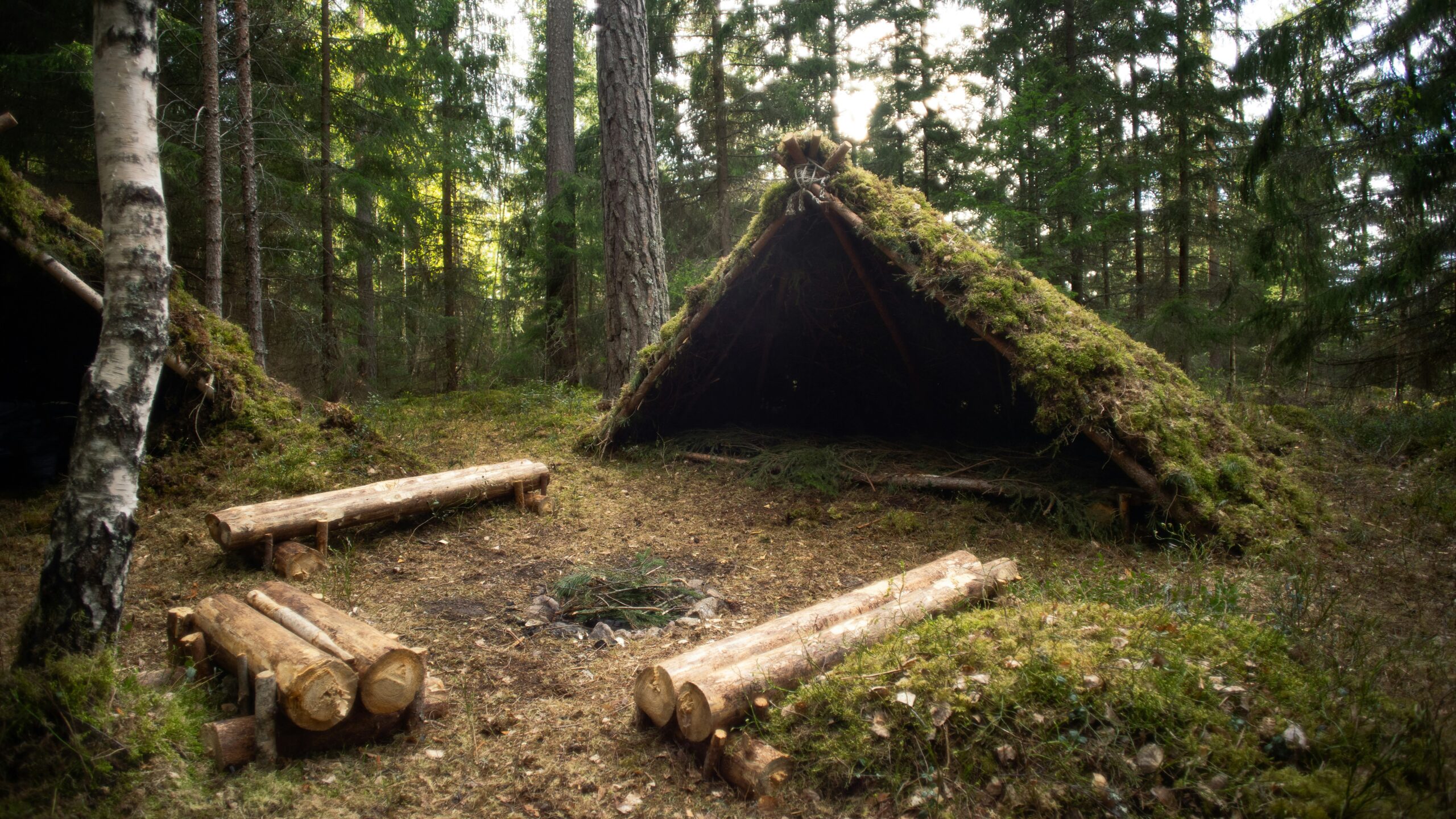
The earliest hominins, driven by the fundamental need for shelter, embarked on a journey of innovation that laid the groundwork for human civilization. Their structures, though rudimentary by modern standards, were marvels of adaptation, born from an intimate understanding of their environments and the constant pressure of survival. These early shelters were not mere constructions; they were vital extensions of the human body, offering protection from the elements, predators, and the unforgiving forces of nature. The story of their building is a testament to human ingenuity, resourcefulness, and the primal urge to create a safe haven in a dangerous world.
The Genesis of Shelter: Responding to Environmental Pressures
The impulse to seek shelter was deeply ingrained in the behavioral repertoire of early humans. Unlike many other animals, they lacked thick fur or formidable natural defenses. This vulnerability necessitated the development of strategies to mitigate environmental risks. The ever-present threat of harsh weather – searing sun, biting cold, torrential rain, and fierce winds – posed a significant challenge to their survival. Furthermore, the nocturnal world teemed with predators, from formidable cats to packs of canids, for whom an unprotected human was an easy meal. Beyond these immediate dangers, early humans also faced the need for a secure space to rest, reproduce, and raise their young, a place offering respite from the constant vigilance required for survival in the wild.
Harnessing Natural Havens: The First Sanctuaries
The earliest forms of shelter were not constructed but discovered. Early hominins, observing the animal kingdom, recognized the advantages offered by pre-existing natural formations. Caves and rock overhangs provided immediate and effective protection from rain, wind, and sun. These geological features offered a degree of insulation, a stable interior temperature, and a defensible perimeter. The entrances, often narrow, could be monitored and, if necessary, partially blocked with fallen branches or stones, further enhancing their security against predators.
The selection of a suitable cave or overhang was a strategic decision. Factors such as proximity to water sources, food availability, and the presence of escape routes were likely paramount. The accumulation of evidence of past habitation, such as hearth ashes and discarded tools, suggests that successful shelters were often reused and potentially even improved over time. These natural sanctuaries were the first stepping stones in the development of human dwelling, providing a crucial evolutionary advantage by offering a consistent and protected living space.
Adapting to the Open Landscape: Beyond Caves
As early humans expanded their territories and their populations grew, the availability of ideal natural shelters became a limiting factor. This scarcity spurred the development of rudimentary, constructed shelters. These were often built in more open environments where caves were absent or insufficient. The ingenuity of these early builders is evident in their ability to utilize readily available natural materials to create artificial protection.
The primary materials at their disposal were organic: branches, leaves, grasses, and animal hides. The simplest forms of constructed shelters likely involved leaning branches against a natural support, such as a large rock or a fallen tree trunk, and then covering this framework with a thick layer of vegetation for insulation and waterproofing. This type of lean-to structure, while basic, offered a significant improvement over being completely exposed to the elements. It provided shade from the sun, a degree of windbreak, and some protection from light rain. The ability to create these temporary shelters demonstrated a growing understanding of materials science and construction techniques, albeit at a very rudimentary level.
Early humans faced numerous challenges in their quest for survival, and one of the most critical aspects was the construction of shelters for protection against the elements and predators. These early structures varied from simple caves to more complex designs made from wood, stone, and animal hides, showcasing the ingenuity and adaptability of our ancestors. For a deeper understanding of how technological advancements have influenced human development, including the evolution of shelter-building techniques, you can read more in the article about the role of technology in civilization’s progress at this link.
The Evolution of Construction: Materials and Techniques

The development of more sophisticated shelters was a gradual process, marked by increasing skill in material selection and construction methods. As early humans gained experience, they learned to identify the most suitable materials for different purposes – for structural integrity, insulation, and waterproofing. Their understanding of the properties of wood, stone, and animal products allowed them to build more durable and effective dwellings.
Working with Wood: The Foundation of Early Structures
Wood was an indispensable material for early human construction. Its abundance in forested areas, combined with its relative ease of manipulation, made it a primary building component. Early humans likely began by utilizing fallen branches and deadwood, but as their tool-making abilities improved, they would have been able to fell and shape trees.
The most basic wooden shelters were likely simple frameworks of branches lashed together. Evidence from archaeological sites suggests the use of natural bindings, such as plant fibers or animal sinew, to secure these structural elements. The construction of more complex shelters would have involved creating more robust frames, perhaps incorporating larger timbers for upright supports and crossbeams. The use of natural joints, such as notches or interlocking pieces, would have allowed for greater stability. The addition of roofing materials, such as thatch made from grasses or reeds, or even layers of animal hides, would have provided further protection from the elements. The development of techniques for bending and shaping wood, even if rudimentary, would have opened up new possibilities for shelter design.
Utilizing Earth and Stone: Durability and Insulation
While wood provided flexibility and ease of construction, earth and stone offered durability and superior insulation. In areas where trees were scarce or where more permanent dwellings were desired, early humans turned to these materials.
Mud and clay, when mixed with water and plant fibers, could be used to create a form of adobe or wattle-and-daub construction. This involved weaving a framework of branches (wattle) and then plastering it with mud (daub). This technique, when dried in the sun, created remarkably sturdy walls that provided excellent thermal insulation, keeping dwellings cool in summer and warm in winter.
The use of stone varied greatly depending on the local geology. In rocky regions, natural stones could be stacked to form walls. Initially, these would have been simple, dry-stone constructions, relying on the weight and shape of the stones for stability. As skills advanced, early humans likely developed techniques for shaping stones using other rocks or even rudimentary tools, allowing for more precise fitting and more stable structures. In some cases, large stones might have been used as foundation elements or as protective outer walls for more vulnerable structures. These stone shelters offered significant advantages in terms of fire resistance and longevity.
The Importance of Fire: A Hearth at the Center

The introduction and mastery of fire marked a profound turning point in human history, and its integration into shelters was a critical development for survival and comfort. Fire provided warmth, light, and protection, transforming a simple dwelling into a secure and habitable space.
Fire as a Warmth and Light Source
The most immediate benefit of fire within a shelter was its ability to combat the cold. In colder climates, or during winter months, a fire was essential for maintaining body temperature and preventing hypothermia. The heat radiating from a hearth extended the habitable range of early humans, allowing them to survive in environments previously too frigid for prolonged habitation. Beyond warmth, fire also provided a crucial source of light. The long, dark nights, which would have been periods of extreme vulnerability and limited activity, were illuminated by the flickering flames, allowing for extended periods of social interaction, tool-making, and storytelling.
Fire as a Tool for Protection and Hygiene
The presence of fire within a shelter acted as a powerful deterrent against predators. Most wild animals are wary of fire, and a well-maintained blaze would have kept nocturnal hunters at bay, significantly reducing the risk of attack. This increased sense of security allowed early humans to sleep more soundly and dedicate more energy to other essential activities. Furthermore, fire played a role in hygiene. Cooking food over a fire not only made it more digestible and less prone to disease but also helped to sterilize the surrounding living area, reducing the presence of insects and other pests. The smoke from the fire, while perhaps unpleasant, also likely helped to fumigate the shelter, further contributing to a healthier living environment.
Functional Design and Social Implications
The construction of shelters was not solely driven by immediate needs; it also began to reflect a growing understanding of functionality and the emergence of social structures. The arrangement of living spaces, the inclusion of specific areas for different activities, and the communal nature of many early dwellings all point to a developing sense of community and shared living.
Dedicated Spaces for Daily Life
As shelters became more sophisticated, certain areas within them likely began to be designated for specific purposes. A central hearth would have been the focal point for warmth and cooking. Sleeping areas might have been located in more sheltered corners, away from drafts. Storage areas, perhaps in the form of niches or simple shelves, would have been created to keep tools, food, and other possessions organized and protected. The presence of distinct areas for different activities, even if informally defined, indicates a developing awareness of domestic organization and efficiency. This allowed for a more structured and less chaotic daily existence, freeing up cognitive resources for other important tasks.
The Shelter as a Social Hub
Early human shelters were rarely solitary dwellings. They were often communal spaces where extended families or small groups lived together. This shared living arrangement provided significant advantages. It increased security through collective vigilance, facilitated the division of labor, and fostered social bonding and the transmission of knowledge. Children would have been raised in a communal setting, learning essential survival skills from multiple adults. Storytelling, ritual, and the sharing of resources all took place within the shelter, reinforcing social cohesion and cultural identity. The size and complexity of a shelter could also reflect the social standing or importance of the group inhabiting it, foreshadowing the development of more elaborate communal structures and settlements.
Early humans developed various ingenious methods to construct shelters that provided protection from the elements and predators, showcasing their adaptability and resourcefulness. These early structures ranged from simple caves to more complex constructions made of wood, stone, and animal hides. For a deeper understanding of how ancient civilizations utilized their surroundings to create safe havens, you can explore this fascinating article on unexplained ancient artifacts and the mysteries of the past. It offers insights into the ingenuity of our ancestors and their ability to thrive in challenging environments. You can read more about it here.
Enduring Legacy: The Foundations of Civilization
| Aspect | Description | Materials Used | Purpose | Estimated Time Period |
|---|---|---|---|---|
| Natural Shelters | Use of caves and rock overhangs as initial protection | Stone, rock formations | Protection from weather and predators | Up to 300,000 years ago |
| Temporary Huts | Simple structures made from branches and leaves | Wood, leaves, animal hides | Short-term shelter during hunting/gathering | Approx. 200,000 years ago |
| Wattle and Daub | Framework of woven sticks covered with mud or clay | Wood, mud, clay, straw | More durable shelter for small groups | Approx. 10,000 years ago |
| Stone Structures | Use of stacked stones to build walls and enclosures | Stone, mortar (sometimes) | Permanent protection and community living | Approx. 9,000 years ago |
| Animal Skins and Tents | Portable shelters made from animal hides stretched over frames | Animal hides, wooden poles | Mobility and protection for nomadic groups | Approx. 15,000 years ago |
The early shelters built by our ancestors were far more than just rudimentary structures. They represented a critical evolutionary leap, providing the essential protection and stability that allowed humans to thrive and expand. These humble dwellings were the crucibles in which fire was mastered, tools were refined, and social bonds were forged. They were the launchpads for exploration, the safe havens from which humanity ventured out to populate the globe.
From Temporary Dwellings to Permanent Settlements
The cumulative knowledge and experience gained in building temporary shelters eventually led to the development of more permanent and complex structures. As human societies became more settled, and agriculture began to take hold, the need for sturdy, long-lasting dwellings increased. This transition from mobile hunting and gathering to more sedentary lifestyles marked a significant turning point, leading to the establishment of villages, towns, and eventually, cities. The principles of construction, material utilization, and functional design honed in the earliest shelters provided the fundamental basis for all subsequent architectural and urban development.
The Enduring Human Drive to Create Home
The fundamental human impulse to create a safe, comfortable, and personal space – a home – can be traced directly back to the earliest shelters. This innate drive to build, to shape one’s environment, and to establish a secure sanctuary remains a defining characteristic of the human species. The architectural achievements of today, from the simplest cottage to the most complex skyscraper, are all descendants of those first lean-tos and caves. The legacy of early human builders is not just in the archaeological record; it is woven into the very fabric of our civilization, a testament to our enduring capacity for ingenuity, adaptation, and the fundamental need for shelter.
