
The world, as we know it, can often feel like a vast and unpredictable ocean, with waves of challenges threatening to pull us under. In this metaphor, gravel mounds represent those distinct, sometimes isolated, points of stability amidst the chaos. Surviving, or “staying above water” on these mounds, is not about conquering the ocean, but about learning to navigate its currents and utilize the solid ground beneath our feet. This article delves into the strategies and mindsets that enable individuals to not only endure difficult circumstances but to thrive, using the concept of gravel mounds as a framework for understanding resilience.
Understanding the Gravel Mound Metaphor
The gravel mound is a potent symbol for resilience. It signifies a place of relative safety, a temporary respite from overwhelming forces. Unlike a solid mountain, a gravel mound is inherently less permanent, composed of smaller, individual elements. This composition is crucial to its survival narrative. It suggests that stability is not always about monolithic strength, but about the collective power of individual components, and the ability to adapt as those components shift. The “water” represents the pressures of life: financial instability, personal crises, professional setbacks, health concerns, or even societal upheaval. Staying above it means maintaining mental, emotional, and physical well-being despite these pressures. It’s about finding footing when the ground beneath you feels like it’s constantly shifting.
The Shifting Sands of Stability
Gravel mounds are not always static. The very nature of gravel implies movement. This mirrors the reality of life’s challenges. What seems like a stable situation can quickly change. A job loss, a sudden illness, or an unexpected financial burden can erode the perceived solidity of one’s foundation. Recognizing this inherent impermanence is the first step in developing effective survival strategies. It encourages a proactive rather than reactive approach, fostering a mindset of continuous adaptation. Instead of clinging to a static notion of security, one learns to anticipate shifts and adjust accordingly. This understanding is crucial for long-term survival, as it prevents the shock and despair that can arise from unexpected disruptions. The ability to foresee potential instability and build in contingency plans is a hallmark of those who effectively stay above the water.
The Power of Collective Components
The composition of a gravel mound – numerous small stones – offers a valuable lesson. No single stone is strong enough to withstand the tides on its own. However, together, they form a barrier, a platform. This translates to human support systems. Individual efforts, while important, are often insufficient when facing significant challenges. The strength derived from community, family, friends, or professional networks becomes paramount. These connections are the individual stones that, when aggregated, create a more robust and stable mound. Cultivating and nurturing these relationships is not a luxury, but a fundamental survival tactic. In times of crisis, the collective strength of a supportive network can provide the necessary elevation to remain above the encroaching waters. The diversity of these stones also contributes to resilience; different perspectives and skillsets can offer unique solutions to complex problems.
In the context of survival strategies, particularly when it comes to staying above water on gravel mounds, it’s essential to consider various environmental factors and potential hazards. A related article that delves into the complexities of survival in extreme conditions is available at this link: The Militarization of the Moon’s South Pole. This piece explores the challenges faced in harsh terrains, which can provide valuable insights for those looking to enhance their survival skills in similar situations.
Navigating the Rising Tides: Practical Survival Strategies
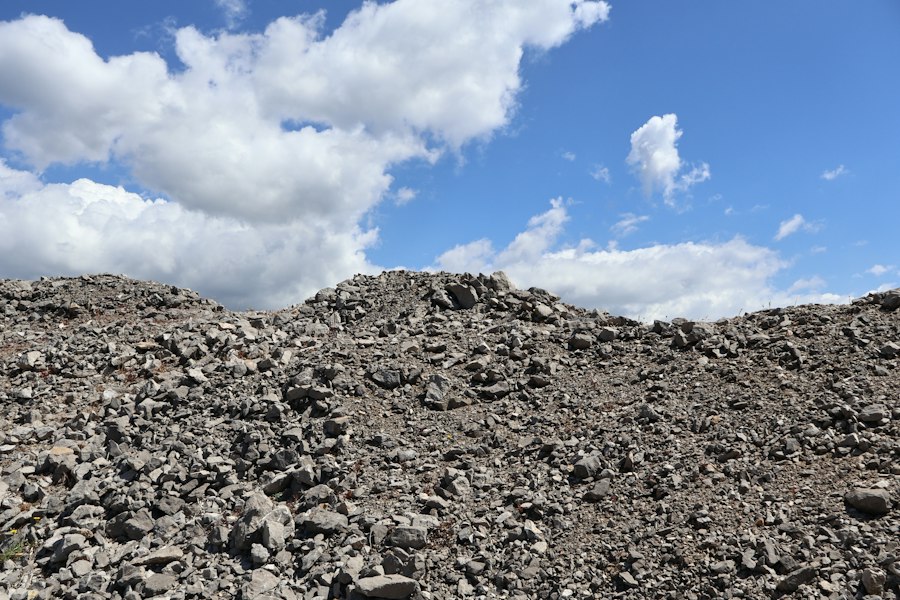
The concept of staying above water on gravel mounds necessitates practical, actionable strategies. These are the techniques that allow an individual to maintain their position, even as the water level rises. They encompass both the immediate responses to a crisis and the long-term practices that build resilience. The focus here is on proactive measures and adaptive responses that prevent one from being submerged.
Building Your Personal Embankment: Financial and Resource Management
Financial stability is often the bedrock of one’s gravel mound. When the waters of economic hardship rise, a well-managed financial situation acts as a crucial embankment. This involves not only managing current income and expenses but also preparing for future uncertainties. Building an emergency fund, even a modest one, is akin to fortifying the mound with a few extra large stones. Diversifying income streams, where possible, adds layers of protection. Understanding and managing debt effectively prevents the water from undermining the foundation. Resourcefulness extends beyond finances; it includes skills development, knowledge acquisition, and understanding how to access available support systems, such as government aid or community resources. These are all components that strengthen the mound and make it more resistant to erosion.
The Importance of an Emergency Fund
An emergency fund serves as the first line of defense against financial emergencies. It is the immediate reserve of capital that can be drawn upon when unexpected expenses arise, such as job loss, medical emergencies, or significant home repairs. The size of this fund should ideally cover three to six months of essential living expenses. The process of building this fund should be a consistent effort, with regular, even small, contributions. Automating savings can be a highly effective strategy, ensuring that a portion of income is consistently set aside. This fund is not meant for discretionary spending; its sole purpose is to provide a buffer during times of crisis, preventing individuals from resorting to high-interest debt that can further destabilize their financial mound. The psychological security provided by an accessible emergency fund cannot be overstated; it reduces the anxiety associated with the unknown and allows for more rational decision-making during stressful periods.
Diversifying Income Streams
Relying on a single source of income is akin to building one’s gravel mound on a single, potentially unstable, large stone. Diversifying income streams introduces multiple, smaller stones, distributing the load and increasing overall stability. This can involve taking on freelance work, starting a side business, investing in income-generating assets, or acquiring skills that are in demand in multiple sectors. The goal is not necessarily to replace primary income, but to create supplementary revenue that can provide a cushion if the primary source is disrupted. This requires foresight and planning, identifying opportunities and developing the necessary skills to capitalize on them. In a rapidly evolving economy, diversification is no longer a luxury but a necessity for long-term financial resilience.
Reinforcing Your Structure: Mental and Emotional Well-being
The ability to stay above water is deeply intertwined with mental and emotional fortitude. The gravel mound, while offering physical stability, can be eroded by the relentless pressure of stress and anxiety. Therefore, reinforcing one’s internal structure is as crucial as managing external resources. This involves cultivating coping mechanisms, practicing mindfulness, seeking professional help when needed, and fostering a positive outlook. It’s about ensuring that the individual themselves, the core of the gravel mound, remains strong and capable of weathering the storm.
Cultivating a Resilience Mindset
A resilience mindset is the internal compass that guides individuals through turbulent times. It is characterized by optimism, a sense of self-efficacy, and the belief that challenges are temporary and can be overcome. This mindset is not innate; it is cultivated through conscious effort and practice. It involves reframing negative thoughts, focusing on what can be controlled, and learning from setbacks rather than being defined by them. Practices such as gratitude journaling, positive affirmations, and setting achievable goals can help in developing this inner strength. The belief that one has the capacity to adapt and bounce back is the most powerful tool for staying above water.
The Power of Mindfulness and Stress Management
The constant pressures of life can feel like a relentless tide. Mindfulness and effective stress management techniques act as an anchor, preventing individuals from being swept away. Mindfulness involves paying attention to the present moment without judgment. This can be cultivated through meditation, deep breathing exercises, or simply by consciously engaging with one’s surroundings. By grounding oneself in the present, individuals can reduce the overwhelming burden of past regrets or future anxieties. Stress management techniques, such as regular exercise, adequate sleep, and engaging in hobbies, help to mitigate the physiological and psychological effects of stress. These practices build a buffer, allowing individuals to approach challenges with a clearer mind and a calmer disposition, thus preserving the integrity of their gravel mound.
Building Bridges to Support: The Importance of Social Connections
No gravel mound exists in isolation. The strength of an individual’s support system is a critical factor in their ability to stay above water. These connections act as external reinforcements, providing help, encouragement, and perspective when needed. Neglecting social ties is akin to leaving the gravel mound exposed to the elements, vulnerable to erosion. Actively nurturing and engaging with these relationships is a vital survival strategy.
Nurturing Your Inner Circle: Family and Close Friends
The closest relationships – family and friends – form the innermost ring of defense around a gravel mound. These are the individuals who are most likely to offer immediate support during a crisis. However, these relationships require ongoing care and attention. Open communication, mutual respect, and a willingness to be vulnerable are essential for maintaining strong bonds. During difficult times, actively reaching out to this inner circle, even for emotional support, can make a significant difference. It’s important to remember that support is a two-way street; being there for others strengthens the collective resilience of the group.
Expanding Your Network: Community and Professional Ties
Beyond the immediate circle, broader social networks – community groups, professional organizations, and even online communities – can provide invaluable resources and support. These networks offer diverse perspectives, specialized knowledge, and a sense of belonging. Participating in these groups can expose individuals to new opportunities, provide practical assistance, and offer a sense of shared experience. Building and maintaining these connections requires active engagement, whether through volunteering, attending events, or simply staying in touch. The broader the network, the more robust the external reinforcement of one’s gravel mound.
Adapting to Shifting Currents: Long-Term Resilience Building

Staying above water is not a one-time achievement but an ongoing process of adaptation and growth. The strategies discussed are not merely reactive measures but form the foundation for long-term resilience. This involves continuously learning, evolving, and strengthening one’s ability to navigate future challenges. The gravel mound, though composed of individual stones, can be continuously reinforced and improved.
The Role of Continuous Learning and Skill Development
The world is in constant flux, and so too are the challenges we face. Continuous learning and skill development are essential for adapting to these changes and strengthening one’s gravel mound. Acquiring new knowledge, whether through formal education, online courses, or practical experience, enhances problem-solving abilities and opens up new avenues for opportunity. Developing skills, particularly those that are transferable and in demand, provides a greater capacity to pivot when circumstances change. This proactive approach ensures that one is not caught off guard by evolving economic landscapes or emerging societal pressures. It is about ensuring that the stones that compose the mound are not only numerous but also strong and adaptable.
Upskilling for Future Challenges
The job market and the demands of modern life are constantly evolving. Investing in upskilling and reskilling is a proactive strategy for future-proofing one’s career and personal well-being. This could involve learning new software, acquiring certifications in emerging fields, or developing soft skills like critical thinking and communication. Online learning platforms, community colleges, and professional development programs offer numerous opportunities for individuals to enhance their skill sets. The goal is to remain relevant and adaptable, ensuring that one’s professional gravel mound is built on solid, up-to-date foundations, ready to withstand the tides of economic change.
Embracing Change as an Opportunity for Growth
The most resilient individuals do not merely endure change; they embrace it as an opportunity for growth. This involves shifting one’s perspective from viewing challenges as threats to seeing them as catalysts for innovation and personal development. The metaphor of the gravel mound suggests that even the shifting of stones can lead to a more stable configuration. By actively seeking out new experiences, taking calculated risks, and learning from both successes and failures, individuals can continuously strengthen their resilience. This mindset allows them to not only stay above water but to emerge from difficult periods stronger and more capable than before.
Reframing Setbacks as Stepping Stones
Every setback, every moment of feeling submerged, offers a valuable lesson. Instead of dwelling on the negative aspects of a challenge, resilient individuals learn to reframe these experiences as stepping stones. This involves analyzing what went wrong, identifying areas for improvement, and applying those lessons to future endeavors. This iterative process of learning and adaptation is crucial for building long-term resilience. It transforms the fear of failure into a motivation for growth, ensuring that each challenge encountered, rather than eroding the gravel mound, serves to solidify and expand it.
The Psychological Landscape of Survival
Beyond the practical strategies, the psychological landscape of survival on gravel mounds is equally important. The internal narrative and the way individuals perceive their situation profoundly impact their ability to stay above water. This section explores the mental and emotional frameworks that underpin resilience.
The Power of Hope and Optimism
Hope is the enduring belief that a better future is possible, even in the face of adversity. Optimism is the tendency to expect positive outcomes. These psychological states are not passive wishes; they are active forces that fuel motivation and perseverance. When faced with challenges, a hopeful individual is more likely to search for solutions, maintain effort, and believe in their ability to overcome obstacles. This optimism can be cultivated through practices that focus on positive experiences, celebrate small victories, and maintain a forward-looking perspective. It is the light that guides one through the darkest storms, ensuring that the gravel mound remains a beacon of possibility.
Maintaining a Forward-Looking Perspective
In times of crisis, it is easy to become overwhelmed by the present circumstances. However, maintaining a forward-looking perspective is crucial for survival. This involves setting realistic goals for the future, even when the present seems bleak. It means envisioning a time when the waters have receded and focusing on the steps needed to reach that point. This could involve short-term goals, like securing a temporary resource, or long-term aspirations, such as rebuilding a career or improving one’s living situation. This forward momentum, fueled by hope, provides the necessary drive to navigate difficult terrain and prevents individuals from becoming paralyzed by their current challenges.
The Importance of Self-Compassion and Self-Care
In the relentless pursuit of staying above water, it is easy to neglect oneself. Self-compassion – treating oneself with the same kindness and understanding that one would offer a friend – and consistent self-care are not luxuries but necessities. When the gravel mound is under pressure, the individual at its core needs to be strong and healthy. This involves acknowledging one’s struggles without judgment, allowing for moments of rest and recuperation, and engaging in activities that nourish the mind, body, and soul. Prioritizing self-care ensures that one has the energy and resilience to continue the fight.
Prioritizing Rest and Recovery
The metaphor of a gravel mound implies a constant struggle against external forces. This struggle can be exhausting. Therefore, prioritizing rest and recovery is not a sign of weakness but a strategic imperative. Adequate sleep, regular breaks from demanding tasks, and dedicated time for relaxation are essential for restoring physical and mental energy. Ignoring the body’s need for rest can lead to burnout, diminished cognitive function, and increased susceptibility to stress. Just as a physical structure needs maintenance to remain strong, so too does the individual need periods of recovery to sustain their resilience.
In the context of survival strategies, staying above water on gravel mounds can be a critical skill in various environments. For those interested in understanding the broader implications of survival and resilience in challenging conditions, a related article explores the complexities of navigating geopolitical landscapes and their impact on local communities. You can read more about these challenges and opportunities in the article on navigating Middle East geopolitics. This perspective can provide valuable insights into how survival tactics can be influenced by external factors beyond immediate physical challenges.
Sustaining Your Position: Long-Term Strategies for Continued Stability
| Metric | Description | Typical Value | Unit |
|---|---|---|---|
| Gravel Mound Height | Height of the gravel mound above water level | 0.5 – 1.5 | meters |
| Water Flow Rate | Speed of water current around the mound | 0.2 – 1.0 | meters/second |
| Survival Rate | Percentage of organisms staying above water on mound | 75 – 90 | percent |
| Gravel Particle Size | Average diameter of gravel particles | 10 – 50 | millimeters |
| Water Depth Around Mound | Depth of water surrounding the gravel mound | 0.3 – 1.2 | meters |
| Exposure Duration | Time organisms remain above water on mound | 2 – 6 | hours |
The journey of staying above water is not a sprint but a marathon. The strategies employed must be sustainable and adaptable over the long term. This section focuses on embedding resilience into daily life and creating a lasting foundation for stability.
Building a Culture of Proactive Resilience
The most effective way to stay above water is to cultivate a proactive approach to resilience. This means integrating resilience-building practices into daily routines rather than waiting for a crisis to strike. It involves fostering a mindset of continuous preparedness, regular assessment of one’s strengths and vulnerabilities, and ongoing maintenance of support systems. This proactive stance transforms survival from a reactive necessity into an ingrained way of living, ensuring that the gravel mound is consistently reinforced and well-maintained.
Regular Review and Adjustment of Strategies
The challenges we face, and the effectiveness of our strategies for overcoming them, are not static. Regularly reviewing and adjusting survival strategies is crucial for long-term stability. This might involve re-evaluating financial plans, updating skill sets, or nurturing relationships that may have become dormant. It is about remaining agile and responsive to changing circumstances. This ongoing process of assessment and adaptation ensures that the gravel mound remains a robust and reliable sanctuary, capable of withstanding whatever the currents may bring.
The Continuous Cycle of Growth and Adaptation
Resilience is not a destination but a continuous cycle of growth and adaptation. The individual who consistently stays above water learns to embrace this cyclical nature. They understand that challenges will arise, and they have developed the tools and mindset to navigate them. They also recognize that each experience, whether difficult or successful, offers an opportunity for further learning and development. This ongoing commitment to growth ensures that the gravel mound is not just a place of survival but a platform for continuous progress and flourishing. By understanding the principles of the gravel mound and diligently applying these strategies, individuals can not only stay above the rising tides of life but also build a foundation for lasting well-being and enduring strength.
