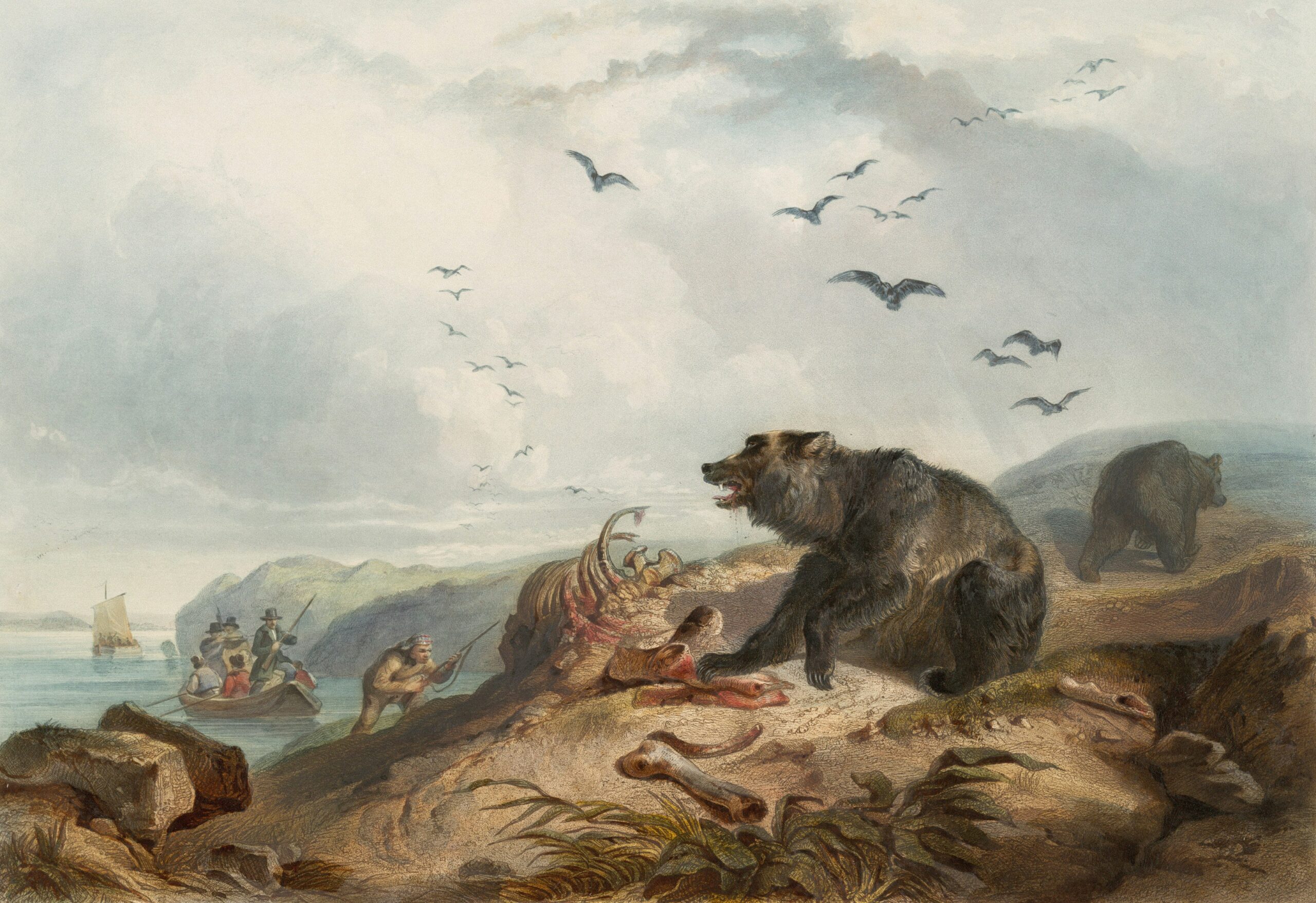
The distant past whispers tales of a world dominated by giants – the megafauna. These colossal creatures, ranging from woolly mammoths and mastodons to giant ground sloths and dire wolves, roamed the landscapes inhabited by our early human ancestors. The subsistence of these hominins was intrinsically linked to their ability to hunt and process these formidable animals. This was not a casual endeavor; it was a complex, multi-faceted undertaking that demanded intelligence, cooperation, and the development of sophisticated hunting techniques. Understanding these ancient strategies provides invaluable insight into the evolutionary trajectory of our species, revealing how early humans transformed from opportunistic scavengers to master hunters capable of bringing down creatures many times their size. The very survival of our lineage may well have depended on the ingenuity and skill displayed in these prehistoric hunts.
The Dawn of Cooperative Hunting
The transition from scavenging to active hunting, particularly of large prey, represents a significant evolutionary leap for early hominins. This shift necessitated a fundamental change in social organization and cognitive abilities. The immense power and size of megafauna meant that individual prowess was insufficient. Success hinged on collective action, a testament to the growing capacity for complex social interaction and communication among early human ancestors. The evidence for cooperative hunting strategies is derived from a confluence of archaeological findings, including projectile points found in association with megafauna remains, butchery marks on bones, and the spatial distribution of kill sites. These sites often reveal evidence of repeated hunting of specific species, suggesting well-established territorial knowledge and planned expeditions.
The Evolution of Social Bonds and Communication
The development of cooperative hunting techniques was intricately linked to the evolution of social bonds and communication within early hominin groups. Coordinating the actions of multiple individuals to stalk, corner, and ultimately subdue a large animal requires a sophisticated level of understanding and shared purpose. This likely involved a rudimentary form of symbolic communication, allowing for the transmission of complex instructions and strategies. The social cohesion fostered by these cooperative endeavors would have also played a crucial role in group survival, offering protection from predators and facilitating the sharing of resources. Studies of modern hunter-gatherer societies, while not a direct analogue, offer glimpses into the potential social dynamics that might have characterized early hominin groups engaged in large-game hunting. The ability to form strong alliances and trust within a group would have been paramount for the success and safety of these hunts.
Resource Management and Territoriality
The decision to hunt megafauna was not merely about immediate sustenance; it also involved an understanding of resource management and territoriality. Early humans likely developed an intimate knowledge of the migratory patterns, breeding seasons, and preferred habitats of their prey. This understanding allowed for more efficient and predictable hunting. Furthermore, securing and defending prime hunting grounds would have been essential for the long-term survival of a group. The presence of kill sites in specific locations, often near water sources or natural chokepoints, suggests strategic exploitation of the environment. This territoriality would have also likely led to increased interaction, and potentially conflict, with other hominin groups vying for the same valuable resources.
The hunting techniques employed by early ancestors to capture megafauna reveal a fascinating aspect of human ingenuity and adaptation. These strategies not only highlight the skills and tools developed by our ancestors but also provide insight into their social structures and survival tactics. For a deeper exploration of ancient innovations that showcase human creativity, you can read about some unbelievable ancient inventions, including concepts that seem almost futuristic, in this article: Unbelievable Ancient Inventions.
Projectile Technology: The Spear and Beyond

The development of effective projectile weapons was a game-changer in the ancient hunt. While brute force might have sufficed for smaller game, bringing down a woolly mammoth required distance and precision. The spear, in its various forms, stands as a testament to the ingenuity of early toolmakers. Its evolution from a simple sharpened stick to a hafted weapon with sophisticated points marked a significant advancement in hunting technology, allowing hominins to engage dangerous prey from a safer distance, minimizing the risk of direct confrontation.
Early Spearheads and Hafting Techniques
The earliest evidence of spears, dating back hundreds of thousands of years, consists of wooden shafts, often fire-hardened for added durability. The true revolution, however, came with the development of stone projectile points. These points, meticulously shaped from flint, obsidian, and other suitable materials, were attached to the spear shaft using a combination of natural adhesives like resin and pitch, and binding materials such as animal sinew or plant fibers. The careful knapping of these points, creating sharp edges and barbs, ensured efficient penetration and made it difficult for the wounded animal to dislodge the projectile. Archeological discoveries of bifacial points, such as those associated with the Acheulean and Mousterian industries, highlight the increasing skill and sophistication in tool production. The careful selection of materials and the precise craftsmanship involved in creating these points underscore the importance of these weapons for successful hunting.
The Atlatl: A Leveraged Advantage
Further enhancing projectile hunting capabilities, the atlatl, or spear-thrower, emerged as a crucial innovation. This device, essentially a lever, dramatically increased the velocity and range of a thrown spear. By extending the thrower’s arm, the atlatl allowed for greater force to be applied to the projectile, enabling hunters to strike their prey with significantly more power and from an even greater distance. While direct evidence of atlatls from the earliest periods of megafauna hunting is scarce, their widespread use during later Paleolithic periods, particularly in association with hunting large game, strongly suggests their development predates the advent of the bow and arrow. The mastery of the atlatl would have provided a critical advantage, allowing hunters to exploit the vulnerabilities of large animals more effectively and safely.
Trapping and Ambush Strategies

While direct confrontation with spears was a significant hunting method, early humans also employed more passive yet equally effective strategies: trapping and ambush. These techniques capitalized on the environment and the predictable behaviors of their prey, allowing for the capture of animals without the immediate danger of a direct chase or attack. These methods often required significant planning, knowledge of animal behavior, and the ability to manipulate the landscape.
Pitfall Traps and Their Mechanics
The construction of pitfall traps represents a remarkable display of foresight and engineering skill. These traps involved digging large pits in areas frequently traversed by megafauna, often camouflaging them with branches, leaves, and other natural materials to conceal their presence. Animals, unaware of the danger, would fall into the pit, becoming immobilized and vulnerable to a swift kill. The size and depth of these pits would have been carefully calculated to accommodate the specific types of prey being targeted. Evidence of such traps has been found at various Paleolithic sites, suggesting their widespread use in managing animal populations and securing food resources. The ingenuity lies not only in the digging but also in the effective concealment, demonstrating a deep understanding of animal caution and behavior.
Natural Chokepoints and Ambush Tactics
Another highly effective strategy involved the strategic use of natural landscape features to ambush prey. Canyons, narrow ravines, steep inclines, and dense vegetation could all be exploited to funnel animals into confined spaces where they could be more easily attacked or driven off cliffs. Hunters would position themselves strategically, waiting for the opportune moment to strike. This required a thorough understanding of animal movement patterns and the ability to anticipate their routes. The discovery of kill sites in such strategically advantageous locations provides strong evidence for the implementation of these ambush tactics. The element of surprise was paramount, allowing hunters to maximize their effectiveness with minimal risk.
Butchery and Resource Utilization
The successful hunt was only the first step. The effective processing of a large carcass was equally crucial for survival, demanding specialized knowledge and techniques to extract the maximum nutritional benefit from the kill. Early humans were remarkably adept at utilizing every part of the animal, demonstrating a profound understanding of the resources provided by megafauna.
Stone Tools for Disarticulation and Processing
The development of a diverse toolkit of stone tools was essential for efficient butchery. Sharp-edged flakes, hand axes, and scrapers were used for skinning, disarticulating muscles, and stripping flesh from bones. The presence of distinct cut marks on fossilized megafauna bones, corresponding to the types of stone tools available at different archaeological periods, provides clear evidence of these butchery practices. The meticulousness of these marks suggests a systematic approach to processing, ensuring that no valuable meat was wasted. The variety of tools used also indicates a nuanced understanding of the different tasks involved in breaking down a large carcass.
Marrow Extraction and Other Byproducts
Beyond the meat, early humans recognized the immense nutritional value of other parts of the animal. Marrow, rich in fats and calories, was a highly sought-after resource, typically accessed by breaking open long bones with heavy stone tools. Animal hides were likely processed for clothing, shelter, and containers, offering vital protection from the elements. Sinews could be used as cordage for tools and weapons, and even hooves and horns might have found utility in toolmaking or decorative purposes. This comprehensive utilization of the animal carcass highlights the resourcefulness and adaptability of early human ancestors, leaving little to waste and maximizing the benefits derived from each successful hunt. This holistic approach to resource management was undoubtedly a cornerstone of their survival in challenging environments.
Research into the hunting techniques of early ancestors reveals fascinating insights into how they adapted to their environments and targeted megafauna. A related article discusses the implications of resource competition in different contexts, which can be paralleled to the strategies employed by our ancestors in their quest for survival. For a deeper understanding of how resource management has evolved over time, you can read more about it in this insightful piece on the new space race and the geopolitical struggle for lunar resources here.
The Long-Term Impact on Human Evolution
| Hunting Technique | Description | Targeted Megafauna | Estimated Time Period | Effectiveness |
|---|---|---|---|---|
| Persistence Hunting | Chasing prey over long distances until exhaustion | Large herbivores like mammoths and giant bison | 1.8 million – 300,000 years ago | Moderate to High |
| Ambush Hunting | Using natural cover to surprise and kill prey | Mastodons, giant deer | 500,000 – 50,000 years ago | High |
| Use of Spears and Atlatls | Throwing spears or spear-throwers to increase range and force | Woolly mammoths, giant ground sloths | 400,000 – 10,000 years ago | High |
| Drive Hunting | Herding animals into traps or cliffs for mass kills | Giant bison, mammoths | 100,000 – 10,000 years ago | Very High |
| Fire Hunting | Using fire to flush out or trap animals | Various megafauna species | 200,000 – 10,000 years ago | Moderate |
The sustained practice of megafauna hunting had profound and lasting impacts on the evolutionary trajectory of our species. It drove cognitive development, shaped social structures, and influenced anatomical adaptations. The challenges and successes associated with these hunts were not mere footnotes in our history; they were fundamental forces that molded us into who we are today.
Cognitive and Behavioral Adaptations
The demands of hunting large and dangerous animals spurred significant cognitive advancements. The need for planning, strategy, problem-solving, and foresight in coordinating group hunts fostered the development of more complex brains. The ability to learn from experience, to teach younger generations hunting techniques, and to adapt to changing environmental conditions were all crucial for success. Furthermore, the sustained interaction with the environment and the complex social dynamics of cooperative hunting likely contributed to the development of language and abstract thought. The very act of planning a hunt, communicating strategies, and interpreting animal behavior would have provided a powerful selective pressure for enhanced cognitive abilities.
Anatomical and Physiological Changes
The physical demands of hunting also likely contributed to certain anatomical and physiological changes in early hominins. The development of endurance for long pursuits, the strength required for tool use and dismemberment, and the adaptations for efficient bipedal locomotion, which frees up the hands for carrying tools and weapons, can all be linked, at least in part, to the lifestyle necessitated by large-game hunting. The consumption of nutrient-rich meat and marrow would have also provided the necessary energy and resources for brain development and physical exertion. Over generations, these sustained pressures likely selected for individuals with traits best suited to the rigors of this demanding existence. The success of these hunts was not just about filling bellies; it was about shaping our very bodies and minds.
