
The very foundations of human existence were forged in a crucible of relentless environmental challenge. Long before recorded history, early human communities, in their nascent stages of development, were intimately and often perilously connected to the natural world. Their survival was not a matter of technological dominance or resource extraction, but a delicate dance of adaptation, observation, and cooperation in the face of potent and unpredictable environmental threats. These early peoples, spread across diverse landscapes from arid savannas to frigid tundras, were not passive recipients of nature’s whims; they actively grappled with challenges that shaped their social structures, tool-making innovations, and ultimately, their enduring legacy. Understanding these ancient struggles provides profound insights into the resilience of our species and the fundamental relationship between humanity and its environment.
Navigating the Shifting Sands of Climate and Landscape
The Earth’s climate has never been static, and for early humans, these fluctuations presented persistent survival hurdles. They lived through periods of dramatic warming and cooling, glacial advances and retreats, and shifts in rainfall patterns that could render once-fertile lands barren or transform familiar hunting grounds into treacherous territories. The ability to read and respond to these environmental cues was paramount, differentiating those who thrived from those who perished.
The Impact of Glacial Cycles on Mobility and Resource Availability
The Pleistocene epoch, often referred to as the Ice Age, was characterized by recurring glacial periods. As massive ice sheets advanced, they dramatically altered landscapes, carving out valleys, creating new lakes, and forcing human populations to migrate. These ice ages compressed habitable zones, pushing communities into more confined areas where competition for resources intensified. Conversely, interglacial periods, marked by warming temperatures and retreating ice, opened up new territories but also brought about different challenges, such as increased predator populations or the emergence of new diseases. Early humans developed sophisticated migratory strategies, often following herd animals that were themselves responding to seasonal changes and the availability of vegetation. These movements were not haphazard; they were guided by a deep, intuitive understanding of the land, its resources, and the predictable patterns of animal behavior. The evidence for this can be seen in the widespread dispersal of early human fossils and artifacts across continents, a testament to their remarkable adaptability in the face of these massive climatic shifts.
Drought, Flood, and the Scarcity of Water
Beyond the grand sweep of glacial cycles, more localized but equally impactful environmental threats revolved around the availability of water. Prolonged droughts could devastate plant life, reduce animal populations, and render water sources, often the lifeblood of a community, dangerously scarce. The consequences were dire: starvation, dehydration, and increased susceptibility to disease. In contrast, sudden and intense floods, often triggered by heavy rainfall or the rapid melting of snowpack, could destroy settlements, drown livestock (if they were present), and contaminate water supplies. Early human communities developed a keen awareness of water sources and their seasonal reliability. Settlements were often strategically located near perennial rivers or springs, but even these were not always secure. The development of rudimentary water management techniques, such as digging wells or creating small reservoirs, likely emerged as a response to these water-related crises. The ability to predict and prepare for periods of drought, perhaps by storing food and water, or to quickly relocate from areas prone to flooding, was a critical survival skill.
Early human communities often faced significant environmental threats that shaped their survival and development. For instance, the article titled “Unearthing Ancient Drought: Biblical Evidence” explores how ancient societies, as documented in the Book of Amos, dealt with severe drought conditions that impacted their agricultural practices and social structures. This historical perspective provides valuable insights into how early humans adapted to changing climates and resource scarcity. To read more about this fascinating topic, visit the article here: Unearthing Ancient Drought: Biblical Evidence.
Predators, Pests, and the Constant Threat of Disease
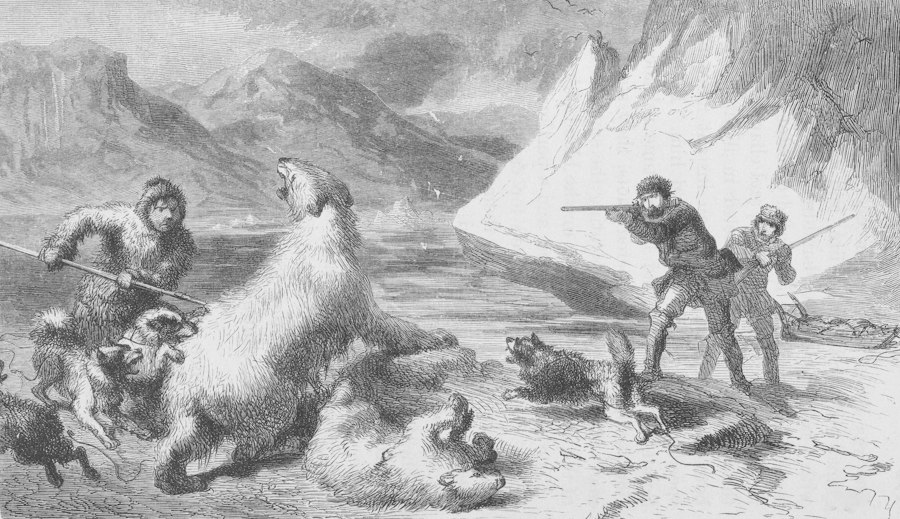
Life for early humans was a perilous affair, not just from the environment itself, but from the myriad of other living organisms with which they shared the planet. Predators posed a direct and immediate threat, while disease, often carried by insects or waterborne pathogens, could decimate populations insidiously.
The Challenge of Large Carnivores and Other Dangerous Fauna
The natural world was teeming with formidable predators – lions, tigers, wolves, bears, and countless others – that viewed early humans as potential prey. Encounters with these animals were frequent and often fatal. Survival depended on a combination of vigilance, cunning, and collective defense. Early humans likely developed sophisticated strategies to avoid predators, such as establishing settlements in defensible locations like caves or high ground, and moving in groups. The development of early weapons, from sharpened sticks to crude stone-tipped spears, was not solely for hunting but also for defense. The successful deterrence or repulsion of predators would have been a significant factor in the survival and growth of a community. Furthermore, dangerous herbivores, while not predatory, could also pose a threat, particularly during mating seasons or when defending young. Understanding the behavior and territorial ranges of these animals was crucial for safe passage and resource gathering.
The Invisible Enemy: Pathogens and Parasites
While the threat of large carnivores was visible and immediate, the silent onslaught of pathogens and parasites represented an equally, if not more, devastating challenge. Early human populations, living in close proximity to animals and often with rudimentary sanitation, were vulnerable to a wide range of infectious diseases. These diseases, transmitted through contaminated water, food, or insect bites, could sweep through a community, causing widespread illness and death. The lack of understanding of germ theory meant that such outbreaks were often attributed to supernatural causes or bad luck. However, implicit in their survival was the development of an adaptive immune system, as well as the potential for the development of early forms of folk medicine and the observation of what plants and remedies might alleviate symptoms. Furthermore, the ability to maintain a relatively healthy population despite these challenges would have relied on strategies like hygiene practices, however basic, and the isolation of sick individuals, though the latter would have been exceptionally difficult in tight-knit communities. The constant struggle against disease would have undoubtedly shaped social norms and the importance of communal well-being.
Resource Scarcity and the Quest for Sustenance

The fundamental imperative of any living organism is to find enough to eat. For early human communities, this quest was a daily struggle fraught with environmental uncertainty. The availability of food sources, whether plant or animal, was directly tied to the health of the ecosystem, which in turn was subject to the vagaries of climate, soil fertility, and the presence of competing species.
The Precarious Nature of Hunter-Gatherer Diets
For the vast majority of human prehistory, societies were hunter-gatherers. Their diets were dependent on the seasonal availability of wild plants and the success of hunting expeditions. This lifestyle inherently involved a degree of unpredictability. A harsh winter could decimate fruit-bearing trees, a drought could wither edible roots, and a failed hunt could mean days of hunger. Early humans developed a profound knowledge of their local flora and fauna, identifying edible plants, understanding their growth cycles, and learning the migration patterns of game animals. This knowledge was passed down through generations, forming a crucial component of their cultural heritage. The ability to diversify their diet, relying on a range of different food sources, would have been a key survival strategy, mitigating the risks associated with the failure of any single resource. However, even with diversification, periods of scarcity were inevitable, leading to malnutrition, reduced fertility, and increased mortality.
Overexploitation and the Dawn of Environmental Impact
While it is tempting to view early humans as living in perfect harmony with nature, the reality was more complex. In areas where human populations grew or where a particularly valuable resource was concentrated, there is evidence to suggest that early communities could, and did, impact their local environments through overexploitation. For instance, the depletion of local game populations could force a community to relocate or face starvation. Similarly, the excessive gathering of certain plant species could lead to their decline. These early instances of environmental impact, though localized and often temporary, highlight the fundamental tension between human needs and the sustainability of natural resources. The ability of a community to recognize these signs of depletion and adapt their practices, perhaps by moving to new hunting grounds or by moderating their resource use, was critical for their long-term survival and the maintenance of their ecological niche. This suggests an early, albeit intuitive, understanding of ecological balance.
Adapting Tools and Technologies for Survival
Faced with relentless environmental challenges, early humans did not remain static. Their survival was intimately linked to their capacity for innovation, particularly in the development and refinement of tools and technologies that allowed them to better interact with and overcome their surroundings.
The Evolution of Lithic Technology and its Environmental Applications
The mastery of stone tool technology was a cornerstone of early human survival. From the earliest Oldowan choppers to the more sophisticated Acheulean handaxes and later, the finely crafted blades of the Upper Paleolithic, these tools were essential for a myriad of tasks. Sharp stone flakes could be used to butcher animals, providing access to nutrient-rich meat and marrow. Stone tools were also used to process plant materials, such as roots and tubers, making them more digestible. Beyond cutting and scraping, specialized tools emerged for tasks like woodworking, allowing for the creation of shelters, spears, and other essential implements. The constant refinement of lithic technology reflected a growing understanding of material properties and the development of more efficient manufacturing techniques, directly enhancing their ability to exploit available resources and defend themselves against environmental threats. The ability to create durable and effective tools was a significant advantage in navigating the harsh realities of their world.
Harnessing Fire: A Revolution in Human Adaptation
The control of fire was perhaps the single most transformative technological innovation of early humanity. Fire provided warmth, allowing humans to inhabit colder regions and survive nights that would otherwise be lethal. It offered protection from predators, as its flames could deter dangerous animals. Furthermore, fire revolutionized food preparation. Cooking made many otherwise indigestible plants edible and broke down tough meat fibers, increasing nutrient absorption and reducing the risk of foodborne illnesses. This enhanced diet contributed to better health, increased energy levels, and potentially, the development of larger and more complex brains. The ability to make and control fire also allowed humans to modify their environments in controlled ways, such as clearing land for easier passage or even, in later periods, for primitive agriculture. The strategic use of fire fundamentally altered the human relationship with the environment, expanding their range, improving their health, and providing a crucial advantage in their ongoing struggle for survival.
Early human communities often faced significant environmental threats that challenged their survival and adaptability. These groups had to develop innovative strategies to cope with changing climates, resource scarcity, and natural disasters. A fascinating exploration of how modern societies can learn from these ancient practices can be found in an article that discusses financial resilience in uncertain times. You can read more about it in this insightful piece on surviving economic challenges, which highlights the importance of adaptability in the face of adversity. For further details, visit surviving a dollar crash.
Social Organization and Collective Resilience
| Metric | Description | Estimated Value | Impact on Early Human Communities |
|---|---|---|---|
| Climate Variability | Fluctuations in temperature and precipitation patterns | ±5°C temperature change over centuries | Forced migration and adaptation in settlement patterns |
| Resource Availability | Access to water, plants, and animals for food | Variable, often seasonal scarcity | Led to development of hunting strategies and food storage |
| Population Density | Number of individuals per square kilometer | 1-5 persons/km² | Low density reduced competition but limited social complexity |
| Natural Disasters Frequency | Incidence of floods, droughts, volcanic eruptions | Occasional, every few decades to centuries | Disrupted settlements and forced relocation |
| Technological Innovation Rate | Development of tools and survival techniques | Incremental improvements over thousands of years | Enhanced ability to cope with environmental challenges |
The environmental threats faced by early humans were often too formidable for individuals to overcome alone. Survival, therefore, was deeply intertwined with the development of effective social structures, cooperation, and the transmission of knowledge across generations.
The Importance of Kinship Groups and Band Societies
Early human communities were typically organized into small, mobile groups, often based on kinship. These bands, comprising perhaps a few dozen individuals, provided a crucial social safety net. Within these groups, tasks could be divided, with some members focusing on hunting, others on gathering, and others on childcare. This division of labor increased efficiency and the overall success rate of resource acquisition. Furthermore, the collective strength of the group provided a significant advantage in defense against predators and in the sharing of scarce resources during times of hardship. The bonds of kinship fostered trust and mutual obligation, essential for the cooperative efforts required to survive. The social cohesion of these early groups was a direct adaptation to the environmental pressures they faced, ensuring that the survival of the individual was inextricably linked to the survival of the group.
The Transmission of Knowledge and the Cultivation of Tradition
The complex challenges of early human life demanded a continuous stream of accumulated knowledge. This knowledge, encompassing everything from the identification of edible plants and medicinal herbs to the techniques for tool-making and the best hunting grounds, was not innate but learned. The transmission of this vital information from elders to younger generations was a critical factor in the long-term survival of human communities. Oral traditions, storytelling, and direct mentorship served as the primary mechanisms for this knowledge transfer. The development of cultural traditions, rituals, and belief systems, while not directly utilitarian in a technological sense, likely played a role in reinforcing social cohesion, managing collective anxieties about environmental uncertainties, and providing a framework for understanding the natural world. These traditions, passed down through generations, ensured that each new cohort of humans was equipped with the essential skills and understanding needed to navigate the environmental threats that had challenged their ancestors, ensuring the enduring resilience of the human species.
