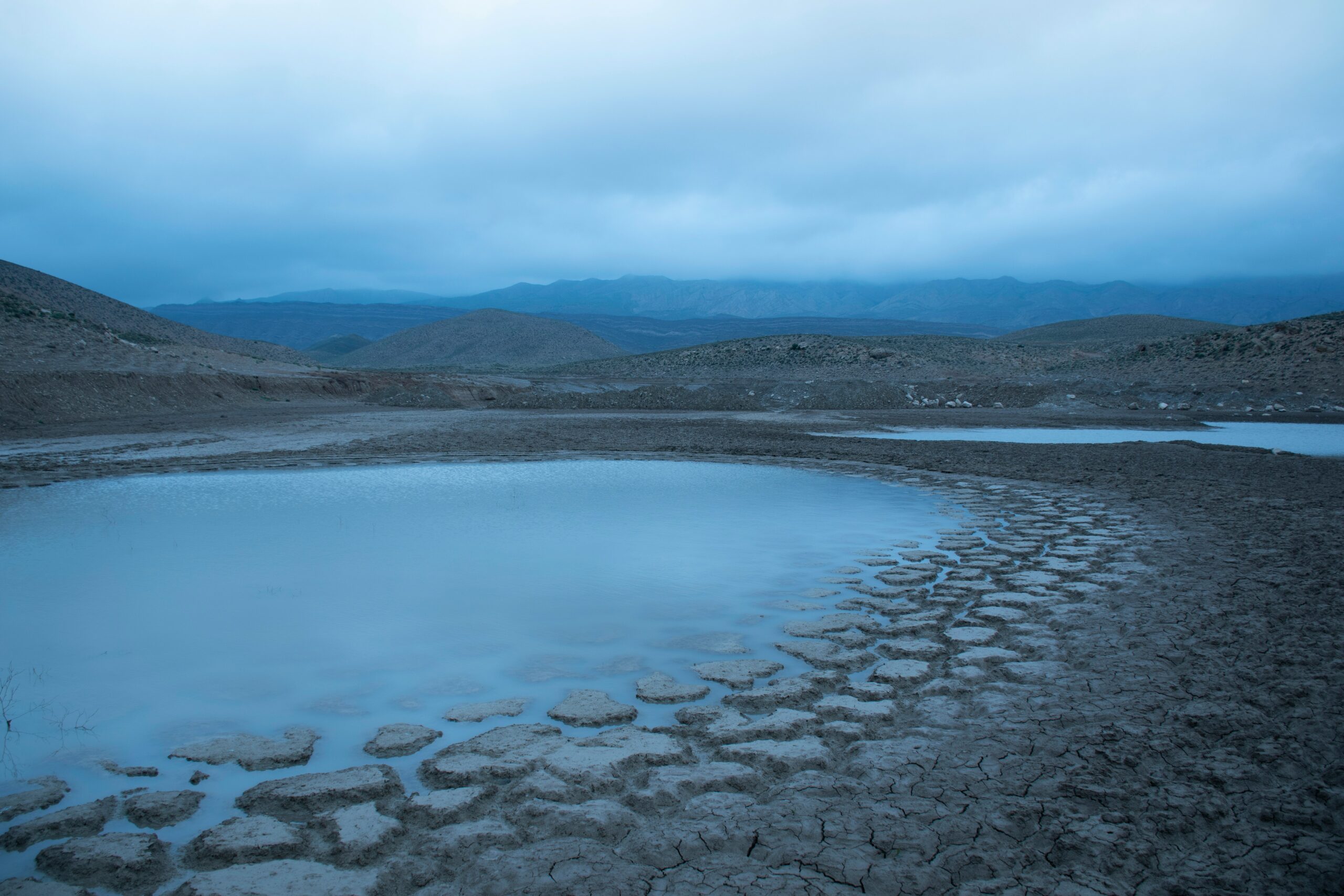
The gentle lapping of water against the shore has long been the most prominent sound at Willow Creek Lake. For decades, its expansive surface has offered recreation and scenic beauty, a familiar part of the local landscape. However, beneath the shimmering facade of this popular reservoir lies a secret, one slowly being unveiled by the very forces that created its modern form: the expansion of the lake itself. As water levels have risen over the years, a remarkable and previously unseen phenomenon has come to light, offering a profound glimpse into a distant past. Ancient human footprints, preserved in mud and sediment for millennia, are emerging from the receding edges of the lake, each one a fragile whisper from our ancestors. This extraordinary discovery is not merely a collection of archaeological curiosities; it is a complex puzzle that is forcing scientists to re-evaluate long-held theories about early human migration, settlement patterns, and the very environment our forebears inhabited.
The Unforeseen Archaeological Bonanza
The initial signs were subtle, easily dismissed as natural formations or unusual rock patterns. However, as the lake’s shoreline shifted due to seasonal variations and long-term hydrological management, more distinct impressions began to appear. These were not the haphazard tracks of deer or the random detritus of the natural world; they were unmistakably human. Oval in shape, varying in size, and clearly imprinted with the tell-tale contours of human feet, they offered irrefutable evidence of past human presence. Archaeologists, initially alerted by local enthusiasts and park rangers, quickly recognized the immense significance of these findings. The sheer number and preservation quality of the footprints were unprecedented, prompting extensive investigation and a race against time, as the dynamic nature of the lake threatened to either re-submerge them or subject them to the erosive forces of wind and water.
The Delicate Dance of Preservation and Exposure
The very process that revealed these footprints is also their greatest threat. Willow Creek Lake was formed in the mid-20th century as part of a larger water management project, intentionally flooding a valley that contained natural springs and meandering waterways. Over time, the accumulated sediment from these original water sources, coupled with the fine silt deposited by the lake itself, created an ideal environment for fossilization. The waterlogged, anaerobic conditions within the lakebed effectively sealed the footprints, preventing decomposition and preserving their delicate details. However, as the lake’s water levels have fluctuated, particularly during prolonged droughts or strategic drawdowns for maintenance, these ancient tracks have been alternately submerged and exposed. Each cycle of wetting and drying poses a significant risk. Exposure to sunlight and air can lead to cracking and erosion, while repeated submersion can blur the fine details. This precarious existence underscores the urgency of scientific documentation and preservation efforts.
Unearthing a Footprint in Time
The process of documenting and studying these footprints is a meticulous undertaking. Teams of archaeologists and paleontologists employ a range of techniques, from ground-penetrating radar to 3D scanning, to map and record the impressions. Non-invasive methods are prioritized to minimize disturbance to the fragile site. Once mapped, detailed casts can be made, or in some cases, careful excavation is undertaken to extract sections of the sediment containing the prints for closer laboratory analysis. These analyses can reveal crucial information about the individuals who made them, including their gait, direction of travel, and potentially even the footwear they wore, if any. The context of the footprints – their arrangement, their proximity to other geological features, and the surrounding sediment – is also vital for understanding the activities that took place at the site thousands of years ago.
Recent discoveries regarding early human footprints submerged beneath a lake have sparked significant interest in the study of ancient human activity. These findings not only provide insight into the migration patterns of early humans but also raise questions about the environmental changes that led to the flooding of these sites. For a deeper understanding of how legal frameworks can protect such invaluable archaeological sites and ensure the preservation of cultural heritage, you can read more in the article on nationalization and sovereign interests found here: Legal Frameworks for Nationalization: Protecting Sovereign Interests.
Echoes of a Lost Civilization

The most compelling aspect of the Willow Creek Lake discoveries is not just the presence of the footprints, but what they suggest about the people who left them behind. The density and distribution of the tracks indicate not just a transient passage, but a sustained period of human activity. This has led to the hypothesis that the area around the ancient lakebed was once a significant settlement or a crucial migratory pathway for early human populations. The types of tools and artifacts found in the vicinity, though often waterlogged and fragmented, further corroborate this theory, hinting at a sophisticated level of adaptation and resource utilization.
Mapping the Migration Trails
One of the most exciting implications of the Willow Creek Lake footprints is their potential to refine our understanding of prehistoric human migration patterns. For decades, the prevailing theories about the peopling of continents have relied on sparse fossil evidence and limited archaeological sites. The discovery of such extensive and well-preserved footprints provides a unique opportunity to add a new dimension to these narratives. By analyzing the directionality of the footprints, their spacing, and their geographical distribution, scientists can begin to reconstruct the routes and movements of ancient peoples. Were these the first explorers venturing into new territories? Were they following game trails or seeking out abundant water sources? The answers hidden within the sediment could rewrite chapters of human history, illustrating how our ancestors navigated and colonized vast landscapes.
Daily Life Preserved in Mud
Beyond migration, the footprints offer an intimate glimpse into the daily lives of these ancient inhabitants. The presence of multiple sets of tracks, some overlapping, suggests communal activities. Were they hunting parties returning to a camp? Were they families gathering resources? The varying sizes of the footprints could indicate the presence of men, women, and children, providing a rare demographic snapshot. Further analysis of the sediment surrounding the footprints might reveal evidence of hearths, discarded tools, or food remnants, painting a richer picture of their domestic arrangements and subsistence strategies. Each impression is a frozen moment in time, allowing us to empathize with the individuals who walked these lands long before us, and to ponder their hopes, their fears, and their daily routines.
Scientific Revelations and Reconsiderations

The findings at Willow Creek Lake have sent ripples through the scientific community, prompting a reassessment of established timelines and geographical assumptions. The very existence of such advanced human presence in this region at such an early date challenges previous models, suggesting that human ingenuity and adaptability were perhaps even more pronounced than previously understood. The implications extend beyond archaeology, touching upon paleoclimatology and paleoecology as scientists work to reconstruct the ancient environment in which these people lived.
Redrawing the Timelines of Human Habitation
The carbon dating of organic materials found in association with the footprints is consistently pushing back the estimated dates of human habitation in the Willow Creek region. What was once thought to be a sparsely populated or uninhabited area during certain prehistoric periods is now emerging as a site of significant human activity. This challenges the traditional “out of Africa” models and the subsequent dispersal routes, suggesting that human populations may have settled and thrived in unexpected locations far earlier than previously believed. The Willow Creek findings necessitate a re-examination of existing archaeological evidence from surrounding areas, potentially revealing overlooked connections and previously unacknowledged settlements.
Reconstructing the Ancient Landscape
Understanding the ancient environment is crucial for interpreting the human footprints. Scientists are meticulously analyzing sediment cores and pollen samples to reconstruct the landscape that existed before the lake was formed. This involves identifying the types of vegetation that thrived, the prevailing climate conditions, and the presence of other fauna. Was the area a lush forest, an open grassland, or a wetland? The presence of specific plant and animal remains alongside the human tracks can provide clues about their diet, their hunting practices, and the resources they relied upon. This interdisciplinary approach, combining archaeology with paleobotany and paleozoology, is essential for creating a holistic picture of the ancient world that these individuals inhabited.
Technological Innovations in Archaeological Exploration
The challenges posed by the dynamic lake environment have spurred the development and application of cutting-edge technologies in the study of the Willow Creek Lake footprints. Traditional archaeological methods, while still vital, are augmented by sophisticated tools that allow for non-invasive data collection, precise mapping, and detailed analysis. These innovations are not only crucial for the preservation of the current site but also pave the way for future discoveries in similar ephemeral archaeological contexts.
High-Resolution 3D Imaging and Digital Reconstruction
The ability to capture the intricate details of the footprints is paramount. Modern 3D scanning technologies, utilizing structured light or photogrammetry, allow for the creation of highly accurate digital models of each impression. These models can be viewed, analyzed, and shared without the need to physically handle the delicate original prints. This is particularly important when dealing with sites that are periodically submerged. Furthermore, these digital reconstructions can be used to create virtual walk-throughs of the ancient landscape, allowing researchers and the public to experience the site as it might have been millennia ago. The level of detail captured by these technologies can reveal subtle features, such as the texture of the mud, the curvature of the sole, and even the presence of individual toes, providing invaluable data for scientific interpretation.
Remote Sensing and Submerged Archaeology Techniques
The challenge of studying submerged artifacts and sites is a significant one. At Willow Creek Lake, advanced remote sensing techniques, such as side-scan sonar and multi-beam echo sounders, are employed to map the lakebed and identify potential areas of interest. Once a promising location is identified, divers equipped with specialized underwater imaging systems can conduct detailed surveys. In cases where artifacts or significant features are buried, techniques borrowed from underwater archaeology, such as controlled excavation with water dredges, may be employed. The development of underwater drones and autonomous underwater vehicles (AUVs) is also revolutionizing submerged archaeology, allowing for extensive surveys of larger areas and the collection of data in challenging conditions without the need for constant human presence.
Recent discoveries regarding early human footprints submerged beneath a lake have sparked significant interest in the field of archaeology. These findings not only shed light on the behaviors of our ancestors but also raise questions about the environmental changes that led to such preservation. For those intrigued by ancient civilizations and their hidden technologies, a fascinating article explores the secrets unearthed from our past, which can be found here. This connection between ancient footprints and advanced knowledge could reshape our understanding of human history.
The Future of Footprint Archaeology
| Metric | Value | Unit | Description |
|---|---|---|---|
| Age of Footprints | 120,000 | years | Estimated age of the early human footprints |
| Lake Spread Area | 2.5 | square kilometers | Area covered by the lake over the footprints |
| Sediment Thickness | 15 | centimeters | Thickness of sediment layer deposited by the lake |
| Water Depth | 1.2 | meters | Average depth of the lake during the spreading event |
| Carbon Dating Range | 115,000 – 125,000 | years BP | Range of radiocarbon dating results for the sediment |
| Footprint Preservation Rate | 85 | percent | Percentage of footprints preserved under lake sediments |
| Lake Formation Duration | 500 | years | Estimated time period over which the lake spread over the footprints |
The discoveries at Willow Creek Lake are more than just an isolated archaeological find; they represent a significant advancement in our understanding of how ephemeral evidence can reveal profound insights into human history. The lessons learned from this unique environment are likely to influence how archaeologists approach similar sites around the world. As climate change continues to alter water levels globally, it is possible that many more such time capsules, previously hidden beneath the waves, will begin to surface, offering unprecedented opportunities to reconnect with our ancient past. The delicate dance between water and land, so evident at Willow Creek Lake, has become a powerful instrument for unveiling the stories of those who walked the earth long before us.
Conservation Strategies for a Transient Past
The long-term conservation of the Willow Creek Lake footprints is a complex undertaking. Given their ephemeral nature, a multi-faceted approach is required. This includes ongoing monitoring of water levels and environmental conditions, as well as continuous documentation of any newly exposed or eroding prints. Strategies may involve selective stabilization of key areas, the development of protective coverings for particularly vulnerable sections, and the careful curation of casts and digital records. The involvement of local communities and educational outreach are also crucial, fostering a sense of stewardship and ensuring that these invaluable historical records are protected for future generations. The goal is not to freeze the site in time, but to manage its dynamic nature in a way that maximizes scientific understanding and preservation.
The Global Implications for Human Origins Research
The Willow Creek Lake discoveries serve as a powerful reminder that our understanding of human origins is constantly evolving. This site, once thought to be of limited prehistoric significance, has become a critical node in the narrative of human migration and settlement. The methods and findings from Willow Creek will undoubtedly inspire and inform research in other regions, encouraging archaeologists to look for similar ephemeral evidence in lakebeds, river valleys, and coastal areas around the globe. As scientific techniques advance and our environmental landscape continues to shift, the potential for uncovering more such extraordinary glimpses into our collective past is immense, promising to reshape our understanding of where we came from and how we came to be here.
