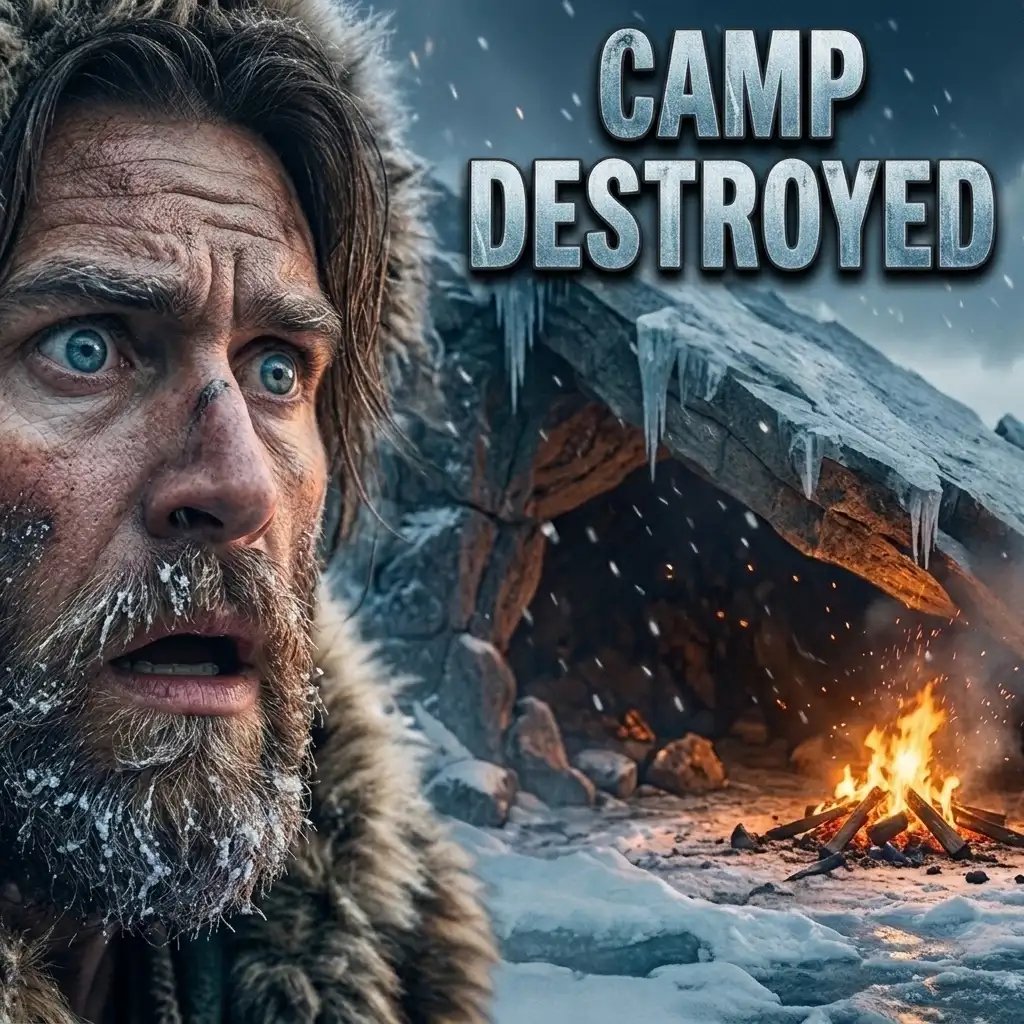
Journeying back twenty thousand years is no simple feat, yet the History Channel, through its captivating documentaries and rigorous research, offers a compelling portal into a world both starkly alien and surprisingly familiar. Life in the Late Pleistocene was a testament to human resilience, ingenuity, and a profound connection to the natural world, a world dominated by megafauna and shaped by the enduring embrace of ice. This exploration delves into the key aspects of existence during this pivotal era, drawing insights from the educational narratives that illuminate our ancestral past.
The Frozen Frontier: Navigating the Glacial Epoch
Twenty thousand years ago, the Earth was in the throes of the Last Glacial Maximum, a period of profound cooling that dramatically reshaped landscapes and dictated the rhythms of life. Vast ice sheets, some kilometers thick, covered significant portions of the Northern Hemisphere, influencing weather patterns, sea levels, and the availability of habitable land. Human populations, though sparse compared to modern times, were strategically distributed across this altered planet, adapting to the challenges and opportunities presented by this frozen frontier.
Ice Age Ecosystems: A World of Giants
The defining characteristic of the Late Pleistocene landscape was its megafauna. Enormous creatures, such as woolly mammoths, woolly rhinoceroses, giant ground sloths, and saber-toothed cats, roamed the steppes and tundra. These animals were not merely passive inhabitants of the environment; they were central to the survival strategies of early humans. The immense power and resources provided by these animals, from sustenance to materials for tools and shelter, made their presence indispensable. Documentaries often depict the intricate dance between hunter and prey, highlighting the sophisticated knowledge of animal behavior and the bravery required to bring down such formidable quarry. The sheer scale of these creatures, brought to life through CGI and expert reconstruction, underscores the raw, untamed nature of the prehistoric world.
Adapting to the Cold: Shelter and Survival
Survival in an Ice Age environment demanded innovative solutions. Humans, often depicted in historical narratives, were master builders of shelters. These ranged from semi-subterranean dwellings constructed from wood, stone, and animal hides to more temporary structures like tents made from animal skins stretched over frames of bone or wood. In some regions, caves and rock shelters offered natural protection, augmented by human modifications. The importance of fire cannot be overstated. It provided warmth, a means of cooking food, deterring predators, and a social focal point. The careful management of fire, whether through the creation of hearths or the constant tending of embers, was a crucial skill passed down through generations. Understanding the nuances of insulation, ventilation, and structural integrity, even without modern engineering principles, was paramount to enduring the prolonged, frigid winters.
The Mammoth Steppe: A Biome Defined by Ice
The vast expanses of vegetation that supported the megafauna were not the dense forests we know today. Instead, much of the northern latitudes were characterized by the “mammoth steppe,” a treeless grassland ecosystem that thrived in the cold, dry conditions. This biome was rich in grasses, sedges, and dwarf shrubs, providing ample food for herbivores. The presence of permafrost influenced soil composition and drainage, creating a unique ecological niche. Understanding the dynamics of the mammoth steppe is crucial to understanding the migratory patterns of animals and, consequently, the hunting strategies of early humans. The documentaries often illustrate how these ancient peoples followed the herds, their lives intrinsically linked to the seasonal movements of their prey across these expansive, windswept plains.
Life twenty thousand years ago was marked by significant developments in human culture and survival strategies, as explored in a fascinating article on the History Channel. This period, known as the Upper Paleolithic, saw the emergence of advanced tools, art, and social structures among early humans. For a deeper understanding of how these ancient practices laid the groundwork for modern civilization, you can read more in this related article: Exploring Mexico’s Electronics Manufacturing Hubs.
The Art of the Hunt: Sustenance and Strategy

The success of human survival in the Late Pleistocene hinged on their ability to hunt effectively. This was not a haphazard endeavor but a highly skilled and organized pursuit, requiring deep knowledge of animal behavior, terrain, and tool technology. The stories told by the History Channel often emphasize the intelligence and strategic thinking employed by these early hunters.
Tools of the Trade: Lithic Innovation
The development of sophisticated stone tools was a hallmark of this era. Paleolithic humans were adept at knapping flint and other suitable stones to create a diverse array of implements. These included sharp-edged handaxes for butchering and general utility, projectile points for spears and arrows (though the bow and arrow’s widespread use is debated for this specific period, later innovations certainly built upon earlier advancements), scrapers for processing hides, and awls for working with bone and leather. The precision and variety of these tools demonstrate a keen understanding of materials science and functional design. The discovery of specific tool types in archaeological contexts provides invaluable clues about hunting techniques and the activities undertaken at kill sites.
Cooperative Endeavors: The Power of the Pack
Hunting large game was rarely a solitary pursuit. The power of collective action was essential to bring down formidable animals like mammoths. Human groups, likely organized into small bands or tribes, would have collaborated, employing various tactics to isolate, corner, and incapacitate their prey. This might have involved driving animals towards natural traps like ravines or cliffs, using fire to herd them, or coordinating coordinated attacks with spears. The social bonds and communication skills necessary for such cooperative hunts were crucial for the survival and success of these early human communities. Documentaries often vividly recreate these hunts, emphasizing the teamwork and bravery involved.
Diet and Nutrition: A Varied Larder
While large game formed a significant part of the diet, it is important to recognize that early humans were not solely reliant on hunting. Their diets were likely more varied, incorporating a range of other food sources. This would have included smaller game, birds, fish, and a variety of plant-based foods such as roots, berries, nuts, and seeds, depending on the local environment and the season. The ability to exploit diverse resources demonstrated a remarkable adaptability and resourcefulness. Archaeological evidence, such as pollen analysis and faunal remains, helps reconstruct these dietary patterns, painting a picture of a complex and opportunistic foraging strategy. The processing of hides and bones also provided valuable resources beyond just meat, contributing to the overall survival toolkit.
Dwelling and Daily Life: Communities in the Cold

Beyond the immediate concerns of hunting and survival, the daily lives of Late Pleistocene humans were shaped by their social structures, their living arrangements, and the development of early forms of material culture. These elements, pieced together from archaeological finds, offer glimpses into the routines and complexities of their existence.
The Hearth and Home: Forming Social Units
Human dwellings, as mentioned earlier, were more than just shelters; they were the centers of social life. The presence of hearths suggests communal living, where families or small groups gathered for warmth, cooking, and social interaction. These communal spaces would have fostered the transmission of knowledge, stories, and skills, essential for maintaining social cohesion and cultural continuity. The size and arrangement of dwellings, where discernible, can offer insights into the size and structure of these social units. Whether living in more permanent settlements near abundant resources or adopting a nomadic lifestyle following game, the hearth remained a vital hub.
Craftsmanship and Creativity: Early Expressions of Art
The Late Pleistocene is renowned for the emergence of early artistic expression. Cave paintings, such as those found in Lascaux and Chauvet, provide breathtaking evidence of the creative capacity of our ancestors. These vibrant depictions of animals, often rendered with remarkable skill and detail, are believed to have served a variety of purposes, from documenting hunts and spiritual beliefs to teaching younger generations about the natural world. Beyond paintings, evidence of carved figurines, personal adornments like beads made from bone or shell, and decorated tools suggests a nascent aesthetic sense and a desire to imbue objects with meaning and beauty. These artifacts challenge the notion of prehistoric peoples as purely utilitarian beings, revealing a rich inner life and a capacity for symbolic thought.
The Dawn of Innovation: Beyond Basic Survival
While survival was paramount, the Late Pleistocene also witnessed a growing sophistication in toolmaking and the development of new technologies. The creation of more specialized tools for tasks like sewing (bone needles), woodworking, and the potential early development of the spear-thrower (atlatl) demonstrates a growing understanding of physics and mechanics. The ability to efficiently process animal hides, for example, led to the creation of more durable clothing and shelter materials, which were crucial for surviving in colder climates. These innovations, though seemingly simple by modern standards, represented significant leaps in human capability and laid the groundwork for future technological advancements.
Beliefs and the Beyond: Spiritual and Symbolic Worlds
Understanding the spiritual and symbolic worlds of Late Pleistocene humans is inherently challenging, as direct evidence is often scarce and open to interpretation. However, archaeological findings and ethnographic parallels offer tantalizing glimpses into their belief systems and their understanding of the cosmos.
Ritual and Remembrance: Evidence from Burial Sites
The discovery of deliberate human burials provides some of the most compelling evidence for early spiritual beliefs and practices. The careful placement of the deceased, sometimes accompanied by grave goods like tools, ornaments, or ochre, suggests a belief in an afterlife or a desire to honor and remember the departed. The presence of ochre, often a red pigment, has been interpreted as symbolizing blood, life, or rebirth. These burial rituals indicate a complex understanding of death and a desire to mark it with significance, hinting at a worldview that extended beyond the material realm.
Animism and the Sacred Landscape: Connecting with Nature
It is widely believed that Late Pleistocene peoples held animistic beliefs, attributing spirits or consciousness to natural phenomena, animals, and geographical features. The deep connection to the natural world, so evident in their reliance on its resources, likely fostered a sense of reverence and respect for its inherent power. The awe-inspiring depictions of animals in cave art could reflect not only their importance as food sources but also their spiritual significance. The landscape itself, with its powerful forces and abundant life, would have been imbued with meaning, shaping their understanding of the universe and their place within it.
The Role of Shamans and Storytellers: Transmitting Knowledge
Within these communities, certain individuals may have taken on specialized roles, such as shamans or storytellers, who acted as intermediaries between the human and spiritual realms. Shamans might have played a role in healing, divination, or guiding rituals, while storytellers would have been responsible for preserving and transmitting cultural knowledge, history, and myths. The oral traditions of indigenous peoples offer a window into the types of narratives that might have been prevalent, filled with explanations for natural phenomena, moral lessons, and the exploits of ancestral heroes. These roles were vital for maintaining social order and cultural identity.
Life twenty thousand years ago was marked by significant climatic changes and the adaptation of early humans to their environments. As we explore this fascinating period, it’s interesting to consider how the study of ice cores has revealed crucial insights into past climates. For a deeper understanding of these changes, you can read about the implications of Greenland’s climate history in the article on uncovering Greenland’s climate history. This research not only sheds light on the conditions that shaped human life but also helps us understand the long-term impacts of climate change.
Legacies of the Ice Age: Our Ancestral Footprint
| Aspect | Details |
|---|---|
| Time Period | Approximately 20,000 years ago (Late Upper Paleolithic) |
| Climate | Last Glacial Maximum; colder and drier global conditions |
| Human Species | Homo sapiens; Neanderthals extinct or nearly extinct |
| Human Population | Estimated 1-10 million worldwide |
| Subsistence | Hunter-gatherer lifestyle; hunting megafauna like mammoths and reindeer |
| Tools and Technology | Stone tools (blade technology), bone and antler tools, early sewing needles |
| Art and Culture | Cave paintings, carvings, personal ornaments (beads, pendants) |
| Habitat | Caves, temporary shelters, and open-air campsites |
| Geographical Distribution | Europe, Asia, parts of Africa; migration towards the Americas beginning |
| Significant Events | Development of complex language and social structures; early evidence of ritual behavior |
The lives of humans twenty thousand years ago, though vastly different from our own, laid the crucial foundations for the development of human civilization. The adaptations, innovations, and social structures that emerged during the Late Pleistocene continue to resonate in our own existence, a testament to the enduring legacy of our ancestors.
The Human Story: A Tale of Resilience
The history of humanity is, in large part, a narrative of resilience in the face of adversity. The challenges of the Ice Age – the harsh climate, the formidable fauna, the limited resources – forged a species capable of extraordinary adaptation and ingenuity. The survival of human populations through such demanding periods speaks volumes about our capacity for problem-solving, our social cooperation, and our sheer will to endure. The insights gleaned from historical documentaries serve as a powerful reminder of the deep roots of human tenacity.
Technological Threads: From Stone to Silicon
The technological advancements of the Late Pleistocene, though rudimentary by today’s standards, represent the earliest stages of a continuous trajectory of innovation. The development of the first complex tools, the control of fire, and the beginnings of artistic expression all represent pivotal moments that spurred further development. Each tool, each technique, was a building block, paving the way for the more complex technologies that would define subsequent eras and ultimately lead to the digital age in which we now live. The fundamental principles of problem-solving and material manipulation established in the Ice Age remain the bedrock of all technological progress.
The Enduring Human Spirit: Creativity and Connection
Perhaps the most profound legacy of our Late Pleistocene ancestors is the enduring human spirit itself. The capacity for creativity, as evidenced in cave art and symbolic adornments, speaks to an innate drive to express, to understand, and to connect. The social bonds forged in small, cooperative groups highlight the fundamental human need for community and shared experience. As we look back twenty thousand years, we see not just a struggle for survival, but the emergence of complex thought, emotional depth, and a burgeoning sense of self and our place in the world, a spirit that continues to define us today.