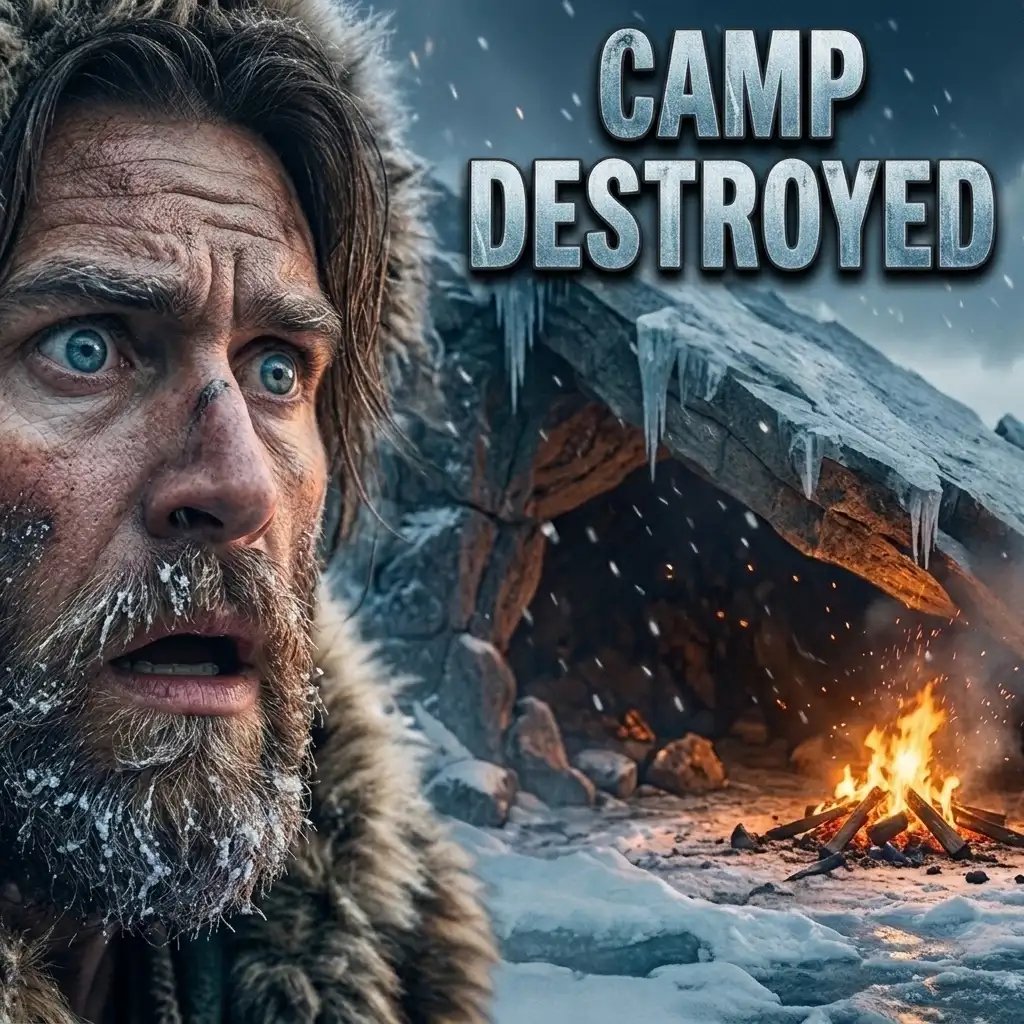
The biting wind howled, a relentless force that had been a constant companion for weeks. Snow, deep and unforgiving, blanketed the landscape, transforming familiar terrain into a treacherous, white expanse. Inside the cramped igloo, the faint glow of a flickering oil lamp cast long, dancing shadows. It was a stark existence, a testament to the resilience of those who braved the harsh realities of a world locked in an ice age. Then, a deep groan, a terrifying symphony of cracking ice and shifting snow, ripped through the fragile silence. The roof of their shelter, their only bastion against the elements, was giving way. This was not a mere inconvenience; it was a life-threatening emergency, a stark reminder of the power of nature and the constant struggle for survival.
Understanding the Mechanisms of Shelter Collapse
Ice age shelters, while ingeniously crafted from the materials at hand, were inherently vulnerable to the dynamic forces of their environment. The very elements that provided insulation and protection could also become agents of destruction. Understanding the underlying mechanisms of collapse was not just an academic exercise; it was a matter of life and death for those who relied on these structures.
Snow Load and Structural Integrity
The primary culprit behind many ice age shelter collapses was the sheer weight of accumulated snow. As blizzards raged and snow piled higher, the cumulative load exerted immense pressure on the roofing materials, be it packed snow in igloos, animal hides stretched over bone frameworks, or woven branches supporting earthen roofs. The inherent strength of these materials, while often substantial, had its limits. Exceeding these limits would lead to deformation, cracking, and ultimately, catastrophic failure. Factors like the density of the snow, the angle of the roof, and the structural integrity of the supporting elements all played crucial roles in determining when and how a collapse would occur. Ice accumulation, particularly on the exterior of shelters, could further exacerbate this issue. Water seeping into porous materials and then freezing could expand, creating internal stresses that weakened the structure from within.
Temperature Fluctuations and Material Fatigue
Beyond direct snow load, cyclical temperature changes posed a significant threat. During the day, even in an ice age, solar radiation could cause a slight thawing of the snow or ice on the exterior of a shelter. This meltwater could then seep into the structure. At night, temperatures would plummet, causing this water to refreeze. This freeze-thaw cycle, a constant battle against the elements, led to material fatigue. Cracks would form and widen, joints would loosen, and the overall structural integrity would be compromised. For shelters made of ice blocks, this process could lead to the melting and refreezing of ice, weakening the bonds between blocks and eventually causing them to slide or crumble. For organic materials like hides or wood, repeated wetting and drying, coupled with freezing and thawing, would cause them to become brittle and prone to tearing or breaking.
External Forces: Wind and Seismic Activity
While less common than snow load or temperature fluctuations, external forces could also trigger a collapse. Powerful winds, particularly during severe storms, could exert significant lateral pressure on shelters, especially those with large surface areas or less robust anchoring. This pressure could destabilize even well-constructed dwellings, leading to a slow creep or a sudden, violent collapse. In regions prone to seismic activity, even minor tremors could have devastating consequences for structures that were already under stress from snow accumulation. The vibrations could jolt the shelter, dislodging supporting elements and initiating a chain reaction of failure. The interconnectedness of these forces meant that a single event, like an unusually heavy snowfall, could amplify the impact of other, less dominant threats, pushing a shelter past its breaking point.
In exploring the impact of natural disasters during the Ice Age, one cannot overlook the significant challenges posed by shelter collapses in extreme weather conditions. These events not only threatened the survival of early human populations but also shaped their strategies for emergency preparedness and response. For a deeper understanding of how manipulation and control tactics can influence societal behavior in crisis situations, you may find the article “The Hidden Secrets of Control: Uncovering Their Manipulative Tactics” insightful. You can read it here: The Hidden Secrets of Control.
Recognizing the Warning Signs of Imminent Collapse

Survival in the face of a collapsing shelter depended heavily on the ability to recognize the subtle, and sometimes not-so-subtle, signs that disaster was imminent. Early detection allowed for crucial moments of action, potentially averting tragedy or at least mitigating its severity. These signs were often tied to the very same mechanisms that led to structural failure.
Auditory Clues: Creaking, Groaning, and Cracking
The most immediate and often most terrifying indicators of an impending collapse were auditory. As stresses built within the shelter’s structure, materials would begin to shift and strain. This would manifest as a symphony of unsettling noises. A low, resonant groan could signify the deep settling of snow under immense pressure. Sharp, cracking sounds might indicate a timber beam or an ice block fracturing. A persistent creaking could point to the slow shearing of materials rubbing against each other. These sounds were the shelter’s desperate cries for help, its final warnings before succumbing to the forces arrayed against it. Listening intently to the ambient sounds of the shelter, and distinguishing them from the natural sounds of the ice age environment, became a vital survival skill. Any deviation from the expected sounds, any new or amplified noises, warranted immediate investigation.
Visual Indicators: Deformation and Disruption
Beyond sound, visual cues provided further evidence of a weakening structure. A slight sagging of the roof, a subtle outward bulging of the walls, or the appearance of new cracks were all red flags. In an igloo, visible meltwater trickling down the interior walls, even in freezing temperatures, indicated internal thawing and weakening. In more primitive structures, the loosening of ties, the displacement of supporting poles, or the separation of interlocking materials were clear indicators of structural compromise. Even the way light filtered through the shelter could change, with new gaps appearing where solid material once stood. Observing these visual changes, however small, was crucial. It allowed individuals to assess the severity of the problem and the urgency of their response.
Physical Sensations: Shifting Floors and Drafts
The inhabitants of an ice age shelter were intimately connected to its physical state. Subtle shifts in the floor beneath their feet could signal a compromise in the underlying support structure. A sudden influx of cold air, a draft where none existed before, indicated a new opening or a widening of an existing one. These physical sensations, often experienced unconsciously during normal habitation, became starkly apparent when the shelter’s integrity was threatened. A persistent tremor, a feeling of instability, could be a direct indication of internal movement or external pressure. These bodily cues, coupled with auditory and visual warnings, painted a comprehensive picture of the escalating danger.
Immediate Actions for Survival During Collapse

When the sounds became too loud, the cracks too wide, and the groans too deep, it meant that the warning signs had been missed, or that the collapse was happening with alarming speed. In these dire moments, quick thinking and decisive action were paramount. The priority was to escape the immediate danger zone and find a safer location.
Prioritizing Evacuation and Personal Safety
The very first and most critical action was to prioritize evacuation. Hesitation could be fatal. Individuals needed to move swiftly and decisively towards any known exits or the most stable part of the shelter. Grabbing essential survival items was secondary to escaping the falling debris. This might include a sharp tool, fire-starting materials, or warm clothing, but only if they could be secured without significant delay. The goal was to get as far away from the collapsing structure as possible. Understanding the likely direction of the collapse was also important. If the roof was caving inwards, moving outwards towards the walls was the logical step. If the entire structure was unstable, a rapid retreat away from its perimeter was essential.
Identifying and Reaching Secondary Shelters
Ideally, survivors would have pre-identified secondary shelter locations within a reasonable distance. This could be another established dwelling, a natural rock overhang, or even a sturdy cluster of trees that could offer some protection from falling snow and debris. The knowledge of these locations, gained through exploration and preparation, became invaluable in these emergency situations. If no pre-determined secondary shelter was available, the focus shifted to finding the safest temporary refuge possible. This might involve digging into a snowdrift away from the main collapse zone, or seeking shelter behind a large, stable natural feature. The key was to get out of the direct line of fire of the collapsing structure.
Assisting Vulnerable Individuals and Group Coordination
In a group setting, the evacuation process became more complex. The needs of the very young, the elderly, or those with injuries had to be considered. Designated individuals, if such roles were established within the group, would take charge of assisting these vulnerable members. Communication, even with shouts and gestures in a chaotic environment, was crucial for coordinating efforts and ensuring that no one was left behind. The act of helping others, while potentially increasing personal risk, also fostered a sense of collective responsibility and increased the overall chances of survival for the group. The chaos of a collapse could be disorienting, and coordinated efforts, however rudimentary, could provide a semblance of order and purpose.
Post-Collapse Strategies for Survival
Once the immediate danger of the collapse had passed, the focus shifted to long-term survival in the aftermath. The loss of a primary shelter created new and significant challenges, requiring immediate adaptation and resourcefulness. The harsh realities of the ice age environment remained, but now the survivors were exposed and vulnerable.
Assessing Injuries and Providing Immediate Care
The first priority after escaping the collapsing shelter was to assess for injuries. Bleeding, fractures, and blunt force trauma were all potential consequences of being caught in falling debris. Basic first aid, using whatever rudimentary supplies might have been salvaged or found, was essential. This could involve staunching bleeding with cloth, immobilizing broken limbs with makeshift splints, or simply keeping injured individuals warm and comfortable. The psychological impact of the collapse, including shock and trauma, also needed to be addressed through reassurance and support. Even minor injuries could become life-threatening in the extreme conditions of the ice age if not properly managed.
Securing Essential Resources and Establishing a Temporary Camp
With the primary shelter lost, securing essential resources became a matter of immediate necessity. This included searching for any salvaged food, water, or fire-starting materials from the collapsed dwelling. If these were lost, the survivors would need to immediately begin foraging or hunting for sustenance. Establishing a temporary camp in a safe, protected location was also crucial. This camp needed to offer some form of shelter from the wind and snow, even if it was a simple snow cave or a lean-to constructed from salvaged materials. The goal was to create a new focal point for survival, a place to regroup, strategize, and conserve energy. The location of this temporary camp would depend heavily on the surrounding terrain and the availability of natural resources.
Rebuilding and Adapting: The Path Forward
The ultimate goal was to rebuild a more secure and resilient shelter. This would involve assessing the materials available in the vicinity, both natural and salvaged from the collapse. The knowledge gained from the previous shelter’s construction and its failure would inform the design of the new dwelling. Survivors would need to work collaboratively, pooling their skills and knowledge to create a structure that could withstand the rigomany of the ice age. This might involve adopting different construction techniques, choosing a more stable location, or reinforcing key structural elements. The process of rebuilding was not just about physical construction; it was also a process of psychological recovery, of reclaiming a sense of control and security in a world that had just demonstrated its formidable power. Adaptability was the ultimate survival trait, and the ability to learn from disaster and rebuild stronger was the hallmark of those who endured.
In the face of ice age natural disasters, the collapse of shelters can pose significant risks to survival. Understanding how to prepare for such emergencies is crucial, and resources like the article on financial preparedness during uncertain times can provide valuable insights. For those looking to enhance their survival strategies, exploring the tips in this related article may offer guidance on managing resources effectively when faced with unexpected challenges.
Long-Term Preparedness and Mitigation Strategies
| Metric | Value | Unit | Description |
|---|---|---|---|
| Average Shelter Collapse Rate | 12 | incidents per 100 shelters/year | Frequency of shelter collapses during ice age natural disasters |
| Emergency Response Time | 45 | minutes | Average time to respond to shelter collapse emergencies |
| Survival Rate Post-Collapse | 78 | percent | Percentage of individuals surviving shelter collapses |
| Number of Shelters Affected | 350 | units | Total shelters impacted during ice age natural disasters |
| Average Temperature During Events | -15 | °C | Typical temperature during shelter collapse emergencies |
| Structural Integrity Rating | 3.2 | out of 5 | Average rating of shelter durability under ice age conditions |
| Number of Emergency Shelters Deployed | 120 | units | Temporary shelters set up after collapses |
The experience of a shelter collapse served as a harsh but invaluable lesson. It underscored the importance of not only reacting to emergencies but also proactively preparing for them. Implementing long-term preparedness and mitigation strategies was the key to reducing the likelihood and impact of future disasters. This involved a multi-faceted approach, encompassing continuous learning, resource management, and community resilience.
Regular Structural Assessments and Maintenance
For any form of dwelling, regular assessments of structural integrity were essential. This meant physically inspecting the shelter for signs of wear, damage, or stress on a routine basis. Identifying potential weaknesses before they became critical was far more efficient and less dangerous than dealing with a collapse. For igloos, this might involve checking the ice blocks for cracks or signs of melting and refreezing, and reinforcing weakened sections with fresh snow or ice. For shelters made of organic materials, it meant inspecting ropes, bindings, and supporting structures for rot or damage. Proactive maintenance, such as clearing accumulated snow from roofs or reinforcing anchor points, could significantly extend the lifespan and safety of a shelter. This was a continuous cycle of vigilance and care.
Diversifying Shelter Locations and Building Redundancy
Relying on a single primary shelter, no matter how well-constructed, always carried an element of risk. Implementing a strategy of diversifying shelter locations meant having multiple potential places of refuge within a reasonable travel distance. This could involve establishing smaller, secondary shelters in different areas or identifying natural features that could offer temporary protection. Building redundancy into the survival plan meant that the loss of one shelter would not necessarily be catastrophic. It provided options and increased the chances of finding a safe haven in the face of unexpected events. This strategy also allowed for greater flexibility in hunting, gathering, and exploring new territories without the constant worry of being stranded without shelter.
Skill Development and Knowledge Sharing within the Community
The most potent tool in the arsenal of ice age survivors was their collective knowledge and skill. Continuous skill development, from advanced construction techniques to advanced foraging and hunting methods, was crucial. Equally important was the active sharing of this knowledge within the community. Regular discussions, demonstrations, and shared experiences helped to disseminate vital survival information and ensure that no single individual held all the keys to survival. Younger generations learned from their elders, and those with unique expertise could train others. This created a resilient and adaptable community, better equipped to face the unpredictable challenges of their environment. A strong community bond, forged through shared hardship and mutual reliance, was as important as any physical shelter in ensuring long-term survival. The lessons learned from the ice age, though specific to a harsh environment, hold universal truths about preparedness, resilience, and the enduring human spirit in the face of overwhelming natural forces.