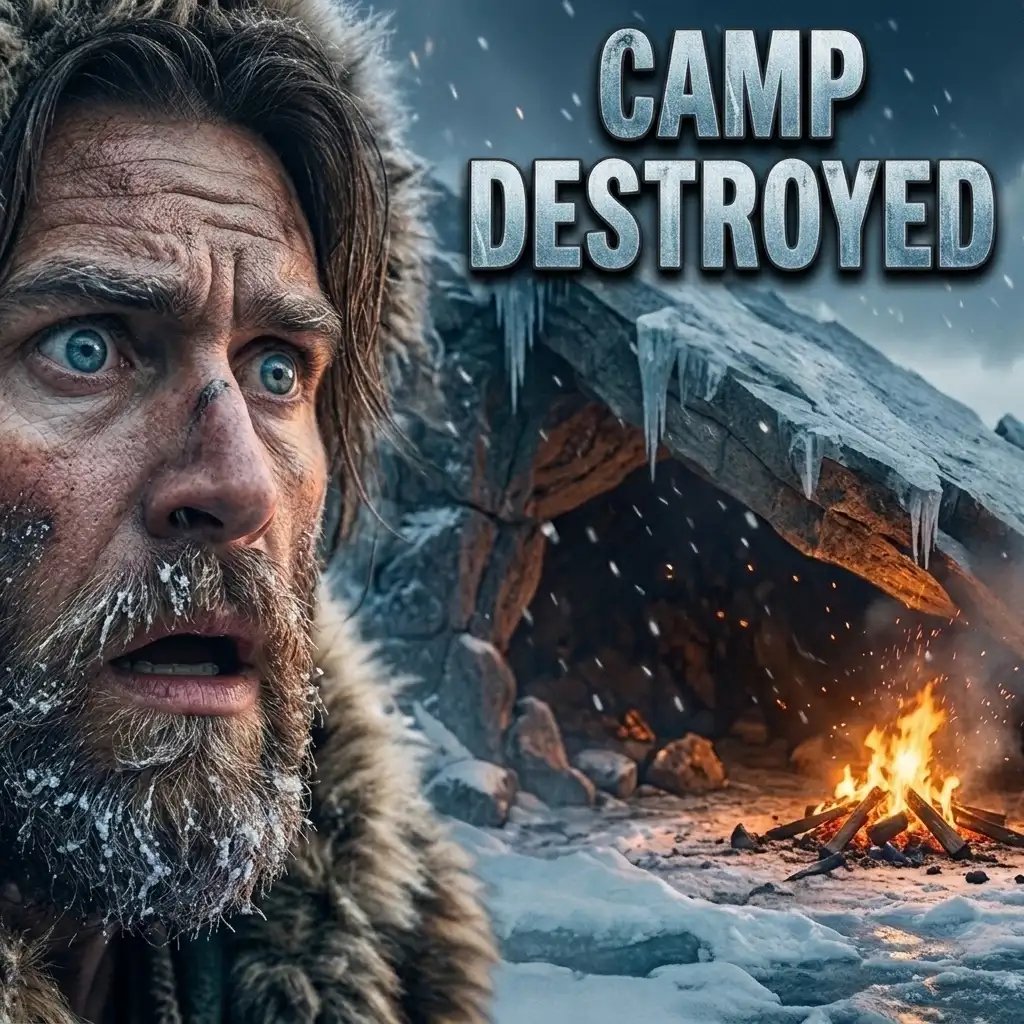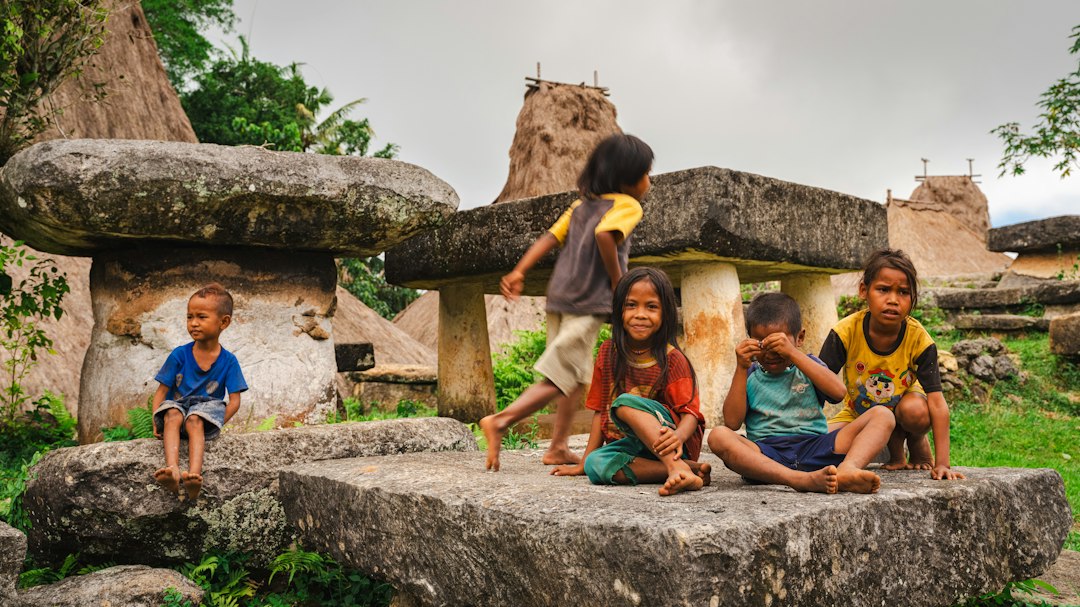
The flickering firelight cast dancing shadows across the rough-hewn cave walls, illuminating the faces of a family huddled together against the encroaching chill of the Stone Age night. Their survival was a daily, hourly, minute-by-minute struggle, a testament to ingenuity and a profound understanding of the natural world. While the grand narratives of Stone Age life often focus on mammoth hunts and the discovery of fire, the bedrock of their existence lay in the intricate strategies employed by families to endure, to thrive, and to pass on their hard-won knowledge. These prehistoric families were not simply reacting to their environment; they were actively shaping their lives through a complex web of social structures, resource management, and pedagogical practices that allowed humanity to take root and flourish.
The Foundation of Hearth and Kin
The immediate family unit, often extended to include close relatives, formed the cornerstone of Stone Age survival. This wasn’t merely a matter of emotional connection; it was a highly efficient division of labor and a robust safety net. Within the shelter of caves, rock overhangs, or rudimentary dwellings, tasks were allocated based on age, physical capability, and learned skills. The elders, repository of generations of accumulated wisdom, played a crucial role in teaching, guiding, and making critical decisions, especially concerning resource allocation and identifying potential dangers. Their experience with weather patterns, animal behavior, and the medicinal properties of plants was invaluable. The able-bodied adults, both male and female, were responsible for the more physically demanding aspects of survival. Hunting expeditions, while often undertaken by groups of men, relied on the collective efforts of the entire community for preparation, processing of kills, and protection of the camp.
Roles and Responsibilities in the Clan
The differentiation of roles was paramount. Men, generally stronger and more agile, were often tasked with the more perilous expeditions – the pursuit of large game that provided essential protein and hides for clothing and shelter. However, this was not an exclusive domain. Evidence suggests that women also participated in hunting, particularly smaller game or the scavenging of carcasses, and were likely adept at trapping and fishing. Their responsibilities also extended to the vital tasks of gathering edible plants, roots, berries, and nuts, a significant portion of the prehistoric diet. This foraging required an intimate knowledge of the local flora, understanding what was nutritious, what was poisonous, and the seasonal availability of each.
The Unseen Labor of Women
Beyond gathering, women were the primary caretakers of the young. The long period of human infancy and childhood necessitated constant vigilance, nurturing, and protection from predators and the elements. This maternal role was far from passive; it was a critical component of the family’s long-term survival. The transmission of essential skills from mother to child, particularly in areas like identifying edible plants, preparing food, and rudimentary toolmaking, began in these formative years. Furthermore, women likely played a significant role in processing animal hides, transforming them into usable materials for clothing, bedding, and shelter, and in preparing food through cooking and preservation techniques. Their contributions, though less frequently highlighted in archaeological records focused on weaponry, were foundational to the daily functioning and sustenance of the family.
In exploring the fascinating world of prehistoric family survival strategies, one can draw intriguing parallels to modern societal shifts, such as those discussed in the article about Mexico potentially replacing China as a manufacturing hub. This transition reflects adaptive strategies in response to changing environments, much like how Stone Age families developed innovative techniques for survival amidst the challenges of their time. For a deeper understanding of these contemporary economic shifts, you can read more in the article here: Mexico Replacing China as Manufacturing Hub.
Mastering the Environment: Resource Acquisition and Management
The Stone Age was a world of intimate dependence on the natural environment. Prehistoric families were not passive recipients of nature’s bounty; they were active participants, employing sophisticated strategies to acquire and manage resources. This required a deep ecological understanding, a keen observational sense, and the development of tools that amplified their capabilities. The success of a family often hinged on their ability to predict environmental shifts, exploit temporary opportunities, and conserve scarce resources.
The Art of the Hunt: More Than Just Brute Force
The iconic image of the Stone Age hunter, spear in hand, facing down a formidable beast, is only a fraction of the story. Hunting was a complex endeavor, demanding planning, cooperation, and a nuanced understanding of animal behavior. Large game, such as mammoths, bison, and deer, provided a substantial food source, but their pursuit was fraught with danger. Families would often employ cooperative hunting techniques, using coordinated movements, noise, and strategic terrain to corner and incapacitate their prey. Traps, carefully constructed from natural materials, were also a crucial element, allowing for the capture of smaller game with less risk. The processing of a kill was equally important. Every part of the animal was utilized – meat for sustenance, bones for tools and ornaments, hides for clothing and shelter, and sinews for cordage. This meticulous utilization ensured that no valuable resource was wasted.
Foraging: The Quiet Expertise of the Gatherer
While hunting captured the imagination, foraging was the consistent, daily source of nourishment for most Stone Age families. This was not simply random picking; it was a learned and practiced skill, passed down through generations. Gatherers possessed an encyclopedic knowledge of their territory, knowing which plants were edible at different times of the year, where to find them, and how to prepare them to maximize their nutritional value and minimize any toxicity. They understood the subtle signs of ripeness, the difference between a nourishing root and a bitter, unpalatable one, and the seasonal cycles that dictated the availability of fruits, berries, nuts, and seeds. This knowledge was vital, especially during lean periods when hunting yields were low. The ability to identify medicinal plants also fell under this umbrella, providing rudimentary healthcare and pain relief.
Sheltering from the Storm: Dwelling and Protection

The need for shelter was as fundamental as the need for food. Prehistoric families required protection from the harsh elements – biting winds, torrential rains, scorching sun, and the omnipresent threat of predators. Their dwelling strategies evolved over millennia, adapting to available resources and environmental conditions, showcasing a remarkable capacity for innovation and adaptation.
Cave Dwellings and Natural Fortresses
For many Stone Age groups, natural shelters like caves and rock overhangs provided an immediate and effective solution. These offered protection from the elements and a degree of security from predators. However, even these natural fortresses required adaptation. Families would often enhance cave entrances with stone walls or thorny branches to deter animals. The interior of the cave would be organized for living, with designated areas for sleeping, cooking, and toolmaking. The strategic placement of these dwellings, often overlooking hunting grounds or water sources, was also a key survival consideration.
Constructing Temporary and Permanent Homes
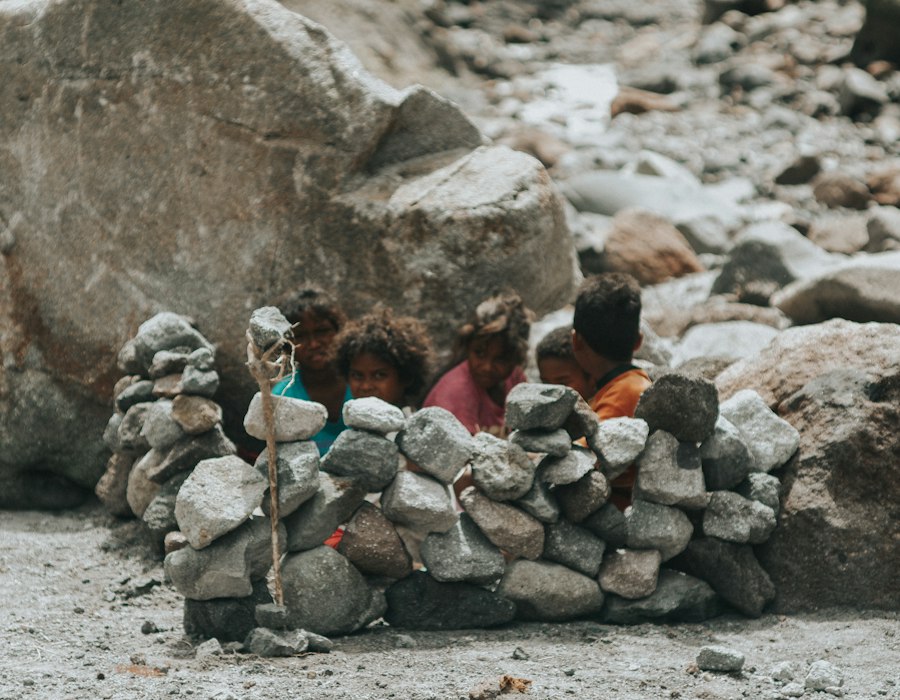
Beyond caves, families developed skills in constructing their own shelters. In areas with abundant wood, they would build rudimentary huts using branches, animal hides, and thatch. These could be simple lean-tos or more complex circular structures. In regions where stone was readily available, they might construct more permanent dwellings using carefully stacked rocks. The choice of materials and construction techniques was dictated by local availability and the need for durability against the prevailing weather. The ability to build and maintain shelter was a crucial skill, ensuring the well-being and longevity of the family unit.
Transmitting Wisdom: The Education of the Young
The survival of a Stone Age family was inextricably linked to the successful transmission of knowledge and skills to the next generation. This was not a formal schooling system, but rather a continuous, hands-on process deeply embedded in daily life. The elders and experienced adults served as educators, imparting the vital lessons needed to navigate a challenging world.
Learning by Doing: The Core of Prehistoric Pedagogy
The primary method of education was experiential learning. Children learned by observing their elders and by actively participating in the tasks of daily life. A young boy would accompany his father or other hunters, learning to track animals, identify footprints, and understand the nuances of hunting strategies. Girls would learn from their mothers and other women, assisting with gathering, food preparation, tool making, and the care of younger siblings. This immersive approach ensured that skills were not just memorized but deeply ingrained through practice and repetition. The mistakes made by the young were seen as learning opportunities, with guidance provided to correct errors and refine techniques.
The Oral Tradition: Stories and Survival
Beyond practical skills, the transmission of cultural knowledge, ethical values, and historical narratives was crucial. This was achieved through the oral tradition – stories, songs, and rituals passed down from one generation to the next. These narratives likely recounted tales of successful hunts, the exploits of ancestors, explanations for natural phenomena, and cautionary tales about dangers to avoid. They served to reinforce social bonds, instill a sense of identity and belonging, and provide a framework for understanding the world. The elders, as keepers of this collective memory, played a vital role in shaping the worldview of the young, ensuring the continuity of their cultural heritage and the survival of their way of life.
In exploring the intricate dynamics of prehistoric family survival strategies, one can draw fascinating parallels to modern challenges, such as those discussed in a recent article about economic pressures and their potential impacts on asset ownership. Understanding how Stone Age communities adapted to their environments can provide valuable insights into resilience and resource management today. For a deeper look into how contemporary issues might echo the survival instincts of our ancestors, you can read more in this insightful piece on asset seizure and inflation.
Social Bonds and Collective Security
| Strategy | Description | Purpose | Example |
|---|---|---|---|
| Group Hunting | Cooperative hunting of large animals using coordinated tactics | Increase food acquisition efficiency and safety | Hunting mammoths with spears and traps |
| Fire Use | Control and use of fire for cooking, warmth, and protection | Improve food digestibility, deter predators, and survive cold climates | Cooking meat over open flames |
| Tool Making | Creation of stone, bone, and wood tools for hunting and processing | Enhance hunting success and food preparation | Flint arrowheads and hand axes |
| Seasonal Migration | Moving to different locations based on seasonal resource availability | Ensure steady food supply and avoid resource depletion | Following animal herds during migration |
| Food Storage | Preserving surplus food for future use | Reduce risk of starvation during scarce periods | Drying meat and storing nuts |
| Child Rearing Cooperation | Shared responsibilities in caring for and teaching children | Increase survival rates of offspring and knowledge transmission | Alloparenting within the tribe |
| Shelter Construction | Building temporary or semi-permanent shelters from natural materials | Protection from weather and predators | Huts made from wood, bones, and animal hides |
While the family unit was the primary sphere of influence, Stone Age families did not exist in isolation. They were part of larger kin groups and often interacted with neighboring bands, forming alliances and engaging in trade. These social networks provided crucial benefits, enhancing security and expanding access to resources.
Inter-Family Cooperation and Mutual Aid
The formation of larger kin groups or clans offered significant advantages. In times of scarcity or danger, these groups could pool their resources and labor to overcome challenges that would be insurmountable for a single family. Cooperative hunting expeditions involving multiple families, the sharing of food during lean periods, and mutual defense against threats were common practices. These alliances fostered a sense of collective responsibility and ensured that no member of the extended family was left to fend for themselves entirely.
The Role of Ritual and Shared Identity
Rituals and ceremonies played a vital role in strengthening social bonds and fostering a shared identity among Stone Age families and their kin groups. These could involve communal feasting, dancing, storytelling, and the creation of art and adornments. These shared experiences reinforced social cohesion, celebrated important life events, and provided a framework for understanding their place in the cosmos. The development of common symbols, beliefs, and practices helped to create a sense of unity and belonging, which was essential for collective security and the long-term survival of their communities. The shared understanding of the world, fostered through these social and ritualistic practices, provided a powerful foundation for enduring through the millennia.