The Silent Watchers: Navigating the Winter Landscape
As the biting winds swept across the vast, snow-laden plains and through the skeletal branches of the ancient forests, the Paleolithic hunter faced a formidable adversary: winter. The abundance of warmer months, with its readily available fruits, berries, and more easily found game, receded into memory. Survival now hinged on a profound understanding of the natural world, honed over millennia, and a mastery of specific tracking techniques designed to coax sustenance from a seemingly barren landscape. The hunter, clad in furs and driven by an ancestral imperative, became a silent watcher, a keen observer whose every sense was attuned to the subtle whispers of the frozen earth. This was not merely about finding food; it was a complex dance with the environment, a testament to human adaptability and ingenuity in the face of extreme adversity.
The challenges of winter hunting were manifold. Snow, while a blanket of beauty, was also a formidable obscurer of tracks. The cold sapped energy, demanding constant vigilance and efficient movement. Prey animals, in turn, adapted their behavior, becoming more wary, seeking shelter, and altering their feeding patterns. Yet, the Paleolithic hunter, armed with intimate knowledge passed down through generations and an unparalleled ability to read the environment, possessed the tools to overcome these obstacles. Their survival was a direct result of their ability to anticipate, to interpret, and to act with precision in a world that offered few second chances.
Paleolithic hunters developed sophisticated techniques to track game during the harsh winter months, relying on their deep understanding of animal behavior and environmental cues. For a fascinating exploration of how ancient peoples adapted to extreme conditions, you can read about the survival strategies employed in different climates in the article “Uncovering the Secret History of Antarctica” found at this link. This resource provides insights into how early humans navigated and thrived in some of the most challenging environments on Earth.
Echoes in the Snow: Deciphering the Frozen Narrative
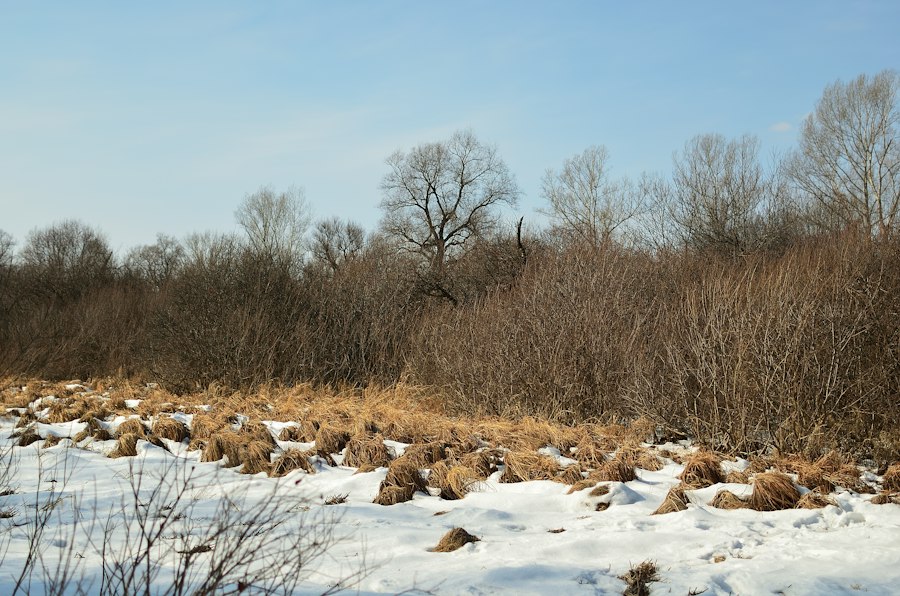
The hallmark of successful winter tracking lay in the ability to read the subtle narratives etched into the snow. Unlike the soft earth of other seasons, snow offered a unique medium, capable of preserving impressions with remarkable clarity, yet also prone to rapid alteration by wind and temperature fluctuations. For the Paleolithic hunter, each drift, each flake, held potential information. The ability to distinguish between recent and old signs, to infer direction of travel, and to understand the motivations of the prey based on the nature of the tracks was paramount.
Reading the Footfall: Depth, Shape, and Stance
The most fundamental element of snow tracking was the footprint itself. The depth of a track could reveal the weight of the animal, offering clues about its species and even its condition. A deep, well-defined impression suggested a heavier animal, perhaps a mature stag, while a shallower, more spread-out print might indicate a younger or lighter creature. The shape of the track was equally telling. The distinct splay of a deer’s cloven hoof, the rounded pad marks of a bear, or the elongated prints of a wolf all served as immediate identifiers.
The stance of the animal also provided crucial insights. Were the prints placed with a steady, measured gait, suggesting a leisurely browse? Or were they hurried, elongated, and with signs of slipping, indicating flight or alarm? A series of tightly clustered prints might signal a resting spot, while widely spaced prints could denote a rapid movement or a jump. The Paleolithic hunter would meticulously examine these details, piecing together the animal’s recent activity.
The Art of the Trail: Continuity and Interruption
The continuity of a trail was a vital clue. In fresh snow, unbroken lines of prints offered a clear path. However, wind could sculpt these lines, creating drifts that masked or distorted the original impressions. Hunters learned to anticipate this, looking for subtle disruptions in the snow surface that suggested underlying tracks. They understood that wind often created characteristic patterns, piling snow on the leeward side of obstacles and creating “scours” on the windward side, which could reveal hidden tracks.
The interruption of a trail was often more informative than its continuity. A sudden cessation of tracks could mean the animal had taken to water, climbed a rocky outcrop, or, most significantly, had taken flight. Observing the surrounding snow for signs of disturbed flakes, displaced snow, or a sudden shift in the gait of the remaining prints would help the hunter determine the reason for the interruption. A sharp break in a track followed by disturbed snow indicated a sudden turn or a leap, often a sign of alarm.
Beyond the Print: Scuff Marks, Droppings, and Disturbed Vegetation
The skilled hunter’s gaze extended far beyond the individual footprint. The subtle scuff marks left by hooves as an animal turned sharply, the drag of a tail, or the disturbed snow around a tree where a deer had rubbed its antlers all provided supplementary evidence. Animal droppings, or “scat,” were also invaluable. Their size, shape, and contents could confirm the species, indicate recent diet, and even reveal the animal’s health. In winter, scat often froze, preserving its form and making it easier to identify.
Furthermore, hunters would meticulously examine any signs of disturbance to vegetation. Browsed twigs, stripped bark from trees, or even compacted snow where an animal had bedded down all contributed to the narrative. A patch of snow where an animal had scraped away to reach frozen grasses or roots spoke of immediate needs and foraging behavior. These seemingly insignificant details, when woven together, painted a vivid picture of the animal’s presence, its intentions, and its likely future movements.
The Predator’s Patience: Understanding Animal Behavior in Winter
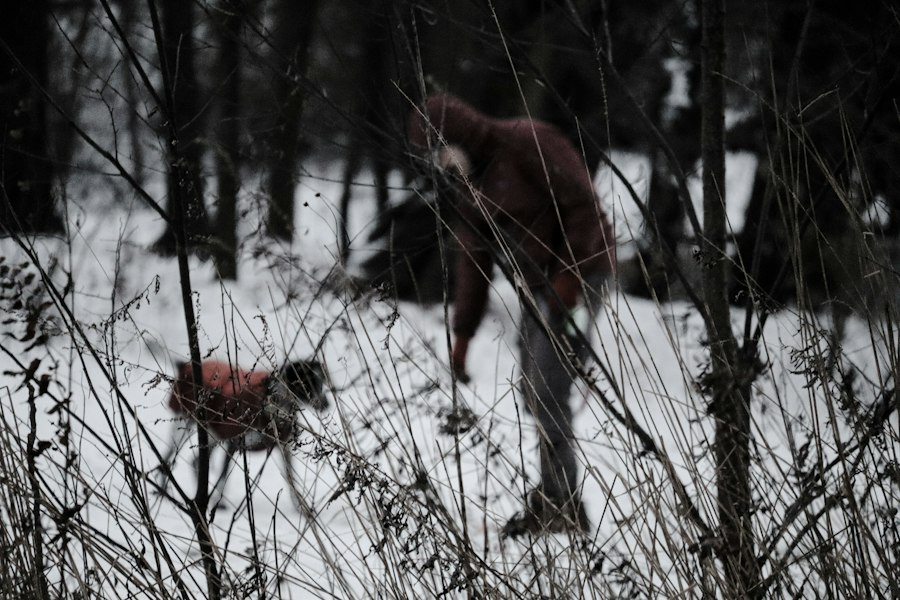
Winter brought about significant shifts in the behavior of game animals. Their survival strategies revolved around conserving energy, finding adequate food sources despite the snow cover, and avoiding predation. The Paleolithic hunter, to be successful, had to become an expert in these adaptations, understanding not just where the animals were, but why they were there and how they were behaving.
Seeking Shelter: Dens, Sheltered Valleys, and Forest Cover
As temperatures plummeted, animals instinctively sought shelter from the elements. Large herbivores, like deer and elk, would often gravitate towards sheltered valleys or areas with dense forest cover that offered protection from the wind. They would also seek out slopes where the snow was thinner, allowing them access to foraging grounds beneath the snow. Hunters learned to predict these locations, knowing that areas with natural windbreaks and less accumulated snow would be prime resting and feeding spots.
Predators, such as wolves and bears, also altered their hunting strategies. Wolves, with their pack mentality, would often follow established routes through the snow, seeking out areas where prey was likely to be found. Bears, if they hadn’t yet entered hibernation, would be exceptionally hungry and desperate, making their tracks more predictable as they searched for any available sustenance. The hunter’s knowledge of these habits allowed them to anticipate the movements of both prey and predator.
The Scarcity of Sustenance: Foraging Patterns and Food Caches
Winter presented a severe challenge in terms of food availability. Plants were dormant, and insects were largely absent. Prey animals were forced to adapt their foraging patterns. Grazers would paw at the snow to expose dried grasses or roots, while browsers would strip bark and twigs from trees. Hunters observed these patterns closely, understanding that areas with exposed vegetation or accessible bark would attract hungry animals.
The presence of food caches, either by squirrels or other small mammals, could also draw the attention of larger predators, and thus hunters. The keen observer would notice signs of disturbed earth or digging activity, indicating that food was being sought or had been buried. This knowledge could lead the hunter to areas where multiple species might converge, increasing the chances of a successful hunt.
The Vigilance of the Hunted: Sensory Adaptations and Evasion Tactics
In winter, with reduced vegetation cover, prey animals often became even more vigilant. Their senses of hearing and smell were amplified, allowing them to detect approaching threats from a greater distance. Hunters learned to minimize their own sensory impact, moving silently, using the wind to their advantage to mask their scent, and employing camouflage to blend with the snow-laden landscape.
Evasion tactics also changed. In deep snow, large animals could often outmaneuver smaller predators by breaking through crusts or using their weight to their advantage. Hunters had to anticipate these movements, understanding that a startled deer might bolt in a specific direction, or that a cornered animal would fight fiercely. This knowledge informed their stalking strategies, their positioning, and their ultimate approach to the kill.
The Hunter’s Toolkit: Implements and Instinct
The Paleolithic hunter’s success in winter was not solely reliant on tracking skills; it was also dependent on a carefully honed set of tools and an innate understanding of how to use them most effectively in the cold. These implements, crafted from stone, bone, and wood, were extensions of the hunter’s own being, designed for efficiency and lethality.
Spear, Atlatl, and Arrow: Projectile Weapons for the Cold
The primary offensive weapons of the Paleolithic hunter were projectile-based, allowing for the engagement of prey from a safe distance, a critical advantage in winter when close encounters could be dangerous. The spear, a long shaft tipped with a sharpened stone point, was a versatile tool, used for both thrusting and throwing. In winter, with snow often muffling sound, a well-aimed spear could be devastating.
The atlatl, or spear-thrower, was a significant technological advancement that significantly increased the velocity and range of spears. This sophisticated device, essentially an extension of the arm, allowed hunters to launch projectiles with greater force and accuracy, crucial for bringing down larger game at a distance.
The bow and arrow, while perhaps emerging later in the Paleolithic, represented another leap in hunting technology. The ability to deliver multiple projectiles quickly and accurately, coupled with the advantage of range, made the bow and arrow an exceptionally effective tool for winter hunting, allowing for the dispatch of wary animals before they could escape or retaliate.
Stone Tools: Knives, Scrapers, and the Art of Butchery
Once prey was successfully brought down, a different set of tools became essential. Finely crafted stone knives, with their razor-sharp edges, were indispensable for skinning, butchering, and preparing the carcass. The hunter’s ability to quickly and efficiently process an animal was vital, especially in the cold, where spoilage could occur rapidly, and every scrap of meat, hide, and bone was valuable.
Scrapers, often made from flint or chert, were used for cleaning hides, preparing them for tanning and eventual use as clothing or shelter. The precise shaping and sharpening of these tools were a testament to the Paleolithic artisan’s skill, ensuring that the hunter had the means to extract the maximum benefit from every kill.
The Power of Observation: A Keen Eye and a Sharp Mind
Beyond the physical tools, the most powerful weapon in the Paleolithic hunter’s arsenal was their own mind, coupled with an almost supernatural ability to observe and interpret. This was not just about seeing; it was about understanding. The hunter’s mind was a repository of accumulated knowledge, constantly processing information from the environment.
They understood the subtle signs of fatigue in a tracked animal, the specific routes of migration, the times of day when certain prey was most active. Their patience was legendary, their ability to wait for the opportune moment, to hold their position for hours, even days, was born of a deep respect for the hunt and an understanding that success often came to those who persevered. This mental fortitude, combined with their physical prowess and their array of tools, made the Paleolithic hunter a truly formidable force in the winter wilderness.
Paleolithic hunters faced unique challenges when tracking game during the harsh winter months, relying on their keen observational skills and deep understanding of animal behavior. They would often follow tracks in the snow, noting subtle signs of movement and feeding patterns. For a fascinating exploration of how ancient practices continue to influence our understanding of survival, you can read about it in this captivating documentary on lost power and its implications for modern life. Discover more about this intriguing connection by visiting this article.
The Cycle of Life and Death: Sustaining the Tribe Through Winter’s Grasp
| Tracking Method | Description | Effectiveness in Winter | Tools Used | Challenges |
|---|---|---|---|---|
| Footprint Analysis | Following animal tracks in snow to locate game | High – snow preserves tracks well | Sharp eyes, knowledge of animal gait | Tracks can be covered by fresh snowfall or wind |
| Scat and Droppings | Identifying animal presence and recent activity through droppings | Moderate – droppings visible on snow or ground | Knowledge of species-specific scat | Droppings can freeze or be covered by snow |
| Listening for Sounds | Detecting animal calls or movement in the quiet winter environment | Moderate – sound travels well in cold air | Acute hearing, patience | Wind and snow can mask sounds |
| Observation of Feeding Sites | Locating areas where animals feed on bark or twigs | High – feeding signs remain visible in winter | Knowledge of animal diet and behavior | Snow cover can obscure feeding signs |
| Use of Scent | Detecting animal scent trails in cold air | Low – cold air reduces scent dispersion | Highly sensitive sense of smell | Cold and snow reduce scent availability |
The success of Paleolithic hunters in winter was not solely an individual triumph; it was a critical factor in the survival of the entire tribe or clan. The meat, hides, and bones acquired during these arduous hunts provided the essential resources needed to endure the leanest months of the year, ensuring the continuation of their lineage.
Nourishing the Community: Meat, Marrow, and Vital Nutrients
The primary objective of winter hunting was to secure a reliable source of protein and fat, the vital nutrients needed to sustain the human body in the harsh cold. Large game provided not only considerable amounts of meat but also nutrient-rich marrow from bones, which was a highly calorific and essential food source. Every part of the animal was utilized, from the muscle tissue to the organs, ensuring that no potential nourishment was wasted.
The act of butchering and distributing the kill was a communal affair. Knowledge of the animal’s anatomy, acquired through countless hunts and observations, allowed for the efficient extraction of edible portions. The sharing of these resources reinforced social bonds and ensured that even the weakest members of the community had a chance to survive.
Beyond Sustenance: Hides for Warmth and Tools, Bones for Utility
The importance of winter hunting extended far beyond immediate nutritional needs. The thick hides of animals like mammoths, woolly rhinoceroses, and large deer provided the raw material for the creation of warm clothing, essential for protection against the extreme cold. These hides were painstakingly processed using stone scrapers, made supple through tanning with animal fats, and then fashioned into garments, footwear, and shelters.
Bones and antlers were equally valuable. They were fashioned into tools such as awls, needles for sewing hides, and spear points. Marrow bones, when cracked open, yielded fat that could be used for lighting fires or for culinary purposes. Even discarded sinew could be used as strong cordage. The Paleolithic hunter understood that the entirety of the animal was a gift, a resource to be meticulously exploited for the benefit of the community.
The Wisdom of Conservation: Ensuring Future Hunts
While the immediate need for sustenance was paramount, the more advanced Paleolithic hunter understood the importance of conservation. Unnecessary waste, overhunting of certain species, or the reckless pursuit of prey that could not be effectively brought down would have had long-term consequences. Their intimate knowledge of animal populations and their reproductive cycles would have guided their hunting practices, ensuring that future generations would have access to the same resources.
The cycle of life and death was intrinsically linked. The hunter’s skill in securing sustenance directly translated into the survival and flourishing of their people. The winter hunt was a testament to their resilience, their intelligence, and their profound connection to the natural world, a stark reminder that even in the face of extreme hardship, human ingenuity and adaptation could prevail.
Paleolithic hunters developed remarkable strategies to track game during the harsh winter months, utilizing their deep understanding of animal behavior and environmental cues. They would often follow the trails left in the snow, observing patterns that indicated the movement of herds. This skillful tracking was crucial for survival, as it allowed them to locate food sources in a time when resources were scarce. For a deeper exploration of how geographic factors influenced these ancient practices, you can read more in this insightful article on the influence of geographic determinism here.
The Enduring Legacy: Lessons from the Ice Age Hunter
The Paleolithic hunter, battling the unforgiving elements of winter, represents a profound chapter in the human story. Their mastery of tracking, their understanding of animal behavior, and their ingenious use of tools offer invaluable insights into the resilience and adaptability of our ancestors. Though the specific prey and landscapes may have changed, the fundamental principles of observation, patience, and resourcefulness remain timeless.
A Masterclass in Environmental Literacy
The Paleolithic hunter’s survival was a direct result of their deep environmental literacy. They possessed an encyclopedic knowledge of flora and fauna, understanding seasonal changes, weather patterns, and the intricate web of life that sustained them. This was not learned from books, but from a lifetime of immersion in the natural world, observing, experimenting, and learning from the successes and failures of generations. This intimate connection with the environment serves as a powerful reminder of the importance of understanding and respecting the natural systems upon which all life depends.
The Power of Adaptability and Ingenuity
The Paleolithic hunter’s ability to thrive in challenging conditions is a testament to human adaptability and ingenuity. Faced with scarcity and danger, they developed sophisticated techniques and crafted effective tools from the limited resources available. Their innovations, from the atlatl to the finely chipped stone points, were not mere conveniences, but vital survival mechanisms that allowed them to overcome formidable obstacles. This inherent capacity for innovation and adaptation is a cornerstone of human progress and continues to be essential in navigating the challenges of our own time.
A Foundation for Human Civilization
The skills and knowledge developed by Paleolithic hunters laid the groundwork for the development of human civilization. The ability to secure reliable food sources, to create shelter and clothing, and to organize communal efforts were fundamental steps towards settled life and the eventual emergence of agriculture and complex societies. Their legacy is woven into the very fabric of our existence, a constant reminder of the deep roots of human resilience and the enduring spirit of survival that has carried us through millennia of change. The silent watchers of the ice age, in their relentless pursuit of sustenance, carved a path for humanity, a path illuminated by their hard-won wisdom and their indomitable will to endure.