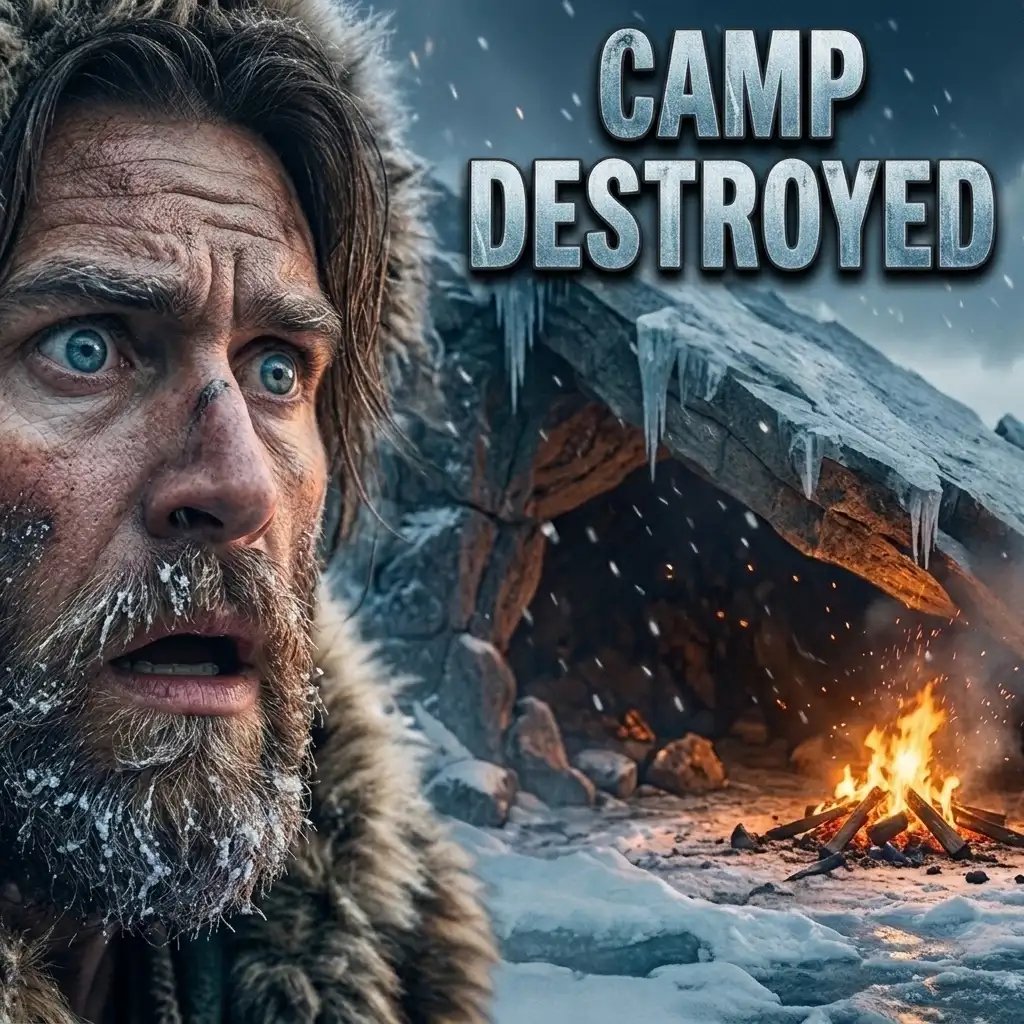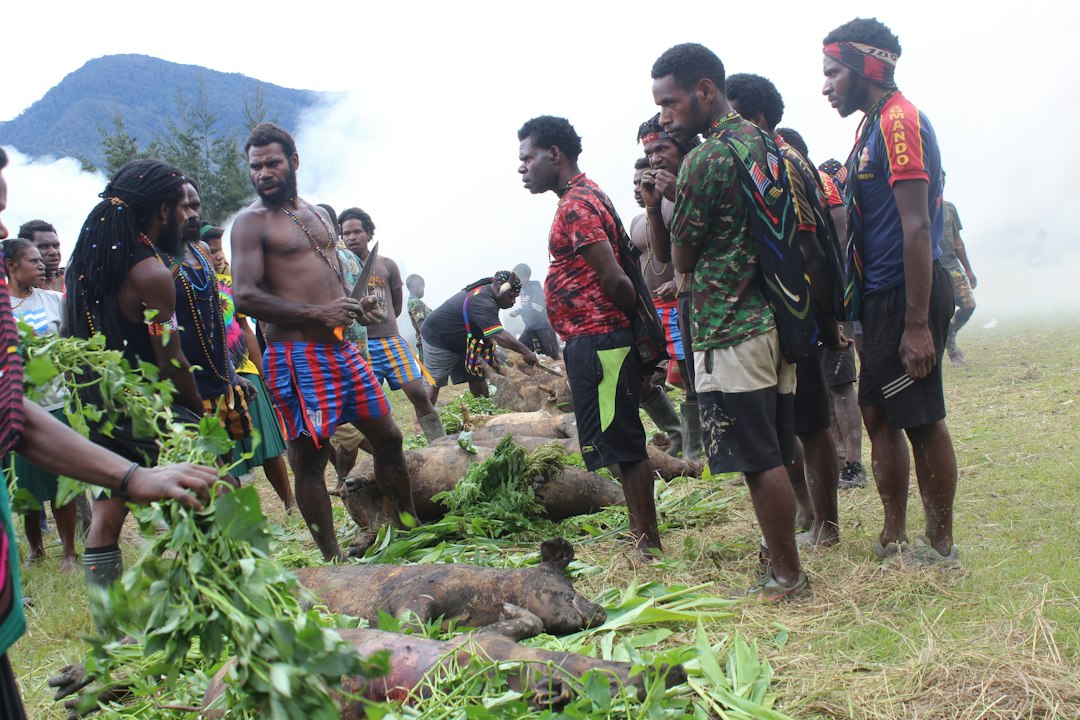
The flickering fire cast dancing shadows on the rough cave walls, illuminating the faces of a small family huddled together. A mother, her hands calloused from gathering roots and berries, gently stroked the head of her young son. The father, his gaze sharp and watchful, meticulously chipped away at a piece of flint, shaping it into a more effective tool. This scene, played out countless times across vast prehistoric landscapes, encapsulates the fundamental realities of early human existence: survival, family, and the constant, critical choices that determined whether a day would end in sustenance or peril. The lives of these early human families, often depicted as solitary hunters or nomadic bands, were intricately woven with the survival of their immediate kin. Their world was a harsh and unpredictable canvas, painted with the vibrant hues of nature’s bounty and the stark shadows of its dangers. Every decision, from the smallest foraging excursion to the monumental decision of where to settle, was a gamble, a calculated risk taken with the survival of their offspring as the ultimate stakes.
The Fabric of Kinship: Bonds Forged in Necessity
The concept of “family” in prehistoric times was not a mere social construct but a vital survival mechanism. The extended family, or clan, provided a crucial network of support, shared labor, and collective defense against predators and the elements. These were not abstract relationships but deeply ingrained bonds forged through shared experiences, mutual reliance, and the primal instinct to protect one’s own. The physical demands of prehistoric life meant that individuals could not survive alone. Cooperation was not a choice; it was an imperative. Within this familial unit, roles were often clearly defined, though perhaps not rigidly so, based on physical capabilities and societal needs. While the primary caregiver role often fell to the mother, and the hunter-gatherer and protector roles to the father, these were fluid and adaptable depending on the circumstances. For instance, during times of scarcity, women might engage in more dangerous hunting expeditions, and men would undoubtedly participate in childcare and food preparation. The strength and resilience of these family units were directly proportional to their ability to overcome the myriad challenges of their environment.
The Unseen Labor of Hearth and Home
While the dramatic narratives of hunting mammoth and escaping sabre-toothed cats often dominate our perception of prehistoric life, the daily, often arduous, labor of maintaining the family unit was equally, if not more, critical. The Hearth, literally and figuratively, was the center of prehistoric family life. Preparing the shelter, ensuring a constant supply of firewood, tending to the fire itself – these were tasks that occupied significant portions of daily life. The women, in particular, bore a substantial burden of this unseen labor. Gathering edible plants, foraging for medicinal herbs, processing hides for clothing and shelter, and preparing food all required extensive knowledge and considerable effort. Their understanding of the local flora and fauna was a priceless resource, passed down through generations, dictating what was safe to eat, what could heal, and what could harm. This domestic sphere, though less visually dramatic than a hunt, was the bedrock upon which the family’s survival rested. Without it, the successful hunter would still face the threat of starvation or illness.
The Passing of Wisdom: Education Through Observation
Formal education as we understand it did not exist in prehistoric times. Instead, learning was an immersive, experiential process, primarily taking place within the family unit. Children learned by observing, imitating, and participating under the watchful eyes of their elders. The father would guide his sons in the art of tracking, the use of tools, and the subtle cues of the natural world. The mother would teach her daughters about the intricacies of plant identification, the preparation of food, and the care of the young. This intergenerational transfer of knowledge was not merely about acquiring skills; it was about instilling a deep understanding of the environment, its rhythms, and its dangers. Survival depended on this accumulated wisdom, on the ability to recognize a poisonous berry from an edible one, to distinguish the tracks of a dangerous predator from those of a docile herbivore, and to understand the seasonal patterns of migration and resource availability. The family served as the primary academy, its lessons etched into the very fabric of daily life.
Prehistoric survival choices played a crucial role in the development of early human families, influencing their social structures, resource management, and migration patterns. Understanding these choices can provide valuable insights into how our ancestors adapted to their environments. A related article that explores the discoveries made by archaeologists in an ancient city, which sheds light on the living conditions and survival strategies of early humans, can be found here: Archaeologists Uncover Sealed Chamber in Ancient City. This piece highlights the significance of archaeological findings in unraveling the complexities of prehistoric life.
Navigating the Perils: Daily Choices for Survival
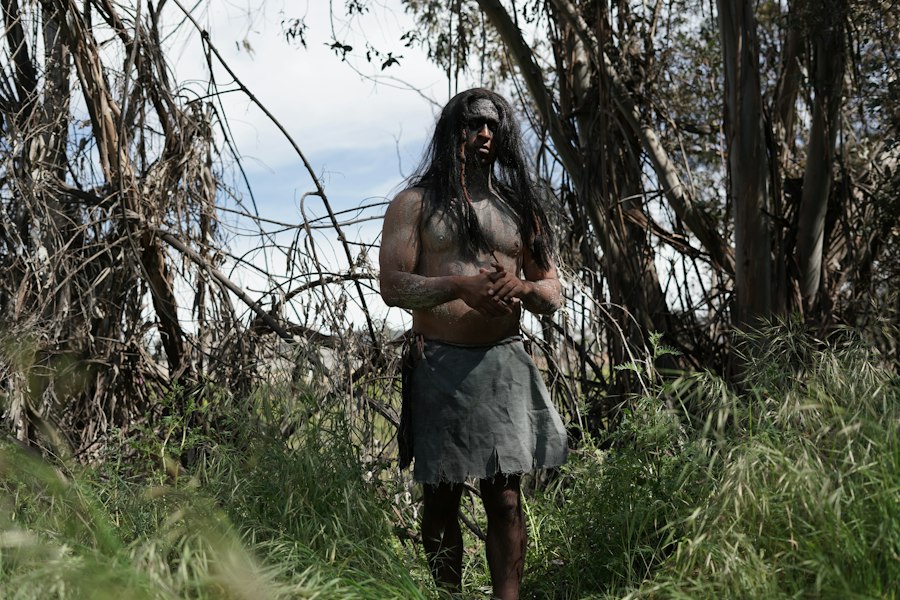
Life for early human families was a perpetual tightrope walk between sustenance and peril. Every sunrise brought a fresh set of challenges, demanding constant vigilance and astute decision-making. The environment itself was a formidable adversary, presenting a constant array of threats, from unpredictable weather patterns to the ever-present danger of predation. The family unit, through its collective intelligence and shared responsibilities, was the primary buffer against these dangers.
The Scramble for Sustenance: Foraging and Hunting Strategies
The procurement of food was the most immediate and pressing concern for prehistoric families. The strategies employed were diverse, adapting to the specific ecological niches and seasonal variations of their environments. Foraging for plant-based foods – roots, tubers, berries, nuts, and seeds – formed a crucial component of their diet, often providing a more consistent source of calories than hunting. This required an intimate knowledge of the local flora, including the identification of edible species and the timing of their availability. Hunting, on the other hand, was a higher-risk, higher-reward endeavor. Early humans employed a variety of hunting techniques, from opportunistic scavenging and small game trapping to the more organized pursuit of larger animals. The development of tools, such as sharpened spears, atlatls, and later, bows and arrows, significantly enhanced their hunting capabilities. The decision of when and where to hunt, what prey to target, and how to coordinate efforts were all critical choices that directly impacted the family’s ability to survive. A successful hunt could provide sustenance for days, while a failed one could lead to hunger and increased vulnerability.
The Sanctuary of Shelter: Choosing and Adapting Dwelling Places
The selection and maintenance of shelter were paramount for protection against the elements, predators, and other environmental hazards. Early human families utilized a range of natural shelters, such as caves and rock overhangs, which offered inherent protection. However, the availability of such ideal locations was limited, and often families had to adapt or construct their own. The creation of rudimentary shelters, such as lean-tos or pit houses, provided a degree of refuge from wind, rain, and cold. The choice of location for these shelters was strategic, often being near reliable water sources, abundant food resources, and defensible positions. Furthermore, the ability to adapt and improve these shelters over time, perhaps by adding more robust roofing materials or reinforcing walls, demonstrated a growing understanding of their environment and a commitment to creating a more secure and comfortable living space for the family. The constant need to find or build a safe haven was a recurring challenge that shaped the migratory patterns and daily routines of these early humans.
Early human families faced numerous challenges that shaped their survival choices, from foraging for food to developing social structures for cooperation. Understanding these prehistoric survival strategies can provide valuable insights into human behavior and adaptability. For a deeper exploration of how competition and cooperation have influenced human development, you might find this article on the dynamics of rivalry and collaboration in modern contexts interesting. Check it out here.
The Shadow of Danger: Defense Against Predators and Adversaries
Prehistoric families lived in a world teeming with predators, from formidable big cats to packs of wolves. The ability to defend themselves and their offspring was a fundamental aspect of their survival. This defense involved a combination of vigilance, group cooperation, and the use of rudimentary weaponry. Understanding predator behavior, recognizing their scent and tracks, and being aware of their hunting patterns were crucial for avoiding encounters. When confrontation was unavoidable, the family unit acted as a collective defense. Larger, stronger males would often position themselves at the front, brandishing spears or clubs, while others, including women and older children, would support from behind, perhaps throwing stones or making noise to deter the attacker. Beyond animal predators, early humans also faced threats from other human groups, although the extent and nature of these inter-group conflicts are subjects of ongoing archaeological debate. Nevertheless, the need for defense, whether against a hungry lion or a rival band, necessitated constant awareness and the development of strategies for protection.
The Weight of Decision: Key Choices That Shaped Futures
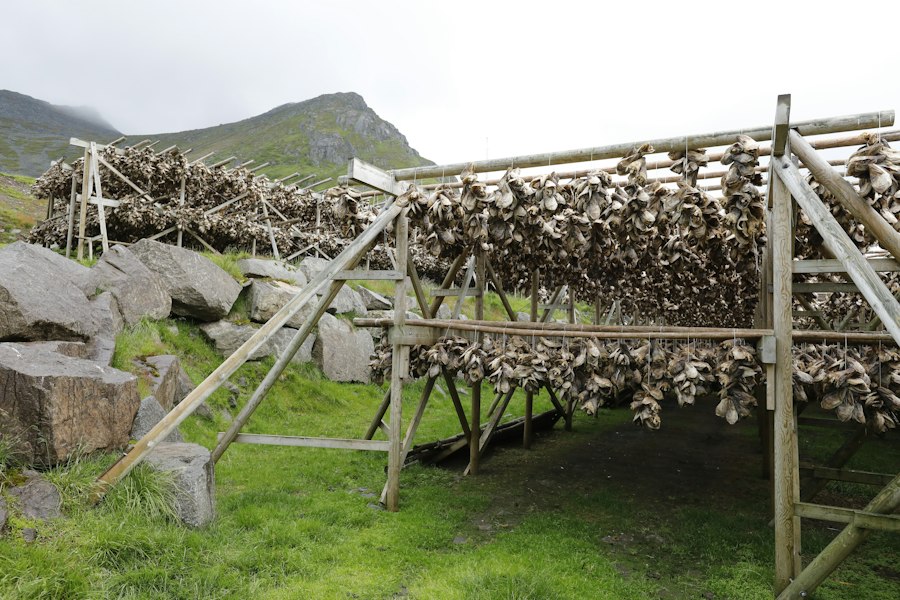
Beyond the immediate daily struggles, prehistoric families faced a series of critical, long-term decisions that profoundly shaped their trajectories. These choices were not made lightly, as they often involved significant risks and had ramifications that extended far beyond the immediate needs of the present generation. The accumulated knowledge and experience of the family unit were brought to bear on these momentous occasions, guiding them towards paths that offered the greatest chance of perpetuating their lineage.
The Call of the Unknown: Migration and Settlement Patterns
The decision to migrate, to leave behind familiar territories and venture into unknown lands, was one of the most significant choices a prehistoric family could make. Such movements were often driven by factors such as the depletion of local resources, changes in climate, or the search for more favorable environments. These migrations were fraught with peril, involving the unknown challenges of new landscapes, unfamiliar predators, and potential conflicts with other groups. Conversely, the decision to settle, to establish a more permanent home in a particular location, marked a shift towards a more stable and potentially more prosperous existence. This choice was often influenced by the presence of abundant and reliable resources, such as fertile land for agriculture (in later prehistoric periods), consistent water sources, and natural defenses. The ability to successfully adapt to new environments, whether through migration or by establishing a settled existence, was a testament to the resilience and ingenuity of early humans and their families.
The Art of the Tool: Innovation and Technology Adoption
The development and adoption of new tools and technologies were not merely incremental improvements; they represented revolutionary leaps in survival capabilities for early human families. The creation of sharper, more efficient cutting tools, the development of projectile weapons, and later, the mastery of fire, all transformed the way these families interacted with their environment and with each other. The decision to invest time and effort in creating and mastering a new tool, or to adopt a technology pioneered by another group, was a crucial investment in their future. This required not only the skill to manufacture the tool but also the understanding of its optimal use and maintenance. Families that were more innovative and adaptable, those that embraced new technologies, often found themselves with a distinct advantage, better able to procure food, defend themselves, and endure harsher conditions. This process of technological adoption was a continuous feedback loop, where each new innovation opened up new possibilities and further spurred further development.
The Delicate Balance: Resource Management and Sustainability
In many prehistoric environments, resources were not inexhaustible. The wise management of these finite resources was a critical factor in the long-term survival of a family and its descendants. This involved understanding the carrying capacity of their environment, avoiding overhunting or overharvesting, and practicing conservation techniques, even if implicitly. For example, a family might avoid hunting young animals, recognizing their future reproductive potential. They might also rotate foraging areas to allow plant populations to recover. These were not necessarily conscious environmentalist philosophies but rather practical adaptations born out of necessity. Families that depleted their local resources too quickly would find themselves forced to migrate or face starvation. Therefore, a deep understanding of ecological balance and a commitment to sustainable resource use, however intuitive, were essential for the enduring success of prehistoric families.
The Legacy of Resilience: Enduring Lessons from Our Ancestors
The lives of prehistoric human families, though separated from us by millennia, offer profound insights into the enduring nature of human resilience and the fundamental importance of family in the face of adversity. Their choices, made with the immediate imperative of survival, laid the groundwork for the future of our species. The lessons they learned through hardship and innovation continue to resonate, reminding us of our deep connection to the natural world and the foundational role of kinship in human society.
The Primal Drive: Nurturing and Protecting Offspring
At the heart of all prehistoric survival decisions lay the primal drive to nurture and protect offspring. The continuation of the lineage was the ultimate goal, and every action, every risk, was ultimately weighed against its potential impact on the survival of the next generation. This inherent drive manifested in the fierce protectiveness of parents, the collaborative efforts to feed and shelter children, and the relentless pursuit of knowledge to equip them for the challenges they would inevitably face. This dedication to progeny is a fundamental thread that connects us to our earliest ancestors, a testament to the power of the family unit as the primary vehicle for the perpetuation of life.
The Seeds of Society: Cooperation and Social Structures
The familial unit, in its various forms, was the crucible in which the earliest forms of social cooperation were forged. The shared responsibilities, the mutual reliance, and the collective decision-making within these early families laid the foundations for more complex social structures that would emerge over time. The ability to collaborate, to share resources, and to work towards common goals, all honed within the intimate confines of the family, proved to be an invaluable asset in the broader human endeavor. The lessons of cooperation learned at the hearth were eventually extended to larger groups, paving the way for the development of communities and civilizations.
Echoes in the Present: Enduring Human Strengths
The challenges faced by prehistoric families were immense, and their survival speaks volumes about the inherent strengths of humanity. Their resourcefulness, their adaptability, their capacity for innovation, and their unwavering commitment to family are qualities that have been passed down through the generations. By studying their choices and their struggles, we gain a deeper appreciation for the evolutionary journey that has shaped us and the fundamental human needs that continue to drive our existence. The prehistoric family, in its pursuit of survival, was not just an ancient phenomenon; it was a vital proving ground for the very qualities that define us as human beings, echoing in our own lives today.