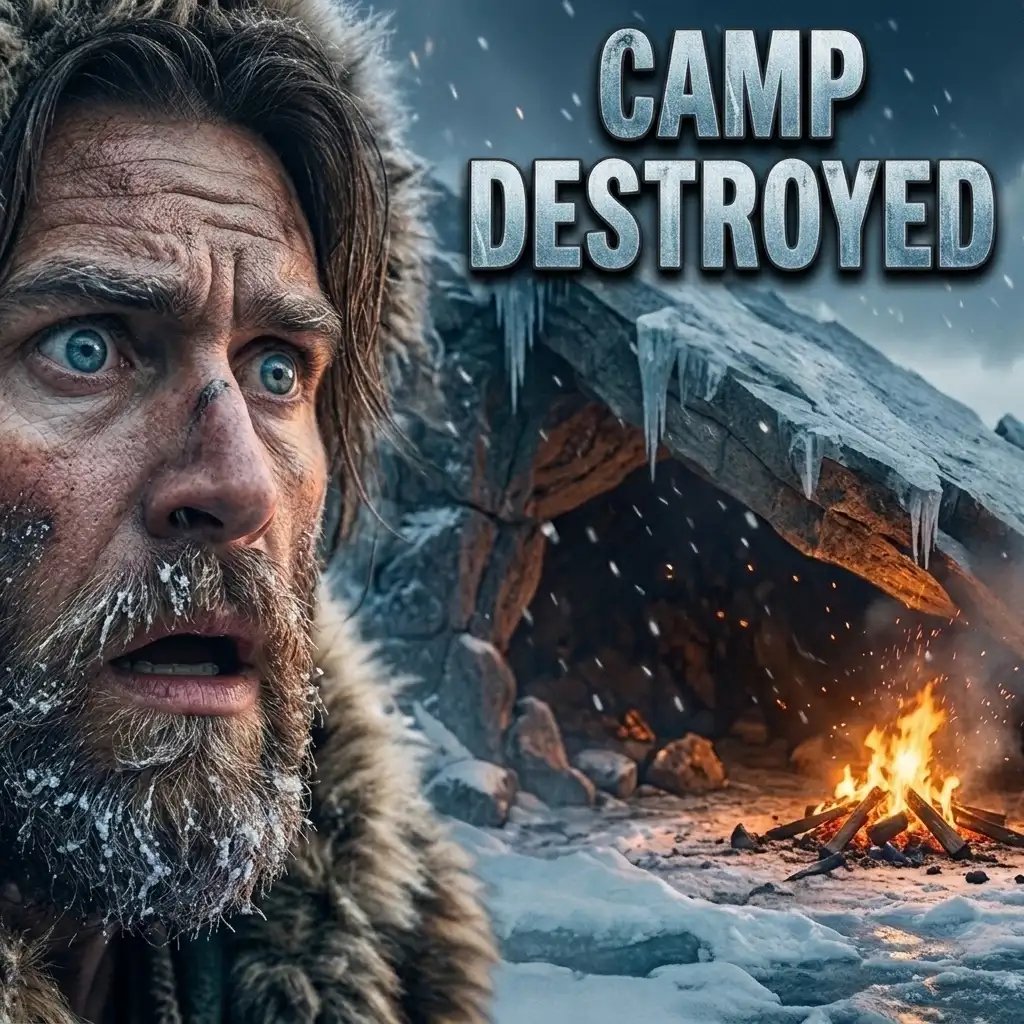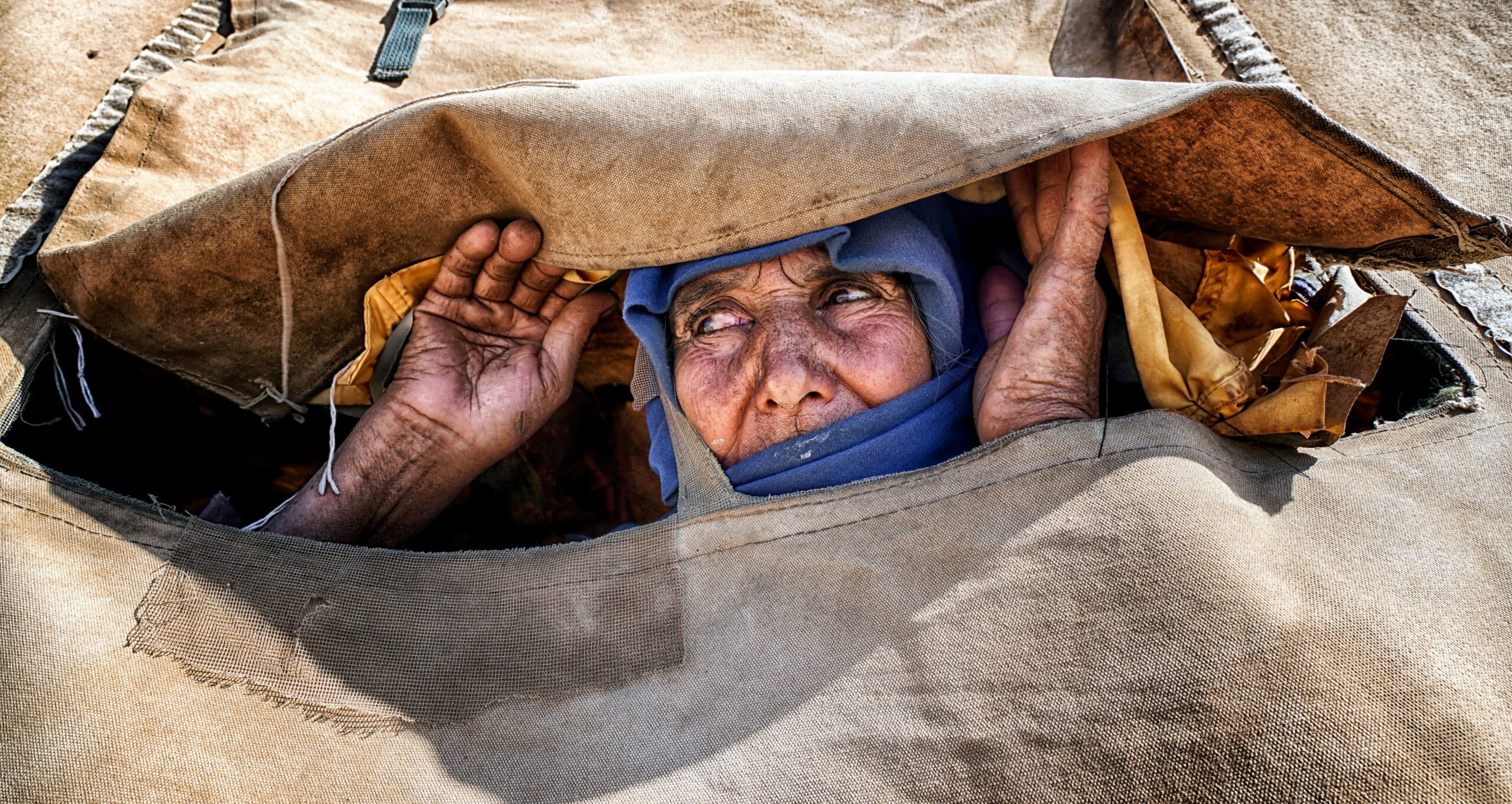
The biting wind whipped through the skeletal remains of what was once a sturdy shelter, carrying with it the scent of damp earth and decay. The early human, a seasoned survivor named Kaelen, surveyed the scene with a practiced eye. His dwelling, a carefully constructed lean-to of branches and animal hides, had succumbed to a recent storm, its framework splintered and its covering ripped asunder. This was not a new predicament, but it was a stark reminder of the constant battle for survival that defined their existence. The collapse of a shelter, whether due to the fury of nature or the ravages of time, was not an end, but a catalyst for adaptation. This primitive survival guide aims to equip any individual facing such a crisis with the knowledge and resilience to not only endure but to thrive in the face of adversity.
Reconnaissance and Resource Assessment
The immediate aftermath of a shelter collapse demands a swift and thorough assessment of the situation. Panic is the greatest enemy, and a clear head is paramount. Kaelen, despite the chill seeping into his bones, began his systematic approach.
Evaluating Structural Damage and Remaining Usables
The first step was to meticulously examine the ruined shelter. Kaelen sifted through the debris, his fingers tracing the cracks in weathered wood and the rents in salvaged hides. He was not looking for the lost, but for the salvageable. Broken branches, while useless for a complete framework, might still serve as kindling or makeshift tools. Torn hides, though no longer providing a complete barrier, could be pieced together or used as smaller protective coverings. Even remnants of mud or clay, if still somewhat intact, might be repurposed as chinking or insulation in a new structure. This process was not about sentimentality; it was about pragmatism. Every usable piece, no matter how small, represented a step towards re-establishing security. Kaelen remembered a time when a single sturdy branch, saved from a previous collapse, had been the linchpin for a new, stronger roof. The potential lay hidden within the ruin.
Identifying Immediate Environmental Hazards
Beyond the direct damage to the shelter, Kaelen scanned his surroundings for any new dangers that the collapse might have exposed or exacerbated. A loosened rockfall from a nearby cliff face, now unstable due to the storm, was a clear and present threat. The sudden influx of water from the storm might have attracted predatory animals to the area, so Kaelen paid close attention to tracks and signs. He also noted the prevailing wind direction and the position of the sun, information crucial for selecting a new shelter location. A collapsed shelter could open up new routes for pests or expose vulnerable nesting sites, so vigilance was key. The absence of his familiar dwelling meant his immediate defenses were compromised, and he needed to understand the new landscape of threats.
Cataloging Available Tools and Provisions
The final stage of reconnaissance involved a thorough inventory of his personal belongings and any stored provisions. Kaelen patted down his worn leather pouch, confirming the presence of his flint and striker, his bone awl, and the sharp obsidian shard he used for cutting. He then moved to where his food stores were kept – a shallow cache dug into the earth. He checked the integrity of the animal skins used to wrap dried meat and berries, ensuring they remained dry and intact. The collapse might have scattered some items, but the core of his survival toolkit and his food reserves needed to be accounted for. The knowledge that his tools were still within reach, even if scattered, provided a small but significant boost to his morale.
In exploring the resilience of early humans in the face of shelter collapse, one can draw intriguing parallels to modern survival scenarios, such as those discussed in the article on space warfare. The article, which delves into the complexities of conflict beyond Earth, highlights the importance of adaptability and resourcefulness in extreme environments. Just as early humans had to navigate the challenges of their surroundings to survive after their shelters failed, future space explorers will need to develop innovative strategies to thrive in the harsh conditions of outer space. For more insights on this topic, you can read the article here: The Future of Space Warfare: Conflict Beyond Earth.
Site Selection for a New Haven

With the assessment complete, Kaelen turned his attention to the critical task of finding a new location for his shelter. This was not merely about finding a patch of ground; it was about finding a place that offered protection, resources, and strategic advantage.
Proximity to Water and Food Sources
The most fundamental requirement for any prolonged habitation was proximity to a reliable water source. Kaelen’s gaze naturally drifted towards the faint glimmer of the nearby stream, its flow now more robust after the recent downpour. However, he also considered the potential for flooding. While close to water was essential, being too close in a storm-prone season was a recipe for disaster. Similarly, he assessed the availability of edible plants and game trails. The new location needed to offer a sustainable source of sustenance without requiring excessive travel, which would expend precious energy. A spot that was too exposed to strong winds but near a good foraging ground was a poor compromise.
Natural Defenses and Weather Protection
Kaelen actively sought out features that offered natural protection. An overhang of rock, a dense thicket of thorny bushes, or the base of a sturdy, ancient tree could all provide a significant head start in constructing a new shelter. He considered the prevailing wind patterns, looking for a location that was shielded from the harshest gusts. The position of the sun was also important; a south-facing slope, for instance, would offer more warmth during colder months. He avoided areas that showed signs of recent landslides or were prone to flash floods. The ideal site was a harmonious blend of defensibility and environmental advantage, a natural fortress that he could augment with his own efforts.
Visibility and Ease of Escape
While security was paramount, Kaelen also understood the importance of maintaining a degree of visibility. Being too hidden could make him vulnerable to surprise attacks from predators or hostile groups. He looked for a location that offered a clear line of sight to approaching threats, allowing him ample time to react. Conversely, he also assessed the escape routes. If the situation demanded it, he needed to be able to retreat quickly and efficiently. The ideal spot offered a balance between being able to see threats and being able to flee them, a tactical advantage that could mean the difference between life and death.
Shelter Construction Techniques

With a suitable location identified, the work of rebuilding began. This was a process of reinvention, drawing upon generations of accumulated knowledge.
Utilizing Available Natural Materials
Kaelen’s approach was dictated by the immediate environment. If he had found a location near a stand of young, flexible saplings, he would prioritize a frame built from these, lashed together with tough vines or strips of bark. If the area was dominated by larger trees, fallen branches would be the primary building material. He would then gather large leaves, reeds, or more animal hides to create a waterproof and windproof covering. The key was to work with what nature provided, adapting his techniques to the available resources. He understood that a perfect shelter was an illusion; a functional and protective one was achievable. He recalled learning from his elders the art of weaving branches to create a surprisingly strong and insulating wall, a technique he now employed with practiced ease.
Reinforcing for Durability and Weather Resistance
Once the basic structure was in place, Kaelen focused on reinforcing it against the elements. He would pack mud or clay into any gaps to create a seal against wind and rain. If available, he would use large stones to anchor the base of the shelter, preventing it from being easily dislodged. He would strategically place thicker branches or more robust hides on the side facing the prevailing winds. For insulation, he might gather dry leaves, moss, or animal fur and pack them into the walls and floor. The goal was to create a barrier, a sanctuary from the harsh realities of the outside world, and this required meticulous attention to detail. He knew that a poorly constructed corner could become the first point of failure when the next storm rolled in.
Creating a Secure and Comfortable Interior
A shelter was more than just a roof over one’s head; it was a place of rest and rejuvenation. Kaelen ensured the interior was as comfortable and secure as possible. He would create a raised sleeping platform from branches and leaves to keep him off the cold, damp ground and away from crawling insects. He would clear the immediate area around the entrance to prevent any unwelcome visitors from approaching undetected. A small, contained fire pit, safely distanced from the flammable structure, would provide warmth and light. The scent of wood smoke and the flickering flames were not just physical comforts, but psychological anchors in a world of uncertainty.
Maintaining Fire and Signaling for Aid
Fire was the lifeblood of early human survival, and its importance was amplified in the wake of a shelter collapse. Beyond warmth and cooking, it served a crucial signaling purpose.
The Art of Primitive Fire-Starting and Maintenance
Kaelen’s flint and striker were his most prized possessions. He meticulously gathered dry tinder – fibrous bark, bird’s nests, or dried grass. He would then strike the flint against the steel, sending sparks cascading onto the tinder. Once a small flame flickered to life, he would gently feed it with progressively larger pieces of kindling. Maintaining the fire was a continuous task, requiring constant vigilance and a steady supply of fuel. He understood the rhythm of the flames, knowing when to add more wood and when to let it burn down to embers. The knowledge of how to start a fire from scratch was not just a skill; it was a testament to human ingenuity and resilience, a spark of hope in the darkness.
Utilizing Fire for Signaling and Communication
In times of crisis, fire became a beacon. Kaelen would strategically build signal fires, not just for warmth, but to attract attention. He learned to create different smoke signals, using damp leaves or green branches to produce thick, visible plumes during the day, and maintaining bright, large flames at night. He understood that other groups might be traversing the landscape, and a well-placed signal could mean the difference between continued isolation and potential rescue or trade. He also used fire to communicate within his own small group, using prearranged patterns of light and smoke to convey basic messages.
Preparing for Potential Rescue or Encounters
The possibility of encountering other humans, whether friendly or hostile, was always a consideration. Kaelen kept his signaling fires strategically placed in open areas where they were visible but also offered him some cover from which to observe any approaching parties. He would also prepare caches of readily accessible food and water near his signaling location, should he need to relocate quickly or host unexpected visitors. The uncertainty of encounters meant preparedness was not just about survival, but about agency, about being ready to engage or retreat on his own terms.
In exploring the challenges faced by early humans in survival scenarios, one can draw parallels to modern-day resource exploitation in extreme environments. For instance, the article on exploiting lunar resources highlights the innovative strategies that might be necessary for survival in harsh conditions. Understanding how early humans adapted their shelters to withstand environmental pressures can provide valuable insights into the future of human habitation on other celestial bodies. To learn more about this fascinating topic, you can read the full article here.
Psychological Fortitude and Long-Term Resilience
| Metric | Description | Estimated Value | Impact on Survival |
|---|---|---|---|
| Structural Integrity | Strength of shelter materials and construction | Low to Moderate | High risk of collapse increases injury and exposure |
| Injury Rate | Percentage of individuals injured during collapse | 30-50% | Reduces mobility and ability to seek help |
| Time to Rescue | Duration before assistance arrives | Hours to Days | Longer times increase risk of death from injuries or exposure |
| Shelter Location | Proximity to natural hazards (e.g., cliffs, flood zones) | Variable | Higher risk locations increase collapse likelihood |
| Availability of Tools | Access to cutting or lifting tools for escape | Limited | Improves chances of self-rescue |
| Group Size | Number of individuals in shelter | 2-10 | Larger groups can assist injured but may increase collapse risk |
| Environmental Conditions | Weather and terrain at time of collapse | Varies (rain, cold, heat) | Harsh conditions worsen survival odds |
| Immediate First Aid | Ability to treat injuries on site | Minimal to Moderate | Critical for preventing infection and stabilizing victims |
Beyond the physical aspects of survival, the collapse of a shelter tested the very core of an individual’s mental and emotional strength.
Overcoming Fear and Despair
The initial shock of losing one’s home could be overwhelming. Kaelen, like all survivors, had faced moments of profound fear and despair. He learned to combat these emotions by focusing on the immediate tasks at hand. The act of gathering materials, of building, of tending the fire, provided a tangible sense of progress and purpose. He reminded himself of past successes, of times he had overcome challenges. He understood that dwelling on what was lost was a luxury he could not afford. The present demanded his full attention, and his focus on action was his most potent weapon against mental defeat.
Adapting to Change and Embracing Innovation
The primitive world was one of constant flux, and the ability to adapt was paramount. Kaelen recognized that the techniques he had used before might not be sufficient for his current situation. He was open to trying new methods, to observing the environment for inspiration, and to learning from any mistakes. He understood that rigidity in the face of change was a slow form of self-destruction. Innovation, born from necessity, was the hallmark of a successful survivor. He remembered a time when a new type of knot, learned from a passing traveler, had significantly improved the stability of his lean-to.
The Importance of Routine and Purpose
In the absence of a permanent dwelling, establishing a sense of routine became crucial for psychological stability. Kaelen maintained his daily schedule of foraging, hunting, fire maintenance, and shelter improvement. This predictability provided a sense of normalcy and control in an otherwise chaotic existence. His purpose was clear: to survive, to protect himself and any dependents, and to continue the cycle of life. This unwavering purpose, fueled by the instinct to endure, was the bedrock upon which his resilience was built. The collapse of his shelter was a setback, not a surrender. It was an opportunity to rebuild, stronger and wiser, ready to face whatever the unforgiving world might throw his way.