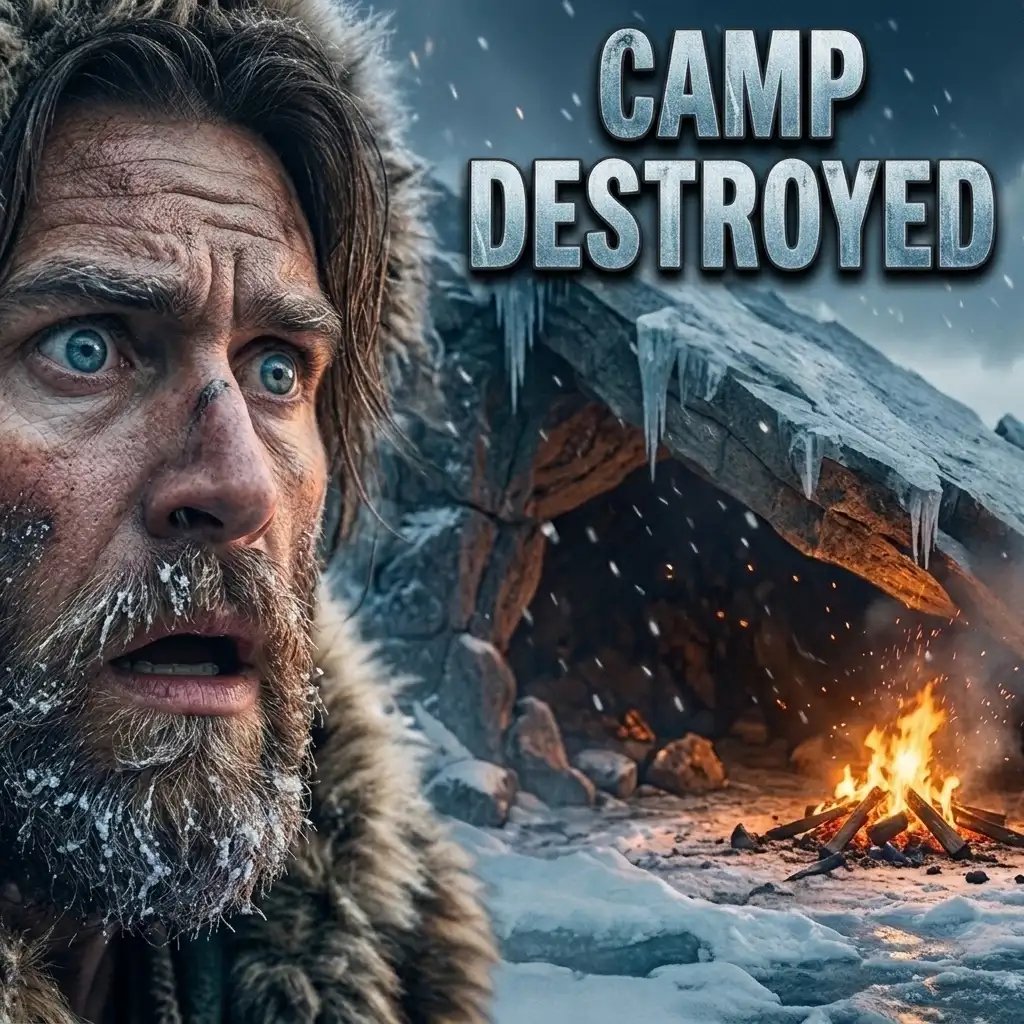
The wind howled like a banshee, a relentless tormentor that clawed at the flimsy walls of the temporary shelter. Inside, a small band of survivors huddled together, their breath misting in the frigid air. This was not a matter of inconvenience; this was the Ice Age, and winter had descended with a brutal, unforgiving ferocity that threatened to extinguish life itself. The year was approximately 20,000 BCE, a time when humanity was a fragile spark in a vast, frozen wilderness. The world had been plunged into a glacial period, and for these early humans, survival was a daily, desperate struggle against the elements and the omnipresent threat of starvation. Their world was a stark canvas of white, punctuated by the skeletal remains of trees and the vast, silent expanses of ice and snow.
The Unrelenting Grip of the Ice
The winter storm that had descended upon them was unlike anything they had ever witnessed. It was a leviathan of wind and ice, a force of nature that seemed intent on erasing them from existence. The snow fell in blinding sheets, accumulating with terrifying speed, burying their tracks, their meager possessions, and threatening to seal them in a tomb of frozen earth. Temperatures plummeted to unimaginable lows, far below anything their bodies, accustomed to the harsh but navigable rhythms of the seasons, were prepared to withstand. The very air seemed to crackle with an unnatural cold, a palpable entity that seeped into their bones and gnawed at their resolve.
The Familiar World Transformed
Their familiar hunting grounds, once teeming with life, were now choked with snowdrifts. The mammoth, their primary source of sustenance, had either migrated to warmer climes or perished, leaving behind only the ghosts of their former glory. The small game, their secondary food source, was equally elusive, hidden beneath the thick blanket of snow or frozen solid. Every excursion outside their shelter was a perilous gamble, a test of endurance against the biting wind and the risk of getting lost in the disorienting whiteout. Even the sun, when it deigned to appear, offered little respite, its rays weakened by the atmospheric conditions, merely casting long, ethereal shadows across the desolate landscape. The landscape itself felt alien, transformed from a place of sustenance and survival into a hostile, indifferent expanse.
The Whispers of Starvation
The gnawing pangs of hunger had become a constant companion. Their stored provisions, carefully gathered during the more hospitable months, were dwindling at an alarming rate. Each meager meal was a conscious effort to conserve energy, to make each bite last, to eke out every last calorie from dried berries, tough roots, and the occasional sliver of sinew. The children, their eyes wide with a primal fear, cried not just from the cold, but from the gnawing emptiness in their bellies. The elders, their bodies weakened by age and hardship, struggled to keep pace, their breaths shallow and their movements labored. The specter of starvation loomed large, a silent predator waiting for the moment of weakness.
In the midst of the recent ice age winter storm, survival stories have emerged that highlight the resilience and ingenuity of those affected. One fascinating aspect of human adaptation to harsh environments can be seen in the ancient Persian qanat system, a remarkable feat of engineering that allowed communities to thrive in arid conditions. For more insights into how ancient civilizations managed their resources and overcame environmental challenges, you can read about it in this article: The Ancient Persian Qanat System: A Water Management Marvel.
Architects of Resilience: The Shelter and Its Inhabitants

Within the confines of their hastily constructed shelter, a primal sense of community and shared purpose became their most potent weapon. This was not a dwelling of comfort or luxury, but a testament to their ingenuity and their will to survive. Fashioned from animal hides stretched over a framework of branches and bone, it offered a fragile barrier against the relentless assault of the storm. The interior was dimly lit by the flickering flames of a small fire, its warmth a precious commodity, its smoke a signal of life in the vast emptiness.
A Fortress Against the Frost
The shelter’s construction was a collaborative effort, each individual contributing their skills and strength. Some had expertly prepared the animal hides, scraping away fat and sinew to create pliable materials. Others had gathered the sturdy branches, their hands raw and bleeding from the effort. The elders, though physically diminished, offered their knowledge, guiding the younger generations in the art of structural integrity, ensuring that the shelter could withstand the immense pressure of the snow and the buffeting winds. Every knot tied, every hide secured, was an act of defiance against the encroaching ice.
Faces Forged by Adversity
The faces that looked out from the flickering firelight were etched with the hardships of their lives. There was Kaelen, the elder, his eyes holding the wisdom of countless winters, his voice raspy but firm as he recounted tales of survival from generations past, instilling a sense of continuity and hope. There was Lyra, the hunter, her hands calloused, her gaze sharp, her disappointment palpable with each failed hunt, yet her determination unwavering. And there were the children, their innocence a fragile flicker, their reliance on the adults a stark reminder of the stakes involved. Each individual, regardless of age or strength, played a vital role, their collective existence woven into a tapestry of shared struggle.
The Perils of the Frozen Expanse

Venturing beyond the relative safety of the shelter was a necessity, driven by the desperate need for food and fuel. These were not casual excursions but meticulously planned expeditions, fraught with danger at every turn. The blizzard, a white curtain of destruction, could descend with terrifying speed, swallowing landmarks and disorienting even the most experienced trackers.
The Hunt for Life
The hunts were the most critical of these expeditions. Lyra and a few of the stronger men would venture out, their bodies wrapped in layers of fur, their faces smeared with animal fat to ward off frostbite. They moved with a hushed urgency, their senses heightened, listening for the telltale crunch of snow underfoot, the distant call of prey. The pursuit was often a grueling ordeal, the snow up to their waists, the wind stealing their breath. A successful hunt was a triumph, a lifeline for the community, but the failures were equally common, and each empty-handed return chipped away at their dwindling morale. The risk of injury was ever-present; a twisted ankle, a fall on the ice, could prove fatal in such unforgiving conditions.
The Gathering of Sustenance
When hunting proved impossible, the focus shifted to gathering. This involved arduous treks to known foraging grounds, hoping to unearth roots or berries that had not been completely buried or frozen solid. The effort expended in digging through the frozen earth often outweighed the meager nutritional return, but it was a vital part of their survival strategy. They also sought out dry tinder and fallen branches for their fire, a constant need to replenish their fuel supply. Each foray was a gamble, a test of their knowledge of the terrain and their ability to navigate the treacherous landscape.
The Flickering Flame of Hope
In the face of such overwhelming adversity, despair was a constant temptation. Yet, within the heart of this small community, a resilient flame of hope continued to burn. This hope was not a naive optimism, but a deep-seated belief in their ability to endure, passed down through generations, reinforced by the shared struggle and the small victories that punctuated their existence.
The Power of Shared Stories
Evenings, huddled around the fire, were not solely dedicated to conserving warmth. They were also a time for storytelling, for passing down the wisdom of their ancestors. Kaelen would recount tales of past famines, of communities that had faced similar challenges and emerged stronger. He spoke of the ingenuity of their forefathers, their ability to adapt and overcome. These stories were more than just entertainment; they were lessons in resilience, a reminder that humanity had always faced and conquered hardship. They instilled a sense of pride in their heritage and a belief in their own capacity for survival.
Small Victories, Big Morale Boosts
The successful hunt, the discovery of a patch of edible roots, the mending of a torn hide – these were not insignificant events. In the bleak landscape of the Ice Age winter, these small victories were beacons of light, potent morale boosters. They were tangible proof that their efforts were not in vain, that their collective will was capable of overcoming the obstacles placed before them. Each successful endeavor strengthened their resolve, pushing back the encroaching shadows of despair and reinforcing their commitment to one another.
In the midst of the recent ice age winter storm, survival stories have emerged that highlight the resilience and ingenuity of those affected. Many individuals have shared their experiences of facing extreme conditions, showcasing how they adapted to the harsh environment. For a deeper understanding of human endurance in challenging times, you might find it interesting to explore a related article that delves into historical struggles, such as unraveling the Civil War, which offers insights into how people have navigated adversity throughout history.
The Dawn of a New Beginning
| Metric | Details |
|---|---|
| Event | Ice Age Winter Storm Survival |
| Duration of Storm | 3 days |
| Temperature Range | -20°C to -35°C (-4°F to -31°F) |
| Survivors | 5 individuals |
| Location | Mountainous Ice Age region |
| Survival Techniques Used | Building snow shelters, fire making, rationing food |
| Food Supplies | Limited to dried meat and nuts |
| Injuries Reported | 2 cases of frostbite |
| Rescue Time | After 72 hours |
| Lessons Learned | Importance of shelter, warmth, and teamwork |
As the days slowly began to lengthen, and the first tentative signs of spring emerged, the surviving members of the community felt a profound sense of relief. The storm had finally relented, its fury spent. The world, though still scarred by the winter’s harsh embrace, was no longer a suffocating tomb of ice. The thaw brought with it new challenges – swollen rivers, muddy terrain, and the constant threat of predators emerging from their winter dormancy. But it also brought the promise of renewal, of returning life, and of the opportunity to rebuild.
Emerging from the White Silence
Emerging from their shelter, blinking in the brighter, albeit still weak, sunlight, they were a testament to the indomitable spirit of humanity. They had faced the abyss and had not succumbed. Their bodies were thinner, their faces gaunt, but their eyes held a newfound strength, a quiet determination born from their harrowing ordeal. The landscape was a testament to their survival, a reminder of the brutal forces they had endured.
The Cycle Continues: A Renewed Purpose
With the advent of spring, their focus shifted from mere survival to the rebuilding of their lives. The herds would begin to return, offering the promise of sustenance once more. They would repair their dwellings, replenish their stores, and prepare for the challenges of the coming seasons. The lessons learned during the Ice Age winter would be etched into their collective memory, shaping their future strategies, their understanding of the delicate balance between humanity and the unforgiving power of nature. The experience had forged them, stripping away the non-essential and revealing the core of their resilience. They had survived not just the storm, but the very essence of a world pushed to its frozen limits, and in doing so, they had emerged with a profound understanding of their own enduring strength. The cycle of life, though brutally interrupted, had begun anew, and they were ready to face it, forever changed by the winter that had tested them to their very core.