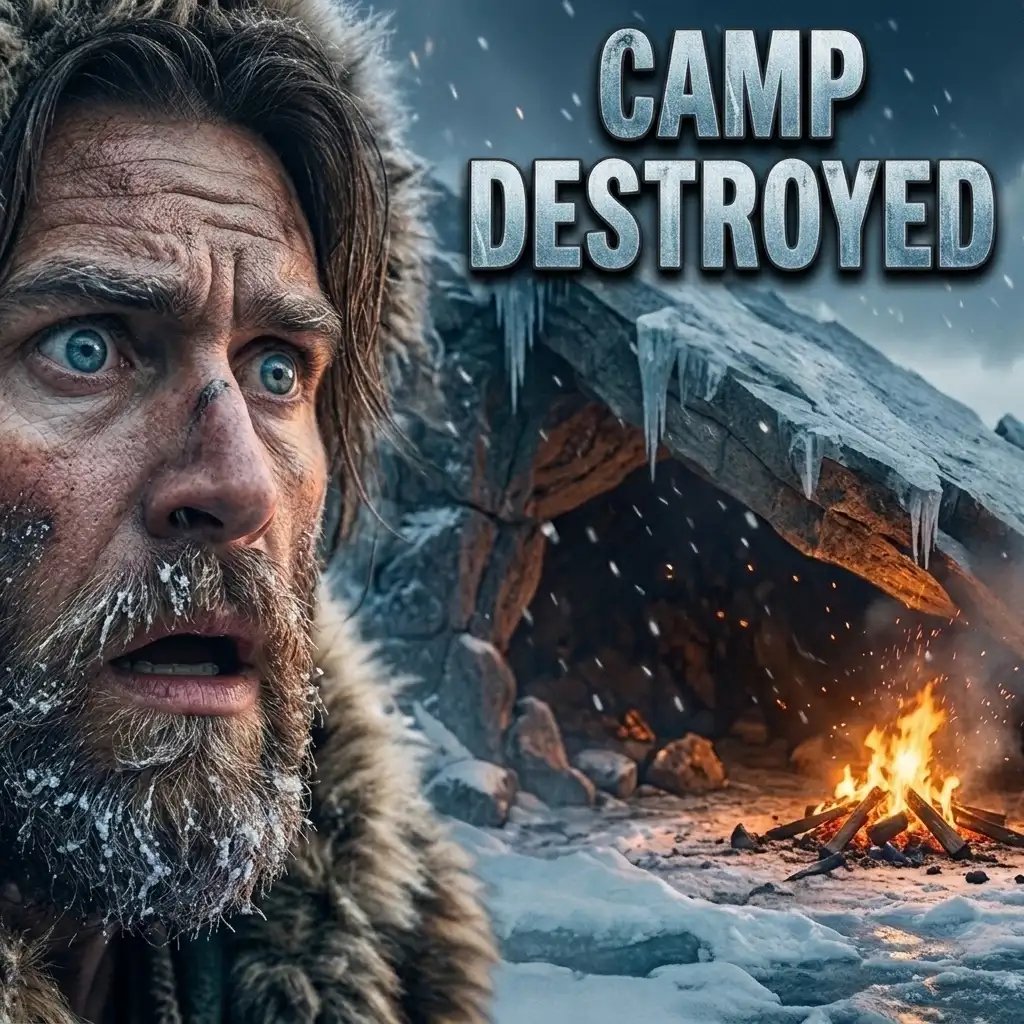
Mastering the Freeze: Essential Strategies for Surviving a Cold Night Outdoors
As the sun dips below the horizon and the temperature plummets, the wilderness transforms into a formidable adversary. For those venturing into the cold, particularly during an “Ice Age night,” where temperatures can become brutally unforgiving, survival hinges on a profound understanding of how to stay warm and protected. This is not a time for improvisation; it requires preparedness, knowledge, and the application of proven techniques to ward off hypothermia and ensure a safe passage through the frigid hours. The human body, while remarkably resilient, has its limits when exposed to extreme cold, and exceeding those limits can have dire consequences. Therefore, a comprehensive approach to staying warm outdoors, encompassing clothing, shelter, nutrition, and awareness, is paramount.
The concept of an “Ice Age night” evokes an image of extreme, perhaps even unprecedented, cold. While a literal Ice Age is a geological epoch, the term serves as a powerful metaphor for conditions that demand the utmost respect and preparation. It signifies a night where the cold is not merely uncomfortable but life-threatening. In such scenarios, every decision, every piece of gear, and every ounce of energy becomes critically important. The goal is not simply to endure the cold, but to actively combat it, ensuring that body heat is conserved and generated effectively. This involves a multi-faceted strategy, as no single element can guarantee survival in the face of such extreme conditions.
Surviving the harsh conditions of an Ice Age night requires not only knowledge of the environment but also effective strategies to stay warm outdoors. For those interested in understanding how historical climate events can inform our current survival techniques, a related article titled “Learning from History: Historical Parallels in the Climate Crisis” offers valuable insights. You can read it here: Learning from History. This article explores how past climate challenges can provide lessons for modern survival strategies, particularly in extreme weather conditions.
Layering: The Cornerstone of Cold Weather Warmth

The most fundamental principle in staying warm outdoors in frigid temperatures is the strategic application of clothing layers. This isn’t just about piling on garments; it’s about understanding the science behind insulation, moisture management, and breathability. The goal is to create a microclimate around the body that traps warm air, wicks away sweat, and provides protection from the elements. Each layer serves a distinct purpose, and their interplay is crucial for optimal performance.
The Base Layer: Moisture Management and Initial Insulation
The base layer, worn directly against the skin, is arguably the most critical component of a cold-weather clothing system. Its primary function is to wick moisture – sweat – away from the body. When you exert yourself, even in the cold, your body will produce perspiration. If this moisture is allowed to remain against your skin, it will rapidly cool you down, leading to a significant loss of body heat. Therefore, the base layer must be made of materials that are hydrophobic, meaning they repel water. Natural fibers like merino wool are excellent choices due to their natural wicking properties and ability to insulate even when damp. Synthetic materials such as polyester and polypropylene also perform exceptionally well in this regard. Cotton, however, is the enemy of warmth in cold weather. It is highly absorbent and retains moisture, becoming cold and clammy against the skin, drastically increasing the risk of hypothermia. A well-fitting base layer should be snug but not constricting, allowing for efficient moisture transfer without compromising circulation.
The Mid Layer: Trapping and Amplifying Warmth
The mid layer’s role is to provide insulation by trapping body heat. This layer is where the bulk of your warmth will come from, and its effectiveness is determined by its loft and ability to trap air. Fleece materials are a popular choice for mid layers due to their excellent warmth-to-weight ratio and breathability. Down or synthetic down-filled jackets and vests also excel at trapping heat. The key is to have a layer that can trap a significant amount of air, as air is a poor conductor of heat, thus acting as an insulator. Depending on the severity of the cold, you might opt for a single, thicker mid layer or multiple thinner mid layers that can be added or removed to fine-tune your insulation. The breathability of the mid layer is also important; it should allow some moisture vapor to escape from the base layer without allowing excessive heat loss. This creates a dynamic insulation system that adapts to your activity level and the ambient temperature.
The Outer Layer: Protection from the Elements
The outer layer, often referred to as the shell, is your first line of defense against wind, rain, and snow. This layer must be windproof and waterproof or water-resistant, depending on the expected conditions. Modern technical fabrics like Gore-Tex and similar membranes offer excellent protection from precipitation while still allowing for a degree of breathability, enabling moisture vapor to escape from the inner layers. A well-designed outer layer should also have features like adjustable cuffs, a hood, and a hem to prevent drafts and seal in warmth. The fit of the outer layer is also crucial. It needs to be loose enough to accommodate the insulating layers underneath without compressing them, which would reduce their effectiveness. For extremely cold and windy conditions, a more robust and heavily insulated outer layer might be necessary, potentially combining the mid and outer layer functions into a single garment.
Shelter: Creating a Sanctuary from the Cold

In an “Ice Age night” scenario, shelter is not a luxury; it is a necessity. Even with the best clothing, prolonged exposure to extreme cold without protection will eventually lead to hypothermia. Building or finding adequate shelter provides a crucial barrier against wind chill and helps to conserve body heat. The type of shelter will depend on the environment, available resources, and the duration of your stay.
Improvised Shelters: Harnessing Natural Resources
When prepared gear is unavailable or insufficient, the ability to construct an effective shelter from natural materials becomes paramount. Understanding basic survival shelter designs can be a lifesaver. A snow cave, for instance, can offer remarkable insulation once the snow has settled and the interior has warmed slightly from body heat. The dense snow acts as an effective barrier against wind and cold. A debris hut, constructed from fallen branches, leaves, and other organic matter, can also provide significant insulation. The key is to create a thick layer of insulating material around you, trapping air and preventing heat loss. The entrance should be small and ideally have a windbreak to minimize air infiltration. The floor of any improvised shelter should also be insulated from the cold ground with a thick layer of dry leaves, pine needles, or other soft, insulating material.
Tents and Bivvies: Preparedness and Portability
For those who are prepared, a tent or a bivvy sack offers immediate and reliable shelter. A four-season tent is designed to withstand harsh winter conditions, featuring a robust frame, durable fabrics, and features to prevent snow and wind ingress. The inner tent of a four-season tent is often made of breathable mesh to reduce condensation, while a sturdy rainfly provides waterproofing and windproofing. A bivvy sack, while simpler, can be an excellent option for emergencies or when weight is a concern. It is essentially a waterproof and windproof cover for a sleeping bag, offering a significant increase in warmth and protection. When using a tent or bivvy in extreme cold, proper site selection is crucial. Avoid low-lying areas where cold air settles and opt for a spot protected from prevailing winds.
Sleeping Systems: The Inner Sanctum of Warmth
Within any shelter, the sleeping system is your personal sanctuary of warmth. This typically consists of a sleeping bag and a sleeping pad. The sleeping bag’s temperature rating should be appropriate for the expected conditions, ideally with a margin of safety. Look for bags filled with down or high-quality synthetic insulation, designed to trap body heat effectively. A sleeping pad is just as important as the sleeping bag. It insulates you from the cold ground, which can sap body heat rapidly. In extreme cold, using two sleeping pads – a closed-cell foam pad for durability and insulation, topped with an inflatable insulated pad – can significantly enhance warmth. Ensure your sleeping bag is not compressed by your body weight, as this reduces its loft and insulating capacity. Sleeping in your base layers, with a hat and socks, can further enhance warmth within the sleeping bag.
Fueling the Furnace: Nutrition and Hydration in the Cold
The human body is a complex biological furnace, and staying warm requires a constant supply of fuel. In cold environments, the body expends significantly more energy just to maintain its core temperature. Therefore, adequate nutrition and hydration are critical for survival and maintaining warmth.
Caloric Intake: The Body’s Energy Source
When exposed to cold, the body’s metabolic rate increases to generate heat. This means you will burn more calories than usual. Consuming a diet rich in calories, particularly complex carbohydrates and healthy fats, is essential. Carbohydrates provide readily available energy, while fats offer a more sustained release of energy. Aim for meals and snacks that are high in energy density. Warm, hearty meals are not only comforting but also provide a direct boost to your internal temperature. Soups, stews, and hot beverages are excellent choices. Frequent snacking throughout the day and night can help to maintain a steady energy supply. Avoid excessive consumption of sugary snacks, as they can lead to rapid energy spikes followed by crashes, leaving you feeling colder.
Hydration: More Than Just Thirst
It is a common misconception that you don’t need to drink as much in cold weather. In reality, the dry air of winter can be very dehydrating, and you can lose significant amounts of fluid through respiration. Dehydration can impair your body’s ability to regulate temperature, making you more susceptible to hypothermia. It is crucial to drink fluids regularly, even if you don’t feel thirsty. Warm beverages are preferable as they contribute to your overall warmth. Avoid alcohol and excessive caffeine, as they can interfere with thermoregulation and lead to dehydration. Insulating your water bottles or using a hydration pack with an insulated tube can prevent water from freezing.
When preparing for a night outdoors during an ice age scenario, staying warm is crucial for survival. One effective method is to create a shelter that can trap heat, using natural materials like branches and leaves. Additionally, layering clothing and utilizing body heat can significantly enhance your warmth. For more insights into ancient survival techniques, you might find it interesting to explore how early humans adapted to their environments. A related article discusses the fascinating ways ancient civilizations understood their surroundings, which can provide valuable lessons for modern survivalists. You can read more about it here.
Maintaining Core Temperature: Beyond Layers and Shelter
| Metric | Value | Notes |
|---|---|---|
| Average Night Temperature | -20°C to -40°C | Typical temperatures during Ice Age nights |
| Body Heat Loss Rate | Up to 25 W/m² | Heat lost through exposed skin in cold conditions |
| Insulation Required | R-Value 5 to 10 | Equivalent insulation needed to maintain warmth |
| Clothing Layers | 3 to 5 layers | Base, insulating, and outer windproof layers recommended |
| Shelter Heat Retention | Up to 80% | Well-constructed shelters can retain most body heat |
| Caloric Intake | 4000 to 6000 kcal/day | Increased calories needed to generate body heat |
| Water Intake | 2 to 4 liters/day | Hydration important even in cold environments |
| Fire Duration Needed | 6 to 8 hours/night | Continuous fire helps maintain warmth and morale |
| Hypothermia Risk Threshold | Below 35°C body temperature | Critical to avoid through proper insulation and heat |
While proper clothing and shelter are the foundations of cold-weather survival, there are other crucial strategies for actively maintaining your core body temperature and preventing heat loss. These involve understanding your body’s responses to cold and employing techniques to enhance heat generation and conservation.
Staying Active: Generating Internal Heat
Movement is a powerful tool for generating body heat. Engaging in light to moderate physical activity can significantly increase your internal temperature. However, it is important to strike a balance. Overexertion can lead to excessive sweating, which, as discussed, can lead to rapid cooling once you stop moving. Therefore, a strategy of alternating periods of activity with periods of rest is often most effective. During periods of rest, ensure you are adequately insulated to prevent the heat generated during activity from escaping. Activities like walking, light jogging, or even simple calisthenics can be beneficial. In a survival situation, even tasks like gathering firewood or preparing shelter can contribute to staying warm.
Recognizing and Managing Cold Injuries: Early Detection is Key
Understanding the signs and symptoms of cold-related injuries is vital for preventing them from becoming serious. Hypothermia, the most significant threat, occurs when the body loses heat faster than it can produce it, leading to a dangerously low core body temperature. Early signs include shivering, numbness, confusion, slurred speech, and drowsiness. Frostbite, the freezing of skin and underlying tissues, is also a risk, typically affecting extremities like fingers, toes, ears, and nose. Signs of frostbite include a pale, white, or gray appearance of the skin, numbness, and a waxy feel. Immediate recognition and appropriate action are crucial for both conditions. If hypothermia is suspected, move the person to a warm place, remove wet clothing, and provide warm, non-alcoholic fluids if they are conscious. For frostbite, gently warm the affected area with body heat or warm water (not hot) and seek medical attention.
Surviving the frigid nights of an ice age requires not only knowledge of how to stay warm outdoors but also an understanding of the broader environmental challenges we face. For those interested in exploring the implications of climate change and its impact on vulnerable regions, a fascinating read can be found in the article about the threat of sinking island nations. This piece highlights the urgent need for awareness and action in the face of rising sea levels, which can be linked to the extreme weather patterns associated with climate shifts. To learn more, you can read the article here.
Environmental Awareness: Understanding and Respecting the Cold
Finally, a deep understanding of the environment and its potential hazards is paramount for survival in extreme cold. This involves constant vigilance, adaptability, and a healthy respect for the power of nature.
Reading the Weather: Predicting and Adapting
The weather can change rapidly, especially in mountainous or exposed regions. Being able to read the sky, understand wind patterns, and anticipate changes in temperature and precipitation can provide crucial advance warning. This knowledge allows for proactive decision-making, such as seeking shelter before a storm hits or adjusting your plans based on anticipated extreme cold. Understanding concepts like wind chill is also critical. Wind can dramatically reduce the perceived temperature by increasing the rate of heat loss from the body. Even at temperatures above freezing, a strong wind can create dangerously cold conditions.
Site Selection and Risk Mitigation: Choosing Wisely
Where you choose to make camp or seek shelter can have a significant impact on your safety and comfort. Always select a site that offers protection from the prevailing winds. Avoid exposed ridgelines or open areas where you are vulnerable to the full force of the elements. Look for natural windbreaks, such as dense stands of trees or rock formations. Be mindful of avalanche risks in snowy mountainous terrain. Understanding the terrain and potential hazards is a key aspect of responsible outdoor recreation and survival. Planning your route and escape options in advance, and always informing someone of your plans, are essential safety protocols that are amplified in extreme cold conditions. The cumulative effect of these strategies, from the clothes on your back to the shelter you build and the food you eat, forms a robust defense against the unforgiving grip of an “Ice Age night.”