
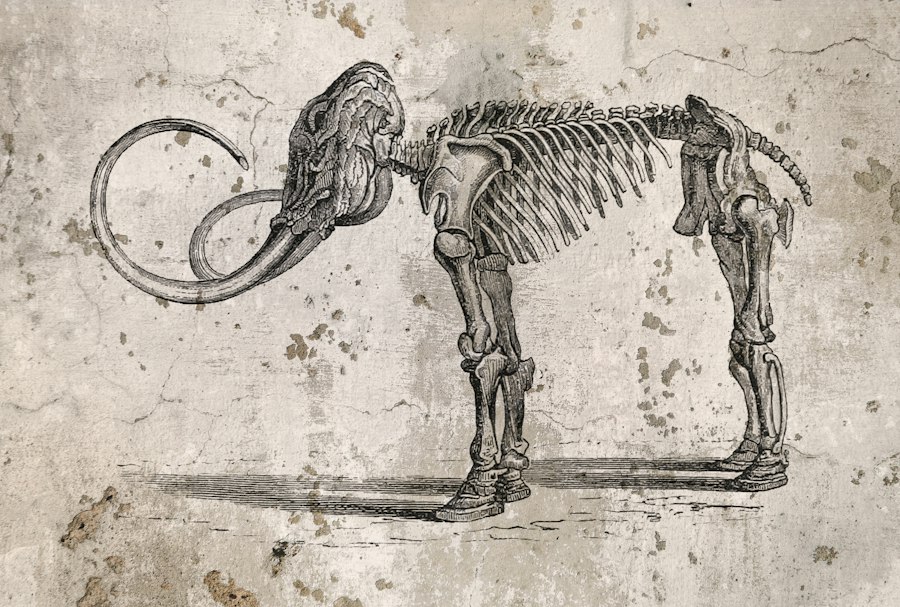
The imposing skeleton of a mammoth, a creature that once dominated Ice Age landscapes, represents more than just a magnificent fossilized remnant. For prehistoric humans, these colossal animals were a vital resource, providing sustenance, tools, and, perhaps most ingeniously, the very building blocks for their shelters. The construction of mammoth bone structures stands as a testament to the remarkable ingenuity and adaptability of our ancient ancestors, showcasing a profound understanding of their environment and the materials it offered. These structures, unearthed across vast swathes of Eurasia, offer a tangible glimpse into the lives of hunter-gatherers who navigated a world shaped by immense fauna and harsh climatic conditions. They are not merely primitive huts but sophisticated dwellings that provided crucial protection from the elements, facilitated communal living, and possibly served as centers for social and ceremonial activities. The study of these bone structures is an ongoing endeavor, constantly revealing new insights into the technological prowess and social organization of early Homo sapiens.
Echoes of Giants: The Mammoth as a Building Material
The sheer scale of the mammoth made it an unparalleled source of raw materials for Ice Age populations. These magnificent herbivores, with their thick hides, substantial tusks, and immense skeletons, provided an abundance of resources that early humans expertly exploited. The most striking and enduring evidence of this exploitation lies in the construction of dwellings utilizing mammoth bones. The strategic placement and assembly of these osseous elements transformed the remains of these fallen giants into robust, enduring shelters.
The Abundance of Bone
Mammoths were abundant in many Pleistocene environments, particularly in the open steppes and tundras of Eurasia. Their carcasses, whether from successful hunts or natural deaths, presented a readily available and substantial source of building material. The sheer quantity of bone available from a single individual mammoth was significant. Vertebrae, ribs, limb bones, and even skulls were all incorporated into construction, offering a versatile range of shapes and sizes for different structural purposes. The large, hollow long bones, in particular, provided a strong yet relatively lightweight framework, while the broad, flat surfaces of ribs offered excellent covering and insulation potential. The weight and density of these bones also contributed to the stability and durability of the structures, allowing them to withstand the fierce winds and extreme temperatures characteristic of the Ice Age. This readily available resource, combined with the immediate need for shelter, likely drove the innovation of bone architecture.
Beyond Construction: The Multifaceted Use of Mammoth Remains
While the use of mammoth bones for shelter is the most visually impressive aspect, it is crucial to remember that these animals offered a comprehensive suite of resources. The thick, insulating hides were undoubtedly used for clothing, bedding, and covering structures. Fat provided a source of fuel for fires, crucial for warmth and cooking. Meat was a primary food source, sustaining human populations. Tusks, made of ivory, were carved into tools, weapons, and art. Even smaller bones could be fashioned into needles, awls, and other implements. Therefore, the construction of mammoth bone shelters was part of a holistic approach to utilizing every part of the animal, demonstrating a deep respect for and efficient exploitation of their environment. The integration of bone construction into this broader resource management system highlights the sophisticated understanding prehistoric peoples had of the ecosystems they inhabited.
In exploring the fascinating world of ancient construction techniques, one intriguing aspect is the use of mammoth bones in primitive shelter construction. This method not only highlights the resourcefulness of early humans but also their ability to adapt to their environment. For a deeper understanding of ancient engineering marvels, you might find it interesting to read about the alignment mysteries of the Giza Pyramid, which showcases another remarkable achievement in prehistoric architecture. You can check out the article here: The Giza Pyramid Alignment Mystery.
Engineering the Ice Age Dwelling: Principles of Mammoth Bone Construction
The construction of mammoth bone shelters was not a haphazard affair. Archaeological evidence reveals a sophisticated understanding of structural principles and a remarkable ability to adapt available materials to create durable and functional dwellings. These ancient engineers employed techniques that maximized the strength of the bones and ensured the stability of their homes.
The Foundation and Framework
The most common method of construction involved using large mammoth limb bones, such as femurs and humeri, as upright supports. These massive bones were often sunk into the ground to provide a stable base. In some instances, mammoth skulls, with their considerable weight and broad surface area, were used to anchor these uprights or as foundational elements. The rib cages of mammoths, with their natural curvature, were frequently employed to form the walls and roof. Ribs were interlocked or lashed together, creating a semi-circular or oblong enclosure. In some more elaborate constructions, mammoth vertebrae were stacked to create internal supports or elevated platforms. The sheer size and strength of these bones allowed for the creation of shelters that could withstand significant forces, including the weight of snow and ice accumulation, as well as the persistent winds of the Ice Age.
Infill and Insulation
Once the basic framework of bone was established, the shelters were then infilled and insulated to provide protection from the harsh climate. Mammoth hides, stretched and secured to the bone framework, would have formed the outer skin of the dwelling. This thick hide provided excellent insulation against the cold and acted as a barrier against wind and precipitation. In many sites, layers of mammoth bones, including smaller bones and fragments, were packed into the gaps between the ribs or piled around the exterior, further reinforcing the structure and adding an additional layer of insulation. Other insulating materials, such as turf, moss, and grasses, would likely have been used to seal any remaining gaps and provide a more comfortable interior. The strategic placement of these materials, combined with the inherent insulating properties of mammoth hide and bone, would have created a remarkably warm and protected living space, crucial for survival during prolonged periods of cold.
Locations and Variations: A Continental Mosaic of Mammoth Bone Structures

Mammoth bone dwellings are not confined to a single geographic location but are found across a vast expanse of Eurasia, suggesting a widespread cultural practice among Ice Age populations. While the fundamental principles of construction remain similar, regional variations in available mammoth species, local environmental conditions, and cultural traditions led to distinct architectural adaptations.
Eastern European Hearthlands
The plains of Eastern Europe, particularly the regions of modern-day Russia and Ukraine, have yielded some of the most significant and well-preserved examples of mammoth bone structures. Sites like Mezhirich, Dongos, and Moldova have revealed large, well-organized settlements featuring multiple bone dwellings. These structures often exhibit a remarkable degree of planning, with some dwellings measuring over 10 meters in length. The Eastern European examples frequently utilize large numbers of mammoth ribs and long bones, arranged in a robust framework. Evidence of hearths, tool-making debris, and storage pits within these structures indicates that they served as permanent or semi-permanent habitations. The sheer scale and complexity of these settlements suggest a social organization capable of coordinating the construction and maintenance of these substantial communal living spaces. The presence of multiple hearths within some structures further hints at communal living arrangements, where families or larger groups shared a single dwelling.
Western European Echoes
While less numerous and often less well-preserved than their Eastern European counterparts, evidence of mammoth bone construction has also been found in Western Europe. These finds, though sparser, indicate a similar utilization of mammoth remains for shelter. The specific forms and scales might differ, potentially influenced by the availability of different mammoth species or variations in local building materials. Some Western European sites might feature smaller, more transient shelters, reflecting different migratory patterns or subsistence strategies. However, the underlying principle of exploiting the readily available bone resources for protection remains consistent. The discovery of even fragmented bone structures in Western Europe underscores the widespread understanding and application of this architectural technique across different Ice Age communities.
Central Asian Adaptations
In Central Asia, mammoth bone structures have also been identified, though often in contexts that suggest adaptation to different environmental pressures. The drier conditions in some parts of Central Asia might have led to different preservation patterns. These structures may have incorporated local materials alongside mammoth bones, demonstrating a flexible approach to construction. The interpretation of some Central Asian finds is ongoing, with researchers continually refining their understanding of how these communities utilized their environment to create shelter. The variations observed across these regions highlight the adaptability of prehistoric peoples and their ability to innovate within the constraints and opportunities presented by their local environments and the availability of resources.
The Social and Symbolic Significance of Mammoth Bone Shelters
Beyond their practical function as protection from the elements, mammoth bone structures likely held significant social and symbolic meaning for the prehistoric communities that built them. These imposing dwellings would have been central to the lives of their inhabitants, serving as more than just places to sleep. They were likely hubs of social interaction, cultural expression, and possibly even spiritual practice.
Centers of Communal Life
The substantial size and robust construction of many mammoth bone shelters suggest that they were designed to accommodate groups of people. Evidence of hearths, the presence of multiple individuals’ tools, and the arrangement of living spaces within these structures point towards communal living. These shelters would have provided a shared space for families or extended kin groups to gather, share resources, cook meals, and pass on knowledge. The communal effort required to construct and maintain these dwellings would have fostered social cohesion and cooperation. The act of working together to bring down a mammoth and then transform its remains into a shared home would have been a powerful unifying force within these prehistoric societies. Within these shelters, stories would have been told, traditions passed down, and social bonds strengthened.
Possible Ritualistic and Artistic Expressions
The unique and imposing nature of mammoth bones may have also imbued these structures with symbolic meaning. The sheer power and majesty of the mammoth might have been incorporated into the belief systems of these early humans. While direct evidence is often elusive, some archaeologists speculate that the placement of certain bones, or the arrangement of the structures themselves, may have held ritualistic significance. In some instances, mammoth bones have been found decorated with incised patterns or painted with ochre, suggesting an aesthetic and possibly symbolic dimension to their use. The central location of hearths, often considered a symbol of community and continuity, within these bone structures further hints at their importance beyond mere utility. These dwellings could have been sites for ceremonies, rituals, and the expression of a shared cosmology. The very act of living within the skeletal remains of such a powerful creature could have fostered a sense of awe and connection to the natural world.
In exploring the fascinating techniques of primitive shelter construction, one intriguing method involves the use of mammoth bones, showcasing the ingenuity of early humans in utilizing available resources. This ancient practice not only highlights the adaptability of our ancestors but also offers insights into their survival strategies in harsh environments. For a deeper understanding of how historical events can shape modern perspectives, you might find it interesting to read a related article on economic predictions, which can be found here.
Legacy and Lasting Insights: What Mammoth Bone Shelters Tell Us Today
| Metric | Value | Unit | Description |
|---|---|---|---|
| Average Mammoth Bone Length | 2.5 | meters | Typical length of large mammoth bones used as structural supports |
| Number of Bones per Shelter | 50-70 | pieces | Estimated quantity of bones required to construct a single shelter frame |
| Shelter Floor Area | 15-20 | square meters | Approximate internal floor space of a mammoth bone shelter |
| Construction Time | 2-3 | weeks | Estimated time to build a shelter using mammoth bones and other materials |
| Bone Weight per Shelter | 500-700 | kilograms | Total weight of mammoth bones used in shelter construction |
| Insulation Material | Animal hides and turf | N/A | Common materials used to cover the bone framework for insulation |
| Structural Stability | High | N/A | Durability and resistance to harsh weather conditions |
The study of mammoth bone structures continues to offer invaluable insights into the lives and capabilities of prehistoric humans. These ancient dwellings serve as tangible reminders of our ancestors’ resourcefulness, ingenuity, and resilience in the face of challenging environments. They challenge romanticized notions of primitive existence and reveal a complex social and technological landscape.
A Window into Prehistoric Technology and Subsistence
The construction techniques employed in building mammoth bone shelters showcase a sophisticated understanding of engineering and material science. The ability to select, transport, and assemble massive bones into stable structures demonstrates a high level of skill and coordination. These findings contribute to our understanding of Paleolithic technology, revealing a capacity for complex construction that goes beyond the creation of simple tools. Furthermore, the reliance on mammoth remains for shelter underscores the intimate relationship between these early humans and their environment. It highlights a subsistence strategy that was highly adapted to the available megafauna, demonstrating a deep ecological knowledge. The successful exploitation of such large animals for multiple purposes, including shelter, speaks volumes about their hunting prowess and their ability to utilize every aspect of their quarry.
Understanding Human Adaptation and Resilience
Mammoth bone shelters are powerful symbols of human adaptation and resilience. They represent a remarkable solution to the challenges of surviving in harsh, cold climates. These structures provided not only physical protection but also a sense of security and community, crucial for psychological well-being in environments that were often dangerous and unpredictable. The existence of these well-developed dwellings suggests that early human populations were not merely surviving but were actively shaping their environment and creating stable, comfortable living spaces. Studying these structures helps us to appreciate the long trajectory of human innovation and our species’ enduring capacity to overcome obstacles and thrive in diverse ecological niches. The legacy of these mammoth bone builders is a testament to the enduring spirit of human ingenuity, reminding us of the remarkable achievements of our distant ancestors and their profound connection to the natural world.