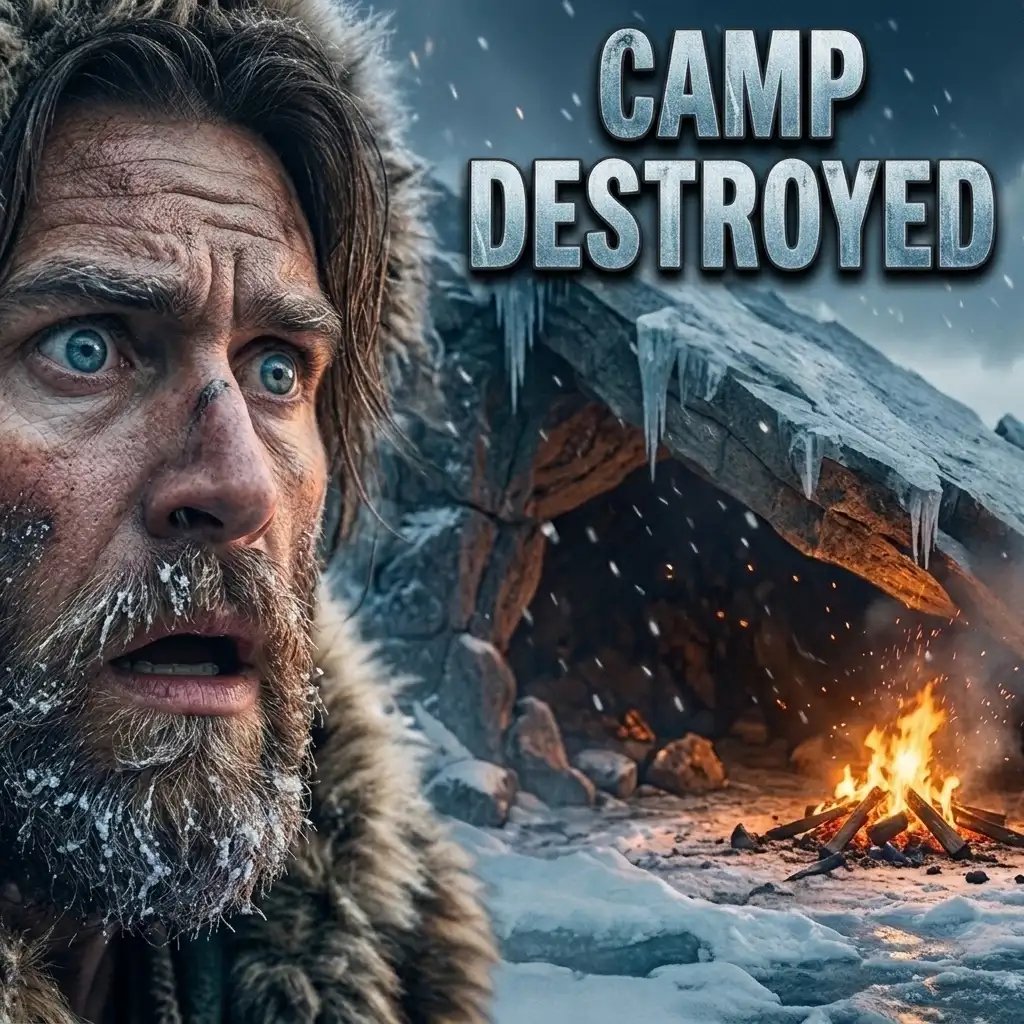
The biting winds of the glacial period sculpted a world dramatically different from the one familiar to modern humans. Vast ice sheets, kilometers thick, covered much of the Northern Hemisphere, pushing the boundaries of habitable land southward and creating a stark, yet strangely beautiful, frozen landscape. It was within this challenging environment that primitive hunting-gathering communities carved out an existence, their lives intricately woven with the rhythm of the seasons and the availability of resources. These were not the nomadic wanderers of a temperate paradise, but resilient survivors, masters of adaptation in a world defined by ice and extreme cold. Their strategies for survival, their social structures, and their profound connection to the natural world offer a compelling glimpse into the tenacity of early humanity.
The Unyielding Environment: Life on the Frozen Frontier
The glacial period, also known as the Pleistocene epoch, was characterized by cyclical periods of extreme cold (glacial periods) and warmer intervals (interglacials). During the peak of glaciation, average global temperatures were significantly lower than today, leading to the formation of massive ice sheets and a dramatic drop in sea levels. This environmental upheaval reshaped landscapes, creating vast tundra, steppe, and mosaic environments. The flora and fauna were adapted to these harsh conditions, with megafauna such as mammoths, woolly rhinoceroses, and giant deer roaming the plains, while smaller animals like Arctic foxes, hares, and various birds also formed crucial parts of the ecosystem.
Ice Sheets and Sea Level Changes
The most defining feature of the glacial period was the presence of extensive ice sheets, particularly in North America and Eurasia. These colossal masses of ice, driven by gravity, extended far from the poles, reaching latitudes where dense forests or even temperate grasslands once flourished. The sheer weight of these ice sheets depressed the Earth’s crust, a phenomenon known as isostatic depression, which had long-term geological consequences. The formation of these ice sheets locked up vast quantities of water, leading to a significant drop in global sea levels, often by more than 100 meters. This lowered sea level exposed land bridges, most famously Beringia, which connected Asia and North America, facilitating the migration of both humans and animals. Coastal areas were significantly expanded, creating new hunting grounds and travel routes, albeit ones subject to the whims of glacial advance and retreat.
Flora and Fauna of the Pleistocene Steppe
The lands not covered by ice were dominated by open environments, primarily the vast treeless plains known as the Pleistocene steppe. These were not barren deserts but rich ecosystems supporting a diverse array of hardy vegetation, including grasses, sedges, and low-lying shrubs. These plants provided sustenance for the large herbivores that were the primary prey for human hunters. The megafauna, such as the woolly mammoth (Mammuthus primigenius) and the woolly rhinoceros (Coelodonta antiquitatis), were iconic inhabitants of these landscapes. Their large size and thick fur made them well-suited to the cold, and they represented a significant caloric bounty for human populations. Smaller animals also played a vital role. Arctic foxes, Arctic hares, and various rodents were hunted for their meat and furs, while migratory birds offered seasonal food sources. The presence of predators like lions, hyenas, and wolves also influenced hunting strategies and the need for communal defense.
Adapting to the Cold: Shelter and Clothing
Survival in such frigid conditions necessitated ingenious adaptations. Hunting-gathering communities developed sophisticated techniques for constructing shelters that offered protection from the wind, snow, and extreme cold. These shelters varied in form and complexity, often dictated by available materials and the mobility of the group. In areas with abundant bone and hide from large animals, structures made from mammoth ribs and tusks, covered with hides, have been unearthed, suggesting a semi-permanent dwelling type capable of withstanding harsh weather. More transient shelters might have involved the use of natural features like caves or rock overhangs, augmented with brushwood and animal skins. The development of effective clothing was equally critical. Tailored garments made from animal furs, carefully stitched using bone needles and sinew, provided essential insulation. The layered nature of this clothing would have allowed individuals to regulate their body temperature effectively in response to varying activity levels and ambient temperatures.
The study of primitive hunting and gathering communities during the glacial period provides fascinating insights into how early humans adapted to their environments and survived harsh conditions. An interesting article that explores the broader implications of societal structures and their vulnerabilities can be found at The Threat of State Collapse. This piece delves into the dynamics of societal resilience and the factors that can lead to the decline of complex societies, drawing parallels to the survival strategies of ancient communities.
Foraging and Hunting: The Pillars of Survival

The subsistence strategies of glacial period hunter-gatherers were primarily focused on exploiting the abundant large game animals and the seasonal availability of plant resources. Their hunting techniques were often complex and communal, requiring a deep understanding of animal behavior and a high degree of social coordination. Gathering, though often overshadowed by the drama of the hunt, provided a crucial complementary food source and a vital link to the plant world, even in its diminished glacial form.
The Art of the Mammoth Hunt
The hunting of megafauna, particularly the mammoth, was a cornerstone of many glacial period economies. These massive animals represented a substantial source of protein, fat, hides, and bone, all essential for survival. Hunts were likely highly organized affairs, involving groups of individuals coordinating their efforts. Archeological evidence suggests several possible hunting strategies. Pitfall traps, dug in the path of migrating herds, could incapacitate large animals, allowing hunters to dispatch them safely. Driving herds towards cliffs or into boggy areas could also lead to their demise. For direct confrontation, hunters would have relied on carefully crafted spears, often tipped with sharpened stone points, designed for maximum penetration. The success of such hunts depended on meticulous planning, knowledge of terrain, and bravery in the face of immense danger. The processing of a mammoth carcass would have been a communal effort, ensuring that no part of this valuable resource went to waste.
Diverse Hunting Strategies for Smaller Game
While megafauna provided the most significant caloric return, smaller game also played a vital role in the diet. Hunting techniques for these animals would have been more varied and adaptable. Snares and traps were likely employed for rabbits, hares, and birds. Spears and throwing sticks would have been effective for pursuing faster-moving animals like deer and wild horses. The use of bows and arrows, though their widespread adoption might have occurred later in the period, would have revolutionized hunting, allowing for greater accuracy and distance. The diversity of prey also meant that hunting strategies had to be flexible, adapting to the specific species and the local environment. Bird hunting, for example, would have involved different techniques than the pursuit of a running antelope.
Gathering and the Seasonal Bounty
Despite the prevalence of hunting, gathering remained an essential component of the hunter-gatherer diet. Even in the cold steppe environments, a variety of edible plants could be found, particularly during the warmer interglacial periods or in sheltered microclimates. These would have included roots, tubers, berries, seeds, and nuts. Understanding the seasonal cycles of plant growth and the identification of edible versus poisonous species was crucial knowledge passed down through generations. Gathered foods provided essential vitamins, minerals, and fiber, complementing the protein-rich diet derived from meat. The collection of plant materials also extended beyond food; they were used for medicinal purposes, tinder for fires, and materials for crafting tools and shelters.
Social Organization and Technology: Building Communities in a Harsh World

The challenging conditions of the glacial period fostered social structures that emphasized cooperation and resource sharing. Their technology, though seemingly rudimentary by modern standards, was remarkably effective, honed by millennia of trial and error and an intimate understanding of the natural world.
The Importance of Kinship and Cooperation
In a world where survival was a daily struggle, strong social bonds were paramount. Hunting-gathering communities were likely organized around kinship groups, with extended families forming the core of each unit. Cooperation was not merely a social nicety but a survival imperative. Collective hunting efforts, the sharing of food, and mutual defense against predators and environmental hazards all depended on a high degree of trust and collaboration. Larger gatherings might have occurred seasonally, perhaps at rich hunting grounds or during periods of plant abundance, allowing for exchange of goods, social interaction, and the formation of alliances. The transmission of knowledge, from hunting techniques to the identification of edible plants and the understanding of weather patterns, was facilitated through social interaction and oral traditions.
Stone Tools: The Foundation of Technology
The technology of glacial period hunter-gatherers was primarily based on lithics, or stone tools. These tools were incredibly diverse, reflecting the varied needs of these communities. The process of knapping, the shaping of stone by striking or pressing, was a highly skilled craft. The earliest tools, such as Oldowan choppers, were simple and functional. As time progressed, more sophisticated toolkits emerged. Acheulean handaxes, with their symmetrical, bifacial design, demonstrate a significant advancement in craftsmanship. Later industries, such as Mousterian and Upper Paleolithic toolkits, introduced a wider array of specialized tools. These included scrapers for hide preparation, points for spears and projectiles, knives for cutting, and awls for piercing. The selection of stone was crucial, with preferred materials like flint, chert, and obsidian prized for their conchoidal fracture, which allowed for predictable and sharp edges.
Beyond Stone: Bone, Antler, and Ivory
While stone dominated their toolkits, glacial period peoples also expertly utilized other available materials. Bone, antler, and ivory from large mammals were transformed into a variety of essential implements. Bone needles, with their tiny eyes, are a testament to the development of sewing and the creation of tailored clothing. Harpoons, with their barbed points, were effective for fishing and hunting marine mammals. Antler was also shaped into spearheads, knives, and handles for stone tools. The intricate carvings found on some ivory objects suggest a growing capacity for symbolic expression and perhaps even early forms of art, offering insights into their cognitive abilities and cultural practices.
Fire: A Transformative Force
The mastery of fire was a monumental achievement for early humans and remained a critical element of survival throughout the glacial period. Fire provided warmth, essential for surviving in frigid temperatures. It offered protection from predators, its flickering flames deterring nocturnal animals. Fire was also used for cooking, making food more digestible and palatable, and killing parasites. The controlled burning of vegetation could have been used to manage landscapes, driving game towards hunters or clearing areas for habitation. The hearth, the central gathering point of a dwelling, became a social and functional hub, around which daily life revolved. The ability to create and control fire was a profound technological advancement that dramatically improved the quality of life and expanded the range of human habitation.
Mobility and Settlement Patterns: Following the Resources
The migratory nature of game animals and the seasonal availability of plant resources dictated the mobility and settlement patterns of glacial period hunting-gathering communities. They were not static populations but rather adapted their movements to the ebb and flow of the natural world, establishing temporary camps and more enduring seasonal settlements.
Nomadic Lifestyles and Seasonal Migrations
The primary driver of mobility was the need to follow herds of migratory animals. Mammoth herds, for instance, would have moved across vast territories in search of grazing land, and human groups would have tracked them to exploit this predictable food source. Similarly, seasonal changes in plant growth would have drawn communities to areas where berries ripened or roots became accessible. This nomadic lifestyle involved carrying essential belongings and establishing temporary camps in strategically advantageous locations. The distance traveled and the frequency of movement would have varied depending on the specific environment and the nature of the resources available. This constant movement fostered a deep understanding of the landscape, its changing seasons, and the intricate relationships between different species.
Temporary Camps and Evidence of Habitation
Archeological evidence often reveals the presence of temporary camps. These sites might show evidence of hearths, the remnants of stone tool production (debitage), and discarded animal bones, indicating a short-term presence. The location of these camps was strategic, often near water sources, sheltered from prevailing winds, and close to hunting grounds or gathering areas. The ephemeral nature of these sites means that much of this evidence has been lost to time, but the patterns that do emerge speak to a careful and considered placement of habitations to maximize resource access and minimize exposure to environmental hazards.
The Emergence of More Permanent Settlements
While nomadic tendencies were prevalent, there is also evidence suggesting the development of more semi-permanent or seasonal settlements. In areas with predictable and abundant resources, such as along major river valleys or in regions with particularly rich megafauna populations, communities might have established more enduring camps. These sites could have been occupied for longer durations, perhaps for entire seasons, or even revisited year after year. Archeological findings at some Upper Paleolithic sites, such as the discovery of mammoth bone huts in Eastern Europe, suggest structures that could have provided more substantial and long-lasting shelter. These more established settlements would have facilitated the development of more complex social organization, the accumulation of material culture, and perhaps even the beginnings of territoriality.
The study of primitive hunting and gathering communities during the glacial period reveals fascinating insights into human adaptation and survival strategies. These early societies developed intricate knowledge of their environments, which allowed them to thrive despite harsh climatic conditions. For a broader understanding of how human innovation shapes communities, you might find it interesting to explore the article on Mexico’s electronics manufacturing hubs, which highlights the evolution of human ingenuity in a different context. You can read more about it here.
The Cognitive and Cultural Landscape: Beyond Mere Survival
| Aspect | Details | Estimated Data / Metrics |
|---|---|---|
| Time Period | Last Glacial Maximum (LGM) | Approx. 26,500 to 19,000 years ago |
| Population Size | Global hunter-gatherer population estimate | Estimated 1-10 million worldwide |
| Subsistence Strategy | Primary food sources | Hunting large game (mammoths, reindeer), gathering plants, fishing |
| Mobility | Movement patterns | Nomadic or semi-nomadic, seasonal migration following animal herds |
| Tool Technology | Stone tools and weapons | Microlithic tools, spear points, bone and antler implements |
| Group Size | Typical band size | 20-50 individuals per group |
| Climate Conditions | Temperature and environment | Colder by 4-7°C globally, extensive ice sheets, tundra and steppe environments |
| Diet Composition | Estimated caloric intake sources | ~70% animal protein, ~30% gathered plants and nuts |
| Social Structure | Organization and roles | Small kin-based groups, division of labor by age and gender |
| Fire Use | Role in daily life | Cooking, warmth, protection, tool making |
The lives of glacial period hunter-gatherers were not solely defined by the struggle for survival. Emerging evidence suggests a rich cognitive and cultural landscape, marked by symbolic expression, artistic endeavors, and a complex understanding of the world around them.
Early Forms of Art and Symbolism
The Upper Paleolithic period, in particular, witnessed a remarkable flowering of art and symbolic expression. Cave paintings, such as those found in Lascaux and Chauvet in France, depict a stunning array of animals with remarkable realism and dynamism. These were not mere childish scribbles but sophisticated artistic creations, likely imbued with deep meaning. The purpose of these paintings remains a subject of debate among archeologists; they may have served ritualistic purposes, functioned as storytelling devices, or represented a form of shamanic practice. Beyond cave art, small portable art objects, including carved figurines and decorated tools, have been unearthed, further indicating a developed capacity for symbolic thought and aesthetic appreciation.
Rituals, Beliefs, and the Spiritual World
The evidence for rituals and spiritual beliefs is more inferred than directly observable, but the existence of elaborate burials, often with grave goods, suggests a concern with the afterlife and a belief in a spiritual realm. The careful placement of bodies, sometimes in specific orientations, and the inclusion of tools, ornaments, or red ochre, all point to a worldview that extended beyond the immediate physical existence. The art itself, as mentioned, likely played a role in spiritual practices, connecting humans to the animal world and potentially to forces beyond their comprehension. Oral traditions, though lost to us, undoubtedly played a significant role in transmitting knowledge, values, and beliefs across generations.
The Transmission of Knowledge and Innovation
The survival and success of glacial period hunter-gatherers depended on the effective transmission of knowledge. This knowledge encompassed a vast array of information, from the practical skills of toolmaking and hunting to the understanding of the natural world and its cycles. This transmission occurred through observation, imitation, and direct instruction within family and kin groups. The innovation seen in tool technology and artistic expression suggests a capacity for learning and adaptation. While the pace of innovation might have been slower than in modern societies, each incremental improvement in tool design, hunting strategy, or shelter construction represented a significant advancement for these communities, contributing to their long-term resilience and eventual expansion across the globe. The lives of these early humans, though distant in time, offer a profound testament to the enduring power of human ingenuity, adaptability, and the deep-seated drive to understand and connect with the world.