The Pleistocene Epoch, a vast swathe of Earth’s history stretching from roughly 2.6 million to 11,700 years ago, is a period teeming with life, dramatic climatic shifts, and the nascent stirrings of human ingenuity. Yet, despite decades of dedicated research, this ancient era remains shrouded in a captivating veil of mysteries, challenging our understanding of early hominin evolution, megafaunal extinctions, and the very nature of our planet’s past. Scientists, armed with an ever-expanding toolkit of analytical techniques and the serendipitous discovery of new fossil sites and archaeological evidence, are continuously chipping away at these enigmas, revealing glimpses of a world both familiar and profoundly alien.
The Enigma of Hominin Dispersal and Diversification
The Pleistocene is intrinsically linked to the story of humankind. It witnessed the evolution and spread of various hominin species, not just Homo sapiens, but also our close relatives like Neanderthals and Denisovans. The fossil record, though richer than in earlier periods, still presents a fragmented narrative, leaving many questions unanswered about the timing, routes, and motivations behind these pivotal migrations and the subsequent diversification of our ancestral lineage.
Unraveling the Timeline of Early Homo sapiens Expansion
One of the most persistent puzzles concerns the precise timeline and pathways of Homo sapiens‘ initial journeys out of Africa. While genetic evidence strongly suggests an African origin, the archaeological record presents a complex picture. For a long time, the prevailing view was a single, large-scale migration event around 60,000 years ago. However, more recent discoveries have pushed back the dates for Homo sapiens presence outside Africa, with finds in Israel and Greece suggesting earlier, perhaps less successful, excursions dating back over 100,000 years. This raises questions about the viability of these earlier dispersals. Were they short-lived expansions that ultimately failed due to environmental pressures or competition with established hominin groups? Or did they represent smaller, more localized migrations that contributed to the genetic tapestry of later populations? The discovery of human remains and associated artifacts in unexpected locations, such as the recent dating of the Tam Pa Ling cave fossils in Laos to over 70,000 years ago, further complicates this narrative. These findings necessitate a re-evaluation of our understanding of early human adaptability and migratory capabilities. The development of new dating techniques, such as improved luminescence dating and ancient DNA analysis, are crucial for resolving these chronological discrepancies and piecing together the intricate mosaic of our ancestors’ global spread. Understanding these early dispersals is not just about mapping routes; it’s about comprehending the cognitive and behavioral adaptations that allowed our species to navigate diverse and challenging environments, laying the groundwork for future human dominance.
The Interplay Between Hominin Species: Coexistence and Competition
The Pleistocene was not a singular stage for Homo sapiens. It was a shared arena for multiple hominin species. The existence of Neanderthals in Europe and West Asia, Denisovans in Asia, and potentially other archaic humans like Homo floresiensis in Indonesia, raises profound questions about their interactions. Did these groups coexist for extended periods? What was the nature of their relationships? Evidence of interbreeding, confirmed through ancient DNA analysis, proves that some interaction occurred, but the extent and implications of this genetic exchange are still being explored. Did this interbreeding contribute to the survival of certain traits in modern human populations, or was it a more fleeting phenomenon? Furthermore, the question of competition is paramount. Did these different hominin groups compete for resources, territory, or mates? And if so, what were the outcomes of this competition? Was it always conflict, or were there instances of cooperation or even avoidance? The disappearance of Neanderthals and Denisovans, while Homo sapiens thrived, suggests a complex interplay of factors, possibly including technological innovation, social organization, reproductive success, and environmental adaptation. Uncovering the nuances of these interspecies dynamics requires meticulously analyzing fossil evidence for signs of violence or shared tool technologies, as well as advanced genetic studies to map the flow of genes and understand the selective pressures that may have favored one group over another. The Pleistocene, therefore, was not just a stage for human evolution, but a grand experiment in hominin biodiversity, the outcomes of which continue to intrigue and inform us about our own species’ remarkable journey.
The Pleistocene epoch, often shrouded in mystery, has captivated historians and archaeologists alike with its intriguing remnants of ancient civilizations and the dramatic climate changes that shaped human evolution. One fascinating aspect of this period is the impact of climate on human migration and settlement patterns. For a deeper understanding of how climate factors continue to influence displacement today, you can explore the article on climate refugees, which discusses the ongoing crisis of displacement in the context of environmental changes. This connection between past and present highlights the enduring legacy of the Pleistocene on human societies. To read more, visit this article.
The Vanishing Giants: Mysteries of the Pleistocene Megafauna Extinctions
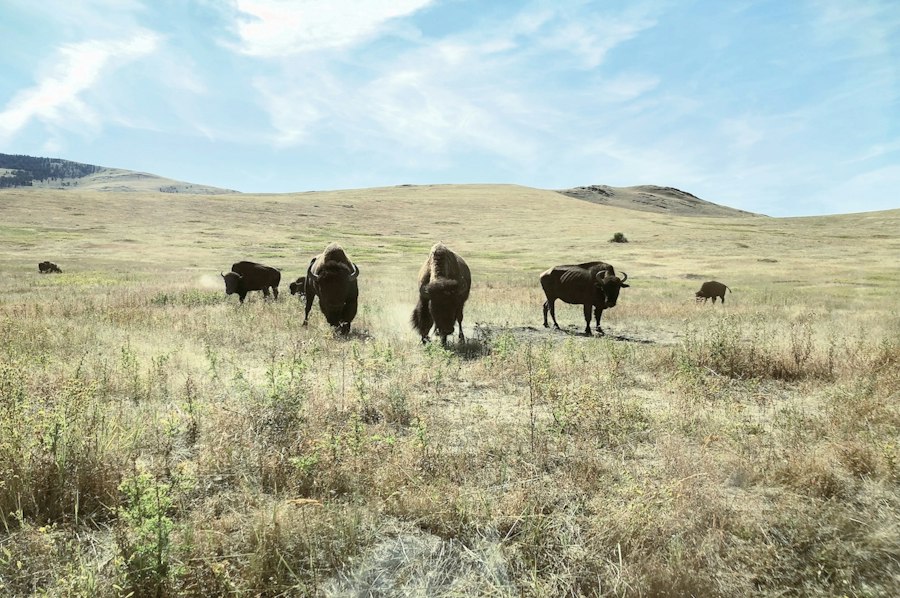
The Pleistocene was an age of giants. Massive mammals like woolly mammoths, giant sloths, saber-toothed cats, and dire wolves roamed the Earth. The end of this epoch, however, witnessed a widespread and abrupt extinction event that claimed the lives of a staggering proportion of these iconic megafauna. The causes of this mass extinction remain a subject of intense debate, with scientists proposing a complex interplay of factors.
Climate Change as a Catalyst for Extinction
The Pleistocene was characterized by dramatic climate fluctuations, with repeated cycles of glacial and interglacial periods. These shifts profoundly impacted ecosystems, altering vegetation patterns, water availability, and habitat suitability. Many scientists argue that the rapid warming and deglaciation at the end of the last glacial period (the Pleistocene-Holocene transition) placed immense pressure on large herbivores that were adapted to colder, more stable environments. Their specialized diets, reliance on vast grazing lands, and slower reproductive rates may have made them particularly vulnerable to these rapid environmental transformations. The fragmentation of habitats due to rising sea levels and changing vegetation zones could have isolated populations, reducing genetic diversity and making them more susceptible to disease and local extinctions. Furthermore, the onset of human hunting pressure, discussed below, could have exacerbated these climate-induced stresses. The challenge lies in disentangling the precise impact of climate change from other contributing factors. While climate models can reconstruct past environmental conditions with increasing accuracy, linking specific climatic events to the demise of particular species requires detailed paleoecological data, such as pollen analysis, ice core records, and sedimentary studies, to reconstruct the vegetation and climate history of the regions where these animals lived. Understanding how different megafauna species responded to past climatic shifts can provide crucial insights into their vulnerability and resilience, helping us to forecast potential impacts of future climate change on modern ecosystems.
The Role of Human Predation: A Hunter’s Footprint
The arrival and spread of anatomically modern humans during the Pleistocene undeniably coincided with the decline and extinction of many megafauna species. This temporal correlation has led to the “overkill hypothesis,” which posits that human hunting played a significant role, if not the primary role, in these extinctions. As humans developed more sophisticated hunting tools and techniques, they may have exerted unprecedented pressure on these large, often slow-reproducing animals. The ability of humans to cooperate in large hunting parties, to track prey across vast distances, and to adapt their hunting strategies to different environments would have provided a significant advantage. Evidence supporting this hypothesis comes from kill sites, where large quantities of animal bones are found alongside stone tools, suggesting systematic hunting. Furthermore, the geographical pattern of extinctions often mirrors the pattern of human dispersal, with the most severe losses occurring in regions that were colonized by humans most recently. However, the overkill hypothesis is not without its critics. Some argue that the hunting pressure from early human populations, while significant, may not have been sufficient to drive entire species to extinction, especially in the face of other environmental challenges. The lack of widespread evidence of mass human kills for many species, and the fact that some megafauna persisted for millennia after human arrival in certain areas, also cast doubt on a sole reliance on this explanation. The debate continues to be fueled by the ongoing discovery of new archaeological sites and the application of advanced analytical techniques, such as stable isotope analysis of animal bones to infer diet and environmental conditions, and population modeling to estimate sustainable hunting rates. The true story of megafauna extinction likely involves a complex synergy between human activity and climatic pressures, a delicate balance that ultimately tipped the scales for many of these magnificent creatures.
The Enigmatic Art and Symbolism of the Upper Paleolithic

The Upper Paleolithic period, spanning roughly 40,000 to 10,000 years ago, is renowned for the explosion of sophisticated art, adornment, and symbolic behavior. Cave paintings of breathtaking realism, intricate sculptures, and personal ornaments crafted from bone, ivory, and shells offer a tantalizing glimpse into the cognitive and cultural worlds of our ancestors. However, the precise meaning and function of these artistic expressions remain largely enigmatic.
Decoding the Meaning Behind Cave Art
The iconic cave art found in sites like Lascaux, Chauvet, and Altamira, depicting a vibrant array of animals, human figures, and abstract signs, continues to perplex researchers. Were these paintings purely aesthetic, created for the pleasure of artistic expression? Or did they serve more profound purposes? Theories abound, ranging from shamanistic rituals and magical practices aimed at ensuring successful hunts, to narrative storytelling, the marking of territories, or even as educational tools for passing down knowledge about the natural world. The sophistication of the artwork, the use of perspective, and the vibrant colors suggest a deep understanding of observation and artistic technique. The presence of abstract symbols alongside animal depictions hints at a complex symbolic language that we are only beginning to decipher. Researchers are employing advanced imaging techniques to analyze pigments, reconstruct the original appearance of paintings, and identify subtle details previously overlooked. The discovery of new cave art sites, particularly in regions previously thought to be devoid of such expressions, is continually expanding our dataset and challenging existing interpretations. The consistent depiction of certain animal species across vast geographical areas suggests shared cultural beliefs or a common understanding of their significance. Unraveling the meaning behind these ancient masterpieces is not merely an artistic endeavor; it is a crucial step in understanding the development of abstract thought, symbolic communication, and the very origins of human culture and consciousness.
The Significance of Personal Adornment and Early Material Culture
Beyond the grand canvases of cave walls, the Upper Paleolithic people also left behind a wealth of smaller, personal artifacts that speak volumes about their lives. Beads made from shell, animal teeth, and bone, meticulously crafted pendants, and carved figurines, often depicting the human form or animals, have been unearthed from numerous sites. The presence of these personal adornments suggests a developed sense of self, an appreciation for beauty, and a desire for social signaling. Did these ornaments denote status, gender, or group affiliation? Were they believed to possess protective qualities or to represent spiritual beliefs? The intricate craftsmanship involved in their creation, often requiring specialized tools and considerable time investment, indicates a level of skill and a prioritization of non-essential items, suggesting a society that had moved beyond mere subsistence. The widespread distribution of certain types of beads and pendants across Europe and Asia indicates interconnectedness and exchange networks, hinting at early forms of trade or social interaction between distant groups. Studying the material composition and stylistic variations of these artifacts can provide insights into raw material sourcing, technological capabilities, and the transmission of cultural ideas. The “Venus figurines,” for example, with their exaggerated female features, continue to spark debate about their role in fertility cults or as representations of idealized female forms. These seemingly small objects, therefore, offer a profound window into the social structures, belief systems, and aesthetic sensibilities of our ancient ancestors, revealing a complexity of human experience that extends far beyond basic survival.
The Puzzle of Pleistocene Innovations: Technology and Adaptation
The Pleistocene epoch was a crucible of innovation, marked by the development and refinement of stone tools, the mastery of fire, and the gradual emergence of more complex social structures. These advancements were not only crucial for human survival in a challenging and dynamic world but also laid the foundation for future technological and cultural leaps.
The Evolution of Lithic Technologies
The story of human technological prowess during the Pleistocene is largely told through the evolution of stone tools, or lithic technology. From the simple, hand-axe dominated Oldowan industry of the early Pleistocene to the more refined and specialized tools of the Middle and Upper Paleolithic, this progression reflects increasing cognitive abilities, planning depth, and a sophisticated understanding of material properties. The Acheulean hand-axe, a ubiquitous tool for millions of years, represents a significant step in standardization and foresight. Later, the Levallois technique, a complex multi-stage process for creating predictable flake tools, marked a leap in abstract thinking and systematic production. The Upper Paleolithic saw the emergence of even more diverse toolkits, including blades, burins, and scrapers, tailored for specific tasks such as butchery, woodworking, and hide preparation. The development of composite tools, where stone points were hafted onto wooden handles, further enhanced their efficiency and versatility. However, the precise drivers behind these technological shifts are not always clear. Were they driven by increasing environmental pressures, the need to exploit new resources, or simply by the iterative process of innovation and learning within human groups? The study of wear patterns on stone tools, experimental archaeology, and the analysis of the geological sourcing of lithic materials are crucial for understanding the function, production, and spread of these technologies. Furthermore, the geographical variations in tool industries suggest regional adaptations and cultural traditions, hinting at the early development of distinct hominin societies. The question of “why” certain technological advancements occurred when and where they did, and what impact they had on human adaptation and expansion, remains a central mystery in understanding our evolutionary journey.
The Strategic Control of Fire: A Transformative Discovery
The mastery of fire represents one of humanity’s most profound technological achievements, with clear evidence of its controlled use emerging during the Middle Pleistocene, roughly 400,000 years ago, though earlier intermittent use is also debated. The ability to harness fire offered a multitude of advantages, profoundly impacting human biology, social organization, and environmental interaction. Fire provided warmth, allowing hominins to inhabit colder climates and to survive during frigid nights. It offered protection from predators, deterring them with light and flames. Crucially, fire enabled the cooking of food, rendering it more digestible, unlocking essential nutrients, and reducing the risk of foodborne pathogens. This dietary shift may have played a significant role in the evolution of larger brains and the development of more complex digestive systems. Beyond these immediate benefits, fire also revolutionized toolmaking, enabling the hardening of wooden spears and potentially the development of heat-treated stone tools, improving their flaking properties. The social implications of fire were also immense. It provided a focal point for group gathering, fostering social cohesion, communication, and the transmission of knowledge. Yet, the precise origins of controlled fire use, the exact mechanisms of its initial harnessing, and the social implications of this transformative discovery continue to be areas of active research. The interpretation of archaeological evidence, such as hearth features, burnt bone, and heat-altered stones, requires careful analysis to distinguish natural fires from human-controlled ones. Understanding the timeline and diffusion of fire control is vital for grasping the pace of human cultural and technological development during this critical period.
Ancient history is filled with intriguing mysteries, particularly those from the Pleistocene era, which continue to captivate researchers and enthusiasts alike. One fascinating aspect is the exploration of early human migration patterns and their interactions with megafauna. For a deeper dive into the complexities of our past, you can read about the enigmatic landscapes that shaped human history in the article found here: navigating the unknown. This resource sheds light on how ancient civilizations adapted to their environments, offering insights into the mysteries that still puzzle historians today.
The Mysteries of Pleistocene Climate and Its Global Impacts
| Mystery | Description | Estimated Time Period | Location | Significance |
|---|---|---|---|---|
| The Denisovans | Discovery of a previously unknown hominin species through DNA analysis of bone fragments. | Approx. 100,000 – 50,000 years ago | Denisova Cave, Siberia | Revealed complexity of human evolution and interbreeding with Homo sapiens. |
| Clovis Culture Origins | Debate over the origins and migration routes of the Clovis people, known for distinctive stone tools. | Approx. 13,000 years ago | North America | Important for understanding early human settlement in the Americas. |
| Extinction of Megafauna | Mysterious disappearance of large Pleistocene animals like mammoths and saber-toothed cats. | Approx. 12,000 – 10,000 years ago | Worldwide, especially North America and Eurasia | Impacts on ecosystems and human hunting practices remain debated. |
| Göbekli Tepe | Ancient megalithic site predating agriculture, challenging ideas about hunter-gatherer societies. | Approx. 11,600 years ago | Modern-day Turkey | Suggests complex social structures existed before farming. |
| Ice Age Art | Early cave paintings and carvings whose meanings and purposes are still debated. | Approx. 40,000 – 12,000 years ago | Europe and Asia | Provides insight into cognitive and cultural development of early humans. |
The Pleistocene Epoch was defined by its dramatic climatic fluctuations, a period of intense glacial cycles interspersed with warmer interglacial periods. These swings in global temperature had profound and far-reaching consequences for Earth’s ecosystems, sea levels, and the distribution of life. Unraveling the precise mechanisms driving these cycles and their intricate impacts remains a cornerstone of paleoclimatology.
The Drivers of Glacial-Interglacial Cycles
The rhythmic waxing and waning of ice sheets during the Pleistocene, known as glacial-interglacial cycles, are primarily attributed to variations in Earth’s orbit around the sun, known as Milankovitch cycles. These cycles influence the amount and distribution of solar radiation reaching Earth’s surface. Specifically, changes in the eccentricity of Earth’s orbit, the tilt of its axis (obliquity), and the wobble of its axis (precession) create long-term patterns that drive glacial periods (when ice sheets advance) and interglacial periods (when they retreat). However, these orbital variations alone do not fully explain the amplitude and abruptness of some climate shifts. Positive feedback mechanisms, such as changes in atmospheric greenhouse gas concentrations (primarily carbon dioxide and methane), play a crucial role in amplifying these orbital signals. As ice sheets grow, they reflect more sunlight, leading to further cooling. Conversely, as they melt, they expose darker land and ocean surfaces that absorb more solar radiation, leading to warming. The intricate interplay between orbital forcing and these feedback mechanisms creates the complex rhythm of Pleistocene climate change. Reconstructing these past climate states relies heavily on analyzing proxy data, such as ice cores which trap ancient atmospheric gases, deep-sea sediment cores that record oceanographic conditions and the types of marine organisms present, and terrestrial paleoecological records like pollen and fossil assemblages. Understanding these cycles is not just an academic pursuit; it is fundamental to understanding how Earth’s climate system responds to subtle forcings and feedbacks, offering crucial insights into potential future climate scenarios. The precise timing and magnitude of these shifts, and how they varied across different regions of the globe, continue to be refined through ongoing research.
Sea Level Fluctuations and Their Geological Signatures
The massive ice sheets that characterized glacial periods locked up vast quantities of water, leading to significant drops in global sea levels. During interglacial periods, as these ice sheets melted, sea levels rose, inundating coastal areas. These dramatic fluctuations in sea level left indelible marks on Earth’s geology, creating unique landforms and altering coastlines. In coastal regions, evidence of past sea levels can be found in the form of elevated marine terraces, fossiliferous deposits found above present-day sea level, and submerged shorelines and ancient harbors. The vast expanses of continental shelves, now underwater, were exposed during glacial periods, creating land bridges that facilitated the migration of both humans and animals. The Bering Land Bridge, connecting Asia and North America, is a prime example, playing a pivotal role in the peopling of the Americas. Conversely, during interglacial periods, these land bridges were submerged, isolating populations and leading to unique evolutionary trajectories. The study of these geological signatures, alongside evidence from paleo-sea level indicators like coral reefs and sediment cores, allows scientists to reconstruct the history of sea level change with remarkable precision. Understanding these fluctuations is crucial for comprehending past patterns of migration, resource availability, and the geological history of our planet. It also provides valuable context for understanding the impacts of present-day sea level rise driven by anthropogenic climate change, offering a deep-time perspective on the vulnerability of coastal environments and human populations. The Pleistocene, therefore, serves as a crucial archive of Earth’s dynamic history, with its ancient mysteries continuing to reveal profound truths about our planet and our place within it.