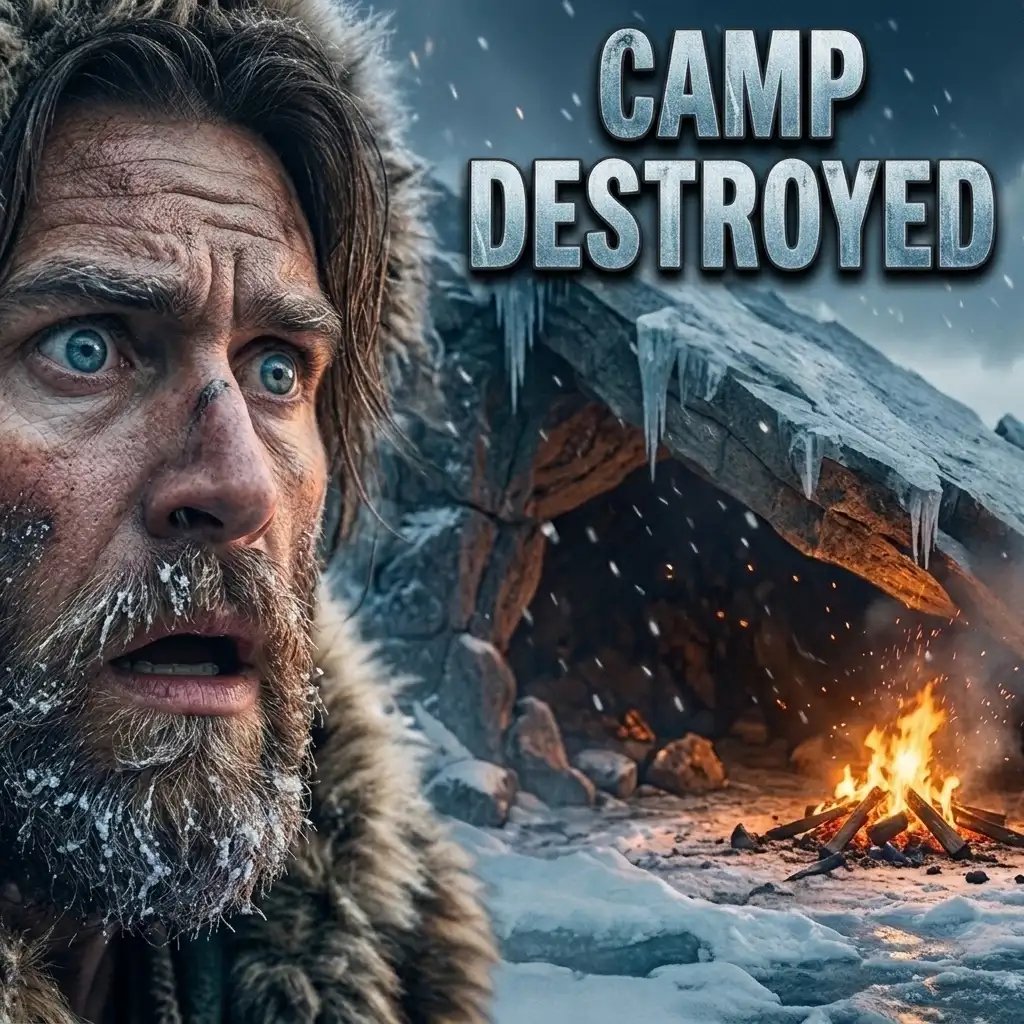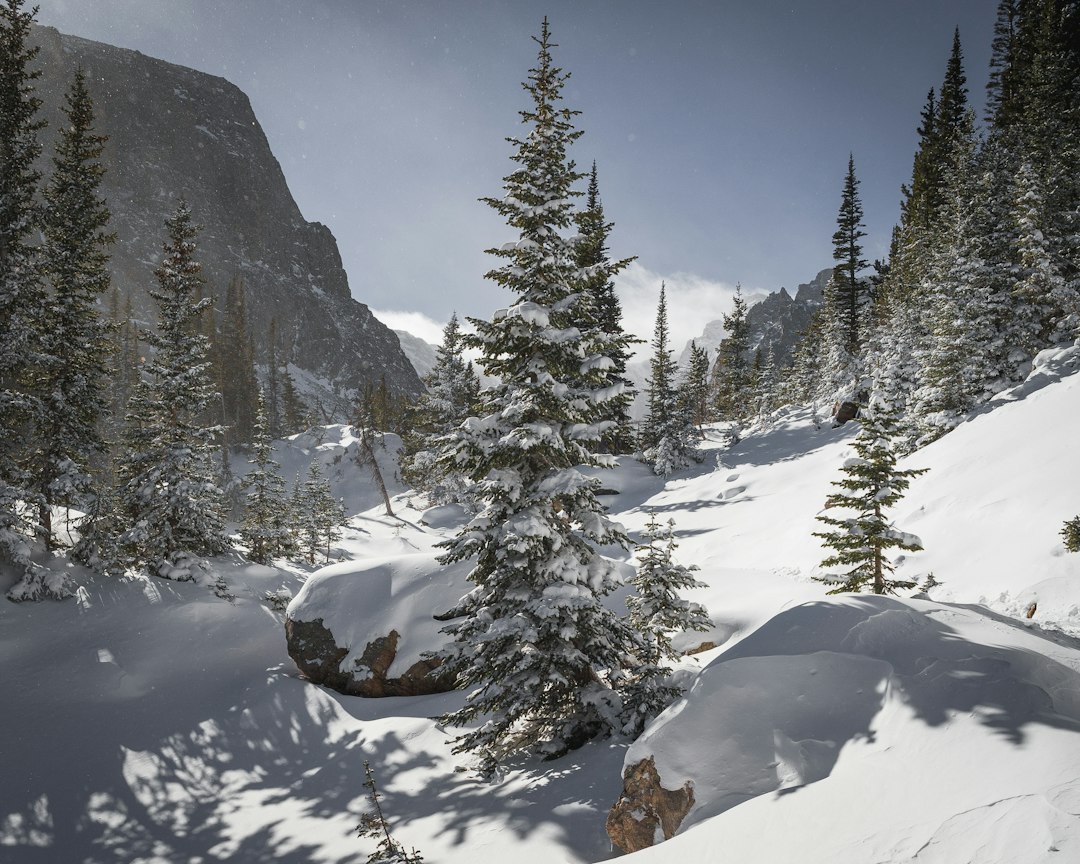
The biting wind, a sculptor of ice and snow, paints the landscape in stark, monochrome beauty. This is the cinematic winter wilderness, a realm of breathtaking grandeur and unforgiving challenge. For early humans, these frozen expanses were not merely backdrops for dramatic tales of survival; they were the very fabric of their existence. The ability to navigate, endure, and thrive in such environments was a testament to their ingenuity, resilience, and profound understanding of the natural world. The chronicles of these ancient peoples offer a captivating glimpse into a time when the raw power of winter demanded an equally potent response from humanity, a time when survival was a daily, meticulously crafted masterpiece against a backdrop of immense, indifferent beauty.
The Unrelenting Canvas: Environmental Pressures of Pleistocene Winters
The Pleistocene epoch, often referred to as the Ice Age, presented early humans with a formidable array of environmental pressures, particularly during its protracted and intense winter periods. These were not fleeting frosts but prolonged seasons of deep cold, reduced daylight, and scarce resources that fundamentally shaped human evolution and behavior. The sheer scale of glacial expansion meant that vast swathes of land, previously habitable, became locked in ice, forcing populations to adapt or perish. The world was a fundamentally different place, a stark and often brutal testament to the forces of nature.
Permafrost and Glacial Encroachment
The constant presence of permafrost, ground that remains frozen for at least two consecutive years, dictated settlement patterns and resource availability. In regions experiencing glaciation, immense ice sheets advanced and retreated, dramatically altering coastlines, river courses, and vegetation zones. These glaciations were not merely aesthetic phenomena; they were powerful geological forces that reshaped the very land. The advancing ice would scour the landscape, obliterating existing ecosystems and creating new, often barren, terrain in its wake. Retreating glaciers, conversely, could leave behind vast outwash plains, lakes, and moraines, creating unique but challenging habitats. Early humans had to possess an intimate knowledge of glacial cycles and their impact on the landscape to predict the availability of hunting grounds, water sources, and shelter. The sheer physical presence of these ice masses was a constant, awe-inspiring reminder of the power of the natural world.
Fluctuating Resource Availability
Winter, by its very nature, is a period of scarcity. For early humans, this scarcity was amplified by the extreme conditions. Plant life dwindled, offering little sustenance, and many animal species migrated to warmer climes or entered hibernation. The available prey would become more concentrated, but also more wary and harder to hunt. Imagine the desperation of an early human family watching their food stores dwindle as the days grew shorter and the snow piled higher. The successful hunter was not just strong and agile, but also possessed an uncanny understanding of animal behavior, tracking skills honed over generations, and the ability to exploit the limited opportunities presented by the frozen environment. This reliance on hunting meant that the health of the prey population was directly linked to human survival. A harsh winter that decimated the local herbivores would inevitably lead to a desperate struggle for survival for the human communities dependent on them.
The Peril of Extreme Cold and Darkness
The physiological toll of extreme cold cannot be overstated. Hypothermia was a constant threat, and the long hours of darkness reduced hunting and foraging opportunities, increasing the psychological burden of isolation and fear. Early humans had to develop sophisticated strategies to combat the cold, from the meticulous crafting of insulated clothing and shelters to the efficient management of fire. The sheer physical effort required to simply stay warm – gathering fuel, maintaining fires, moving constantly – was a significant drain on energy resources. The darkness was more than just an absence of light; it was a period of heightened vulnerability, where unseen predators lurked and the risk of getting lost increased exponentially. The knowledge of safe routes, the ability to navigate by the stars or subtle landmarks, and the development of communal living to share warmth and vigilance were all crucial adaptations.
In exploring the themes of cinematic winter wilderness survival and the resilience of early humans, one can draw parallels to the broader societal challenges depicted in various narratives. A related article that delves into the complexities of human survival in the face of adversity is available at this link: The Impact of Political Fragmentation. This piece examines how societal divisions can affect collective survival, much like the struggles faced by early humans in harsh environments.
Ingenuity in the Ice: The Arsenal of Survival
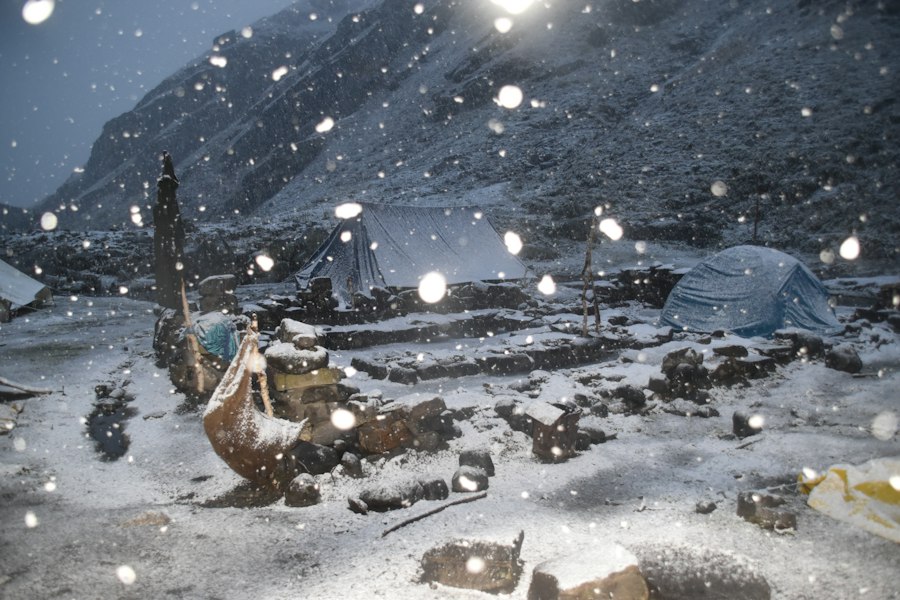
Facing such formidable challenges, early humans did not passively succumb to the elements. Instead, they marshaled their intellect and developed an impressive array of tools, techniques, and social structures that allowed them to not only survive but to thrive in these harsh winter landscapes. Their lives were a testament to the power of innovation born out of necessity, a continuous process of learning and adaptation.
The Mastery of Fire and Shelter
Fire was, perhaps, the single most crucial element in early human survival during winter. It provided warmth, allowing humans to extend their active hours and survive in previously uninhabitable regions. It was also essential for cooking food, making it more digestible and releasing vital nutrients, as well as for purifying water and warding off predators. The ability to create and maintain fire was a skill passed down through generations, a sacred knowledge. Shelters, ranging from simple windbreaks to more elaborate constructed dwellings, offered protection from the elements. Caves and rock overhangs were natural advantages, but early humans also learned to construct durable shelters using materials like animal hides, wood, bone, and snow. The construction of a robust winter dwelling would have been a significant communal undertaking, requiring planning, labor, and a deep understanding of structural integrity.
Huddling for Warmth: Communal Living and Social Bonds
The creation of communal living spaces, often centered around a central hearth, fostered warmth through shared body heat and provided a sense of security. These communal arrangements were not just about physical survival; they were vital for social cohesion, the transmission of knowledge, and the psychological well-being of the group. In the long, dark winters, the bonds forged within these groups were essential. Stories were told, skills were shared, and anxieties were soothed through mutual support. This collective spirit was a powerful counterpoint to the isolating nature of the wilderness. The rhythmic sounds of shared life – the crackling fire, the murmur of voices, the soft breathing of sleeping companions – would have been a comforting presence against the howling winds outside.
In exploring the themes of cinematic winter wilderness survival and the resilience of early humans, one can draw intriguing parallels to the harsh environments depicted in films. The challenges faced by our ancestors in extreme cold are reminiscent of the modern-day explorations of subglacial lakes in Antarctica, where scientists uncover hidden ecosystems beneath thick ice. This fascinating intersection of survival and discovery is highlighted in an article that delves into the secrets of these mysterious lakes, shedding light on how life can thrive in seemingly inhospitable conditions. To learn more about this captivating subject, you can read the article here.
Advanced Toolmaking for a Frozen World
The tools and technologies developed by early humans were remarkably sophisticated, adapted to the specific needs of winter survival. Bone and stone were meticulously shaped into tools for hunting, butchering, and crafting. The development of specialized tools for working with bone, antler, and hide allowed for the creation of durable clothing, footwear, and other essential items. The sharpness and precision of flint tools were critical for tasks like skinning animals and preparing meat, maximizing the use of every kill. The ability to craft tools from a variety of materials, understanding the strengths and weaknesses of each, was a hallmark of their resourcefulness. From the finely honed spear points designed to bring down large game to the bone needles used to stitch together protective garments, each tool represented a solution to a specific survival problem.
The Art of the Spear and the Arrowhead
The hunting of large game, a crucial source of calories and materials during winter, required sophisticated weaponry. The spear, often tipped with meticulously crafted stone or bone points, was a primary weapon. Later developments saw the introduction of the spear-thrower (atlatl), which greatly increased the range and force of a thrown spear. The efficiency of these hunting tools directly impacted the survival rates of early human groups. The successful hunter, armed with these innovations, could provide for their community, ensuring the continuation of their lineage. The precise hafting of stone points onto wooden shafts, the careful selection of wood for its flexibility and strength, and the knowledge of how to balance a spear for maximum impact were all skills of paramount importance.
From Hide to Home: Crafting Insulated Garments
The creation of effective clothing was a monumental achievement. Animal hides, expertly treated and sewn together, provided insulation and protection from the wind and cold. The development of bone needles and sinew thread allowed for the intricate stitching of complex garments, including multiple layers, hoods, and footwear. These were not mere coverings; they were carefully engineered systems designed to trap body heat and repel the external elements. The ability to preserve and work with animal hides was a vital skill, transforming a raw resource into life-saving apparel. The meticulous scraping of fat and flesh from hides, the softening and stretching of the material, and the careful cutting and stitching all contributed to the final product. The complexity of the patterns and the number of pieces in some reconstructed garments speak to the advanced tailoring skills of these early peoples.
Mastering the Hunt: Tracking and Strategy
Surviving winter meant mastering the hunt. This involved an intimate understanding of animal behavior, migratory patterns, and the subtle signs left in the snow and ice. Tracking skills were paramount, allowing hunters to locate prey even when it was scarce. Furthermore, developing effective hunting strategies, often involving coordinated group efforts, was essential for bringing down large and dangerous animals. The knowledge of animal territories, breeding cycles, and seasonal movements allowed for efficient planning and successful procurement of food. Imagine the patience and keen observation required to follow a faint track across a vast, snow-covered plain, or the strategic thinking involved in planning an ambush for a herd of mammoths. These were not instinctual acts but learned behaviors, honed through observation and experience.
Reading the Landscape: Signs in the Snow
The snowy landscape, while seemingly uniform, was a rich text for those who knew how to read it. Animal tracks, scat, disturbed snow, and broken vegetation all provided vital clues about the presence and movement of prey. The ability to interpret these signs allowed hunters to conserve energy and avoid fruitless pursuits. A subtle shift in the wind, a particular pattern of footprints, or the absence of a certain type of vegetation could all signal the presence of food. This intimate connection with the environment meant that the landscape was not just a physical space but a living, breathing entity filled with information. Early humans possessed a profound ecological literacy, a deep understanding of the interconnectedness of all living things within their environment.
The Cooperative Chase: Group Hunting Tactics
For many large prey animals, individual hunting was often too dangerous and inefficient. Early humans developed sophisticated group hunting tactics, involving coordinated movements, ambushes, and the use of terrain to their advantage. These cooperative efforts required clear communication, trust, and a shared understanding of the plan. The success of these hunts was a direct result of effective social organization and the ability to work together towards a common goal. The formation of hunting parties, the assignment of roles, and the silent signaling between individuals during a hunt all demonstrate a high level of social intelligence and cooperation. The thrill of a successful group hunt, followed by the communal sharing of the bounty, would have been a powerful bonding experience, reinforcing the importance of collective action.
The Cognitive Edge: Knowledge Transmission and Adaptation

Beyond the physical tools and techniques, the enduring survival of early humans in harsh winter landscapes was deeply rooted in their cognitive abilities. The capacity for abstract thought, memory, and the transmission of knowledge across generations allowed them to accumulate and refine strategies over millennia, constantly adapting to the ever-changing demands of their environment.
Oral Traditions and the Passing of Wisdom
The absence of written language did not equate to a lack of knowledge. Instead, early humans relied on rich oral traditions, stories, myths, and songs to transmit vital information about survival. These narratives contained practical knowledge about animal behavior, plant properties, weather patterns, and effective hunting and shelter-building techniques. These were not just fanciful tales; they were mnemonic devices, encoded with essential survival information that ensured the continuation of their way of life. Imagine the elder recounting the tale of a particularly harsh winter, weaving in lessons about the best places to find stored food or the signs that indicated an impending blizzard. These stories were living libraries, vital for the education of younger generations.
The Stories of the Hunt and the Hearth
The narratives passed down through generations often centered on the triumphs and struggles of the hunt, the ingenuity required to survive the cold, and the importance of community. These stories served not only to educate but also to reinforce cultural values and foster a sense of shared identity. The retelling of these tales around the communal hearth would have been a cornerstone of social life, a ritual that connected the present to the past and offered lessons for the future. The recurring themes of bravery, resourcefulness, and cooperation would have instilled these virtues in the young, preparing them for the challenges ahead.
Learning from Experience and Innovation
Early humans were keen observers of their environment and relentless experimenters. They learned from the successes and failures of each hunting season and each harsh winter, gradually refining their tools and techniques. This iterative process of learning and innovation was crucial for adaptation. The discovery of a new way to sharpen a stone tool, the realization that a particular plant had medicinal properties, or the development of a more efficient method for preserving meat – all these small advancements, accumulated over time, made a significant difference in survival rates. The capacity for abstract thought allowed them to hypothesize about cause and effect, to test their ideas, and to incorporate successful innovations into their established practices.
The Accidental Discovery and the Deliberate Refinement
Many advancements likely began with accidental discoveries, followed by deliberate attempts to understand and replicate the phenomenon. A hunter observing an animal using a particular plant to heal a wound, for instance, could then experiment with that plant themselves. Similarly, a broken tool might lead to insights into how to fashion a stronger or more effective one. This blend of serendipity and systematic investigation was a powerful engine of technological progress. The slow, incremental nature of this progress, often spanning many generations, highlights the immense patience and persistence of these early peoples.
The Social Network: Intergroup Exchange and Knowledge Sharing
While individual groups developed their own unique strategies, there was also evidence of intergroup exchange of knowledge and resources. Through trade and migration, ideas and innovations could spread across wider geographical areas, accelerating the pace of adaptation. The sharing of techniques for toolmaking, hunting strategies, or even knowledge of medicinal plants could have been crucial for the survival of entire populations. The understanding that neighboring groups possessed valuable knowledge that could benefit their own community would have fostered a degree of cooperation and mutual reliance, even in competitive environments. The discovery of similar tool types or hunting techniques across distant archaeological sites points to this vital network of knowledge exchange.
The Legacy in the Ice: Enduring Impacts and Modern Echoes
The stories of early human survival in cinematic winter wildernesses are more than just tales of ancient hardship. They offer profound insights into the resilience of the human spirit, the power of adaptation, and the deep interconnectedness between humanity and its environment. The lessons learned in those frozen epochs continue to resonate today, informing our understanding of human evolution, our relationship with nature, and our capacity for innovation.
Understanding Human Origins and Migration
The study of ancient human settlements in cold climates provides crucial evidence for understanding human migration patterns and the remarkable adaptability of our ancestors. The presence of early human artifacts and remains in regions that are now inhospitable offers a glimpse into how far and how successfully our species has spread across the globe. These findings help us piece together the complex tapestry of human history, tracing our journey from our origins to our current global presence. The remarkable ability of early humans to colonize even the most challenging environments speaks volumes about their inherent drive and their capacity to overcome obstacles.
The Anthropocene and Climate Change: A Historical Perspective
In an era of rapid climate change, the challenges faced by early humans in harsh winter environments offer a valuable historical perspective. Their intimate knowledge of resource management, their reliance on sustainable practices, and their ability to adapt to fluctuating conditions serve as a reminder of the delicate balance between human societies and their environment. The consequences of environmental shifts for their survival underscore the importance of ecological stewardship for our own future. The lessons of their struggles in a naturally changing climate can inform our approach to the human-induced environmental changes we face today.
Modern Echoes of Ancient Ingenuity
While our modern technologies have drastically altered our relationship with winter, the spirit of ingenuity and resilience that defined early human survival continues to inspire. The drive to innovate, to adapt, and to understand our environment remains a fundamental human trait. The lessons from those who braved the cinematic winter wildernesses remind us of the enduring power of human adaptability, a testament to our capacity to not just endure but to thrive in even the most challenging circumstances. The echoes of their struggles and triumphs can be found in our ongoing efforts to understand and navigate our complex world, reminding us of the deep roots of our own resilience.