
The primal chill of the Pleistocene era was a formidable adversary, particularly for the most vulnerable members of early human societies: infants. Survival, a constant struggle against hunger, predators, and the elements, placed an immense premium on ensuring the warmth and well-being of the next generation. Stone Age families, lacking the manufactured comforts of modern life, relied on ingenuity, natural resources, and intimate communal effort to keep their precious babies safe from hypothermia. Their strategies, born of necessity and deep understanding of their environment, paint a vivid picture of human resilience and the enduring power of parental care.
Shelter: The First Line of Defense Against the Cold
The foundational element of keeping a Stone Age baby warm was the quality of their dwelling. While the image of nomadic hunters perpetually on the move is prevalent, evidence suggests that many Stone Age groups, particularly as they developed more sophisticated toolkits and social structures, established more permanent or semi-permanent shelters. These offered a crucial buffer against wind, rain, and biting temperatures.
Caves and Rock Shelters: Natural Fortresses
Caves and rock shelters provided natural insulation, their solid rock walls absorbing daytime heat and radiating it slowly throughout the night. Families would often choose the deepest, most protected recesses within these natural formations, away from the entrance where drafts were most severe. The strategic placement within a cave offered a microclimate, often significantly warmer and drier than the exposed landscape. Archaeological evidence, such as hearths found deep within cave systems, indicates consistent occupation and the creation of comfortable living spaces. The presence of children’s tools or toys, though rare, further suggests these were family dwelling sites.
Constructed Dwellings: Engineering for Warmth
Beyond natural formations, Stone Age peoples also constructed their own shelters. These could range from simple lean-tos to more elaborate structures. For colder climates, these dwellings were often built with thick walls made from a variety of insulating materials.
Mammoth Bone Huts
In the harsh, treeless landscapes of Upper Paleolithic Europe, mammoths provided not only sustenance but also the raw materials for robust shelters. Mammoth bones, particularly the large leg bones and skulls, were used as structural supports, forming the framework of circular or semi-spherical dwellings. These were then covered with thick layers of animal hides, often stitched together with bone needles and sinew. The sheer volume of bone and hide created a substantial barrier against the wind. Furthermore, the internal space would have been relatively small, allowing body heat to accumulate more effectively. The strategic placement of entrances, often facing away from prevailing winds, also minimized heat loss.
Huts of Wood and Mud
In regions with more abundant timber, dwellings were constructed using wooden poles and branches. These frameworks were then often plastered with a mixture of mud and straw, creating a thick, insulating layer. The mud, when dry, provided a solid, windproof shell. These structures, while perhaps less permanent than mammoth bone huts, could still offer significant protection. The addition of a thatched roof, made from dried grasses or reeds, further enhanced insulation.
Fire: The Heart of the Home and the Baby’s Heater
The control and use of fire was arguably the most transformative development for Stone Age survival, and its role in keeping infants warm was paramount. A well-maintained hearth provided not just light and a means to cook food, but a vital source of radiant heat.
Strategic Hearth Placement
Families would position their hearths strategically within their dwellings. Ideally, the fire would be located in a central position, radiating warmth in all directions. For sleeping areas, particularly those occupied by infants, beds were often placed at a safe but still warm distance from the fire. The risks of direct burns were understood, and a balance between proximity to warmth and safety was likely carefully managed. The use of fire pits, sometimes lined with stones, helped to contain the flames and direct the heat more efficiently.
Maintaining the Glow
Keeping a fire alive was a constant undertaking. Families would dedicate significant time and effort to gathering fuel, ranging from dry wood and grasses to animal dung. The ability to maintain a glowing ember overnight, rather than having to restart a fire each morning, would have been crucial for keeping babies warm during the long, cold nights. This likely involved a communal effort, with different individuals responsible for tending the fire at various times. The practice of “banking” the embers with ash would have been a sophisticated technique to preserve the heat for extended periods.
In exploring how Stone Age families kept their babies warm, it’s fascinating to consider the various methods they might have employed, such as using animal skins and creating insulated sleeping areas. For a deeper understanding of historical practices related to protection and safety, you might find the article on safeguarding valuables particularly interesting. It discusses modern strategies for protecting important possessions, which can draw parallels to how early humans prioritized the safety and well-being of their families. You can read more about it in this article: Protecting Your Gold: Safeguarding Against Government Seizure.
Clothing: The Mobile Insulation System

While shelter and fire provided stationary warmth, clothing was the essential mobile insulation system that protected babies as they were carried, moved, or played. The materials available were entirely natural, and the craftsmanship, though simple by modern standards, was highly effective.
Animal Hides and Furs: Nature’s Perfect Insulators
The primary materials for Stone Age infant clothing were animal hides and furs. Hides provided a windproof outer layer, while the fur attached to them offered exceptional trapping of warm air. Mammoth, reindeer, wolf, and fox furs were particularly prized for their insulating properties.
The Art of Tanning and Stitching
The process of preparing these hides would have been a multi-stage affair. Scraping away the fat and muscle, and then treating the skins with brain matter or other organic materials, would have softened them and made them more pliable. The stitching of these hides into rudimentary garments would have been done using bone needles and sinew, which are surprisingly strong and flexible. The precise stitching would have been essential to create snug, draft-free garments.
Layers for Maximum Warmth
Stone Age parents understood the principle of layering. A baby might be dressed in a soft, inner layer made from finely tanned hide, followed by an outer layer of thick fur. The combination of multiple layers, with air pockets trapped between them, provided superior insulation compared to a single thick garment.
Specialised Garments: Hoods and Mittens
While we might imagine simple wraps, it is highly probable that more specialized garments were developed for infants. Hooded tunics or cloaks, made from fur-lined hides, would have protected the head and neck, crucial areas for heat loss. Small, fur-lined mittens might have been fashioned to keep tiny hands warm, preventing frostbite and discomfort. The careful tailoring of these garments to fit a baby’s small body would have minimized gaps and maximized heat retention.
Bedding and Carrying Systems: Intimate Comfort and Proximity
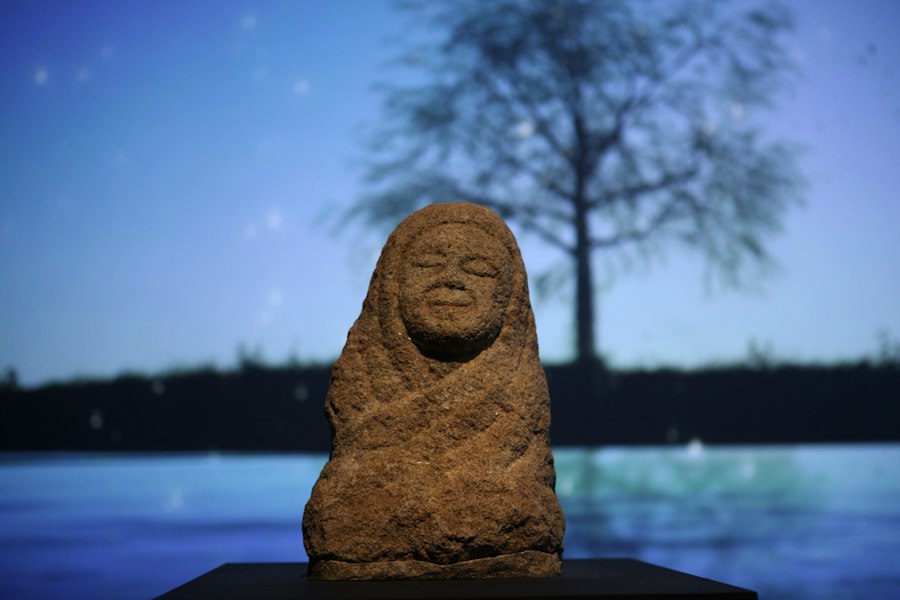
Beyond clothing and shelter, the ways in which babies were held, carried, and allowed to sleep were integral to their warmth and security. Proximity to a parent or caregiver was a vital source of heat, and specialized methods were developed to facilitate this.
Communal Sleeping Arrangements: The Warmth of the Group
In many Stone Age societies, communal sleeping arrangements were the norm. Families and even extended groups would sleep together in close proximity, sharing body heat. Infants, of course, would be nestled amongst the adults. This collective warmth was a powerful defense against the cold. The sleeping area would likely have been lined with soft furs or grasses to provide a comfortable and insulating base.
Cradleboards and Carriers: The Parent as Mobile Incubator
The development of cradleboards or carrying slings was a significant innovation for keeping infants warm and secure. These devices allowed infants to be carried constantly against the body of an adult, benefiting from their body heat.
Furs and Padding for Comfort
Cradleboards were typically made from wood or hide, and were extensively padded with soft furs and grasses. This not only provided insulation but also cushioned the baby. The careful construction ensured that the baby was held securely, preventing drafts from reaching their delicate skin. The baby’s head might be further protected by a built-in hood or a separate fur covering.
The Advantages of Constant Proximity
The constant proximity afforded by cradleboards and carriers meant that infants were rarely exposed to the ambient cold for extended periods. They were effectively shielded by the adult’s body heat and their own insulating clothing. This allowed mothers, and other caregivers, to remain active and productive while still ensuring their baby’s well-being. The act of carrying also likely provided a soothing, rhythmic motion that further contributed to the baby’s comfort and sense of security.
The Role of Diet and Hydration: Fueling the Internal Furnace
While not directly a method of external warming, the diet and hydration of both the infant and the nursing mother played a crucial role in maintaining body temperature. A well-nourished body has a greater capacity to generate and retain heat.
Breast Milk: The Perfect Nourishment and Thermoregulation
Breast milk provided infants with all the necessary nutrients for growth and development, and it also played a role in thermoregulation. The milk itself is warm, and the act of breastfeeding provided immediate warmth to the infant. Furthermore, the complex composition of breast milk, with its fats and proteins, provided essential energy for the baby’s metabolism, which in turn generated internal heat.
Nursing Mothers and Their Own Nutritional Needs
For nursing mothers, maintaining their own health and caloric intake was paramount. A mother who was herself well-nourished and warm was better able to produce nutrient-rich milk and to provide adequate body heat to her infant. This highlights the interconnectedness of the family unit in ensuring infant survival.
Solid Foods and Their Introduction
As infants began to transition to solid foods, these would have been carefully chosen for their calorific content and digestibility. Cooked roots, berries, and small amounts of easily digestible animal flesh, all providing energy to fuel the infant’s internal furnace. The careful preparation of these foods, often mashed or pureed, would have made them easier for young infants to consume.
In exploring how Stone Age families kept their babies warm, it’s fascinating to consider the various methods they employed, such as using animal skins and creating insulated sleeping areas. For a deeper understanding of how ancient practices can inform modern living, you might find it interesting to read about the economic impact of nearshoring in a related article. This connection highlights how traditional knowledge can still resonate in today’s world. You can check out the article here.
Communal Care and Instinctive Parenting: A Shared Responsibility
| Method | Description | Materials Used | Effectiveness |
|---|---|---|---|
| Skin-to-Skin Contact | Parents kept babies close to their bodies to share warmth. | Human skin | High – direct body heat transfer |
| Animal Skins and Furs | Wrapping babies in animal hides to insulate against cold. | Deer, mammoth, or other animal furs | High – natural insulation |
| Fire Proximity | Keeping babies near controlled fires for warmth. | Wood fires | Moderate – risk of smoke exposure |
| Natural Shelters | Using caves or constructed huts to shield from wind and cold. | Stone, wood, animal hides | Moderate to High – protection from elements |
| Swaddling | Wrapping babies tightly in cloth or hides to retain heat. | Plant fibers, animal skins | Moderate – heat retention and comfort |
The survival of infants in the Stone Age was not solely the responsibility of the mother. It was a deeply ingrained communal effort, driven by both instinct and necessity. The collective wisdom and support of the group were vital in keeping the youngest and most vulnerable members warm and safe.
The Extended Family and Group Support
In Stone Age societies, the concept of the nuclear family as the sole unit of childcare was likely less pronounced. Grandparents, aunts, uncles, and older siblings would all have played a role in the care of infants. This division of labor allowed mothers to rest and recover while still ensuring constant supervision and warmth for the baby. An older sibling might be tasked with watching the baby while the mother gathered food, or a grandparent might rock the baby to sleep by the fire.
Instinctual Awareness of Infant Needs
The primal instincts to protect and nurture offspring are deeply embedded in human biology. Stone Age parents and caregivers possessed an acute awareness of an infant’s needs, including the critical need for warmth. They could likely read subtle cues from their baby – a whimper, a change in breathing, or a slight stiffness – that indicated they were too cold. This instinctive understanding, honed over millennia, allowed for rapid intervention and adjustment of the baby’s environment.
The Social Fabric of Protection
The very fabric of Stone Age society was woven with threads of mutual reliance and protection. In a world where danger was ever-present, the vulnerability of an infant would have amplified the group’s protective instincts. The knowledge that the survival of the group depended on the successful maturation of its children would have fostered a powerful collective commitment to their well-being. Every member, from the most skilled hunter to the youngest child, understood their role in safeguarding the future. The warmth of the group was not just physical; it was social and emotional, providing a secure and nurturing environment for the precious lives of Stone Age babies.