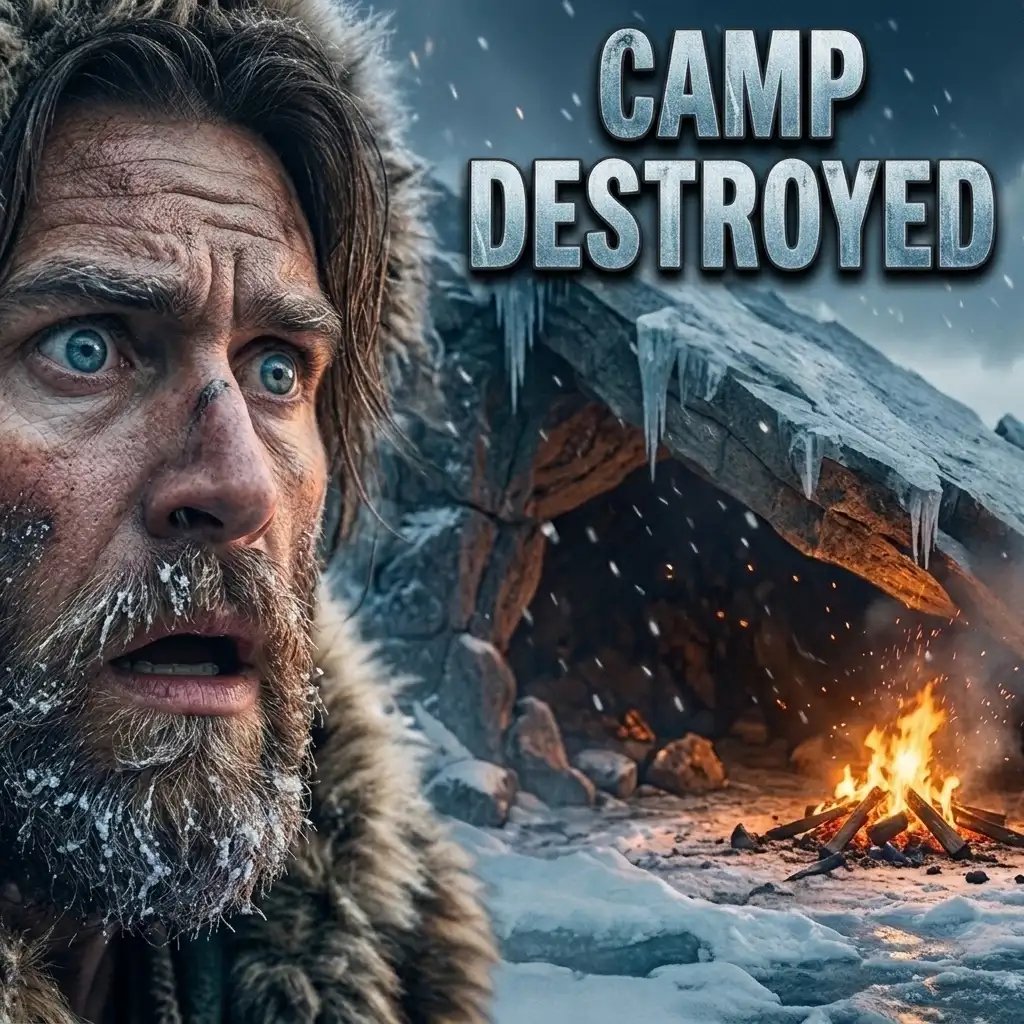
The Harsh Embrace: Navigating Winter’s Peril for the Injured
The relentless chill of winter has, for millennia, presented humanity with profound challenges. Beyond the struggle for warmth and sustenance, the unforgiving snowscapes posed a particularly acute threat to those who suffered injury or illness. For early peoples, life was often precarious, and a broken limb or a severe fever could easily spell a death sentence. Yet, necessity, that most potent of mothers, spurred the development of ingenious methods for transporting the incapacitated across treacherous, snow-covered terrain. These were not the sophisticated medical evacuations of today, but rather the product of keen observation, resourcefulness, and an intimate understanding of their environment. The stories of these ancient snow rescues are testaments to human resilience, cooperation, and the enduring drive to preserve life even in the face of overwhelming natural forces.
In exploring the resilience and ingenuity of ancient peoples, one fascinating aspect is how they transported injured individuals across challenging terrains, such as snow-covered landscapes. This practice not only highlights their resourcefulness but also sheds light on the social structures that supported communal care. For a deeper understanding of how historical societies navigated complex challenges, you might find the article on the Trading with the Enemy Act insightful, as it discusses the intricate dynamics of cooperation and conflict in human history. You can read it here: Understanding the Trading with the Enemy Act.
Ingenuity Forged in Ice: Early Tools and Techniques
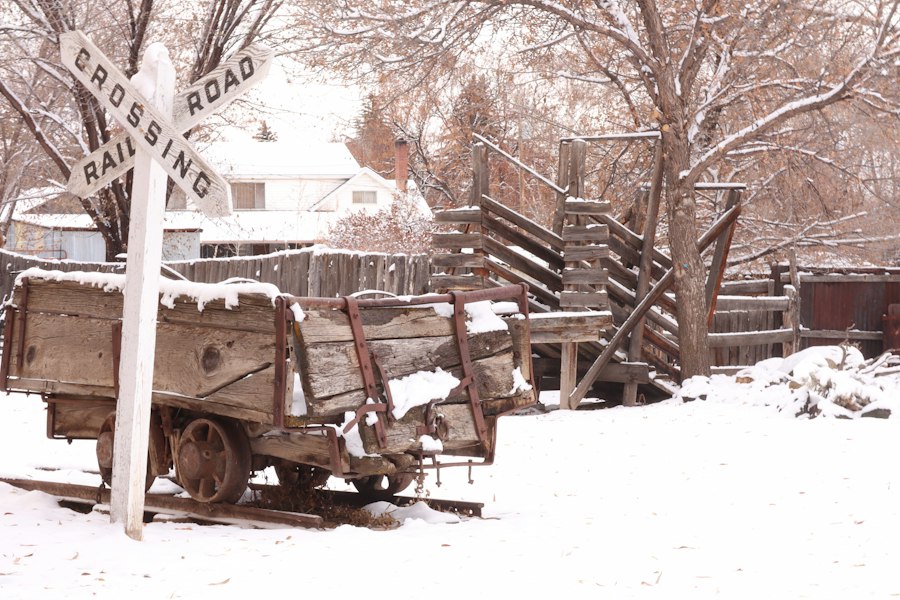
The very foundation of ancient snow rescue lay in the tools and techniques that early peoples devised to traverse their snowy domains. These were not abstract inventions but practical solutions born from the materials at hand and a deep, almost instinctive, knowledge of how to manipulate them for survival. The development of specialized footwear, the adaptation of existing technologies, and the sheer ingenuity in creating mobile platforms were crucial.
Footwear for the Frozen Frontier
The most fundamental aspect of navigating snow was the development of footwear that could distribute weight and prevent sinking. While the exact origins are lost to prehistory, archaeological evidence points to the early use of snowshoes. These were essentially frames, typically made from wood, stretched with animal hide or sinew. The broad surface area of a snowshoe dramatically reduced the pressure exerted on the snow, allowing the wearer to walk on its surface rather than plunge into it. Different cultures developed variations of snowshoes suited to their specific snow conditions. For instance, Arctic peoples often used longer, narrower snowshoes for breaking trail, while those in more forested regions might employ wider designs for better flotation in deeper powder. The craftsmanship involved was considerable; the selection of flexible yet strong wood, the meticulous stretching and securing of hides, and the precise shaping of the frame all contributed to the effectiveness of these vital tools. For an injured individual, being placed on snowshoes, or having snowshoes affixed to their feet if conscious and able, would have been the first step in any rescue attempt. This allowed for a somewhat more stable and less arduous movement compared to being dragged or carried directly on the snow.
The Sled: A Constant Companion
The sled, in its myriad forms, was arguably the most important piece of technology for ancient snow rescue. Its principle is simple: reducing friction between the load and the snow. Early sleds were likely rudimentary, perhaps nothing more than logs or branches lashed together. However, over time, more sophisticated designs emerged. In the Arctic, the Inuit developed the qamutiik, a versatile sled with raised runners that allowed it to glide over uneven snow and ice. These sleds were often constructed from bone, wood, or even frozen hides, demonstrating a remarkable ability to utilize available resources. For rescue purposes, a well-constructed sled could be laden with an injured person, wrapped in furs for warmth, and then pulled by others. The efficiency of a sled meant that a greater distance could be covered with less effort than carrying someone. The design of these sleds also took into account the need for stability; runners were often curved to prevent digging into the snow, and the overall construction aimed to distribute the weight evenly. The ability to pull a sled also allowed for the mobilization of larger rescue parties, as multiple individuals could take turns in the arduous task of hauling.
The Art of the Drag and Carry
When sleds were not available, or when the terrain was too steep or uneven for them, early peoples relied on more direct methods of transport. The drag, a basic but often effective technique, involved wrapping the injured person in animal hides or a blanket and then pulling them across the snow. This method, while physically demanding for the rescuers, minimized the direct contact of the injured with the cold snow, thus reducing heat loss. The quality of the wrapping material was paramount; thick, insulating furs would offer better protection. In some instances, a rudimentary drag could be formed by lashing poles to an animal hide, creating a more rigid and controlled platform.
Carrying an injured person directly was the most physically taxing and often the least practical method for long distances in deep snow. However, for short, critical movements, or when the injured person was lighter or the snow very shallow, it would have been employed. This could involve carrying them piggyback, or, if two or more rescuers were available, supporting them between them. These methods required immense strength and stamina, particularly in the harsh conditions of winter. The cooperative nature of these societies meant that such tasks, while grueling, were often undertaken without hesitation, a testament to their strong communal bonds.
Navigating the White Wilderness: Adapting to the Environment
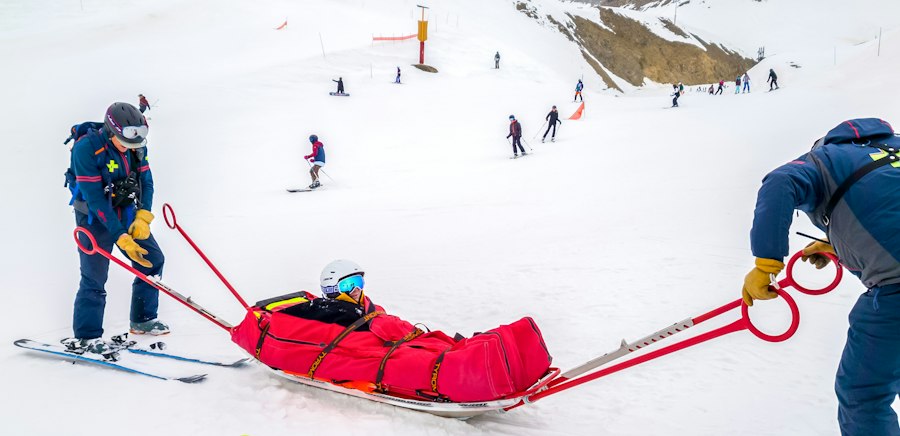
The success of any ancient snow rescue was intrinsically linked to the rescuer’s profound understanding of their environment. They were not merely travelers through the snow; they were intimately familiar with its nuances, its dangers, and its subtle cues. This knowledge allowed them to choose the safest routes, anticipate hazards, and utilize the landscape to their advantage.
Reading the Snow: Understanding its Moods
Early peoples possessed an almost intuitive ability to “read” the snow. They understood the different types of snow – powder, crust, packed snow, ice – and knew how each would affect their movement and the stability of the ground beneath. They could differentiate between fresh, deep powder which offered poor support and would be difficult to traverse, and a firm, packed snow or a well-formed snow crust which could bear weight. This knowledge was critical for selecting the safest path for a rescue. They would actively seek out routes with more stable snow, avoiding areas known for deep drifts or unstable snowpack that could lead to avalanches.
Furthermore, they understood how weather patterns influenced snow conditions. They knew that a recent snowfall would be softer and deeper, while older snow that had undergone freeze-thaw cycles might develop a dangerous ice crust. They could interpret the subtle signs of instability, such as cracking sounds in the snow or the presence of loose snow on steep slopes, and thus avoid potentially catastrophic situations. This environmental literacy was a crucial survival skill, and for rescue efforts, it meant the difference between a successful recovery and a tragic compounding of misfortune.
Route Selection: The Art of the Path
Choosing the correct route was paramount in ancient snow rescue. Rushing blindly into an unfamiliar or hazardous area could quickly overwhelm the rescuers and the injured person. Instead, experienced individuals would carefully assess the terrain, considering factors such as gradient, wind exposure, and the presence of natural shelters. They would seek out routes that offered the best compromise between directness and safety. This might involve following natural depressions or valleys that were less exposed to wind and snow accumulation, or utilizing established animal trails that often followed the most efficient and stable paths.
The presence of features like frozen rivers or lakes also presented a complex decision. While these could offer a more direct route, the risk of falling through thin ice was a constant danger. Early peoples developed an acute awareness of ice thickness and stability, often testing it with probing sticks or by observing animal behavior. If a frozen watercourse was deemed safe, it could significantly expedite a rescue. Conversely, avoiding steep, snow-laden slopes prone to avalanches was a fundamental principle. The knowledge of where snow was likely to accumulate due to wind patterns was also crucial, guiding rescuers away from potential burial sites.
Shelter and Sustenance: The Lifelines in the Cold
Any prolonged rescue operation in winter would necessitate consideration for shelter and sustenance. Early peoples were masters of improvisation when it came to creating temporary shelters. They might utilize natural features like caves or overhanging rock formations, augmenting them with branches, hides, or snow blocks to create a windbreak and provide insulation. The ability to construct a rudimentary snow shelter, such as a snow cave or a quinzee (a snow shelter built by piling snow and then hollowing it out), could be a lifesaver, providing a crucial respite from the elements and a place to warm the injured individual.
The availability of food and water, even in a survival context, was also a consideration. While the primary focus would be on rescue, the knowledge of where to find edible roots, hibernating animals, or sources of melted snow or ice would be vital for the sustenance of the rescue party. The ability to make fire, even in damp or windy conditions, would be indispensable for warmth, melting snow for water, and for signaling. This environmental knowledge extended to understanding the behavior of local fauna, which could provide both sustenance and indicators of safe passage.
Cooperative Efforts: The Strength of the Group
In the unforgiving landscapes of winter, no individual could truly stand alone. The success of ancient snow rescues hinged on the collective strength, coordination, and unwavering commitment of the group. The inherent social structures of early peoples, built on mutual aid and shared responsibility, provided the framework for these life-saving endeavors.
The Communal Spirit of Survival
For early nomadic and semi-nomadic groups, survival was a collective undertaking. The harshness of their environment fostered a deep sense of interdependence. When an individual was injured, it was not solely their personal tragedy but a concern for the entire community. This communal spirit meant that the call for help would rarely go unanswered. The effort to rescue an injured member would mobilize a significant portion of the group, pooling their strength and skills for a common goal. This collective action was not just about efficiency; it was a fundamental expression of their social contract and their shared humanity. The act of rescue reinforced social bonds, strengthening the community’s resilience in the face of adversity.
Division of Labor and Specialized Roles
Within a rescue party, a natural division of labor would likely emerge, based on individuals’ strengths and experience. Some might be designated as the primary pullers of the sled, possessing the greatest strength and stamina. Others, perhaps more agile or knowledgeable about the terrain, would take the lead in route-finding. Individuals with specific skills, such as fire-making or basic wound care (even if rudimentary), would also have vital roles to play. This specialization ensured that all aspects of the rescue were addressed efficiently. The older, more experienced members might act as strategists, guiding the younger, stronger members. Women, often skilled in preparing animal hides and tending to wounds, would be crucial in ensuring the injured person was properly insulated and cared for. This organized approach maximized the group’s effectiveness and minimized the risks associated with a chaotic or uncoordinated effort.
Communication and Coordination: Signals in the Silence
Effective communication and coordination were essential, especially in vast, snow-covered landscapes where visual contact could be easily lost. Early peoples developed a sophisticated understanding of non-verbal communication and the use of signals. Whistles, calls, and the rhythmic striking of tools could be used to maintain contact between individuals or groups spread out over distance. The deliberate use of smoke signals, even in snowy conditions, could be employed to communicate distress or to coordinate movements. In the silence of a winter landscape, these carefully orchestrated signals were vital for ensuring that the rescue party remained cohesive and that everyone was aware of the progress and any emergent dangers. This ability to coordinate actions across a distance, even with limited technology, speaks volumes about their ingenuity and their understanding of the challenges posed by their environment.
In exploring the ingenuity of ancient civilizations, one fascinating aspect is how they transported injured individuals across challenging terrains, particularly snow-covered landscapes. Techniques such as using sledges or specially designed wooden frames allowed for safer and more efficient movement. For a deeper understanding of the innovative solutions that ancient people developed in response to environmental challenges, you might find this article on apocalyptic ancient technology particularly enlightening. It highlights various lost innovations that shaped human survival and adaptation in harsh conditions.
Legacy in the Snow: Enduring Lessons
| Method | Description | Materials Used | Effectiveness | Regions |
|---|---|---|---|---|
| Sledges | Wooden or bone-framed sleds dragged by people or dogs to transport injured individuals over snow. | Wood, animal bones, leather straps | High – allowed transport over long distances with less effort | Arctic, Siberia, Northern Europe |
| Snowshoes | Large footwear to distribute weight and prevent sinking, used to carry or support injured persons. | Wooden frames, rawhide or sinew webbing | Moderate – helped rescuers move efficiently but limited carrying capacity | North America, Scandinavia |
| Human Carrying | Directly carrying injured individuals on shoulders or in makeshift slings. | Animal hides, woven fibers for slings | Low to Moderate – physically demanding and limited distance | Various cold regions globally |
| Improvised Stretchers | Using branches and animal skins to create stretchers for carrying injured persons. | Wooden poles, animal hides, ropes | Moderate – improved stability and comfort during transport | Alpine regions, Siberia |
| Dog Sleds | Teams of dogs pulling sleds with injured individuals seated or lying down. | Dogs, wooden sleds, harnesses | Very High – fast and efficient over snow-covered terrain | Arctic, Alaska, Northern Canada |
While the tools and techniques of ancient snow rescue may seem rudimentary by modern standards, their legacy is profound. They represent the earliest manifestations of human ingenuity and cooperation in the face of extreme environmental challenges. The principles they employed – resourcefulness, environmental awareness, and collective action – remain fundamental to survival and rescue operations today.
The Ancestors of Modern Rescue
The methods devised by early peoples laid the groundwork for more sophisticated rescue techniques that would evolve over millennia. The development of the sled, the snowshoe, and the understanding of how to traverse difficult snowy terrain are all direct ancestors of modern snowmobiles, specialized rescue sleds, and advanced avalanche safety equipment. The inherent understanding of snowpack dynamics, route selection, and the importance of preparedness, all honed by our ancient ancestors, continue to inform avalanche safety protocols and search and rescue strategies. Even the concept of a coordinated rescue team, with specialized roles, can be traced back to these early communal efforts.
A Testament to Human Resilience
The stories of ancient snow rescues, though often unwritten, are etched into the very fabric of human history. They are testaments to the extraordinary resilience of our ancestors, their unwavering determination to overcome adversity, and their capacity for compassion and selflessness. In a world where survival was a daily struggle, their ability to extend a helping hand to the injured, even at great personal risk, speaks volumes about their character and the enduring strength of the human spirit. These acts of bravery, performed in the silent, frozen wilderness, remind us of our shared vulnerability and our capacity for profound kindness.
The Enduring Wisdom of Indigenous Knowledge
Much of the practical knowledge that underpinned ancient snow rescue was, and continues to be, preserved within Indigenous communities around the world. Their intimate, long-standing relationship with their environments has gifted them with invaluable insights into snow dynamics, safe travel, and survival techniques. This Indigenous knowledge, often passed down through generations via oral tradition and hands-on experience, represents a rich repository of wisdom that is increasingly recognized for its crucial role in modern environmental understanding and sustainable practices. The preservation and respect for this knowledge are not just about honoring the past; they are essential for navigating the challenges of the present and future, particularly in a changing climate where understanding extreme weather events and their impact on human populations is paramount. The lessons learned from ancient snow rescues, deeply embedded in the wisdom of these communities, offer enduring guidance on how to live in harmony with, and indeed survive within, the harsh beauty of our planet’s frozen frontiers.