
The gentle clasp of a hand, the comforting squeeze during a shared laugh, the reassuring touch during a difficult moment – these are the silent languages of love and connection within a family. However, for many, the simple act of closing their fingers can become a source of discomfort, pain, or stiffness, impacting not just their personal well-being but also their ability to fully engage in family life. This article explores the common causes of hand discomfort, offering practical and accessible tips to promote hand health and, in doing so, foster a happier, more connected family environment.
Understanding the Roots of Hand Discomfort
The hands are marvels of biological engineering, composed of intricate networks of bones, muscles, tendons, ligaments, and nerves, all working in concert to enable a vast range of motion and dexterity. This complexity, however, also makes them susceptible to a variety of issues that can lead to pain, stiffness, and reduced function. Understanding the underlying causes is the first step towards effective management and prevention.
The Burden of Repetitive Strain
Many modern lifestyles involve a significant amount of repetitive hand and wrist motion. From typing on keyboards and using smartphones to performing household chores like cooking, cleaning, and gardening, these constant, often subtle, movements can place undue stress on the delicate structures of the hand. Over time, this can lead to conditions like tendinitis, where the tendons become inflamed and irritated, causing pain and swelling. Carpal tunnel syndrome, another prevalent condition, arises from compression of the median nerve as it passes through the carpal tunnel in the wrist. Symptoms typically include numbness, tingling, and pain, often worse at night, which can disrupt sleep and impact daily activities. The cumulative effect of these repetitive actions, even seemingly innocuous ones, can significantly diminish hand comfort.
The Toll of Age and Wear
As individuals age, the natural wear and tear on the body become more pronounced, and the hands are no exception. Osteoarthritis, a degenerative joint disease, commonly affects the joints in the fingers and wrists. This condition involves the breakdown of cartilage, the protective cushioning tissue between bones, leading to pain, stiffness, and reduced range of motion. The small joints in the fingers, particularly the distal interphalangeal (DIP) joints, are often the first to be affected. Rheumatoid arthritis, an autoimmune disease, can also impact the hands, causing inflammation of the joint lining and leading to significant pain, swelling, and deformity if left unmanaged. Beyond specific conditions, general aging can contribute to a decrease in muscle mass and elasticity in the hands, making them more prone to stiffness and discomfort.
The Impact of Systemic Conditions
Hand discomfort is not always a localized issue. Various systemic conditions can manifest their symptoms in the hands, offering a window into broader health concerns. Diabetes, for instance, can lead to nerve damage (neuropathy), which can cause tingling, numbness, and pain in the hands. Dupuytren’s contracture, a condition that causes the connective tissue in the palm of the hand to thicken and shorten, leading to a gradual bending of the fingers, is more common in individuals of Northern European descent and can be linked to genetics, alcohol consumption, and certain medical conditions. Autoimmune diseases like lupus and scleroderma can also cause inflammation and skin changes in the hands, leading to pain and stiffness. Therefore, persistent or unusual hand symptoms should always prompt a consultation with a healthcare professional to rule out any underlying systemic issues.
In exploring the importance of family comfort and the role of physical touch, one might find it interesting to consider how these elements are influenced by broader economic trends, such as nearshoring. A related article that delves into the impact of nearshoring on global trade frameworks can provide insights into how shifts in manufacturing and supply chains affect family dynamics and comfort levels. For more information, you can read the article here: The Impact of Nearshoring on Global Trade Frameworks.
Nurturing Hands Through Ergonomic Practices
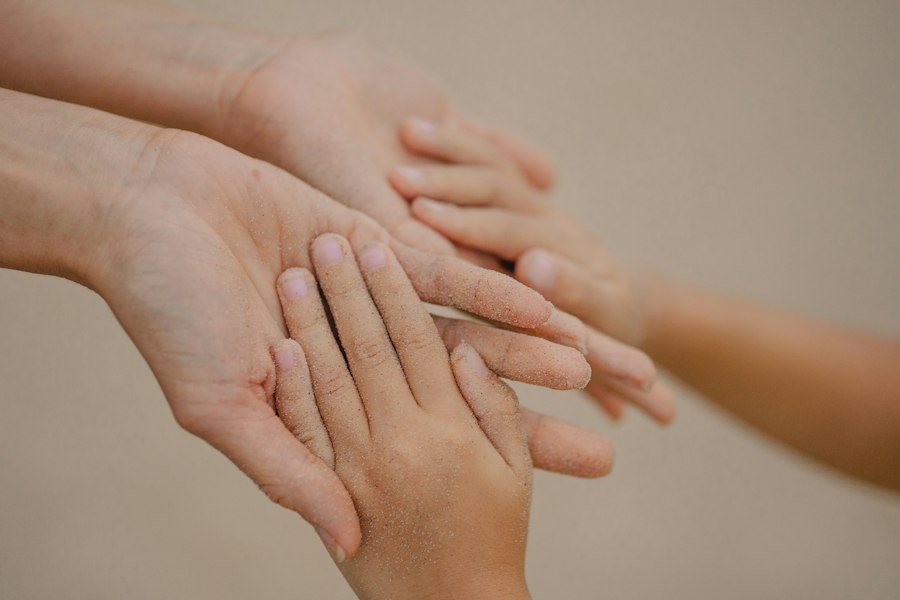
The way we interact with our environment plays a crucial role in maintaining hand health. Adopting ergonomic principles in everyday activities can significantly reduce strain and prevent discomfort, allowing individuals to participate more fully in family life without the constant distraction of aching hands.
Rethinking Everyday Tasks
Many common household tasks, from using tools to preparing meals, can be performed in ways that minimize stress on the hands. When gardening, for instance, choosing tools with ergonomic handles that are padded and curved can reduce the grip strength required and alleviate pressure on the joints. When cooking, using sharp knives that require less force to cut and opting for pre-chopped ingredients when possible can also make a difference. For those who spend a significant amount of time typing, an ergonomic keyboard and mouse, along with proper desk setup, can prevent repetitive strain injuries. Even simple adjustments, like ensuring that light switches are easily accessible and that frequently used items are within easy reach, can reduce unnecessary hand movements and strain.
The Power of Proper Tool Selection
The tools we use are often extensions of our hands, and their design can have a profound impact on our comfort and well-being. Investing in tools with padded, non-slip grips can significantly reduce the amount of force required to hold and operate them. For tasks that involve sustained gripping, consider tools that are designed to distribute pressure more evenly, such as those with trigger-style handles or larger grip surfaces. When using scissors, opt for ergonomic designs that reduce the need for excessive finger flexion. Similarly, for cleaning tasks, using long-handled tools can reduce the need to bend and twist the wrists, while power-assisted cleaning devices can minimize the physical effort required. The principle is simple: choose tools that work with your hands, not against them.
Creating an Optimized Home Environment
The home environment itself can be a source of either strain or support for hand health. Identifying and mitigating potential hazards is crucial. For example, slippery surfaces in bathrooms and kitchens can lead to falls and injuries, including those to the hands. Installing grab bars in showers and tubs can provide extra stability. Ensuring that cabinet doors and drawers open smoothly and without excessive force is also important. For individuals with arthritis or weakened grip, consider investing in adaptive tools like jar openers, key turners, and button fasteners. These simple modifications can make a significant difference in a person’s ability to perform everyday tasks independently and comfortably, fostering a sense of autonomy and reducing reliance on others.
Gentle Movement and Therapeutic Exercises

While rest is important for hands that are experiencing discomfort, a sedentary approach can often exacerbate stiffness and weakness. Incorporating gentle movement and specific therapeutic exercises can improve flexibility, strengthen muscles, and enhance overall hand function, contributing to greater comfort and participation in family activities.
The Benefits of Daily Range-of-Motion Exercises
Simple, daily exercises can make a world of difference in maintaining and improving hand flexibility. These exercises are designed to gently move the joints through their full range of motion without causing pain. Examples include:
- Finger bends and stretches: Gently bending each finger towards the palm and then extending it fully.
- Thumb opposition: Touching the tip of the thumb to the tip of each finger.
- Wrist flexion and extension: Gently bending the wrist up and down.
- Wrist circles: Rotating the wrist in a circular motion, both clockwise and counterclockwise.
These exercises can be performed several times a day, for a few minutes each time. They are particularly beneficial for individuals experiencing stiffness due to arthritis or prolonged inactivity. The key is consistency and gentleness; pushing too hard can be counterproductive.
Strengthening Exercises for Enhanced Support
Once a baseline of flexibility is achieved, gentle strengthening exercises can help support the joints and muscles of the hand and wrist. This can improve grip strength and endurance, making it easier to perform daily tasks. Common strengthening exercises include:
- Squeezing a soft ball or stress ball: This helps to strengthen the hand muscles. Start with a few repetitions and gradually increase the number as strength improves.
- Finger extensions with a rubber band: Place a rubber band around the tips of the fingers and thumb, then spread the fingers apart against the resistance.
- Grip strengthening exercises with putty: Specialized therapy putty can be used for a variety of hand exercises, including pinching, squeezing, and stretching.
It is advisable to consult with a physical therapist or occupational therapist to ensure that these exercises are performed correctly and are appropriate for individual needs. They can also provide guidance on progression and modifications.
The Soothing Power of Hand Massage
Beyond structured exercises, simple hand massage can be incredibly beneficial for promoting relaxation, improving circulation, and easing muscle tension. This can be a wonderful activity to share with family members, offering a non-verbal way to show care and support.
- Self-massage: Gently use one hand to massage the other. Apply gentle pressure to the palm, the back of the hand, and each finger individually, working from the base towards the fingertips.
- Partner massage: Encourage family members to take turns massaging each other’s hands. This can be a bonding experience, fostering connection and empathy. Use a small amount of lotion or oil to enhance the smoothness of the massage. Focus on areas of tension and stiffness.
The warmth and gentle pressure of massage can help to relax tight muscles, improve blood flow, and reduce the perception of pain, making hands feel more comfortable and pliable.
Lifestyle Adjustments for Long-Term Hand Wellness
Hand comfort is not solely about addressing pain when it arises; it’s also about adopting a holistic lifestyle that prioritizes hand health and prevents future issues. These adjustments, when integrated into family routines, can create a supportive environment for everyone.
The Importance of Hydration and Nutrition
The body, including the hands, functions optimally when properly nourished and hydrated. Dehydration can contribute to joint stiffness and reduce the elasticity of tissues. Ensuring adequate water intake throughout the day is fundamental. Similarly, a balanced diet rich in anti-inflammatory foods can help manage conditions like arthritis. Foods high in omega-3 fatty acids, such as fatty fish, flaxseeds, and walnuts, can help reduce inflammation. Plenty of fruits and vegetables provide essential vitamins and antioxidants that support overall health and tissue repair. For individuals with specific conditions, a healthcare professional or a registered dietitian can provide personalized dietary recommendations.
Managing Stress and Prioritizing Rest
Chronic stress can exacerbate pain and inflammation throughout the body, including the hands. Techniques like mindfulness, deep breathing exercises, meditation, and yoga can help manage stress levels. Creating dedicated “tech-free” times during the day can also reduce repetitive strain from electronic devices. Adequate sleep is also crucial for the body’s repair processes. When hands are overworked or inflamed, sufficient rest allows tissues to heal and reduces the risk of further injury. Establishing consistent sleep patterns and creating a relaxing bedtime routine can contribute significantly to overall well-being and hand comfort.
The Role of Supportive Devices and Aids
For some individuals, particularly those with significant hand pain or functional limitations, supportive devices can be invaluable in maintaining independence and comfort. Braces and splints can provide external support to injured or inflamed joints, reducing strain and allowing them to rest and heal. Compression gloves can improve circulation and reduce swelling. As mentioned previously, adaptive tools like button hooks, zipper pulls, and specialized cutlery can make everyday tasks more manageable and less painful. It is important to consult with a healthcare professional or an occupational therapist to determine the most appropriate supportive devices for individual needs. These aids are not signs of weakness but rather smart solutions for enhancing quality of life and enabling continued participation in family life.
In exploring the importance of hand comfort within family interactions, one might find it interesting to consider how our physical environments impact our daily lives. A related article discusses the complexities of managing space traffic, which can metaphorically reflect the need for harmony in our personal spaces. Understanding how to navigate these challenges can enhance our family dynamics and overall comfort. For more insights, you can read the article on space traffic management here.
Fostering a Caring Family Environment
| Metric | Description | Measurement | Relevance to Closing Fingers Hand Comfort | Family Impact |
|---|---|---|---|---|
| Grip Strength | Force exerted when closing fingers around an object | Measured in kilograms or pounds | Indicates hand muscle strength and comfort during gripping | Improved grip strength supports daily family activities like cooking or holding children |
| Finger Flexion Range | Degree of finger bending when closing the hand | Measured in degrees of joint movement | Higher range suggests better hand flexibility and comfort | Enables participation in family tasks requiring fine motor skills |
| Hand Fatigue Duration | Time before discomfort or tiredness occurs when closing fingers repeatedly | Measured in minutes | Longer duration indicates better endurance and comfort | Allows sustained interaction and caregiving within family settings |
| Pressure Sensitivity | Ability to sense pressure when fingers close | Measured via sensory threshold tests | Critical for comfortable and safe gripping | Enhances safe handling of family members and objects |
| Joint Pain Level | Discomfort experienced in finger joints during closing | Rated on a scale from 0 (none) to 10 (severe) | Lower pain levels correlate with higher comfort | Reduces limitations in family caregiving and activities |
Ultimately, the goal of improving hand comfort extends beyond individual well-being; it’s about enabling everyone in the family to participate fully in shared activities and feel connected. This involves open communication, empathy, and a willingness to support one another.
Open Communication About Discomfort
Creating an environment where family members feel comfortable discussing their physical discomfort is paramount. Children, in particular, may not always articulate their pain clearly. Encouraging them to describe how their hands feel, rather than just saying they hurt, can provide valuable insights. For adults, openly sharing experiences with hand pain can foster understanding and empathy within the family. It can lead to adjustments in activities, such as allowing extra time for tasks, offering assistance, or choosing activities that are less strenuous on the hands. This open dialogue prevents misunderstandings and ensures that everyone’s needs are acknowledged and addressed.
Adapting Activities for Inclusive Participation
When one or more family members experience hand discomfort, it’s important to adapt activities to ensure everyone can participate. This might involve:
- Modifying games: Choosing board games with larger pieces or adapting card games so that shuffling and holding cards is easier.
- Shared cooking responsibilities: Dividing tasks so that those with hand pain aren’t solely responsible for chopping, stirring, or kneading.
- Altering household chores: Assigning tasks that are less physically demanding or providing assistance with those that require significant hand strength.
- Creative adaptations for hobbies: If a family member enjoys knitting or crafting, explore ergonomic tools or alternative methods that reduce strain.
The key is to find creative solutions that allow for continued engagement and prevent feelings of exclusion. The focus should be on what can be done together, rather than what cannot.
The Power of Touch and Connection
The very act of closing fingers – a handshake, a hug, a gentle pat on the back – is a powerful form of non-verbal communication and connection. When hand discomfort interferes with these simple gestures, it can create emotional distance. By prioritizing hand health, families empower their members to offer and receive touch freely, strengthening their bonds. Encouraging gentle hand-holding during walks, comforting embraces, and playful hand games can reinforce these vital connections. Ultimately, addressing hand discomfort is an investment in the emotional well-being and overall happiness of the entire family, ensuring that the closing of fingers always signifies warmth, support, and enduring love.
