The Ancient Art of Meat Recovery: A Journey Back to Basics
The practice of recovering meat, particularly from the bones of hunted game or butchered animals, is an ancient and essential skill. In times before refrigeration and modern processing, maximizing every scrap of edible protein was paramount to survival. This knowledge, though perhaps less critical for many in contemporary society, still holds immense value. It fosters a deeper connection to our food sources, promotes sustainability by minimizing waste, and can be a source of satisfaction for those who appreciate the challenge and reward of traditional butchery. This article delves into the essential tools and stone-based techniques that have enabled countless generations to successfully recover meat, offering a glimpse into a practice that is as practical as it is historical.
In the quest to understand ancient survival techniques, the article on recovering meat remaining tools made from stone provides fascinating insights into how early humans adapted to their environment. For a deeper exploration of how ancient wisdom can inform modern practices, you can read more about this topic in the article on surviving climate change, which discusses the relevance of traditional knowledge in today’s world. Check it out here: Surviving Climate Change: Ancient Wisdom.
## The Foundation of Recovery: Understanding the Anatomy of an Animal Carcass
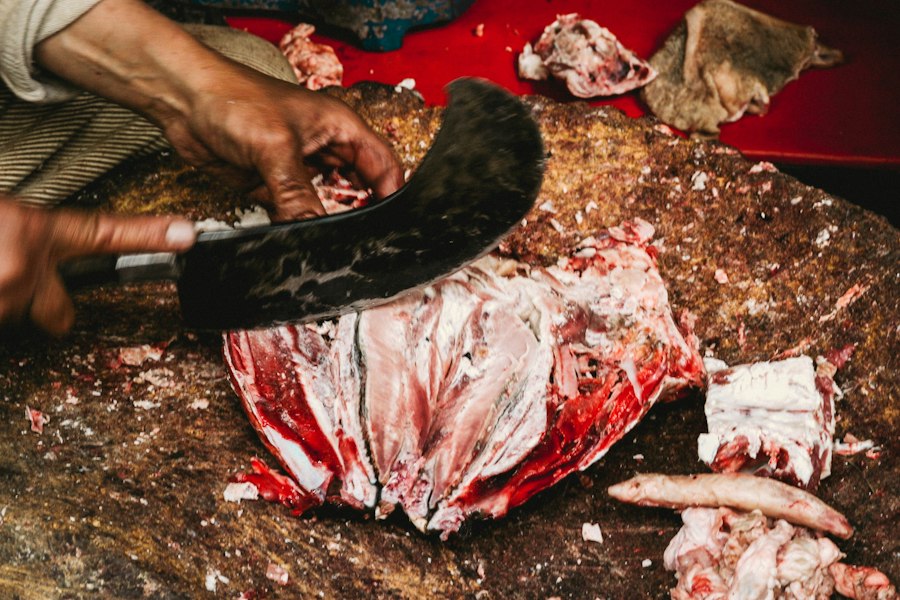
Before any tools are picked up or stones are shaped, a fundamental understanding of animal anatomy is crucial for efficient meat recovery. The way muscles attach to bones, the distribution of fat, and the locations of connective tissues all dictate the best approaches for extraction. Hunters and butchers throughout history possessed an intimate knowledge of these details, honed through generations of practice. This knowledge wasn’t learned from textbooks but from observing, dissecting, and experimenting. Understanding the skeletal structure allows for strategic cuts that release whole muscles or large portions of meat with minimal effort and waste.
### The Major Muscle Groups and Their Placement
Animals are comprised of numerous muscle groups, each with a specific function and therefore a particular shape and attachment to the skeleton. Identifying these groups is the first step. For example, the large muscles of the hindquarters – the sirloin, round, and rump – are generally dense and well-suited for roasting or braising. The forequarters, including the chuck and brisket, are tougher but can yield flavorful meat when cooked slowly. The ribs and loin offer more tender cuts. Recognizing the contours of these muscles, their tendinous connections, and the surrounding fat pockets is key to making clean, effective cuts. Without this anatomical awareness, one might find themselves hacking away indiscriminately, tearing meat and leaving valuable portions clinging stubbornly to the bone.
### The Role of Connective Tissue and Fat
Connective tissue, such as sinew and cartilage, binds muscles together and to bones. While often considered undesirable in modern cooking, these tissues contain collagen, which breaks down into gelatin during slow cooking, adding richness and moisture. Understanding where these tissues are most prevalent allows for either their careful removal (for cuts where tenderness is prioritized) or their strategic inclusion (for dishes that benefit from their gelatinous properties). Similarly, fat distribution varies significantly. Some animals have thick external fat layers, while others have intramuscular fat (marbling). Knowing where fat is concentrated helps in deciding how to trim and prepare the meat for different cooking methods. Excessive fat can be rendered for cooking oil or tallow, further minimizing waste.
### Strategic Bone Separation
The skeleton of an animal is not a monolithic entity but a series of interconnected bones designed for movement. Understanding how these bones articulate – where the joints are located – is paramount for efficient butchery. Instead of sawing through bone, which is laborious and can create bone dust, the goal is to find the natural separation points. These are typically at the joint capsules, where ligaments hold the bones together. A sharp knife, guided by anatomical knowledge, can easily slip between the bones at these joints, cleanly separating limbs or sections of the carcass. This not only saves time and effort but also produces cleaner cuts of meat, with less risk of bone fragments contaminating the edible portions.
## The Essential Toolkit: From Primitive Stone to Refined Blades
The tools used for meat recovery have evolved significantly over millennia. However, the fundamental principles of sharpness, durability, and appropriate form remain constant. While modern steel knives offer unparalleled efficiency, understanding the evolution of these tools and the principles behind them provides valuable insight into the craft. For those seeking to engage with the more traditional aspects of meat recovery, the use of stone tools offers a unique and challenging learning experience.
### The Ingenuity of Stone Tools: Flaked and Ground Edges
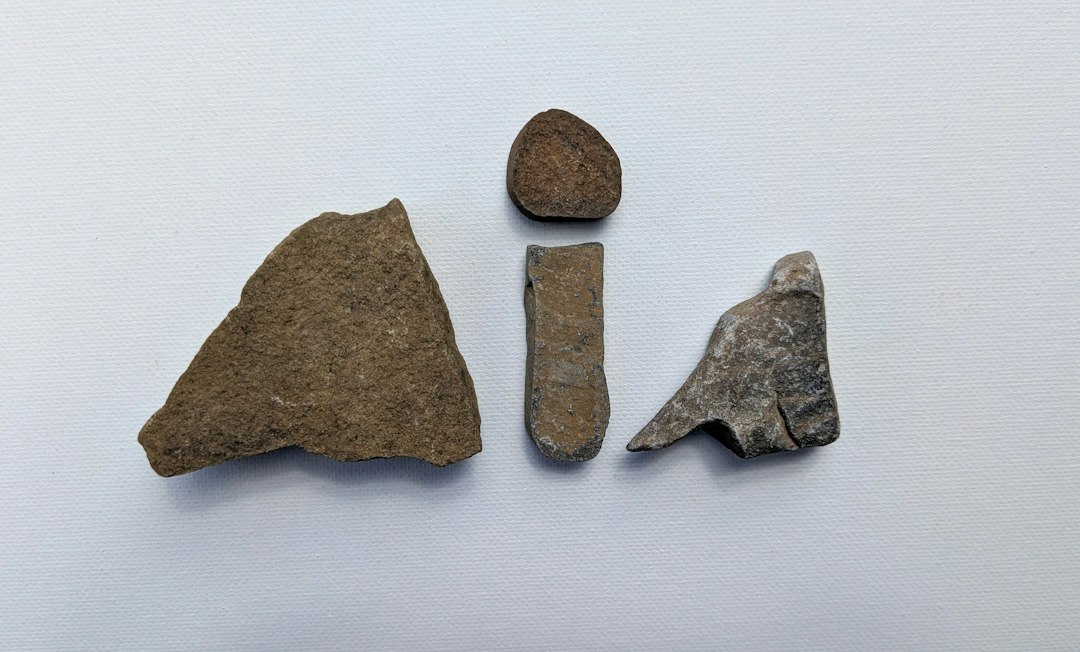
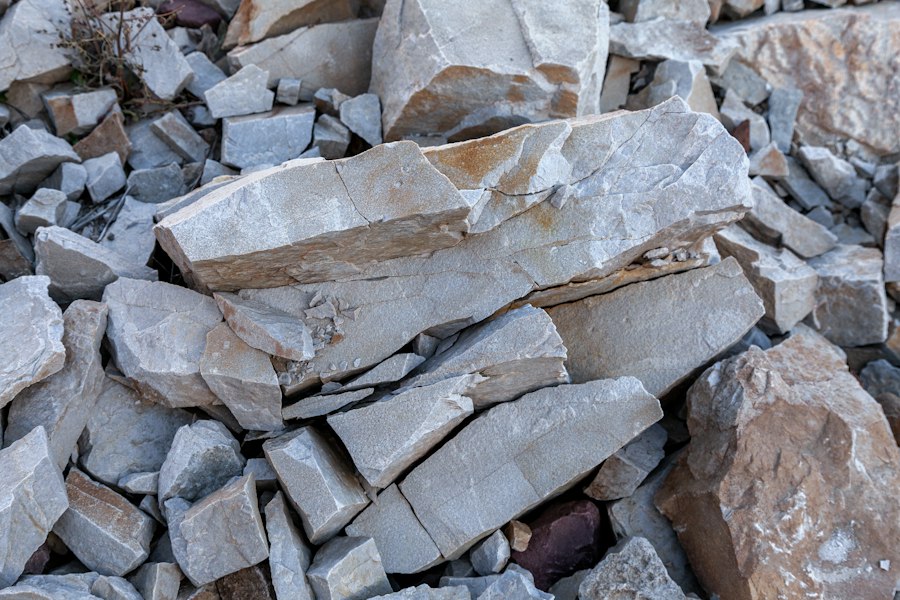
The earliest tools for butchery were crafted from stone, primarily flint, obsidian, and chiton. These materials, when fractured correctly, produce incredibly sharp edges. Early humans developed sophisticated techniques for flaking stone, using other stones or bone hammers to precisely chip away smaller pieces, creating sharp, durable blades. These handaxes, scrapers, and knives were essential for skinning, dismembering, and portioning carcasses. The skill lay not just in finding suitable stone but in understanding its properties and mastering the art of knapping. The resulting edges, though requiring more frequent resharpening than modern steel, were remarkably effective. For contemporary practitioners, recreating these tools is a testament to human ingenuity and provides a profound connection to the past.
### The Evolution of Metal: Bronze, Iron, and Steel
As metallurgy advanced, so did butchery tools. The Bronze Age introduced more durable and consistent cutting edges, followed by the Iron Age, which offered further improvements. However, it was the development of steel – an alloy of iron and carbon – that truly revolutionized knife-making. Steel could be hardened and tempered to hold a sharp edge for longer periods and withstand greater stress. Modern knives are made from a wide variety of steels, each with different properties influencing hardness, edge retention, and corrosion resistance. The classic butcher’s knife, with its broad blade and comfortable handle, is a direct descendant of these advancements, designed for optimal performance in meat processing.
### Essential Knife Types for Meat Recovery
Regardless of the material, certain knife types are indispensable for meat recovery. A long, rigid boning knife is crucial for separating meat from bone and trimming fat and sinew. Its narrow blade allows for precise maneuvering in tight spaces. A chef’s knife or a large cleaver is useful for larger cuts and for breaking down tougher portions. A smaller, paring knife or a specialized skinning knife is ideal for detailed work, such as removing hide or stripping smaller muscle groups. For those employing traditional methods, a well-crafted stone knife, replicating the designs of ancient tools, can be surprisingly effective, though it demands greater skill and patience. The key is always to have a sharp, well-maintained edge.
## Mastering Stone Techniques: The Art of Flaking and Sharpening
Working with stone tools for meat recovery is a journey into the very origins of human butchery. It requires a different mindset, a greater patience, and a deep respect for the material. The effectiveness of stone tools lies not just in their sharpness but in the understanding of how they interact with the flesh and bone. This section explores the fundamental stone techniques that have been employed for millennia.
### The Fundamentals of Percussion Flaking
Percussion flaking is the process of striking a piece of stone (the core) with another object (a hammerstone or billet) to detach sharp flakes. For butchery tools, the goal is to produce flakes with a thin, sharp edge. This is achieved by selecting the right type of stone – one that fractures conchoidally, meaning it breaks with curved, shell-like surfaces. The angle and force of the strike are critical. A glancing blow at the right angle will produce a long, sharp flake. Experienced knappers can control the shape and thickness of these flakes, creating pre-forms that can be further refined into knives, scrapers, or awls. Practicing percussion flaking to create usable cutting edges for meat recovery is a challenging but rewarding endeavor.
### Pressure Flaking for Edge Refinement
While percussion flaking creates the initial sharp edge, pressure flaking is used for refinement and shaping. This technique involves applying localized pressure to the edge of a flake or a partially formed tool, using a pressure flaker (typically a piece of antler or bone with a pointed tip). By carefully pressing and twisting, small, controlled flakes are removed, further sharpening the edge and creating a more uniform bevel. This is how the fine, serrated edges often seen on ancient stone tools were achieved. For meat recovery, pressure flaking allows for the creation of extremely sharp and delicate edges capable of slicing through muscle fibers with minimal resistance.
### Creating Functional Stone Implements for Butchery
The primary stone implements for meat recovery would have been knives, scrapers, and awls. Stone knives were created by producing large, sharp flakes, often with a retouched edge for durability. Scrapers, with their broader, somewhat blunter edges, were used for removing hide and scraping flesh from bone. Awls, with their sharp, pointed tips, were useful for piercing tough materials or creating holes. The process of creating these implements from raw stone involved understanding the fracture mechanics of the chosen material and employing a combination of percussion and pressure flaking. For the modern practitioner, hand-select suitable stone, practice knapping, and learn to shape the resulting flakes into tools that can be used for the practical task of meat recovery.
In the fascinating study of ancient cultures, the recovery of meat remaining tools made from stone offers valuable insights into early human survival strategies. These tools not only highlight the ingenuity of our ancestors but also connect to broader themes of resource utilization and environmental adaptation. For those interested in exploring related topics, an intriguing article on ancient mariners and their navigation techniques can be found here, shedding light on how early civilizations managed to traverse vast oceans and the tools they employed in their journeys.
## Efficient Meat Recovery Techniques: From Field to Table
| Tool Type | Material | Recovery Efficiency (%) | Durability (Uses) | Meat Recovery Rate (grams/min) |
|---|---|---|---|---|
| Knife | Stone | 75 | 50 | 120 |
| Scraper | Stone | 60 | 70 | 90 |
| Chopper | Stone | 80 | 40 | 150 |
| Flake Blade | Stone | 70 | 30 | 110 |
Once the tools are prepared and the anatomical knowledge is in place, the practical application of meat recovery techniques can begin. These techniques vary depending on whether one is working with a freshly hunted animal in the field or a carcass in a more controlled environment. The overarching principle is to work systematically, minimizing waste and maximizing the usable meat.
### Field Dressing and Initial Carcass Breakdown
In the field, the immediate priority after dispatching an animal is field dressing. This involves evisceration – removing the internal organs – to cool the carcass rapidly and prevent spoilage. This is typically done with a sharp knife, carefully cutting along the abdominal wall and then carefully severing the diaphragm and esophagus. Following evisceration, the carcass is often quartered, or major muscle groups are separated while still on the bone, to facilitate transport and cooling. Understanding the major joints allows for clean separations that don’t tear muscle tissue. For larger game, breaking down the carcass in the field is essential for managing its weight and for allowing air circulation to begin the cooling process.
### Deboning and Trimming for Maximum Yield
Once the carcass is in a suitable location for more detailed processing, the process of deboning and trimming begins. This is where the careful use of knives and anatomical knowledge truly shines. The goal is to separate entire muscles from the bone, leaving as little meat behind as possible. This is achieved by following the natural lines of the muscle and working the knife along the bone’s surface. Any tough connective tissue or excess fat that is not desired for the intended cooking method is then trimmed away. This trimmings, however, are not necessarily waste. They can be used for stocks, gravies, or ground meat. A sharp boning knife is indispensable here, allowing for precise cuts and minimal damage to the meat.
### Utilizing All Edible Portions: Beyond the Prime Cuts
True meat recovery is about utilizing every edible portion of the animal. This extends far beyond the prime cuts like loins and ribs. The tougher cuts, such as the chuck, shank, and brisket, are incredibly flavorful and become tender with slow cooking methods like braising, stewing, or smoking. The head can yield rich meat, particularly around the cheeks and jowls. The feet, when properly prepared, can be a source of gelatinous broth. Even the marrow within the bones is a nutritious and delicious addition to meals. For those committed to minimizing waste, exploring these often-overlooked parts of the animal is an integral part of successful meat recovery.
## Preserving the Harvest: Extending the Life of Recovered Meat
Recovering meat is only half the battle; preserving it so it can be enjoyed over time is equally important, especially in eras without refrigeration. Traditional methods, born out of necessity, are remarkably effective and can still be relevant today for both small-scale hunters and those looking for sustainable food preservation techniques.
### Drying and Jerky: The Ancient Method of Dehydration
Drying meat is one of the oldest and most effective preservation methods. By removing moisture, the growth of bacteria and spoilage microorganisms is inhibited. This is most commonly seen in the form of jerky. Thin strips of lean meat are cured (often with salt) and then dried, either in the sun, over a low heat source, or in a dehydrator. Salt plays a crucial role not only in flavor but also in drawing out moisture and inhibiting bacterial growth. Properly dried jerky can last for extended periods, providing a portable and nutrient-dense food source. Understanding the fat content of the meat is important here, as fat can go rancid over time, so leaner cuts are generally preferred for drying.
### Salting and Curing: Salt as a Natural Preservative
Salting and curing have been used for millennia to preserve meat. Salt draws out moisture through osmosis and creates an environment that is hostile to many spoilage bacteria. Dry curing involves rubbing the meat generously with salt, and sometimes other spices and nitrates (in controlled amounts for safety), and allowing it to cure over weeks or months. Wet curing involves submerging the meat in a brine solution. Cured meats, like ham and bacon, are not only preserved but also develop unique flavors and textures. Understanding the balance of salt and the appropriate curing times is essential to avoid over-salting or incomplete preservation.
### Smoking: Flavor and Preservation Through Smoke
Smoking meat involves exposing it to smoke from burning wood. While the primary purpose is often flavor, the smoke also contains compounds that have antimicrobial and antioxidant properties, contributing to preservation. Smoking can be done at low temperatures (cold smoking), which primarily adds flavor and some preservation, or at higher temperatures (hot smoking), which also cooks the meat. The process helps to dry the surface of the meat and creates a protective barrier. Different types of wood impart distinct flavors, and controlling the temperature and duration of smoking are key to achieving desired results and ensuring the meat is safely preserved.
In conclusion, the practice of recovering meat, whether employing the ingenious simplicity of stone tools or the refined efficiency of modern blades, is a rewarding endeavor. It connects individuals to their food in a profound way, promotes a spirit of resourcefulness, and honors the age-old traditions that sustained human populations for countless generations. By understanding animal anatomy, mastering the tools at hand, and employing effective recovery and preservation techniques, one can unlock the full potential of every harvested animal, transforming what might be considered waste into sustenance and culinary delight. This journey back to basics offers not only practical skills but also a deeper appreciation for the intricate relationship between humans and the natural world.