The world 20,000 years ago was a realm of raw, untamed power, a stark contrast to the domesticated and ordered landscapes of the modern era. Humanity, still very much in its nascent stages of civilization, navigated a planet shaped by the immense forces of the last glacial period, commonly known as the Last Glacial Maximum. This epoch, a critical juncture in human history, witnessed the spread of our species across continents, the development of sophisticated survival strategies, and the foundational sparks of art and culture that would echo through millennia. To understand life 20,000 years ago is to delve into the very essence of human resilience, ingenuity, and the deep connection our ancestors forged with a formidable natural world.
The Frozen Continent: Ice Sheets and Adapting to Extremes
Twenty thousand years ago, much of the Northern Hemisphere was a canvas painted in shades of white and grey. Vast ice sheets, some thousands of feet thick, covered significant portions of North America, Europe, and Asia. These colossal glaciers profoundly influenced climate, sea levels, and the distribution of flora and fauna, presenting unparalleled challenges and opportunities for early humans. Their existence was intrinsically tied to the rhythm of the ice, dictating migration patterns, resource availability, and the very strategies employed for survival.
Glacial Geography: A World Transformed
The presence of immense ice sheets fundamentally reshaped the Earth’s topography. In North America, the Laurentide Ice Sheet stretched from the Arctic southwards, burying much of what is now Canada and the northern United States under a frigid blanket. Similarly, the Scandinavian Ice Sheet dominated Northern Europe, pushing south to cover much of modern-day Germany and Poland. These ice masses acted as massive reservoirs of water, locking away vast quantities that would otherwise be in the oceans.
Lowered Sea Levels and Exposed Land Bridges
The consequence of this massive water storage was a dramatic drop in global sea levels, in some areas by as much as 120 meters. This recession of the oceans exposed vast areas of continental shelf, creating land bridges that facilitated human migration. The most famous of these was Beringia, the land bridge connecting Siberia and Alaska, which played a pivotal role in the peopling of the Americas. Other exposed areas, like Doggerland between Britain and mainland Europe, also became accessible to human populations. These newly formed landscapes offered new territories to explore and exploit, driving expansion and diversification of human groups.
Periglacial Environments: Life on the Edge of Ice
Beyond the immediate reach of the ice sheets lay the periglacial zones. These were not frozen wastelands but dynamic environments characterized by permafrost, tundra vegetation, and dramatic temperature fluctuations. While harsh, these regions teemed with life adapted to the cold. Vast herds of megafauna, including mammoths, woolly rhinoceroses, and giant deer, roamed the treeless plains. These animals were the primary food source for many human groups, and their presence dictated hunting strategies and settlement patterns. The flora, though limited, provided essential resources such as berries, roots, and medicinal plants, which early humans skillfully utilized.
In exploring the complexities of human existence 20,000 years ago, it is fascinating to consider how early societies navigated their environments and conflicts, much like the ongoing struggles faced in today’s world. A related article that delves into contemporary conflicts and their historical roots is titled “Sudan Conflict: A Continuing Struggle for Peace.” You can read it here: Sudan Conflict: A Continuing Struggle for Peace. This piece provides insight into the enduring nature of conflict and the quest for resolution, echoing themes that have persisted throughout human history.
The Hunter-Gatherer Lifestyle: Masters of Their Environment
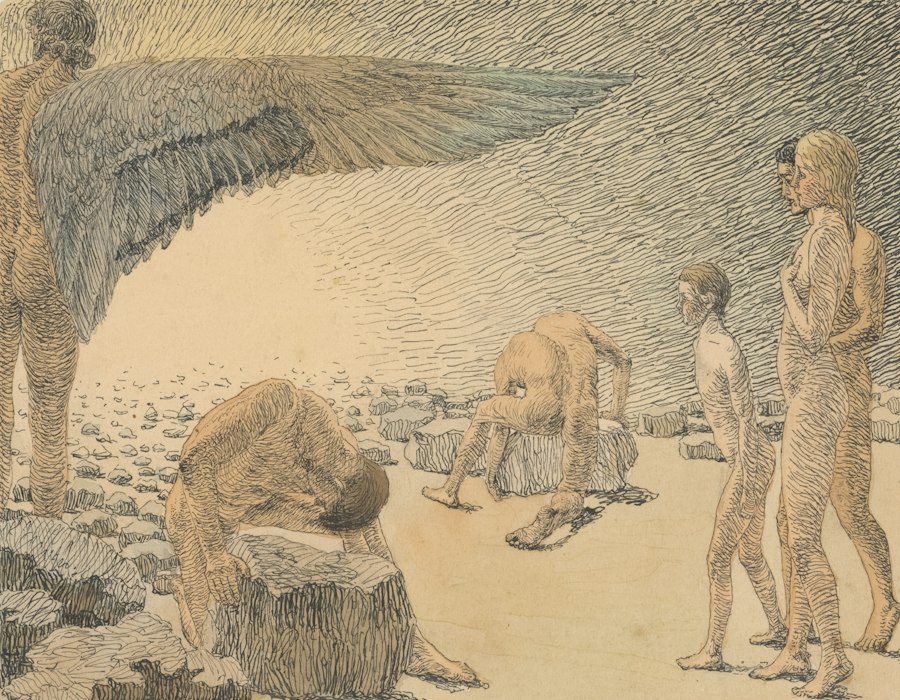
Life 20,000 years ago was predominantly a hunter-gatherer existence. Mobile bands of humans moved across the landscape, following the seasonal movements of game and the availability of plant resources. This lifestyle demanded an intimate knowledge of the environment, sophisticated tool-making abilities, and a deep understanding of social cooperation. Their survival was a testament to their adaptability and their ability to extract sustenance from even the most challenging environments.
Nomadic Bands and Social Structures
Human populations were organized into small, nomadic bands, typically comprising extended family groups. The size of these bands likely varied depending on resource availability and the specific ecological niche they occupied. Mobility was key, with groups likely migrating seasonally to exploit different resources in different locations. This constant movement fostered strong social bonds, interdependence, and the development of complex communication systems. Sharing of resources, knowledge, and responsibilities was essential for the survival of the group. Evidence suggests a degree of egalitarianism within these bands, with leadership roles likely fluid and based on experience and skill rather than hereditary status.
The Art of the Hunt: Tools and Techniques
The hunt was the central pillar of the hunter-gatherer economy. Early humans were highly skilled hunters, employing a range of sophisticated tools and techniques to bring down large game. The spear thrower, or atlatl, was a crucial innovation, extending the reach and power of the spear, allowing hunters to engage dangerous prey from a safer distance. Stone tools, meticulously crafted through knapping, formed the basis of their arsenal. Projectile points, scrapers, knives, and awls were essential for hunting, butchering, and processing animal hides and bone. The tracking of prey required immense patience, keen observation skills, and an understanding of animal behavior, including migration routes, feeding patterns, and denning habits. Coordination and communication among hunters were vital for successful group hunts, especially when targeting large and dangerous animals like mammoths.
Gathering and Foraging: A Vital Complement
While the hunt provided a significant portion of their diet, gathering and foraging were equally crucial for survival. Women and children, and often men as well, were responsible for collecting a wide array of plant-based foods. This included roots, tubers, berries, nuts, seeds, and edible leaves. Their knowledge of local flora, including which plants were edible, medicinal, or poisonous, was passed down through generations. The seasonal availability of these resources dictated the movement of foraging parties and was often integrated with hunting expeditions. Processing gathered foods, such as grinding seeds into flour or drying berries for later consumption, was also a vital part of their daily lives.
Early Human Settlements: Fleeting Shelters and Communal Spaces
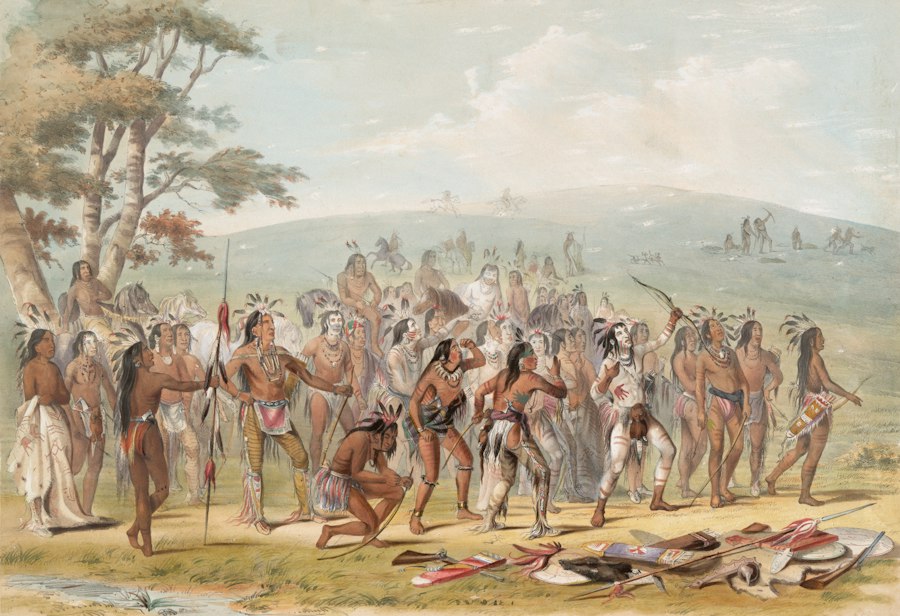
While nomadic life characterized many groups, evidence suggests the establishment of more semi-permanent or seasonal settlements, particularly in resource-rich areas. These early sites were not the sprawling cities of later eras but often consisted of temporary shelters or more robust structures designed for communal living and activities.
Habitation Sites: Caves, Rock Shelters, and Temporary Structures
Caves and rock shelters offered natural protection from the elements and predators, making them ideal locations for early human occupation. Archaeological evidence from sites like Lascaux in France and Altamira in Spain reveals extensive use of these natural formations as living spaces and as canvases for some of the earliest known human art. Beyond natural shelters, humans constructed temporary dwellings using readily available materials. These could include simple tents made from animal hides stretched over a frame of bone or wood, or more elaborate structures like huts built from mammoth bones, a testament to their resourcefulness in treeless landscapes.
The Mammoth Bone Villages of Eastern Europe
Particularly fascinating are the mammoth bone villages discovered in Eastern Europe, dating to around 20,000 years ago. These sites, such as those found in Ukraine and Russia, feature circular or oval structures built entirely from the bones of mammoths, often supplemented with animal hides and turf. These were not just shelters but substantial communal dwellings, some housing multiple families. The presence of hearths within these structures indicates cooking and heating, and the discovery of tools and artifacts suggests these were hubs for social interaction, tool manufacture, and food processing. The construction of such substantial dwellings highlights a remarkable level of planning, cooperation, and engineering skill.
Communal Activities and Social Cohesion
These habitation sites served as more than just places to sleep; they were centers of communal life. Here, the day’s catch was processed, tools were repaired and fashioned, stories were shared around the fire, and essential social bonds were strengthened. The presence of hearths facilitated the sharing of meals, a crucial element in fostering group cohesion. These communal spaces were where knowledge was transmitted, traditions were maintained, and the fabric of society was woven.
The Dawn of Art and Spirituality: Expressing the Human Soul
Twenty thousand years ago, humanity was not solely focused on survival. The emergence of art, ritual, and symbolic expression speaks to the complex cognitive abilities and burgeoning spiritual lives of our ancestors. These early forms of creativity provide invaluable insights into their worldview, their relationship with the natural world, and their understanding of life and death.
Cave Paintings: Windows into the Paleolithic Mind
The most iconic expressions of early human creativity are the stunning cave paintings found across the globe. Sites like Chauvet Cave in France, with its remarkably preserved and dynamic depictions of animals, and the aforementioned Lascaux and Altamira, showcase an artistic mastery that rivals that of much later periods. These paintings, often depicting animals that were central to their lives – bison, horses, deer, lions – were created using natural pigments derived from ochre, charcoal, and manganese. The skill involved in rendering form, movement, and even perspective is astonishing.
Theories on Purpose: Ritual, Storytelling, and Magic
The purpose behind these magnificent artworks remains a subject of intense debate among archaeologists and anthropologists. Theories range from their use in shamanistic rituals and ceremonies, perhaps to invoke hunting success or communicate with the spirit world, to serving as a form of storytelling, recording important events or mythological narratives. Another perspective suggests they were a way of marking territory or educating younger generations about the fauna of their environment. Regardless of the precise function, these paintings clearly indicate a complex symbolic thought process and a desire to record and communicate beyond the immediate needs of survival.
Figurines and Ornaments: Personal Adornments and Beliefs
Beyond the grand murals of cave walls, smaller portable art objects also provide evidence of early human creativity and belief systems. These include numerous examples of small figurines, often depicting the female form, such as the famous Venus figurines found across Europe. These figures, with their exaggerated feminine characteristics, are widely believed to represent fertility goddesses or symbolize the life-giving power of women. Personal adornments like shell beads, bone pendants, and carved ivory objects demonstrate an appreciation for beauty and individuality, suggesting early forms of self-expression and social signaling.
The Mysteries of Ritual and Burial Practices
Evidence of early ritualistic behavior is also found in burial practices. While often simple, the intentional placement of the deceased, sometimes accompanied by grave goods such as tools or ornaments, suggests a belief in an afterlife or a concern for the spiritual well-being of the departed. The discovery of ochre in burials, possibly symbolizing blood or life, further hints at complex symbolic interpretations of death and the transition to another realm. These practices offer a glimpse into the earliest human attempts to grapple with the fundamental questions of existence and mortality.
In exploring the fascinating aspects of life 20,000 years ago, one can gain deeper insights by delving into related topics such as ancient civilizations and their remnants. For instance, an intriguing article discusses the discovery of ancient city ruins that shed light on the lives of our ancestors. You can read more about this captivating subject in the article on ancient city ruins, which highlights the significance of archaeological findings in understanding the past.
The Legacy of the Last Glacial Maximum: Shaping Modern Humanity
| Category | Details | Estimated Data / Metrics |
|---|---|---|
| Time Period | Approximate years ago | 20,000 years ago (Late Upper Paleolithic) |
| Climate | Global climate conditions | Last Glacial Maximum, colder and drier |
| Human Species | Dominant hominins | Homo sapiens and Neanderthals (in some regions) |
| Population Size | Estimated global human population | Approximately 1-10 million |
| Subsistence | Main food sources | Hunting large game, gathering plants, fishing |
| Technology | Tools and innovations | Stone tools, bone needles, early art and ornaments |
| Habitat | Living environments | Caves, temporary shelters, open-air camps |
| Art and Culture | Known cultural artifacts | Cave paintings, carvings, musical instruments |
| Migration | Human movement patterns | Expansion into Europe, Asia, and Australia |
The period around 20,000 years ago, though seemingly distant, laid the groundwork for many of the developments that shaped modern humanity. The challenges and triumphs of this era forged the resilience, adaptability, and innovative spirit that define our species. The technologies developed, the social structures formed, and the early expressions of culture all contributed to the trajectory of human evolution and the eventual emergence of complex civilizations.
Technological Innovations and Adaptations
The harsh conditions of the Last Glacial Maximum spurred significant technological advancements. The development of more efficient hunting tools, such as the atlatl and refined projectile points, improved the ability to procure food. The mastery of fire provided warmth, protection, and a means to cook food, making a wider range of resources digestible. The creation of complex bone and ivory tools for sewing, scraping, and crafting allowed for the production of better clothing and shelter, essential for surviving extreme cold. These innovations were not isolated events but rather a continuous process of refinement and adaptation, driven by the imperative of survival.
Migration and the Peopling of Continents
The lowered sea levels and exposed land bridges facilitated the dispersal of human populations across the globe. The migration across Beringia, for instance, led to the colonization of the Americas, a monumental event in human history that continues to be explored and understood. These migrations were not always direct or rapid but occurred over vast timescales, with human groups gradually adapting to new environments and developing distinct cultural identities.
The Foundations of Culture and Symbolism
The artistic and symbolic expressions of 20,000 years ago represent the nascent stages of human culture. The cave paintings, figurines, and burial practices demonstrate the capacity for abstract thought, imagination, and the creation of shared meaning. These early forms of expression are the ancestors of all subsequent human art, religion, and philosophy, providing a profound connection to our deep past and a testament to the enduring human drive to understand and interpret the world around us. The legacy of these ancient humans is etched not just in stone and bone, but in the very fabric of what it means to be human. Their resilience in the face of overwhelming natural forces, their ingenuity in crafting tools and shelters, and their ability to imbue their lives with meaning through art and ritual continue to inspire and inform our understanding of our species’ remarkable journey.
